How to Choose a Melt & Pour Soap Base
Melt and pour soap gives Makers a fast, reliable way to build a product line without lye handling or cure time. The challenge is that not every base performs the same way. Clear glycerin, white, goat milk, shea butter, honey, oatmeal, aloe, low-sweat, and SLS-free bases all bring different strengths to clarity, hardness, sweat resistance, and skin feel. Picking the wrong one means cloudy embeds or a finished product that doesn't match what you promised on the label.
For Makers selling finished goods, the base you choose also affects your margins and your reorder rate. A base that performs consistently batch after batch protects your production time and keeps customers coming back for the same product they bought last time. Getting the base right the first time keeps your process efficient, whether you're launching a first product or expanding an established line. This guide compares bases WSP carries, explains what each is built for, and gives you a straightforward way to match a base to your project so the soap on your shelf looks and performs the way you planned.
What Is a Melt and Pour Soap Base?
A melt and pour base is soap that's already been through saponification. The oils and lye have already reacted, so the soap is fully formed before it ever reaches you. All that's left is to cut it into chunks, melt it down, add your color and fragrance, and pour it into a mold. There's no lye handling, no cure time, and no guesswork about whether your recipe will trace correctly.
That simplicity is what makes melt and pour a strong choice for Makers who want a consistent, repeatable product without the equipment or safety precautions cold process soap requires. That consistency also makes melt and pour easier to scale. Because the base is standardized, batch after batch pours the same way, which matters once you're producing on a schedule instead of one soap at a time. For a full ingredient breakdown, see What's in Melt & Pour Soap Base?
The Main Types of Melt & Pour Base (and What Each Is Best For)
Every melt and pour base is formulated for a specific look, feel, or skin type. The table below gives you a quick comparison, and the breakdown after it covers what each base does well, so you can match the base to your product line.
Clear (Glycerin) Base
Clear base gets its transparency from a higher glycerin content, and that transparency is what makes it the base of choice for embeds, layered pours, and gem-style soaps. Anything suspended inside, colorants, dried botanicals, or a smaller embedded soap, stays visible through the finished bar. Clear base also takes color well when you want bold, saturated results instead of muted pastels. Shop Clear Melt & Pour Base.
White Base
White base is opaque, so it hides imperfections that would show through a clear formula and gives you a clean, even canvas for color. It's the standard choice for pastel shades, solid-color bars, and any design where you want consistent coverage. If your product line depends on matching a color across every pour, white base makes that easier to control. Shop White Melt & Pour Base.
Goat Milk Base
Goat milk base swaps out water for real goat milk, which gives the finished bar a creamy, opaque look and a noticeably softer feel on skin. It's a strong pick for Makers building a moisturizing line or targeting customers who ask for gentler, milk-based formulas. Because the milk solids affect how the base heats, keep your melting temperature low to avoid scorching. Shop Goat Milk Melt & Pour Base.
Shea Butter Base
Shea butter base is formulated with added shea for extra conditioning and a richer feel. It performs well in bar and gift soaps where the value proposition is skin nourishment, and it pairs naturally with warm, spa-style fragrances. Expect a slightly softer bar than a standard white base, so factor that into your cure and packaging timeline. Shop Shea Butter Melt & Pour Base.
Honey Base
Honey base includes real honey for natural conditioning and a warm, golden tone that needs little added color. It's a reliable choice for Makers marketing a natural or farm-to-bar story, since the honey itself is the selling point and helps justify a premium price against a generic bar. Keep fragrance light so it complements the honey instead of competing with it. Shop Honey Melt & Pour Base.
Oatmeal Base
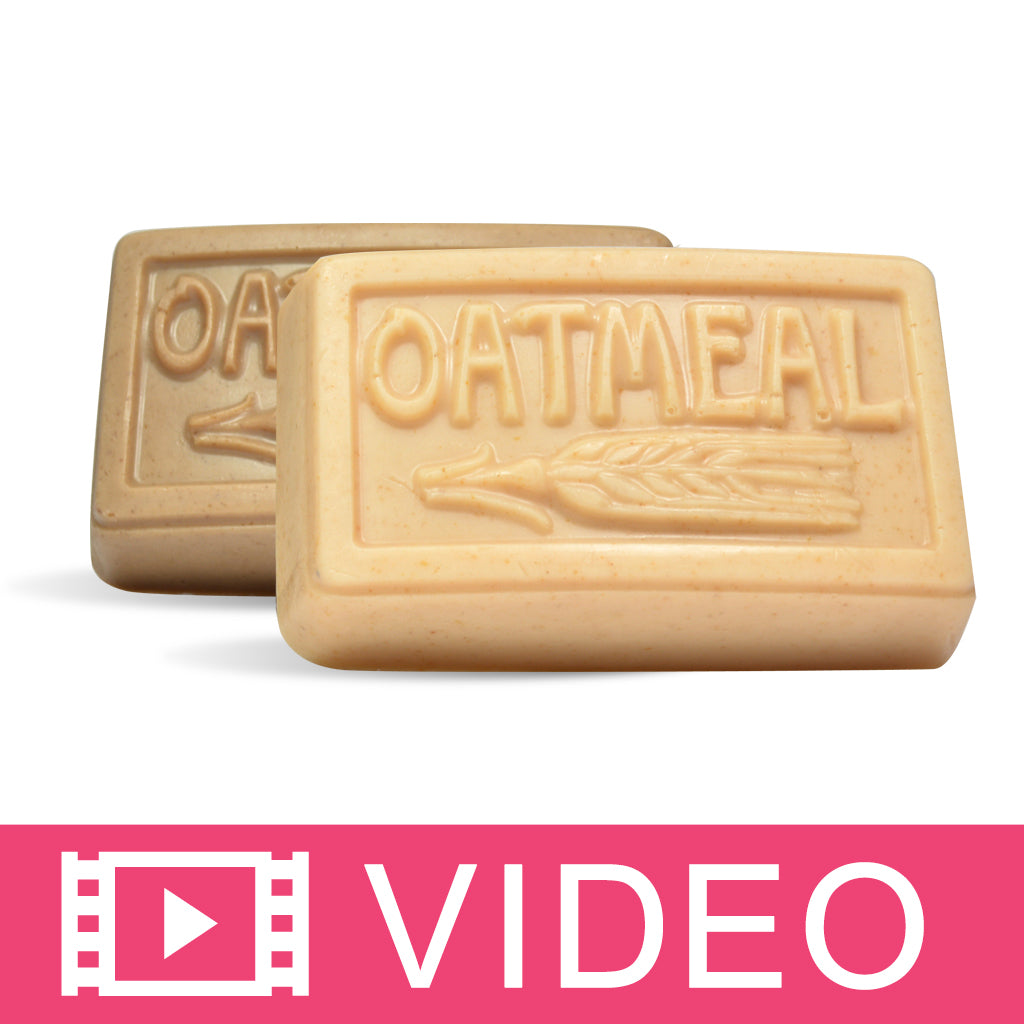
Oatmeal base is milled with real oats for gentle texture and a calming, exfoliating feel. It's built for sensitive-skin positioning and pairs well with fragrances like oat milk, honey, or unscented formulas where the oatmeal itself is the feature. The flecked texture gives your bar visual cues that reinforce the exfoliating claim on your label, and it's an easy upsell alongside an existing bar soap line. Shop Oatmeal Melt & Pour Base.
Aloe Base
Aloe base is formulated with aloe vera for a lightweight, soothing feel that works well for sensitive or sun-exposed skin. It's a practical option for summer product lines, after-sun bars, or any formula where a cooling, gentle claim matters to your customer, and it gives you a natural talking point for spring and summer promotions. Aloe base tends to run slightly softer, so plan your mold release and packaging accordingly. Shop Aloe Melt & Pour Base.
Low-Sweat and Hard Base
Low-sweat and hard bases are formulated to resist glycerin dew, the beads of moisture that can form on melt and pour soap in humid conditions or under plastic wrap. If you sell at outdoor markets, ship to warmer climates, or display finished soap for weeks before it sells, this is the base that keeps your product looking retail-ready. Shop Low-Sweat Melt & Pour Base.
SLS-Free Base
SLS-free bases are formulated without sodium lauryl sulfate, a detergent some customers actively avoid. Demand for that kind of clean-label formulation keeps growing. About seven in ten consumers say they avoid synthetic additives when shopping for personal care products (Statista, 2025), and the natural personal care market is projected to grow from roughly $34 billion in 2025 to $76 billion by 2035 (Future Market Insights). An SLS-free base gives you a straightforward way to meet that demand without reformulating your entire line. Shop SLS-Free Melt & Pour Base.
How to Pick the Right Base for Your Project
If you're not sure where to start, match your base to your end goal.
Building embeds or gem-style soaps: choose a clear base. Its transparency shows off whatever you suspend inside.
Selling to sensitive skin or clean-label customers: choose SLS-free or goat milk bases. Both formulate around gentler ingredient lists that support that positioning.
Creating layered or pastel designs: choose a white base. Its opacity gives you consistent color and clean layer lines.
Marketing a moisturizing or spa-style product: choose shea butter or goat milk bases. Both add conditioning benefits that justify a premium price point.
Selling at markets or shipping to warm climates: choose low-sweat or hard bases. They hold up better in heat and humidity, so your finished soap looks the same on the shelf as it did the day you poured it.
Most product lines end up using two or three bases rather than one. Keep a clear or white base on hand for color work, then layer in a specialty base, goat milk, shea, honey, oatmeal, or aloe, for the bars where ingredient story matters most to your customer. Matching base to project up front saves you rework, wasted base, and inconsistent results once you're filling real orders.
How to Use Your Base (Quick Steps)
Melt and pour soap making follows the same basic process regardless of which base you choose.
-
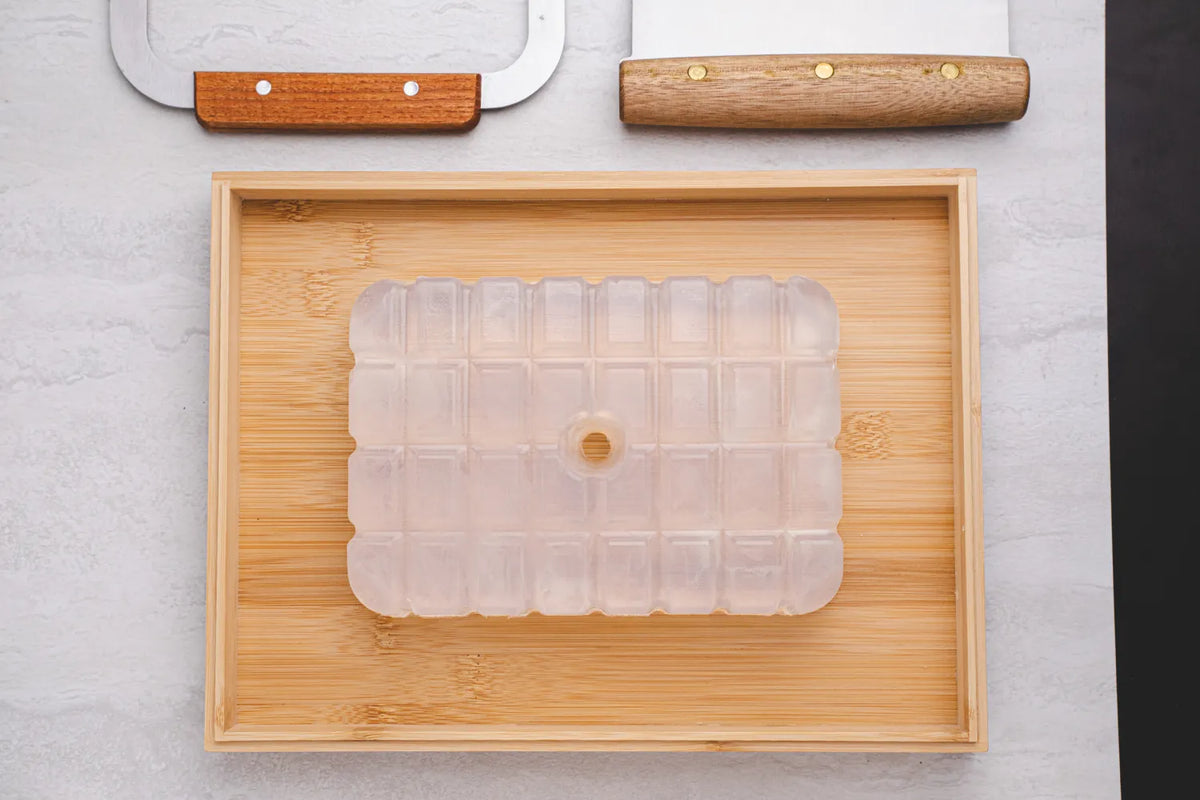
Cut your base into evenly sized cubes. Smaller pieces melt faster and more evenly.
-
Melt it slowly, either in a double boiler or short bursts in the microwave, stirring between each interval. Avoid boiling the base, which can affect how it sets.
-
Add color and fragrance once the base is fully melted and just starting to cool. Adding either while the base is too hot can burn off fragrance or shift how colorants perform. For colorant types and load rates, see How to Color Soap (Micas, Oxides & Clays).
-
Pour into your mold in a slow, steady stream to avoid trapping air.
-
Spritz the surface with isopropyl alcohol immediately after pouring. This breaks the surface tension and eliminates air bubbles before the soap sets.
-
Let the soap cool completely before unmolding, then wrap it to protect the finish until it's ready to sell.
Store finished bars in a cool, dry space away from direct sunlight. Proper storage protects color, scent, and surface finish, so the soap you sell looks the same on day thirty as it did the day you poured it.
FAQ
Here are quick, direct answers to the questions Makers ask most before placing their first melt and pour order.
What is the best melt and pour soap base for beginners?
White or clear base is the most practical starting point. Both are widely available, forgiving to melt, and simple to color, so you can practice technique before moving to specialty bases like goat milk or shea butter that require more attention to melting temperature and cure time.
Goat milk vs glycerin base?
Glycerin (clear) base is transparent and best for embeds and bold color work. Goat milk base is opaque and creamier, formulated for a softer feel and a moisturizing claim. Choose glycerin for visual designs and goat milk when skin feel and ingredient story matter most to your customer.
Is melt and pour soap good for your skin?
Yes. Melt and pour soap is fully saponified and gentle when formulated well. Skin feel depends on the specific base: goat milk, shea butter, and SLS-free bases are built for sensitive skin, while clear and white bases focus more on clarity and color performance than added conditioning.
Why is my MP soap sweating?
Sweating happens when glycerin in the base pulls moisture from humid air, forming beads on the surface. It's more common with standard clear and white bases in humid conditions. A low-sweat or hard base resists this, and storing finished soap wrapped in a cool, dry space helps too.
Ready to Order
Every base on this list is formulated for consistent, repeatable results, so you can build a process around it and trust the outcome batch after batch. WSP has supported Makers with reliable base formulas for more than 20 years, and that experience is built into every base you buy from us.
Shop WSP's full lineup of melt and pour soap bases and find the exact formula your project calls for.