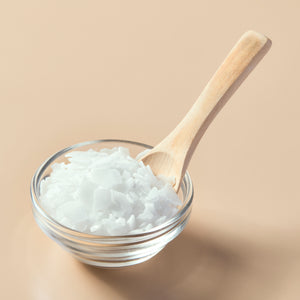
What does lye do to soap?
Lye is essential for the soap-making process, acting as a catalyst in saponification, which is the chemical reaction that transforms fats and oils into soap and glycerin. Without lye, this transformation cannot occur, meaning lye is fundamental in creating the cleansing and lathering properties we associate with soap. The role of lye in soap making is critical, as it directly influences the texture, clarity, and quality of the final product, making it indispensable for producing traditional lye soap.
What happens if you don't add enough lye to soap?
For soap making, it is important to use 100% pure sodium hydroxide lye. Sodium hydroxide lye is specifically used for making solid bar soaps, due to its ability to saponify fats and oils effectively. Insufficient lye can result in unsaponified oils, leading to a soap bar that is overly soft at best. While rebatching is an option to fix this issue, it can be quite tedious and time-consuming.
Is lye and sodium hydroxide the same?
Yes, lye and sodium hydroxide refer to the same chemical substance, with the chemical formula NaOH. Lye is the common name for sodium hydroxide when it is used in soap making and other cleaning products. It is a highly caustic base and alkali that is crucial for the saponification process in making solid soap bars, indicating its essential role in the transformation of oils into soap.
What are the side effects of sodium hydroxide in soap?
When sodium hydroxide lye is used correctly and fully reacts with the oils in soap making, it does not leave harmful residues in the finished product. However, if soap contains unreacted lye due to incorrect formulation, it can be harsh and potentially irritating to the skin, causing dryness or burns. It is paramount to follow precise recipes and saponification charts to ensure all the lye is consumed in the process, mitigating any potential side effects in the final lye soap.