The One Ingredient That Decides Whether Your Sensitive-Skin Line Actually Works
Neutral in scent and color, this ultra-refined shea delivers consistent performance across every product you make, from soap to balm to lotion, without the allergens and batch-to-batch chaos that comes with unrefined butter.


The batch you made for your sensitive-skin line unmolds soft when pressed, it gives instead of holding firm.
Soft, a little tacky, the same way it was last time. You followed the recipe exactly, same oils, same lye, same cure shelf by the window.
So you wait another week. Then another. The bar firms up a little, but never enough to feel like the professional product you set out to make.
And you're left wondering what you did wrong.
Why does the same recipe fail every batch?
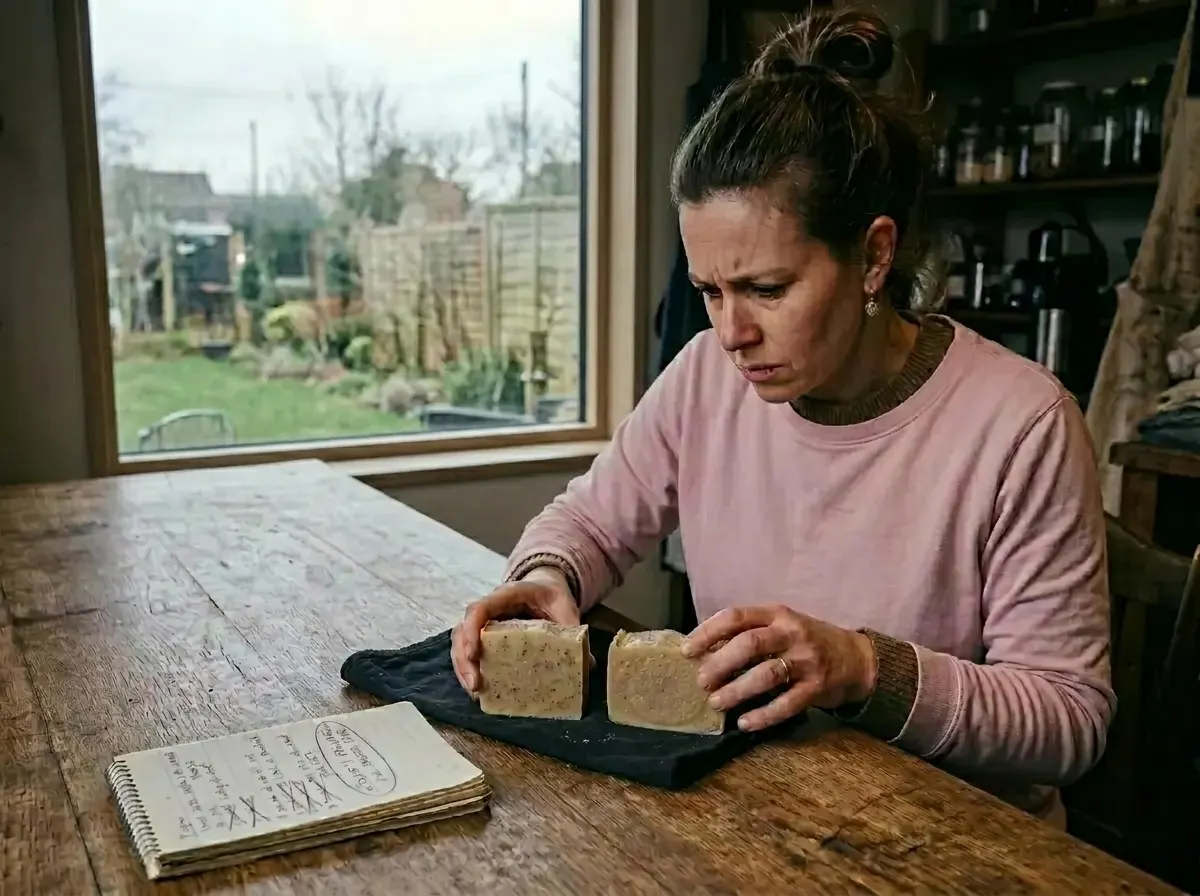
If you formulate for eczema or rosacea, you work with a tight ingredient set. You can't dump more ingredients to firm the bar up, every ingredient must stay gentle enough for skin that flares at the smallest thing.
So you troubleshoot the way makers do. You tweak our formula. You extend the cure. You swap suppliers.
Still the bars come out soft, or the lather goes thin, or a batch that worked in spring stops working in fall.
The frustrating part is that it isn't your technique. It's the butter itself, and most crafters never suspect it, because it's the one ingredient they assume is doing its job.
So, what's really keeping your bar soft?
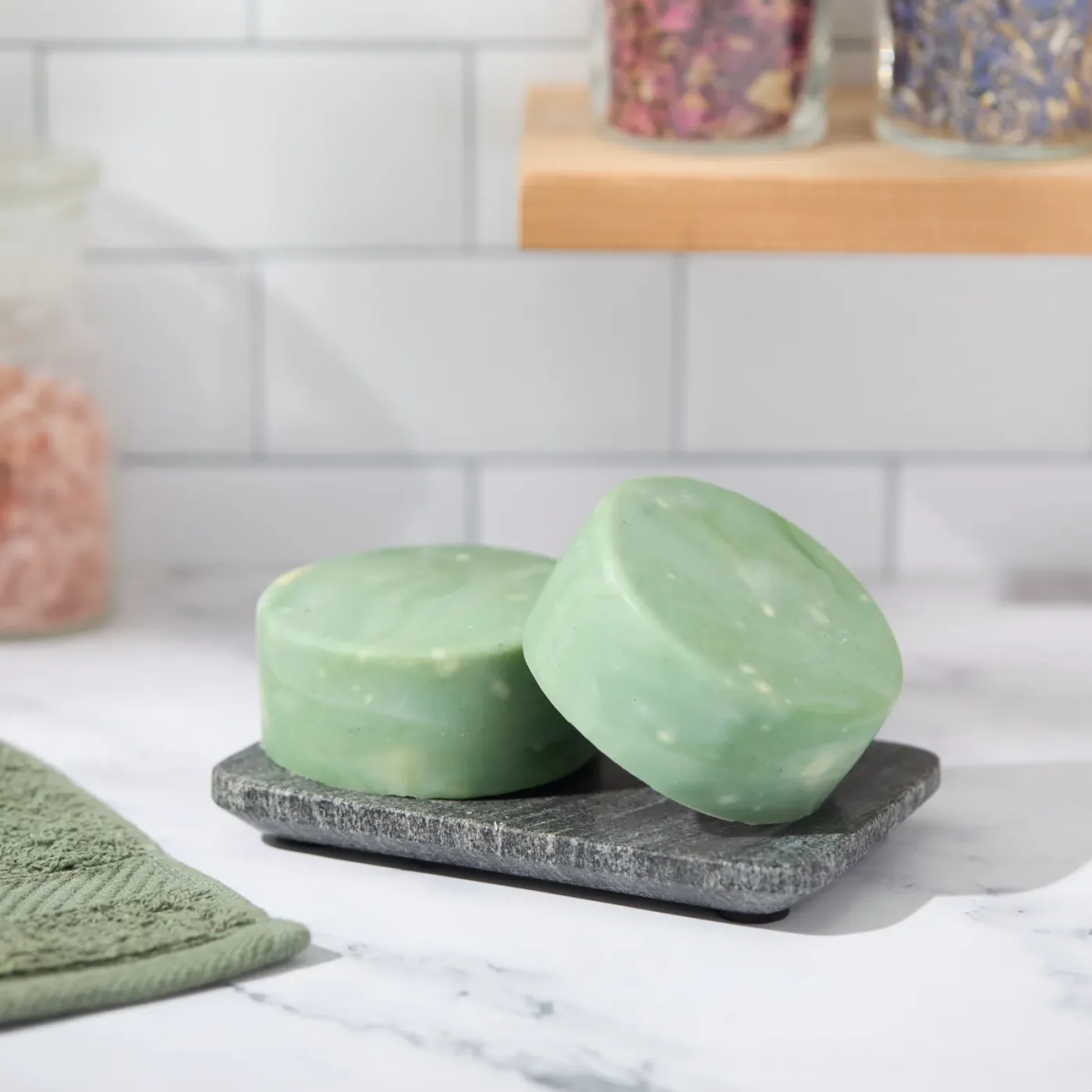
Raw, unrefined shea is unpredictable. From harvest to harvest, it carries different amounts of plant matter, gums, and unfiltered bits.
Crafters call this the hidden filler problem, you think you're adding pure butter, but part of every scoop is inconsistent leftover material.
Those leftovers don't harden. They stay soft and greasy, and they change from batch to batch. That's why the same recipe firms up one month and slumps the next.
Worse, that same leftover plant matter is where the natural allergens and irritants hide. For skin that's already reacting, it's exactly what you're trying to keep out.
Refining is simply the step that removes it. The question is whether it removes enough.
What does the filtering actually strip out?
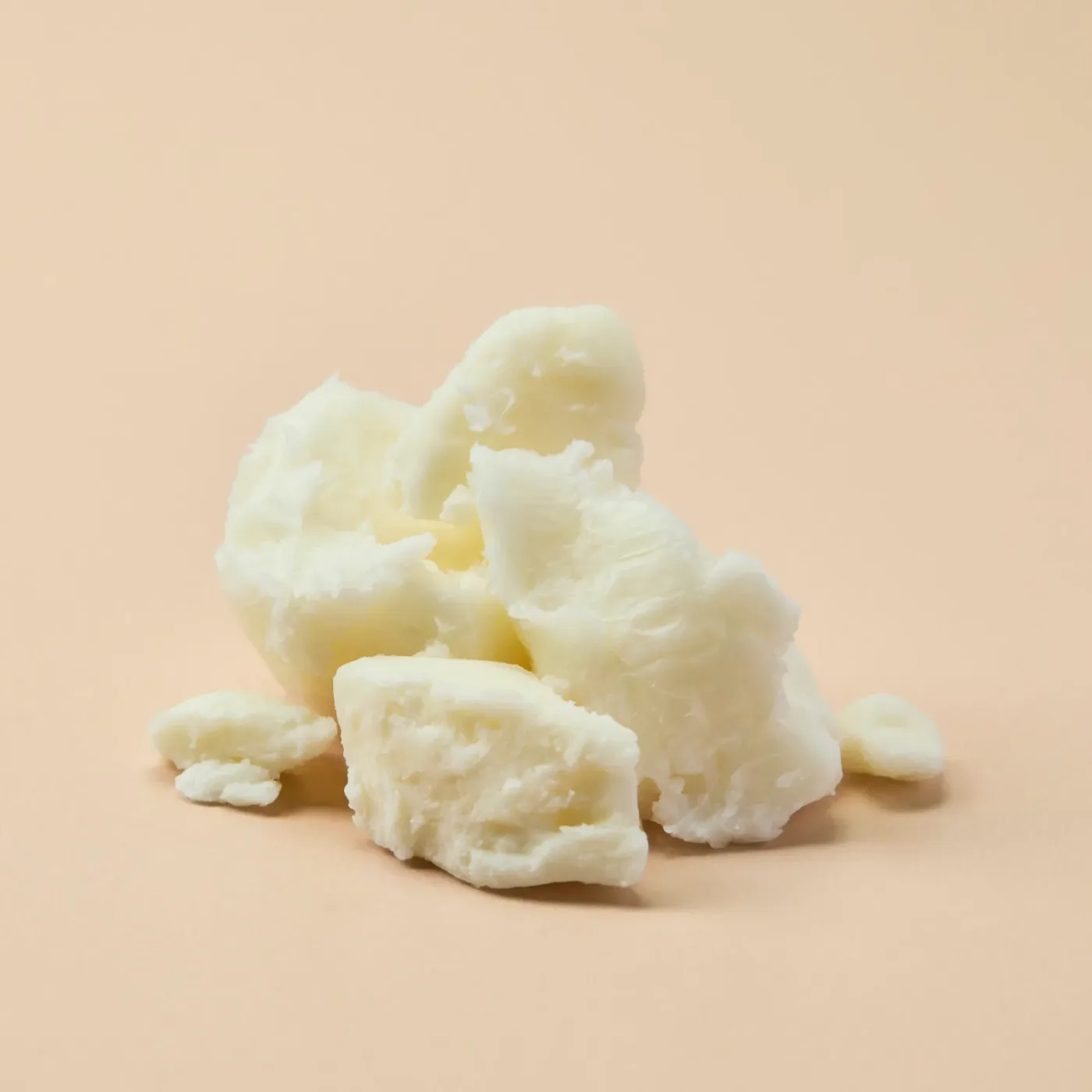
Shea Butter - Ultra Refined answers this directly. It's Ghana-sourced shea run through advanced filtration that pulls out the plant matter, gums, and residue that make unrefined butter soft, smelly, and unpredictable.
What's left is clean butter. It melts with a neutral scent, so it won't clash with the calming oils in a rosacea balm or tint a lotion you meant to keep pale.
For your soap, that consistency is the whole point. The same butter, batch after batch, means a bar that hardens on schedule and gives a creamy, stable lather instead of a thin one.
And because the refining strips the plant residue where allergens travel, it answers the worry that follows every sensitive-skin maker: is this gentle enough? Rich in the fatty acids skin drinks up, non-comedogenic so it won't clog pores, it's built for exactly the faces you formulate for.
What can one neutral base actually do?
Most makers keep three or four butters on the shelf, one per product line. A neutral, consistent base collapses that shelf into a single ingredient that behaves the same across soap, lotion, and balm.
What's behind the label?
There's exactly one ingredient here, and that's the point. No blends, no additives, no mystery, just shea run through a filtration step that decides everything about how it performs on sensitive skin.
Why makers keep coming back to it
 1
1
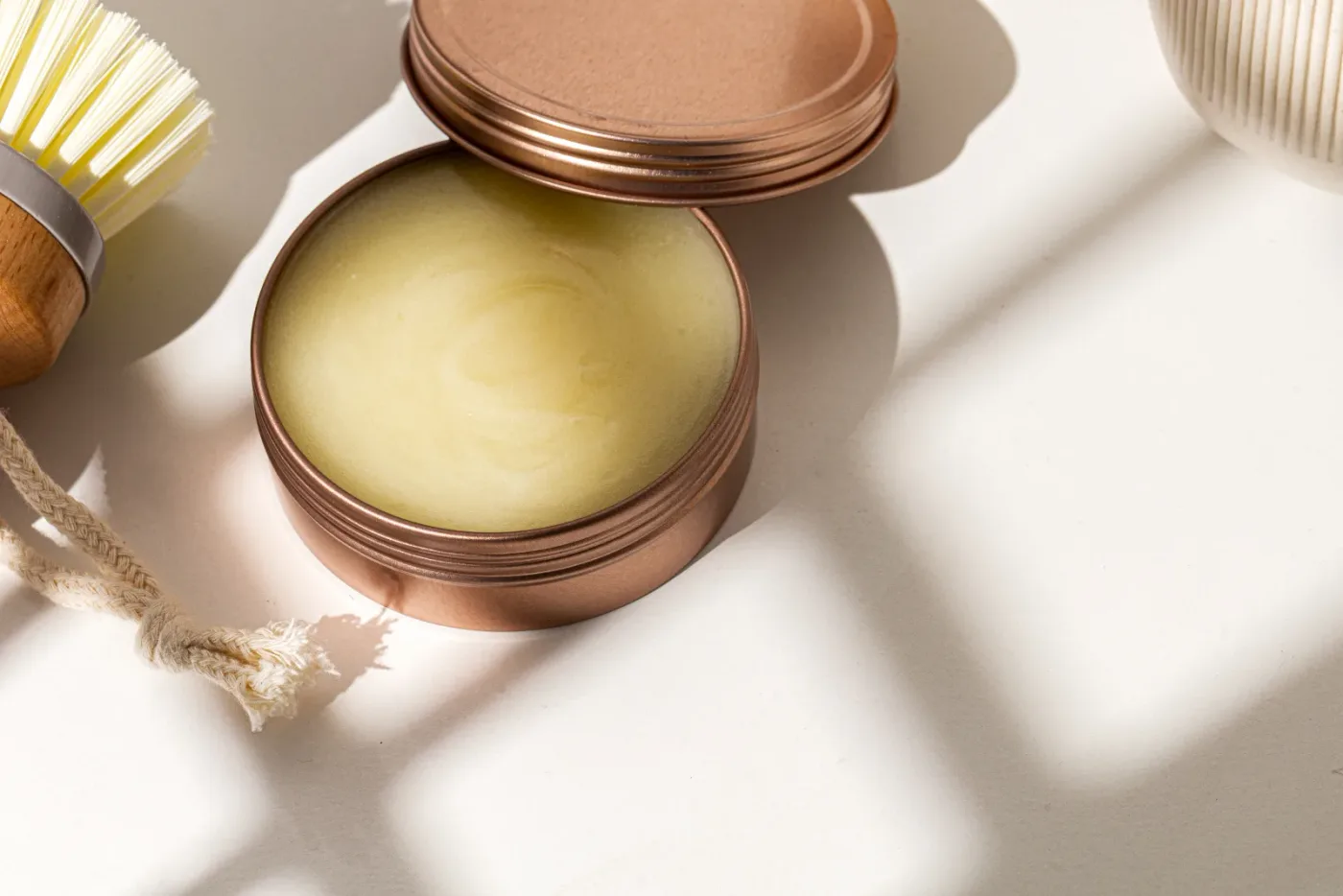
Advanced filtration removes irritants unrefined versions retain
Unrefined shea butter contains natural proteins, latex, and plant debris that trigger reactions in compromised skin. Ultra-refined versions use advanced filtration to strip these allergens away, leaving behind pure fatty acids. For formulators working with eczema and rosacea clients, this distinction matters: the refined version performs consistently without the itch-inducing compounds.
 2
2
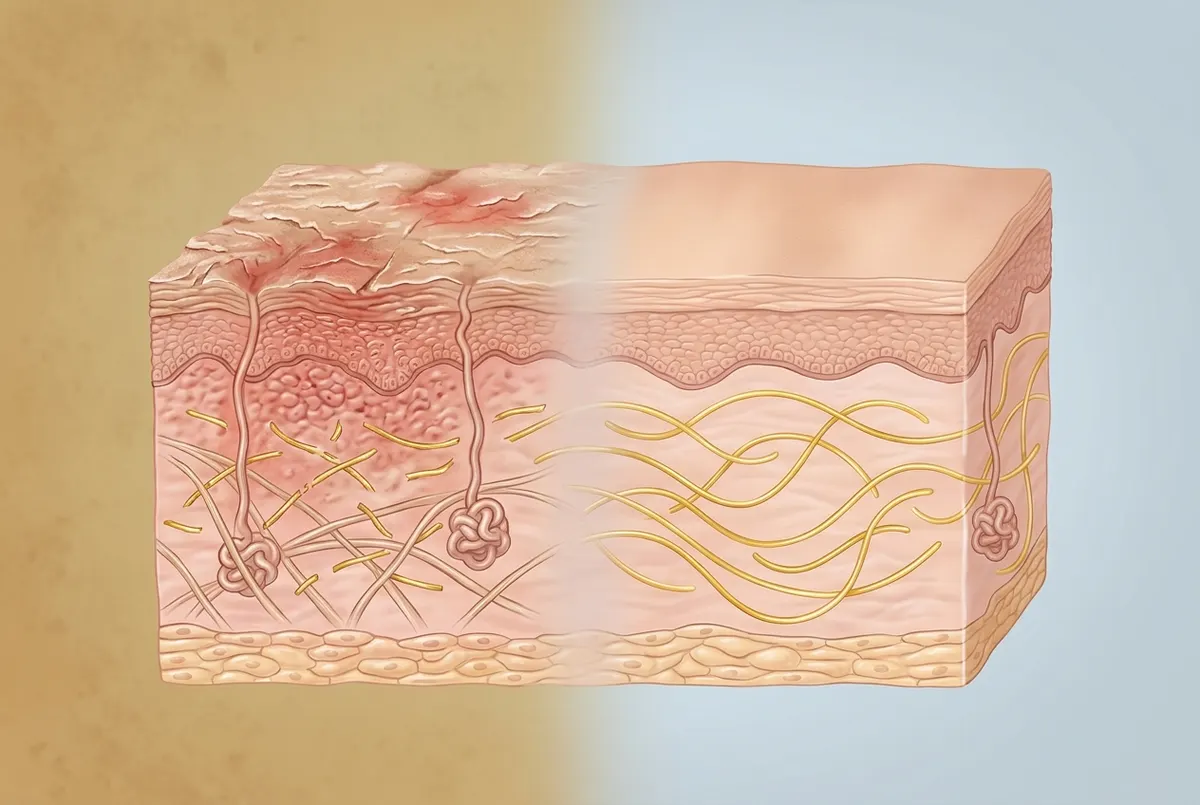
Non-comedogenic formula won't compromise sensitive skin formulations
Refined shea butter's non-comedogenic rating means it absorbs into compromised skin without blocking pores, critical when formulating for acne-prone or reactive clients. The ultra-refined white version offers a consistent, predictable base across lotions, creams, and serums. This consistency reduces the risk of unexpected irritation when customers switch between products in a line.
 3
3
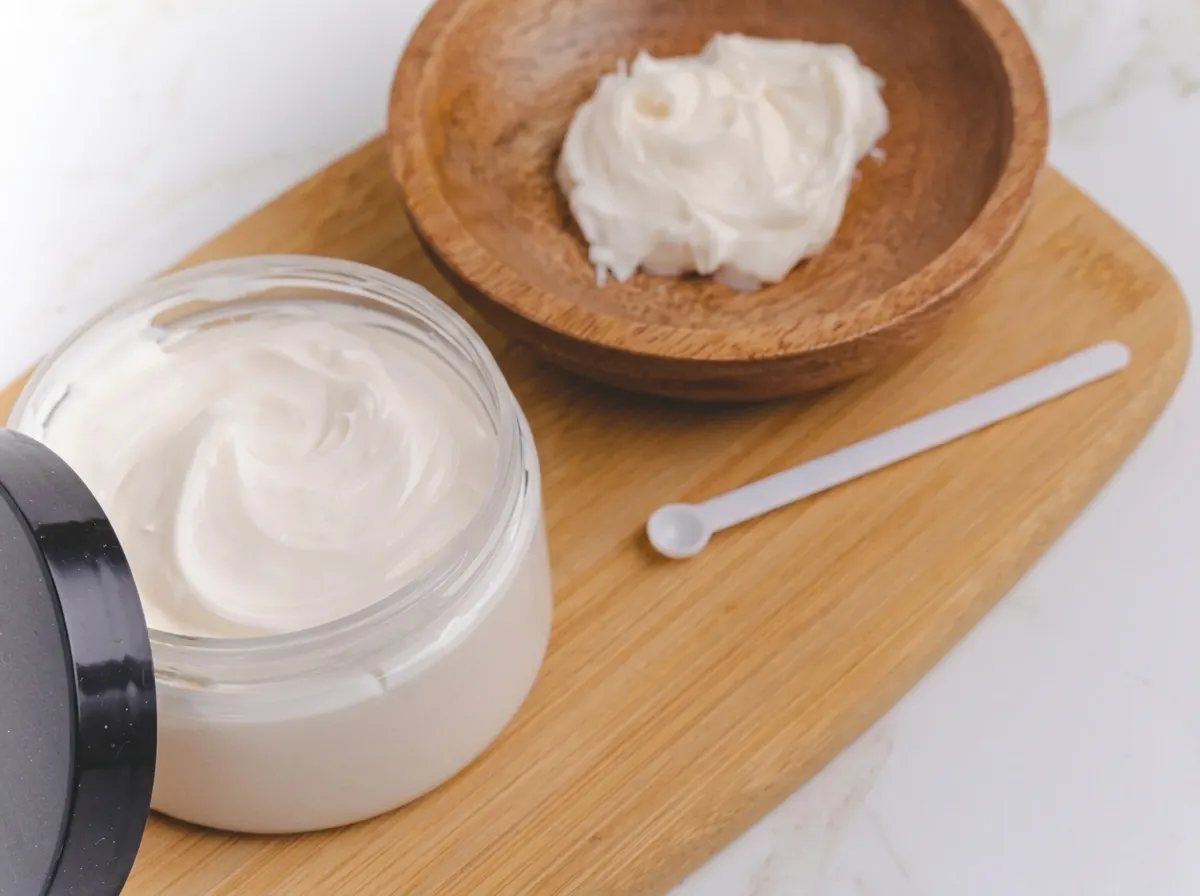
Essential fatty acids deliver hydration without greasiness
Shea butter's linoleic, oleic, and stearic acids penetrate the skin barrier and restore moisture without leaving a heavy residue, a critical balance for eczema formulations. These fatty acids comprise roughly 50% of refined shea butter's composition, making deep hydration consistent across every batch sourced from Ghana. Formulators report that clients experience relief from itching within days of regular use.
 4
4
Neutral scent and white color work seamlessly across product types
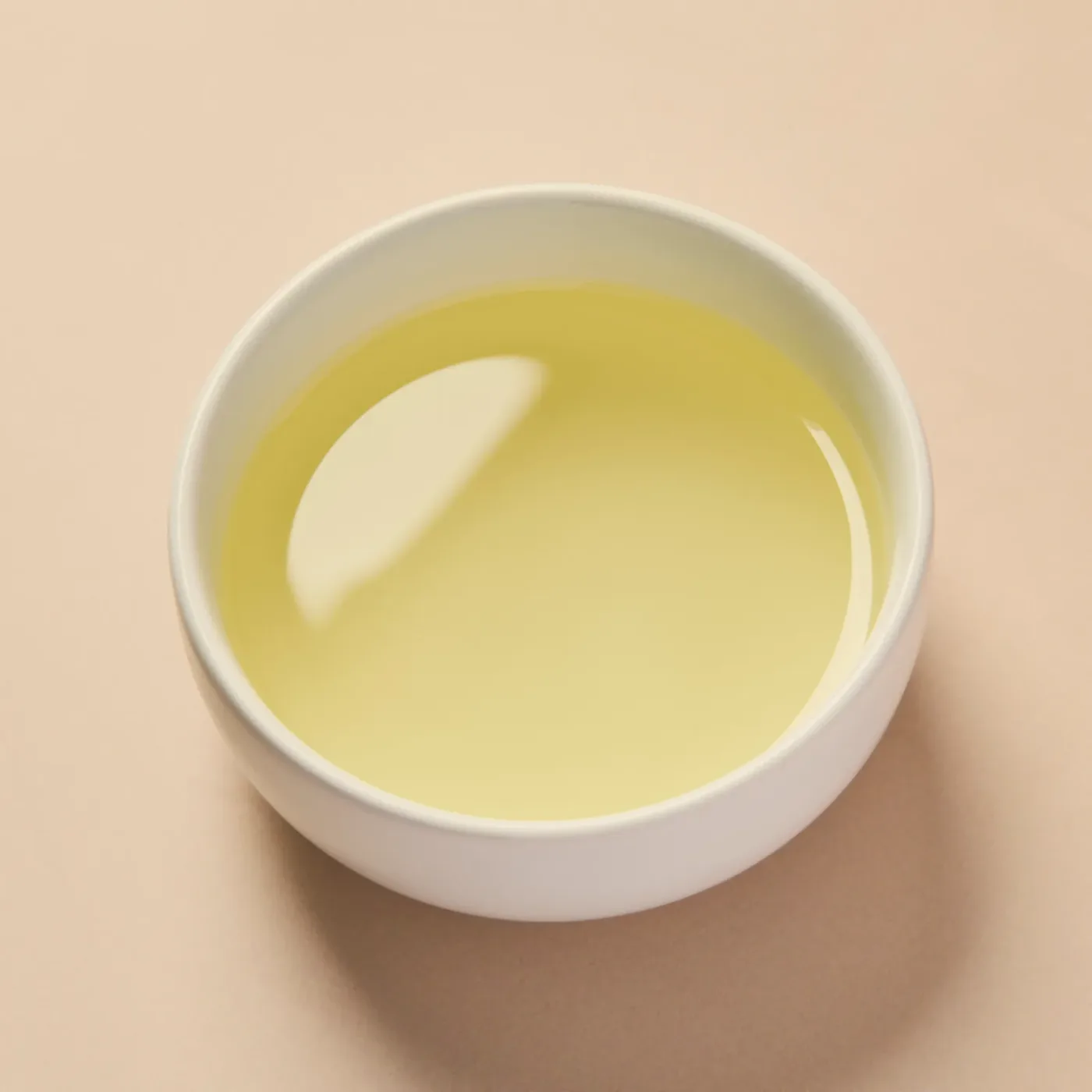
The ultra-refined white appearance and odorless profile mean this shea butter doesn't compete with essential oils or fragrance in finished products. Formulators can use the same base across cold-process soaps, whipped body butters, lip balms, and creams without reformulating or masking unwanted scent. This versatility simplifies inventory and reduces complexity when managing a multi-product line for sensitive skin.
 5
5
One-year shelf life and Ghana sourcing ensure consistent batch quality
Shea butter sourced from Ghana maintains stable properties for a full year when stored properly, giving formulators confidence in consistent performance across production runs. This reliability is essential when clients depend on eczema-relief formulations, a batch-to-batch variation could trigger unexpected reactions. Knowing the source and shelf life window removes uncertainty from ingredient sourcing decisions.
What are people saying about Shea Butter - Ultra Refined?
Across 1,684 customer ratings, the same themes surface again and again, consistency batch to batch, a clean neutral base, and skin-soothing performance that holds up in finished products.
How long until you notice a difference?
The change shows up in your process before it shows up in your inventory. Here's roughly what a maker switching over should expect from the first melt to the fully cured bar.
How does it stack up?
The choice between unrefined and ultra-refined isn't about which is more natural, it's about which one behaves the same way every time you formulate for reactive skin.
- Minimal filtration leaves trace impurities
- Inconsistent color batch to batch
- Often retains slight nutty odor
- Higher comedogenic rating for face
- Generic sourcing, no traceability
- Shorter 6-8 month shelf life
- Advanced filtration removes all impurities
- Ultra-refined pure white color
- Completely odorless neutral base
- Non-comedogenic, safe for facial use
- Ghana sourced with quality verification
- Full 1-year shelf life guaranteed
Get Shea Butter - Ultra Refined
What makers ask before they switch
The questions makers raise before switching a base butter tend to cluster: does refining really pull the allergens? Will bulk buying tie up too much cash? And will it throw off a product line that already works?
Use a base you can trust