One White Base Powers Five Different Products
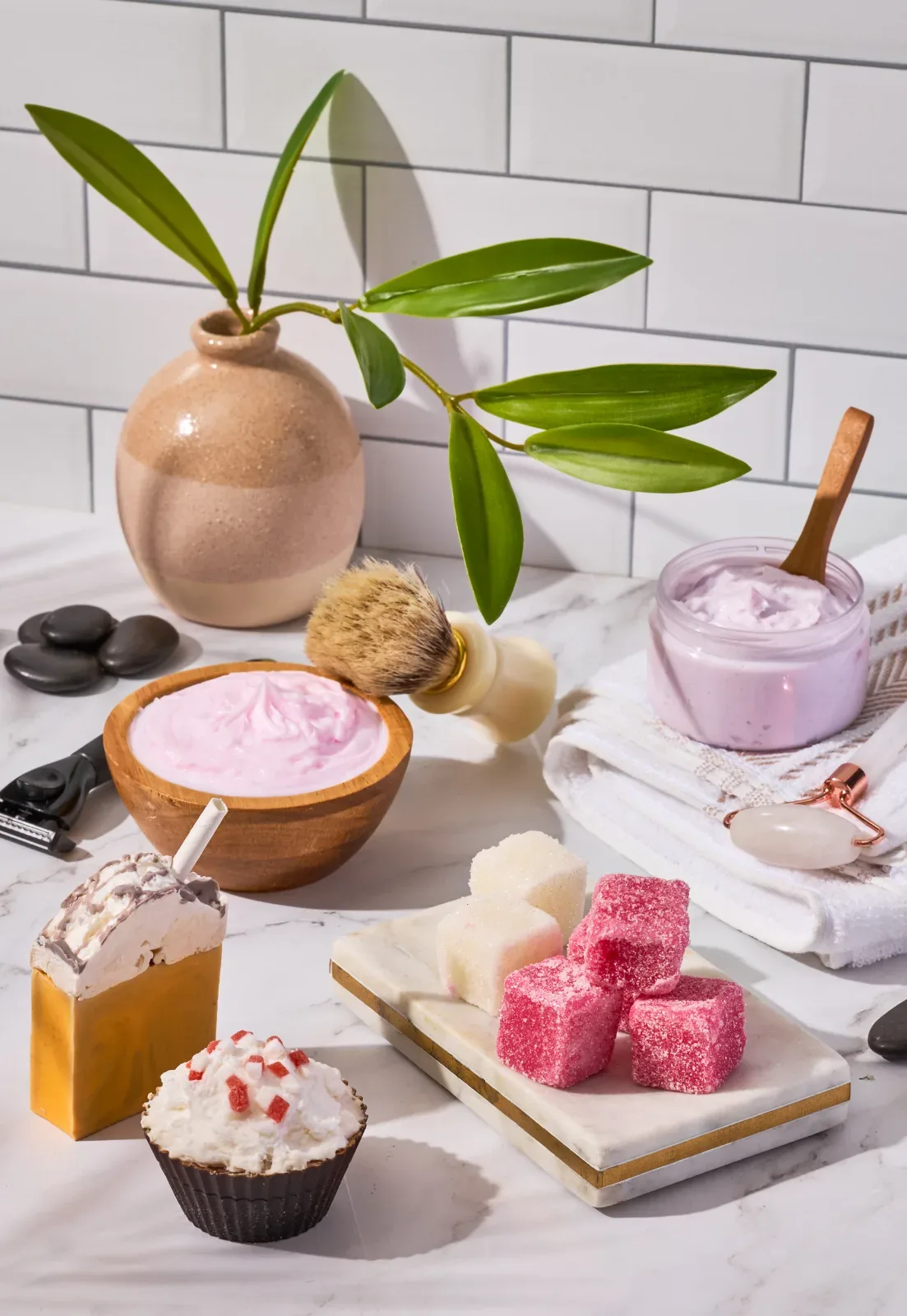
The same neutral, pre-formulated base whips into sugar scrubs, shaving cream, bath frosting, and whipped soap. A maker can grow their SKU count without stockpiling a new base for each one, and buy it in bulk as they scale.

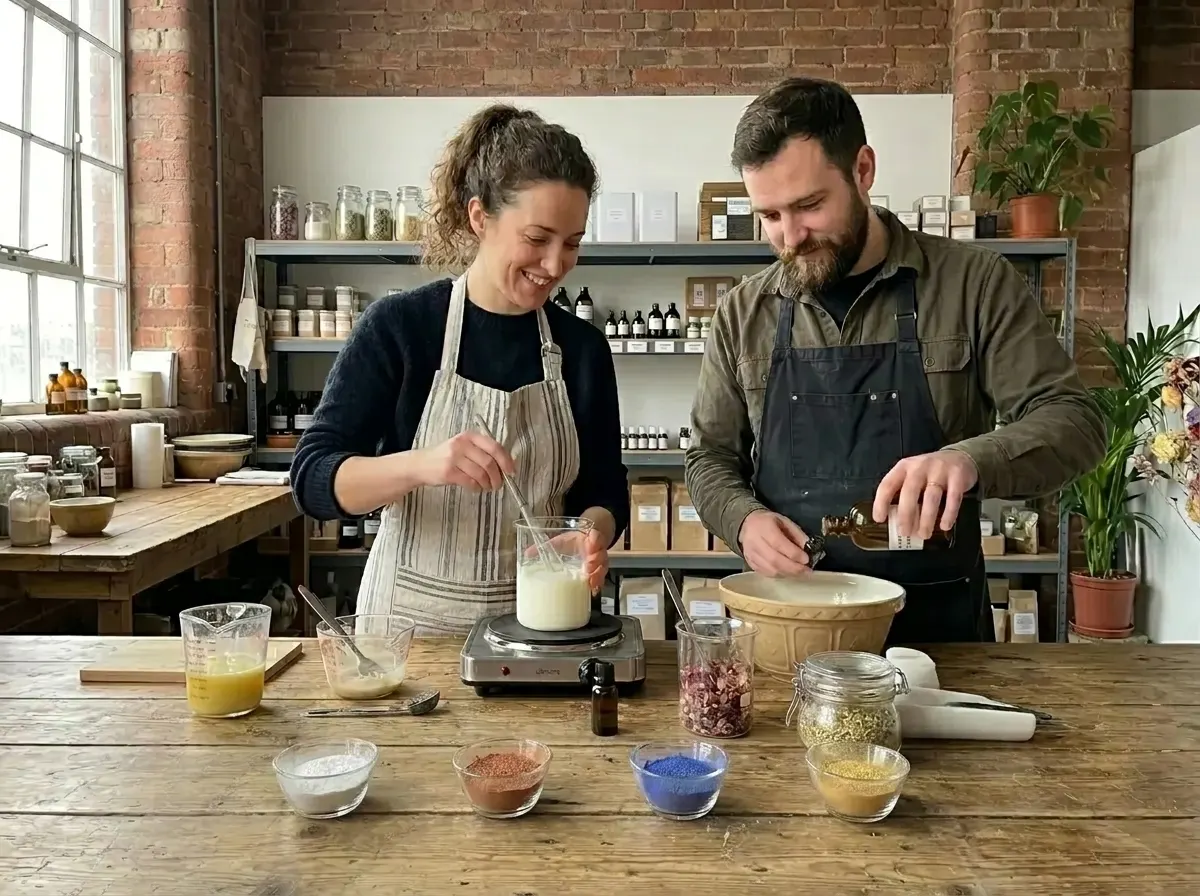
You've got three products in your line. A sugar scrub, a whipped soap, maybe a shaving cream. And three separate bases sitting on the shelf to make them, three things to reorder, three things to run out of, three recipes to keep straight before a market weekend.
A customer at your booth asks if you make body mousse. Somebody online wants a bath frosting. Each new idea means formulating another SKU from scratch or sourcing another base, and hoping it plays nice with the scents you already carry.
So the line stays small. Not because you're out of ideas, you have a notebook full of them. It's the setup behind every new product that keeps you boxed into the same handful of SKUs you started with.
What if the thing standing between you and five products was really just one tub?
How many SKUs can one base really carry?

When you're running two or three products at markets and online, every new idea means a new base to source, a new recipe to create, and a new process to learn. So the good ideas stall. You stick with what you know.
The real limit isn't your equipment or your fragrance inventory. It's that you're storing separate bases for every product type, each one its own reorder cycle and workflow, and each new SKU means another thing to learn and warehouse.
So your line stays small while the maker at the next booth over keeps adding variety. Not because they're working harder. Because one base is quietly doing four jobs for them, and yours isn't.
So, how many products can one base make?

Here's what most makers miss when they're stuck at two or three SKUs. It isn't a shelf space problem or a scent problem. It's that every new product means a new base to source, learn, and store.
Most makers source separate bases for different product categories, a bar soap differs from a scrub foundation, which differs from a shaving cream. A separate starting point for scrubs, another for shaving cream, another for whipped soap, each one its own order and its own workflow.
This particular whipped base handles multiple product types without much reformulation. The same fluffy base that holds air for a bath frosting also carries sugar for a scrub, thickens into a shaving cream, and whips up as a stand-alone whipped soap.
So the real unlock isn't adding more bases. It's one base that quietly becomes four, a whole product line built from a single thing you already know how to whip.
Can one base really carry a whole product line?
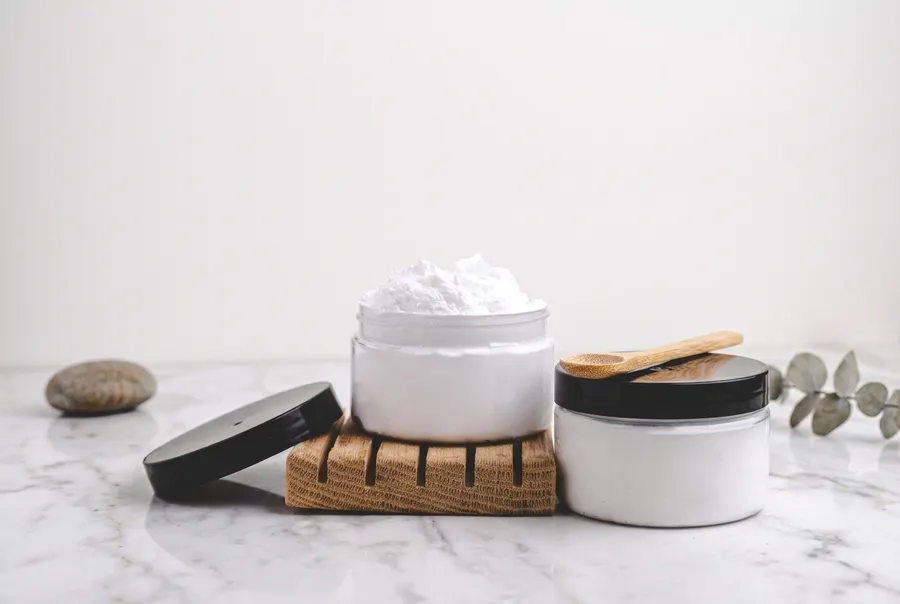
Here's the unlock. The Foaming Bath Whip - Traditional is one neutral base that becomes many different products, depending only on what you whip into it.
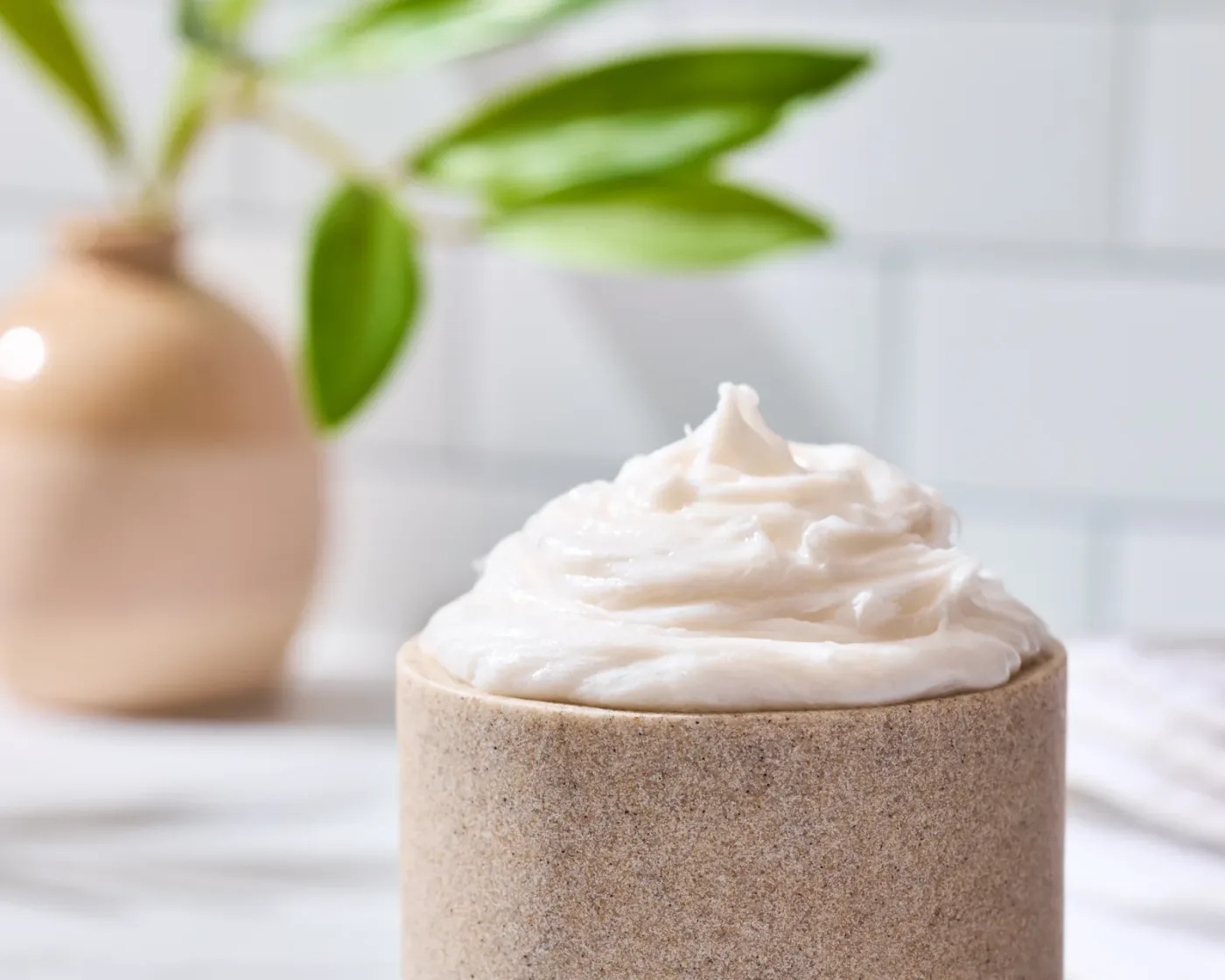
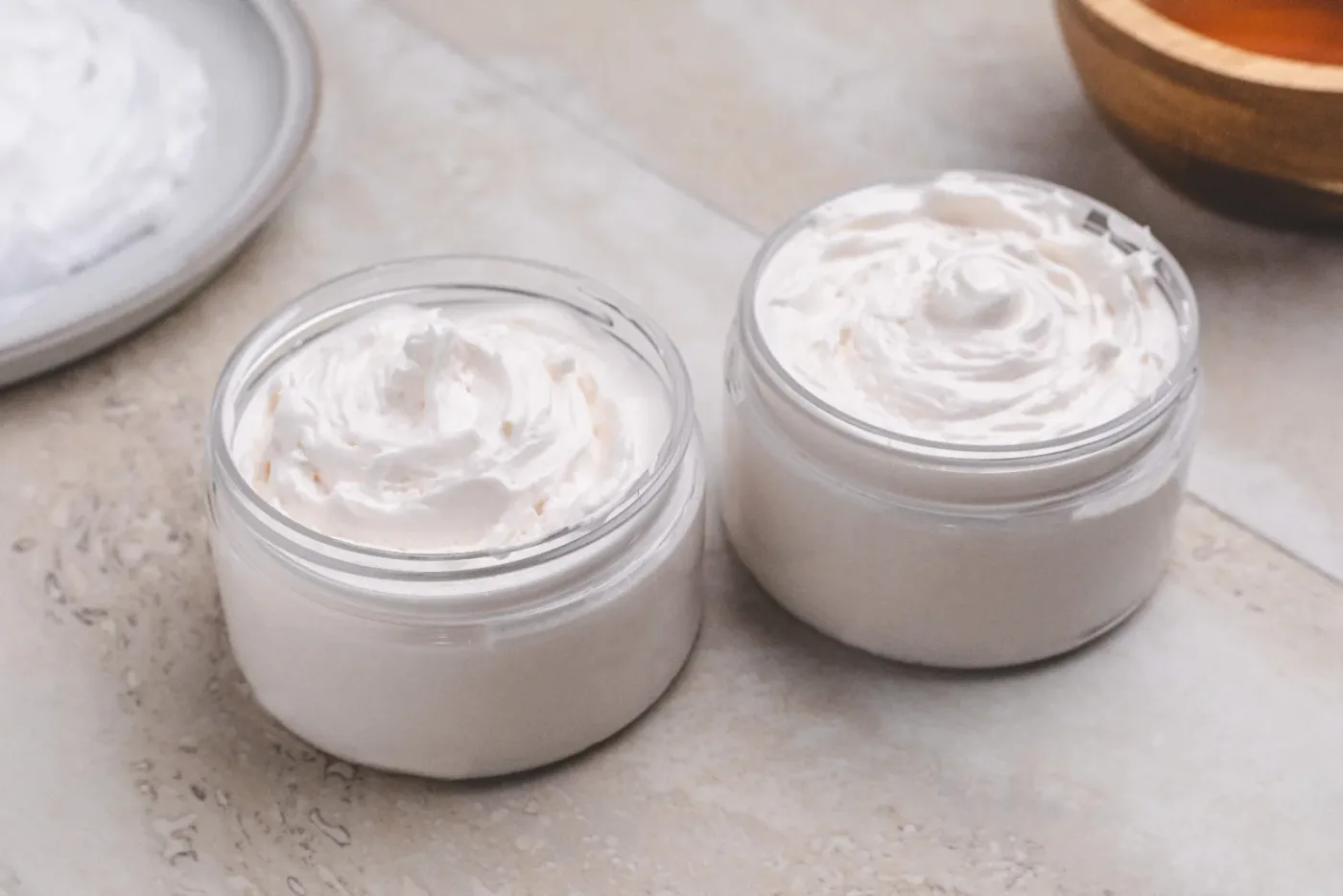
Scoop it at room temperature and whip. It doubles in volume, holds that air on its own, and lands as a light, mousse-like fluff that stands apart from bar soap or body wash on a shelf.
Because it's bright white and odor-free, your scent and color go in clean, nothing fighting your fragrance, nothing muddying your branding. That same blank canvas turns into sugar scrubs, shaving creams, bath frostings, and whipped soaps. Four finished SKUs, one base.
For a maker with two or three products at markets, that's real range with almost no added work, and because it comes in bulk sizes, the per-pound cost drops sharply as you scale the whole line off a single tub.
What does a reliable base actually give you?
Consistency is the headline, but it isn't the only thing a pre-blended base changes about a maker's workflow. Here's what shifts once the base stops being the variable.
Why are makers loving it?
These are the practical specs behind a whip that stands up.
Why makers keep coming back to it
 1
1
One base powers scrubs, shaving creams, frostings, and soaps
Most makers source separate bases for different product categories. A scrub foundation differs from a shaving cream, which differs from a whipped soap. This single pre-formulated surfactant blend (sodium cocoyl isethionate and disodium lauryl sulfosuccinate) whips into scrubs, shaving creams, bath frostings, and whipped soaps without reformulation. A maker with 2-3 SKUs can expand to 5-6 product types using the same base, multiplying SKU variety and shelf presence without sourcing new ingredients or relearning production workflows.
 2
2
Room temperature means no heating delays or equipment strain
Heating and melting requirements lock makers into multi-step workflows and tie up equipment between batches. This pre-formulated base is ready to whip at room temperature, no melting, no heating step, no cooling delays. A maker scaling from weekend market sales to consistent online orders can turn around batches faster and run multiple production cycles in a single session without waiting for equipment between runs.
 3
3
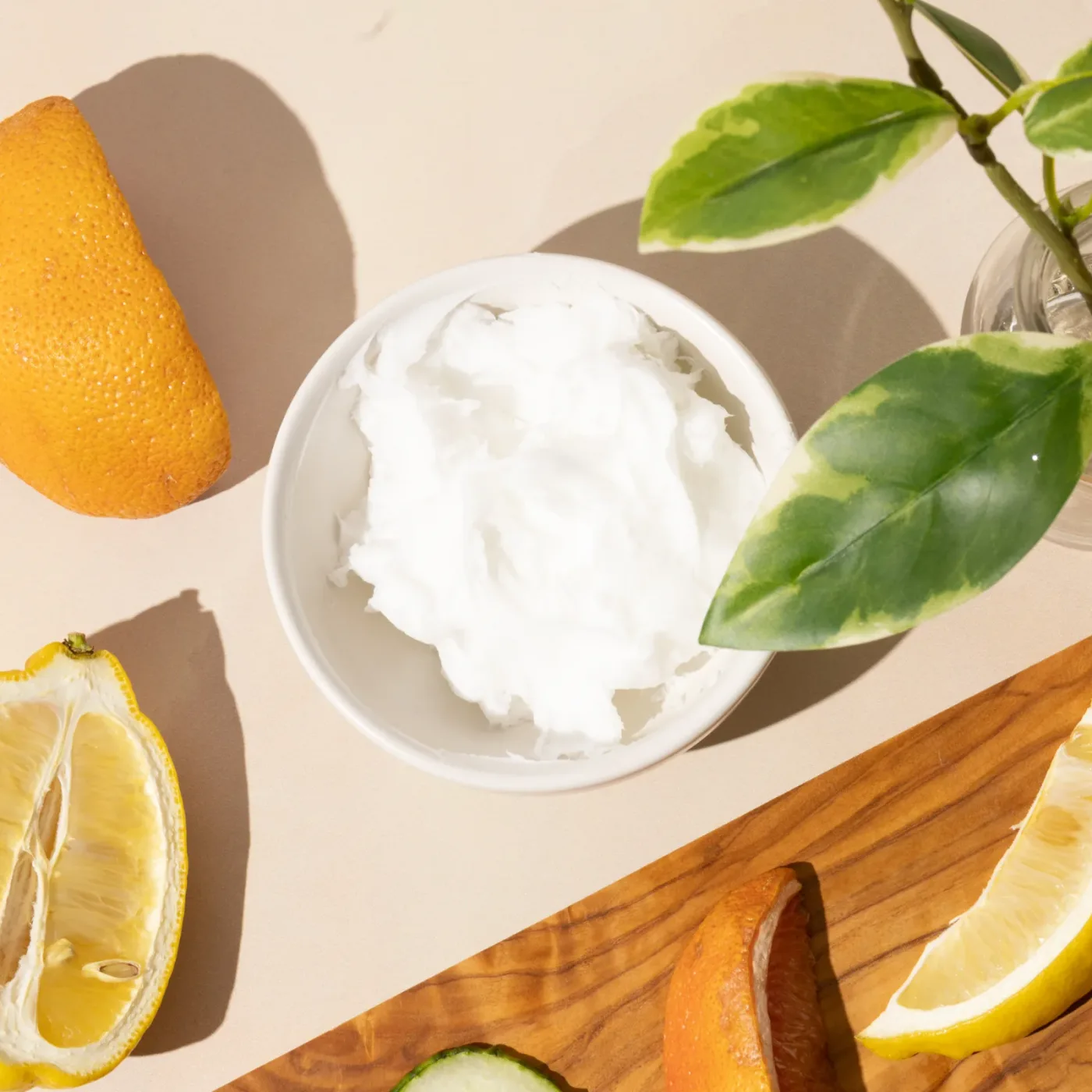
Bulk purchasing of one ingredient simplifies scaling and forecasting
 4
4
Bright white blank canvas keeps every product batch on-brand
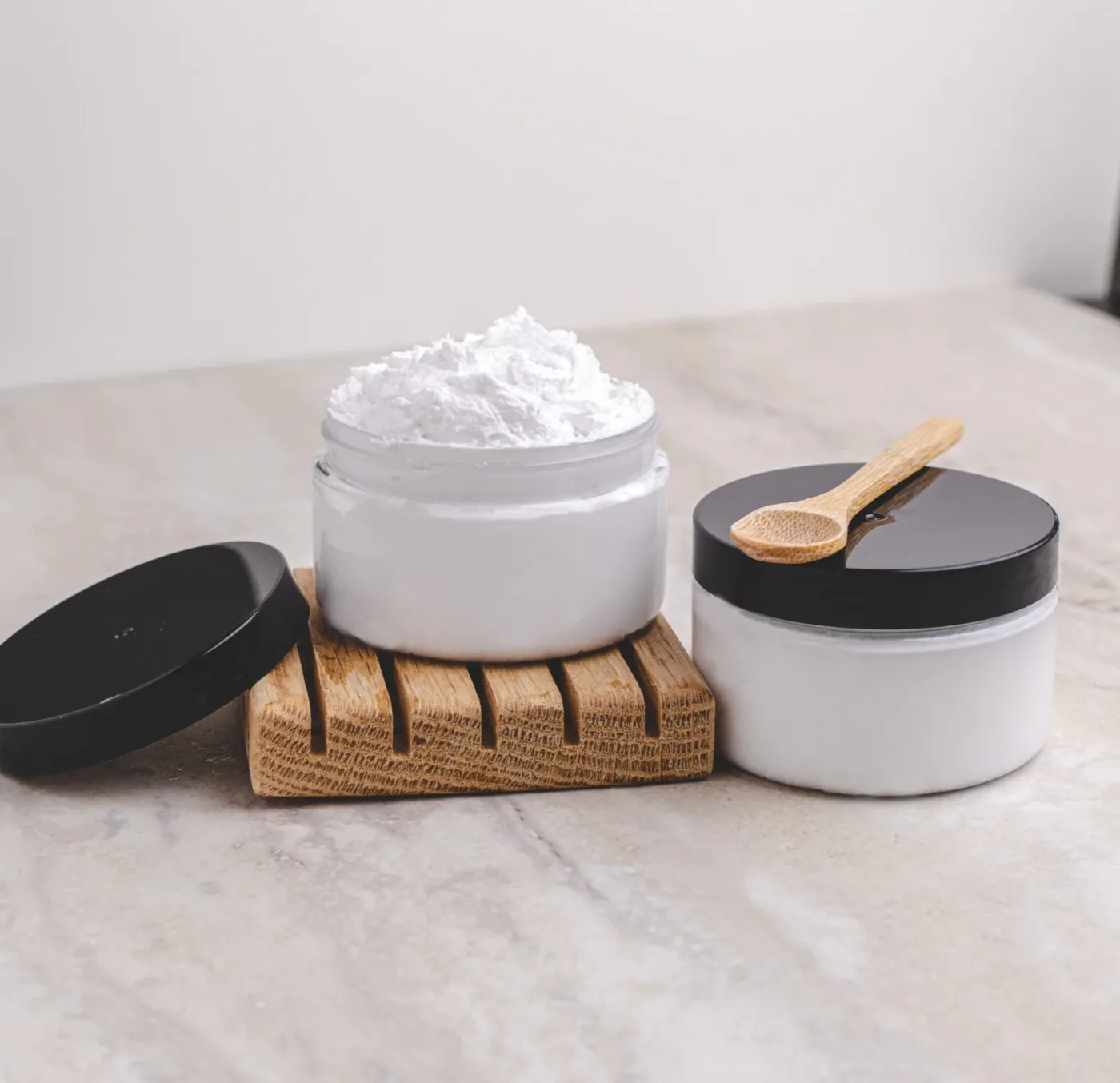
A colored or scent-forward base forces makers to work around it, limiting custom color and fragrance options. This bright white, odor-free formula stays neutral across all five finished product types, so a maker's signature scent blends, jewel tones, pastels, or product-specific colors read true in scrubs, shaving creams, frostings, and soaps. Every batch carries the same neutral foundation, ensuring consistency in branding across your expanded SKU range without formula surprises.
 5
5
Whipped texture doubles volume, stretching ingredient margins across all product types
Liquid cleansers don't expand during production. This lightweight base whips to a mousse-like texture that visibly doubles in volume, creating more finished product from the same ingredient weight. Whether a maker is producing scrubs, shaving cream, bath frosting, or whipped soap, that density shift multiplies per-unit yields without sacrificing skin feel. For makers scaling production and seeking margin improvement across a growing product line, the volume gain compounds quickly.
What do Foaming Bath Whip - Traditional customers say?
A base earns trust in the studio, not on a spec sheet. Here's what makers scaling their own product lines have to say after running batch after batch through it.
How quickly do results show up?
Switching a base mid-line feels risky, so it helps to know what the first few batches actually look like, from the first test whip to a settled, repeatable production run.
How does it actually compare?
Building from raw surfactants and starting from a pre-blended base can both make a whipped product. Where they part ways is time, consistency, and how much of your day the base steals. Here's the side by side.
- Require heating to 160–180°F
- Cloudy or off-white appearance
- Inconsistent batch-to-batch texture
- Deflate quickly after whipping
- Need trial-and-error blending ratios
- Room temperature ready-to-whip
- Bright white customization canvas
- Pre-formulated consistent batches
- Holds air and doubles volume
- No heating step saves production time
Get Started Today
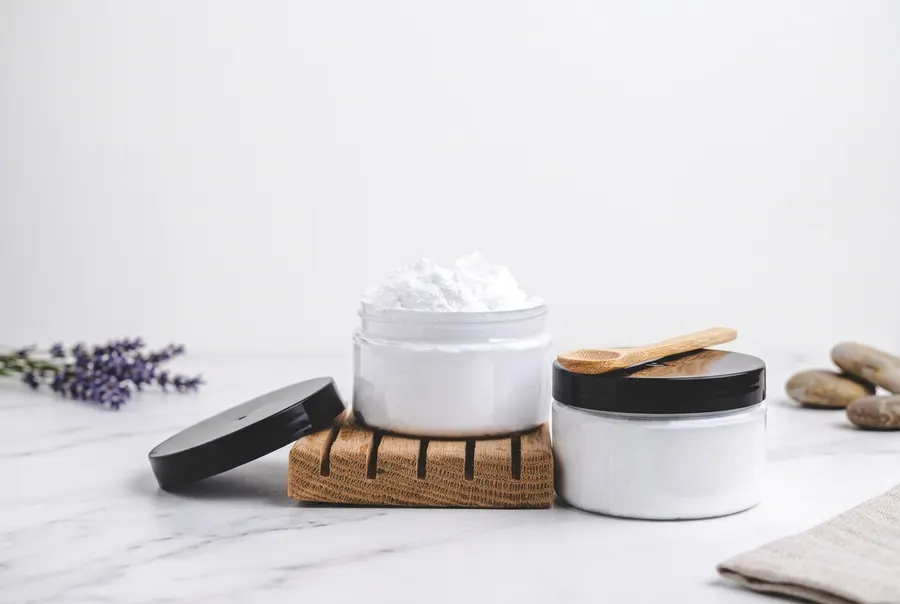
Questions makers ask before switching
Before committing a product line to a new base, makers tend to ask the same practical things: will it deflate without additives? Does the price hold up in bulk? Will one tub match the next? Here are the straight answers.
Whip your next batch with a base you can trust