How to Make Beeswax Soap
Learning to make beeswax soap is a rewarding way to create a more durable, moisturizing soap bar. Beeswax, known for its ability to create more complex bars, pairs perfectly with rich oils and other ingredients for a luxurious soap on the skin. This guide will take you through crafting a cold-process soap that combines beeswax with other nourishing elements. Adding beeswax to your soap recipes offers several unique advantages:
- Longer-Lasting Bars: Beeswax helps create harder bars of soap that don’t dissolve as quickly, making them ideal for daily use.
- Moisturizing Properties: It forms a natural barrier on the skin, sealing in moisture and leaving your skin feeling soft.
- Mild Scent: Beeswax's natural, subtle aroma complements other scents like honey fragrance or essential oils.
- Beeswax: Use small amounts to avoid making the soap too brittle.
- Coconut Oil: Adds cleansing power and helps the soap lather.
- Sweet Almond Oil: Contributes to a smooth, moisturizing finish.
- Shea Butter: Provides richness and creaminess.
- Sodium Hydroxide (Lye): Necessary for the saponification process.
- Distilled Water: Ensures a pure lye solution.
- Honey: Optional to complement the beeswax with a touch of sweetness.
- Fragrance Oils or Essential Oils: To enhance the soap, choose your favorite scents, such as lavender or honey.
- Rubber Gloves and Safety Goggles: Essential for handling sodium hydroxide.
- Heat-Resistant Containers: For mixing oils and the lye solution.
- Digital Scale: For precise measurements.
- Stick Blender: To blend the oils and beeswax with the lye water until it reaches trace.
- Soap Molds: For shaping your bars of soap.
- Mix the Lye Solution: Carefully pour the lye into distilled water, stirring until fully dissolved. Let it cool to a safe temperature.
- Melt the Oils and Beeswax: Combine beeswax, coconut oil, shea butter, and sweet almond oil in a heat-safe container. Warm the mixture gently until the beeswax is melted and everything is fully blended.
- Combine Lye Water and Oils: Once the lye water and melted oils are both around 110°F, slowly pour the lye mixture into the oils while stirring continuously.
- Blend to Trace: Use a stick blender to mix until you reach a light trace—the mixture will resemble a thin pudding.
- Add Fragrance and Honey: Stir in honey and your chosen essential oil or fragrance oils for a rich, natural scent.
- Pour into Molds: Transfer the soap mixture into your molds, smoothing the top.
- Let It Set: Allow the soap to harden for 24 to 48 hours before removing from the mold.
- Enhance with Essential Oils: Add oils like eucalyptus or tea tree for a fresh scent.
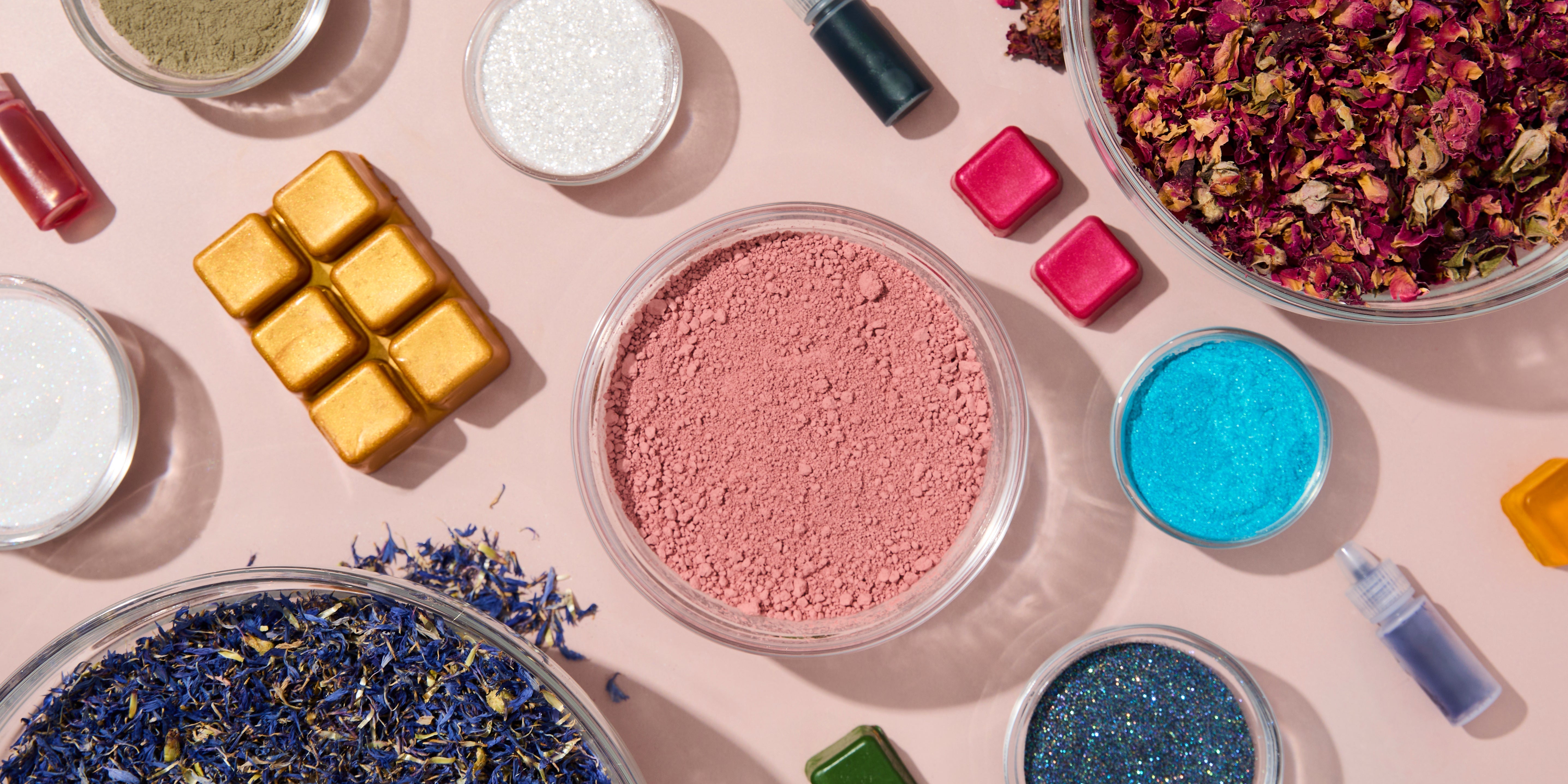
- Natural Colorants: Use ingredients like turmeric or activated charcoal for a natural tint.
- Include Honey: Soap with honey pairs beautifully with beeswax, adding extra moisture.
- Overheating Beeswax: Melt beeswax slowly to prevent scorching, as burnt beeswax can alter the soap's scent.
- Too Much Beeswax: Using too much can make the bars brittle. Stick to small amounts to keep your soap firm yet smooth.
- Inaccurate Temperatures: Before combining, make sure your lye solution and oils are at similar temperatures (around 110°F).
- Not Using Safety Gear: Always wear rubber gloves and safety goggles when working with sodium hydroxide.