How to Make Conditioner Bars: English Tea Rose Solid Conditioner Recipe for Silky Hair
Why Conditioner Bars Are Trending in DIY Hair Care
Solid conditioner bars have quickly become one of the most popular products among makers. They tend to be top sellers because customers love the compact, travel-friendly, and sustainable nature of the product.
But beyond sustainability, conditioner bars offer something even more appealing: customization.
That’s exactly why recipes like the English Tea Rose Conditioner Bar are so popular, they balance simplicity with luxurious results.
What Makes a Conditioner Bar Work?
Unlike soap bars, conditioner bars aren’t created through saponification. Instead, they rely on conditioning emulsifiers and nourishing ingredients that coat the hair shaft and help smooth the cuticle.
The core ingredients typically include:
Conditioning Emulsifier (BTMS)
BTMS (Behentrimonium Methosulfate) is the star ingredient in most conditioner bars. Despite the intimidating name, it’s a gentle conditioning agent derived from rapeseed oil.
BTMS helps:
- Detangle hair
- Reduce static and frizz
- Improve softness and slip
- Emulsify oils into a smooth bar
It’s the ingredient responsible for that silky, salon-quality feel.
Nourishing Butters and Oils
Conditioner bars typically include a blend of lightweight oils and rich butters to nourish hair without weighing it down.
Common ingredients include:
These ingredients help lock in moisture while adding shine and softness.
A signature scent can turn a simple conditioner bar into a memorable product.
For this recipe, English Tea Rose Fragrance Oil creates a soft floral aroma that feels elegant and timeless. It’s the kind of scent that makes a routine shower feel like a small luxury.
The English Tea Rose Conditioner Bar
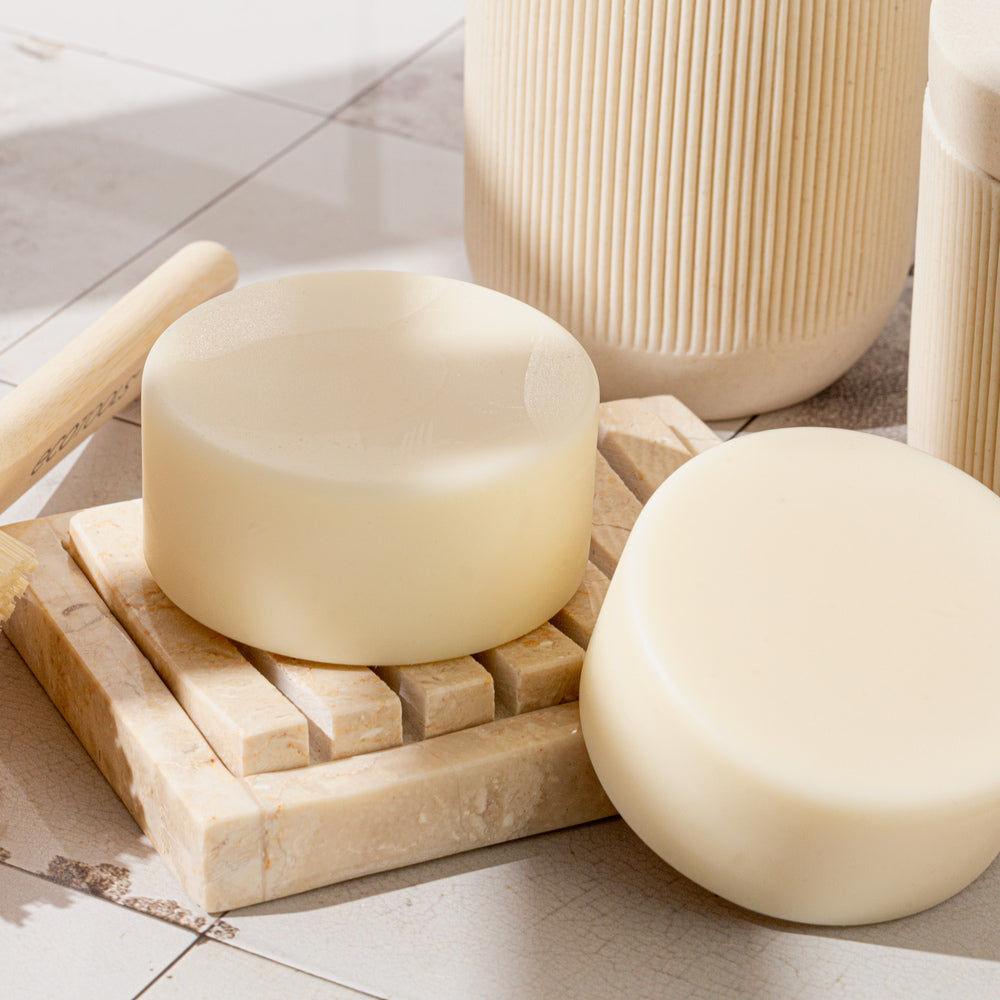
This recipe creates a solid conditioner bar that melts easily when rubbed between wet hands or directly onto hair.
The result is a creamy conditioner that rinses clean while leaving hair smooth and lightly scented.
Why This Recipe Works
This formula balances conditioning ingredients with oils that nourish without heaviness. The combination creates a bar that:
- Softens hair
- Improves manageability
- Leaves a silky finish
- Provides a beautiful floral scent
It’s beginner-friendly but also flexible enough for experienced formulators who want to experiment.
How to Make Conditioner Bars
One of the best parts of making conditioner bars is how simple the process is. If you’ve made bath bombs or lotion bars before, the workflow will feel familiar.
Step 1: Melt the Base Ingredients
Combine the BTMS, butters, and oils in a heat-safe container.
Gently heat using a double boiler until everything is fully melted.
Step 2: Add Fragrance and Additives
Once the mixture is melted and smooth, remove from heat.
Allow it to cool slightly before adding:
- Fragrance oil
- Optional additives like panthenol or proteins
Mix thoroughly to ensure even distribution.
Step 3: Pour Into Molds
Pour the liquid mixture into silicone molds.
Molds designed for lotion bars or shampoo bars work perfectly for conditioner bars as well.
Step 4: Let the Bars Harden
Allow the bars to cool and harden completely. This usually takes a few hours at room temperature.
Once solid, simply unmold and store in a dry place.
How to Use a Conditioner Bar
Using a conditioner bar is simple.
After shampooing:
- Rub the bar between wet hands or directly onto hair.
- Work the conditioner through mid-lengths and ends.
- Leave on for a minute or two.
-
Rinse thoroughly.
The bar will slowly soften with water, releasing conditioning ingredients that coat the hair.
Why Makers Love Conditioner Bars
Conditioner bars are one of those products that check every box.
They’re:
- Beginner-friendly
- Cost-effective to produce
- Travel-friendly
- Plastic-free
- Highly customizable
For hobbyists, they’re a fun way to experiment with hair care formulation.
For small businesses, they offer a high-value product that stands out at markets and online shops.
Ingredient Experimentation Ideas
Once you’re comfortable with the base formula, you can start customizing your bars.
Try experimenting with:
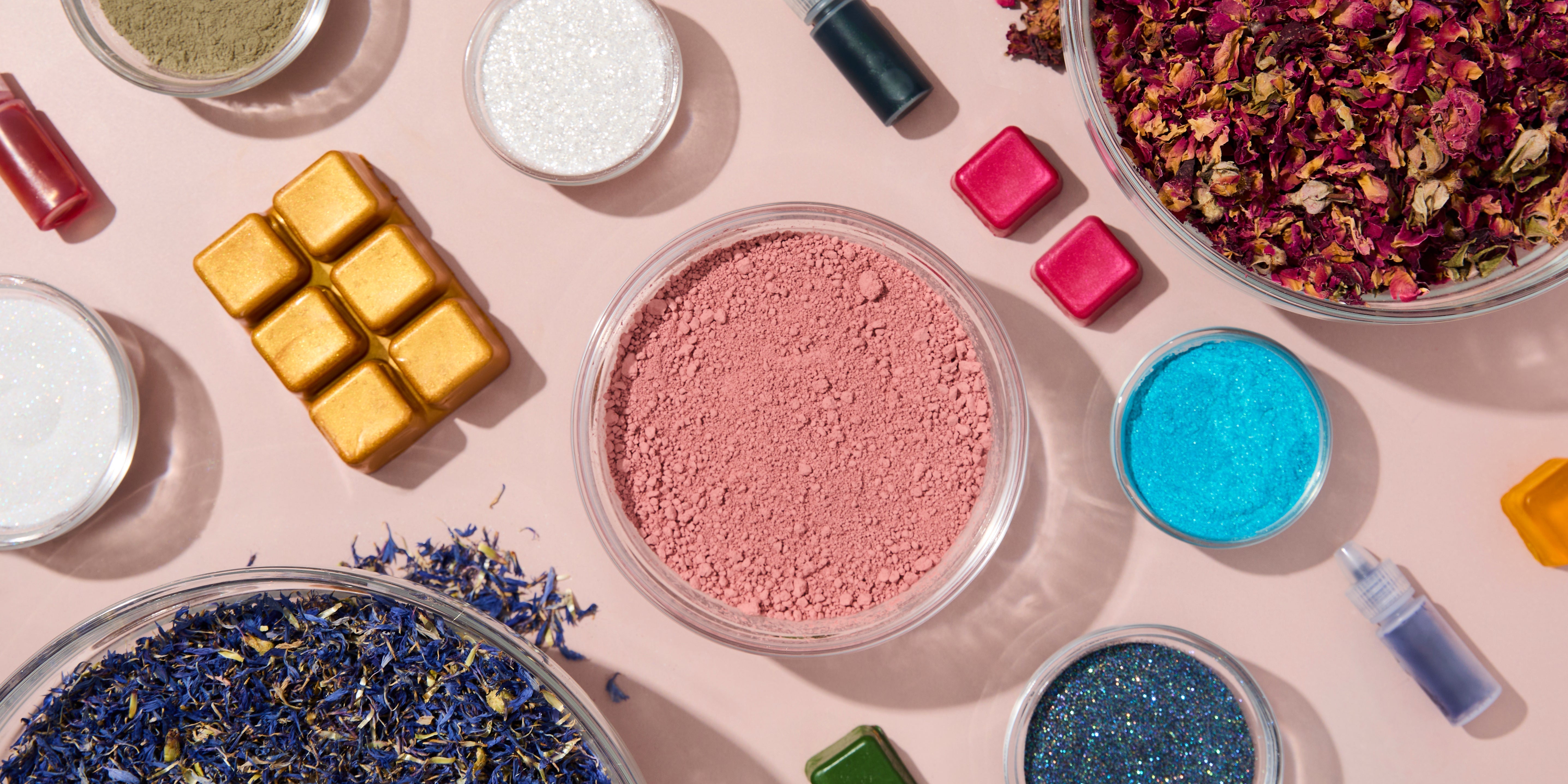
Botanical Additives
Oils for Different Hair Types
-
Argan oil for shine
-
Jojoba oil for lightweight moisture
- Castor oil for thicker hair
Fragrance Variations
Small adjustments can completely transform the final product.
Why Makers Source Ingredients Carefully
The quality of your ingredients directly impacts the final result of your conditioner bar.
Reliable suppliers provide:
- Consistent ingredient quality
- Clear product documentation
- Helpful formulation resources
For makers, having a trusted supplier means spending less time troubleshooting and more time creating.
That’s why many makers rely on organized, well-documented supply sources that make it easy to find everything needed in one place.
Ready to Try the Recipe?
If you’re looking for a beginner-friendly solid conditioner recipe, the English Tea Rose Conditioner Bar is a fantastic starting point.
It’s simple, elegant, and easily customizable.
Experimenting with DIY hair care for fun or exploring new product ideas for your shop, conditioner bars are a rewarding place to start.
And once you make your first batch, don’t be surprised if they become a permanent part of your product lineup.