Why Aloe Vera Gel Is Trending in DIY Skincare and How Makers Are Using It
Why Aloe Vera Is Trending Again
Some ingredients never truly go out of style. Aloe vera is one of them.
What’s different now is how makers are using it.
Instead of being limited to after-sun gels, aloe has become a versatile ingredient in modern bath and body formulations.
Search interest for aloe ingredients has been rising because makers want skincare that feels:
-
lightweight
-
soothing
-
hydrating
-
skin friendly
Aloe checks all those boxes.
It delivers hydration without heaviness, which makes it a perfect ingredient for modern skincare products.
What Aloe Vera Gel Actually Does in Formulations
Aloe vera gel is primarily known for its soothing and moisturizing properties.
But for makers, its value goes beyond that.
In formulations, aloe can help:
- provide hydration
- add slip to lotions and gels
- create lightweight skin feel
- support soothing skincare products
This makes aloe a useful ingredient across multiple product types.
Where Makers Use Aloe the Most
Aloe’s flexibility is what makes it so appealing to DIY formulators.
Here are some of the most common ways makers incorporate aloe into their products.
One of the easiest ways to use aloe is in lotion recipes.
It can replace part of the distilled water in a formula, giving the lotion an added skin-soothing component.
Makers often combine aloe with:
The result is a lotion that feels light, refreshing, and hydrating.
Aloe in After-Sun Products
This is the classic use most people recognize.
Aloe helps soothe skin after sun exposure and works well in cooling gels and sprays.
Many makers combine aloe with:
These ingredients create refreshing products that are especially popular during warmer months.
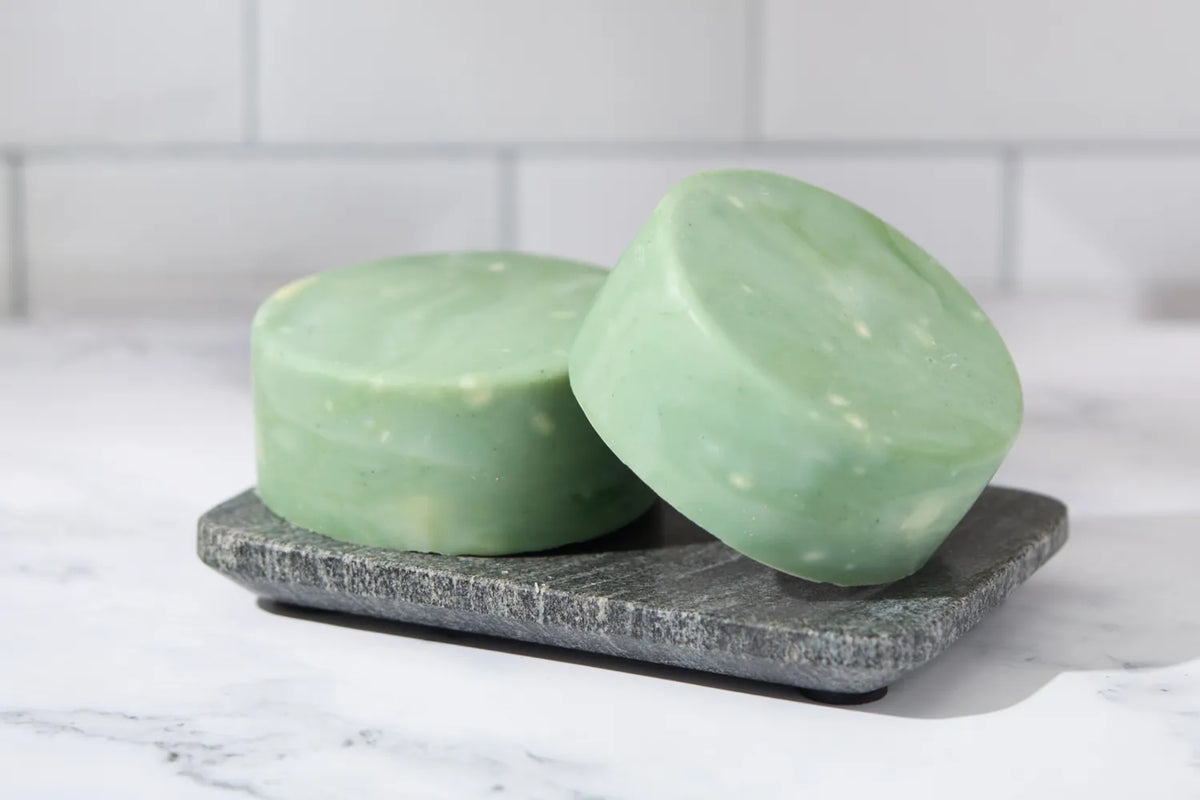
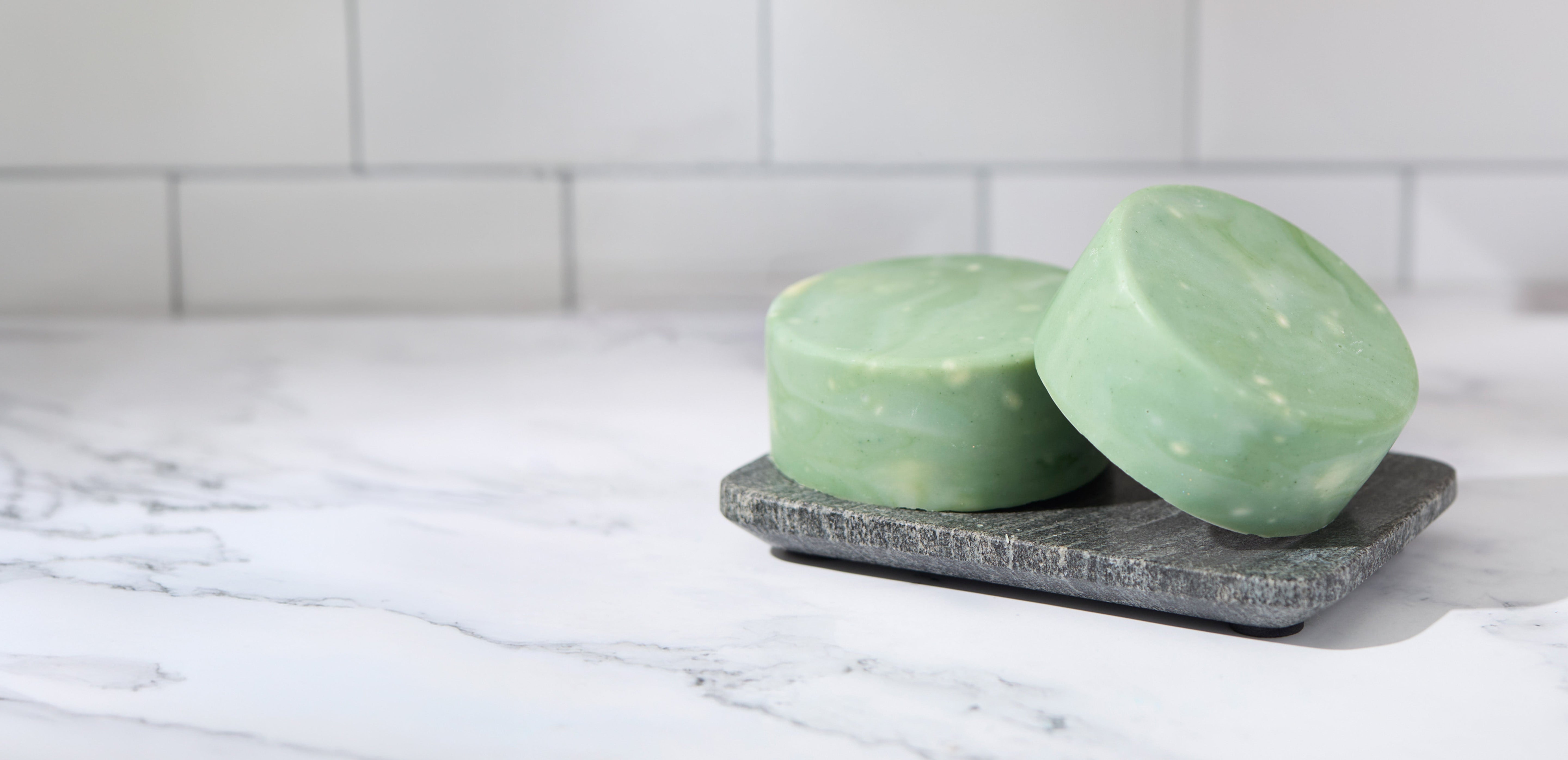
Soap makers often experiment with aloe as a liquid replacement.
Aloe can be added to melt and pour soap or incorporated into cold process formulations.
This gives soap a more skin-loving profile while still maintaining a clean lather.
Aloe in Facial Skincare
Many DIY formulators are exploring aloe in lightweight skincare products such as:
-
facial gels
-
hydrating serums
-
calming skincare formulas
Because aloe absorbs quickly, it pairs well with ingredients like:
These combinations create modern skincare formulas that feel fresh rather than heavy.
Why Makers Love Aloe Vera Gel
From a formulation standpoint, aloe has a lot going for it.
It is:
-
versatile
-
easy to work with
-
compatible with many ingredients
-
appealing to customers seeking gentle skincare
For beginners, aloe offers a simple way to experiment with skincare formulations.
For experienced makers, it provides a reliable ingredient that can improve the feel of many products.
Product Ideas Makers Are Creating With Aloe
If you’re looking for inspiration, aloe can be used in a wide range of products.
Popular examples include:
-
after sun cooling sprays
-
calming soap formulations
Because aloe works across so many product types, it’s an ingredient that many makers keep stocked in their ingredient library.
Choosing the Right Aloe Ingredient
When sourcing aloe for formulations, it’s important to look for suppliers that provide clear ingredient documentation and consistent product quality.
Reliable ingredient sources help ensure that your formulas perform consistently from batch to batch.
That’s especially important for makers who sell products or produce larger batches.
The Bottom Line
Aloe vera gel has been used in skincare for decades, but its popularity among makers continues to grow.
Its ability to deliver lightweight hydration while working well with a wide range of ingredients makes it incredibly valuable for DIY formulators.
Aloe is one of those ingredients that can quickly become a staple when working with lotions, soap, or gel skincare products.
And once you start working with it, it’s easy to see why makers keep coming back to it.