Simple Lavender Soap Recipe
Creating a homemade lavender soap is a beautiful way to enjoy the soothing scent of lavender while benefiting from natural ingredients. This simple lavender soap recipe is perfect for beginners and offers a calming, aromatic experience in every bar. Follow this guide to learn how to make lavender soap at home and customize it to your liking. Making lavender soap at home allows you to control the ingredients and tailor the recipe to suit your skin’s needs. Here are some key reasons to consider crafting your own lavender soap:
- Natural Ingredients: Avoid artificial additives and choose skin-friendly, natural ingredients.
- Customizable: Adjust the strength of the lavender scent and add other essential oils for a unique blend.
- Cost-Effective: Homemade lavender soap is often more affordable than store-bought options, especially in larger batches.
- Therapeutic Benefits: Making soap can be relaxing, and the lavender aroma provides a calming atmosphere.
- Olive Oil: A moisturizing base that makes the soap gentle on the skin.
- Coconut Oil: Adds a bubbly lather to the soap.
- Shea Butter: Offers a rich, creamy texture.
- Sodium Hydroxide (Lye): Necessary for the saponification process.
- Distilled Water: Pure water ensures a clean lye solution.
- Lavender Essential Oil: Provides the classic, relaxing scent.
- Dried Lavender Buds: Optional, for a decorative touch in the soap bars.
- Prepare the Lye Solution: Slowly add sodium hydroxide (lye) to distilled water in a heat-resistant container, stirring until dissolved. Allow it to cool.
- Melt the Oils: In a separate container, melt olive oil, coconut oil, and shea butter over low heat until fully combined.
- Combine Lye and Oils: When the lye solution and oils are around 110°F, slowly pour the lye into the melted oils, stirring gently.
- Blend to Trace: Use a stick blender to mix until the mixture reaches a light trace, resembling a thin pudding.
- Add Lavender: Mix in essential oil and, if desired, a small amount of dried lavender buds.
- Pour into Molds: Transfer the soap mixture into soap molds, smoothing the tops.
- Cure the Soap: Allow the soap to set in the mold for 24-48 hours, then remove and cut into bars. Let the bars cure for 4-6 weeks before use.
- Add Other Essential Oils: For a unique scent, try blending lavender with other calming oils like chamomile or bergamot.
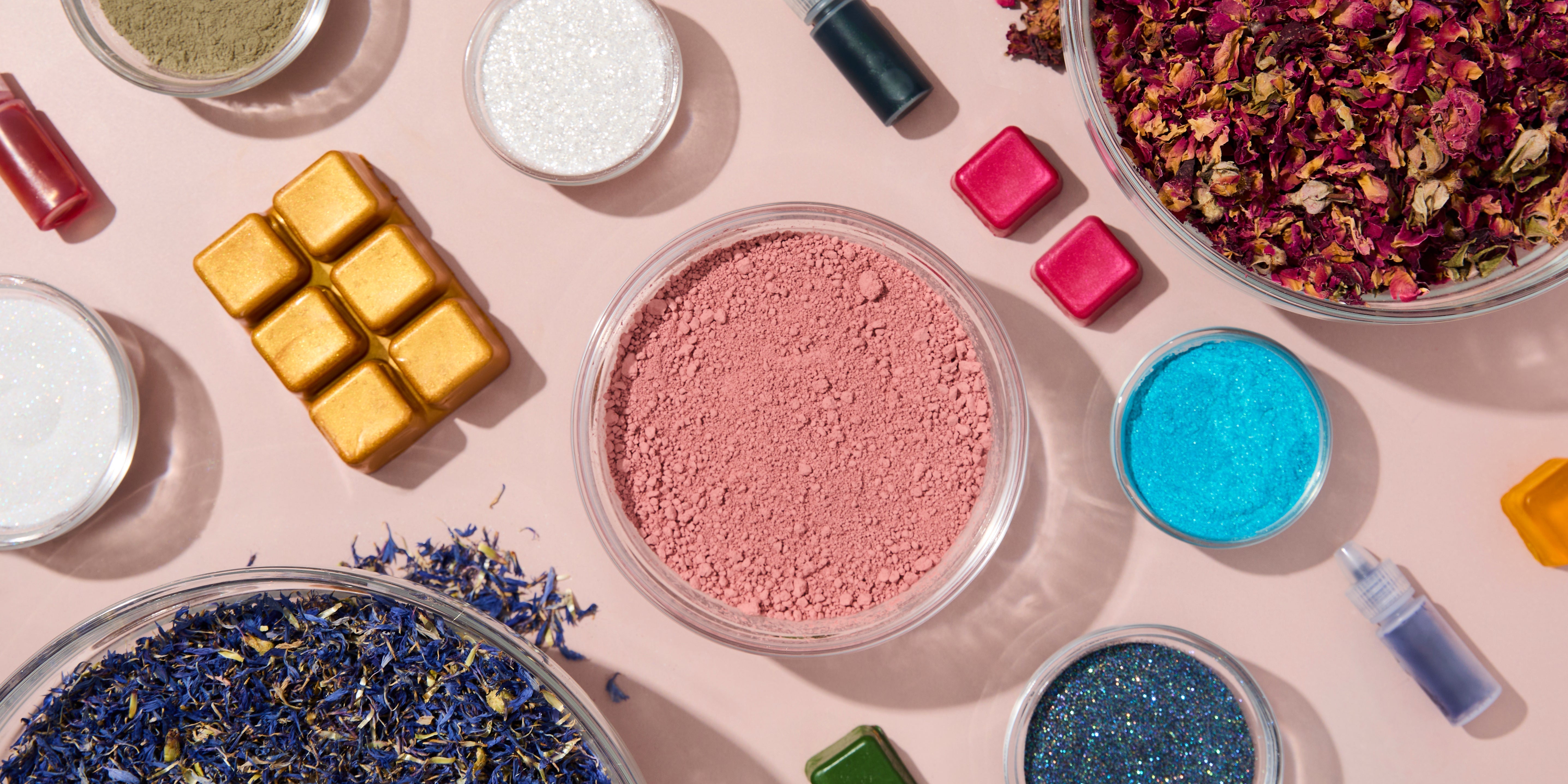
- Include Natural Colorants: To give your soap a soft lavender hue, add a touch of purple mica or natural clay.
- Use Goat’s Milk: Swap out some of the water for goat’s milk to create a creamy, moisturizing bar.
- Calming Properties: Lavender is known for reducing stress and promoting relaxation, making it great for evening showers.
- Natural Antimicrobial: Lavender essential oil has natural antimicrobial properties that help keep skin clean and clear.
- Gentle on Skin: This lavender soap recipe uses gentle oils and butters, making it suitable for sensitive skin.
- Moisturizing: Ingredients like olive oil and shea butter help to keep the skin hydrated while using the soap.
- Is lavender soap suitable for sensitive skin? Yes, lavender soap made with natural ingredients can be gentle and soothing for sensitive skin.
- How long does homemade lavender soap last? Properly cured and stored in a cool, dry place, lavender soap can last up to a year without losing its scent or quality.
- Can I use fresh lavender instead of dried buds? It’s best to use dried lavender buds in soap to prevent them from molding. Fresh lavender can add too much moisture to the soap.
- How much lavender essential oil should I use? Generally, 1 ounce is sufficient for a 2-pound soap batch, but adjust according to your preference.