Help & How Tos

Round Ball 1¼" Mold Video

Article

Round Ball 1¼" Mold Video
We love this 1.25" round mold because it makes the perfect soap ball for a soap dish! They are a great size for embedding and creating unique one-of-a kind products. This video demonstrates how to use the Crafter's Choice - Round Ball 1¼" Mold (1802). Make sure you check out the end of the video and see some of the unique soaps made with this mold!
Behind the Scenes: Plastic Liners in Soap Video
Article

Behind the Scenes: Plastic Liners in Soap Video
Ever wonder why the plastic bag is embedded into Crafter's Choice Melt & Pour Soap Blocks? In this video, we show the manufacturing process, and explain why the bag gets inside the soap. If you have difficulty removing the soap from the bag, watch our Simple Secrets video: Removing MP Soap Blocks from the Packaging.
Cotton Pad Fire Starter Tutorial

Article

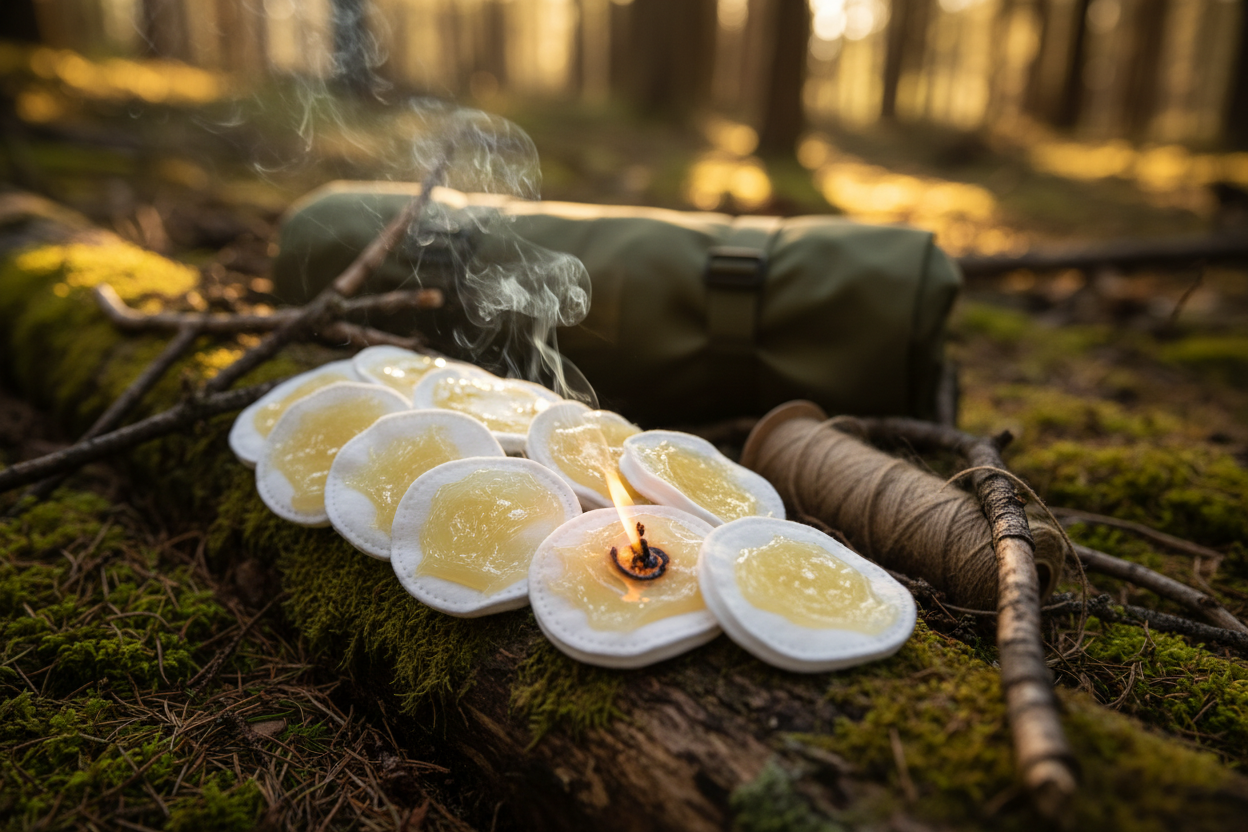
Cotton Pad Fire Starter Tutorial
A cotton pad fire starter is a simple and effective DIY fire starter made from cotton pads and wax. These handy fire starters are perfect for camping, bonfires, or even for your fireplace at home. By soaking cotton pads in melted wax, you create a compact and portable tool that ignites easily and burns steadily. The wax coating helps the cotton pad catch fire quickly and sustain the flame long enough to ignite kindling and larger pieces of wood. This makes cotton pad fire starters a reliable and convenient solution for starting fires in various settings, whether you're out in the wilderness or lighting a cozy fire at home? Votive/Pillar Wax (higher melt point candle waxes work best) Wax Suggestions: KY 143 Paraffin Pillar Wax (used in this tutorial) KY 133 Versatile Paraffin Wax KY Para-Soy Tart & Votive Blend Wax Round cotton make-up remover pads Thermometer Long tweezers, needle nose pliers, or BBQ tongs Presto Pot or double boiler to melt candle wax Wax paper Bags to package finished fire starters Safety goggles Apron to protect clothing Wax paper, old newspapers or aluminum foil Step 1Cover counter with wax paper, old newspapers or aluminum foil to make clean up easier. Melt the wax with the chosen method (Presto Pot or double boiler). Make sure to follow the wax manufacturer’s melting & pouring guidelines for correct temperatures. For this tutorial KY 143 Paraffin Wax is being used so it will need to be heated to approx 180° F per the manufacturer’s guidelines. Use the thermometer to correctly monitor the melting temperature.Step 2Once the candle wax is melted, take the tweezers and dip the cotton pad in the melted wax. Let the pad sit in the wax for a few seconds to allow the pad to soak up the wax. When the pad is saturated with wax, remove and place on a piece of wax paper to dry. Continue this process until the number of fire starters is achieved.Step 3When pads are dry, package in a small bag. Cover counter with wax paper, old newspapers or aluminum foil to make clean up easier.Be sure to wear safety goggles for eye protection. You do not want to be splashed in the eye with hot wax! Remember with wax – safety first.Waxes used in making candles are very similar to cooking oils – they are flammable and they are poured at high temperatures, but with certain precautions, accidents may be avoided. NEVER HEAT WAX ABOVE 210°F.For safety, wax should be melted in a double boiler. Wax should NEVER be heated directly over an open flame or burner. Direct heating can cause wax to explode and result in serious injury.Use of a thermometer is advised to ensure proper wax pouring temperature.Never leave hot wax unattended. Keep children and pets away from the area where wax is being melted and poured.Never pour water in a wax fire. Water will cause the fire to spread. To extinguish a fire in a pan, cover the pan with its lid. Use a dry chemical fire extinguisher.Never pour melted wax into the sink or other drains. Using a cotton pad fire starter is straightforward. First, prepare the fire area by arranging kindling and small sticks in a teepee or crisscross pattern, leaving enough space for airflow. Take one cotton pad fire starter and tear it in half to expose the inner cotton fibers, which will help catch the flame more quickly. Place the cotton pad in the center of your kindling arrangement and light it with a match or lighter. The wax-soaked cotton pad will ignite easily and burn steadily, providing enough heat and flame to light the surrounding kindling. As the kindling catches fire, add larger pieces of wood to build up your fire. This method ensures a quick and efficient start, making it an essential tool for any fire-starting needs?
How to Make Scented Sachets

Article

How to Make Scented Sachets
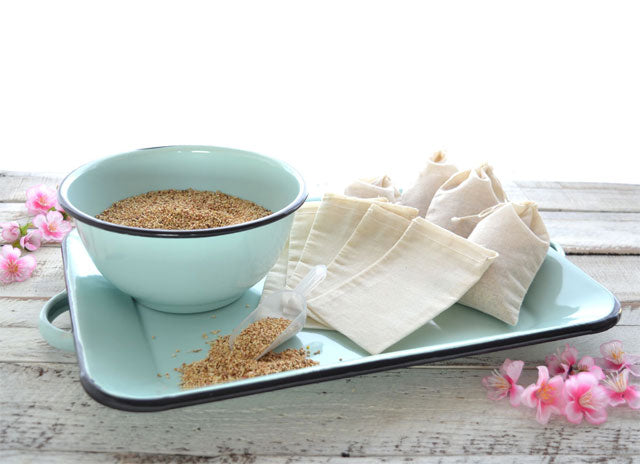
The Benefits of Scented SachetsSachet bags are a traditional and versatile way to add pleasant aromas to various spaces such as drawers, closets, bathrooms, and even cars. They can help freshen areas around the kitty litter box, garbage bins, gym lockers, and laundry rooms. The customization options with different scents and bag colors make them perfect for personal use and as thoughtful gifts, such as wedding shower favors or additions to gift baskets. Supplies: Unscented Sachet Base Fragrance Oil Glass Jar with Lid Digital Scale Disposable Paper Dixie Cup Measuring Cup Muslin Bags or Sheer Organza Bags Apron to Protect Clothing Wax Paper, Old Newspapers, or Aluminum Foil to Protect Work Surface Step 1: Prepare Your Work SurfaceCover your work surface with old newspaper, wax paper, or aluminum foil to make clean-up easier and protect your area from spills.Step 2: Measure the Sachet BaseMeasure 2 cups of unscented sachet base and pour it into a glass jar.Step 3: Prepare the Fragrance OilPlace a paper Dixie Cup on the digital scale and tare it to zero.Step 4: Add Fragrance OilMeasure 1 oz of fragrance oil and pour it into the Dixie Cup.Step 5: Mix the IngredientsPour the fragrance oil into the sachet base in the glass jar. Cover the jar and shake it well. Shake frequently over the next 2-3 days to ensure the fragrance oil is fully absorbed into the sachet base.Step 6: Package the SachetsOnce the base appears dry and is no longer oily, package it into muslin bags or organza bags. For an extra touch of sparkle, add a sprinkle of Iridescent Diamond Dust Glitter to the sachet base before placing it into sheer organza bags. Scented sachets can be used in a variety of places to add a pleasant aroma: Place them in drawers or closets to keep clothes smelling fresh. Use them in bathrooms for a continuous fresh scent. Place sachets around the kitty litter box or garbage bins to neutralize odors. Add them to gym lockers, laundry rooms, or under car seats for a subtle fragrance boost. Sachet bags also make lovely additions to gift baskets or wedding shower gifts. How Long Do Scented Sachets Last?Scented sachets can last anywhere from a few weeks to several months, depending on the quality of the fragrance oil used and where the sachets are placed. For optimal longevity, keep sachets in enclosed spaces and avoid exposing them to direct sunlight or heat.Can I Refresh the Scent of My Sachets?Yes, you can refresh the scent of your sachets. Simply add a few drops of the same fragrance oil used initially to the sachet base inside the bag. Seal the bag and shake it gently to distribute the oil evenly.Are There Any Tips for Choosing Fragrance Oils?When choosing fragrance oils for your sachets, consider the following: Quality: Use high-quality fragrance oils designed for use in sachets or potpourri to ensure a long-lasting and pleasant scent. Purpose: Select scents based on the desired effect. For example, lavender and chamomile are calming, while citrus and mint are invigorating. Allergies: Be mindful of any potential allergies or sensitivities to certain fragrances, especially if giving sachets as gifts. How Do I Prevent the Fragrance Oil from Staining?To prevent staining, ensure that the fragrance oil is fully absorbed into the sachet base before placing it in the bags. Using a jar with a lid for mixing and shaking helps achieve even absorption. Additionally, placing the sachets in organza or muslin bags with a lining can help contain any excess oil.Can Scented Pouches Be Used in Cars?Yes, scented sachets can be used in cars to keep them smelling fresh. Place the sachet under the seat or in the glove compartment to distribute the aroma subtly throughout the vehicle. Make sure the sachet is securely placed to avoid it shifting around during travel.By understanding these aspects, you can create effective and long-lasting scented sachets tailored to your preferences and needs.
Lotion Making (from a base) - Simple Steps for Beginners

Article

Lotion Making (from a base) - Simple Steps for Beginners
Are you new to making lotion? This helpful guide will show you 'How To Make' Lotion using simple steps for beginners. 
How to Whip Wax

Article

How to Whip Wax
Whipped wax is an easy way to make any candle look unique. Although it takes a bit of practice to get a feel for the process, you’ll be applying whipped wax to candles in no time! Whipped wax is a good candle making project for adding creativity to finished products. Common uses for whipped wax are to make snowball candles, cupcake candles, grubby candles, grubby cut-out candles, dessert container candles, and dessert tarts. Take the time to practice – you can use the same wax over and over by simply remelting it and beginning again. You’ll be an expert in no time and looking for ways to use whipped wax!Materials Needed:Votive or Pillar candle wax (ideally one of the following 3:)Ky 133 Versatile Paraffin Wax BlendKy 143 Paraffin Pillar WaxKy Para-Soy Tart & Votive BlendDigital ScaleFragrance Oil (optional)Candle Colorant (optional)Pour PitcherThermometerPresto Pot or double boiler to melt candle waxMetal spoon for stirringMetal fork or small wire whisk for whippingSafety gogglesApron to protect clothingWax paper, old newspapers, or aluminum foil Step 1Cover counter with wax paper, old newspapers or aluminum foil to make clean up easier. Melt the wax with the chosen method, IE: presto pot, double boiler. Make sure to follow the wax manufacturer’s melting and pouring guidelines for correct temperatures.For this tutorial, KY 143 Paraffin Pillar Wax is being used so it will need to be heated to approx 180°F per the manufacturer guidelines. Use the thermometer to correctly monitor the temperature.Step 2Set the pour pot on the digital scale and tare. Transfer needed amount of wax to pour pot — in this tutorial 8oz of wax will be used. Transfer 8 oz of wax, and add .64 oz of candle Fragrance Oil, if desired. Stir well (approx 2 min). Then add Rustic Escentuals liquid candle dye** (if desired) and stir until dye is totally incorporated into the wax and the desired color is achieved.Step 3Let the wax begin to cool in the pour pot. When the wax begins to set up along the sides of the pour pot and has a film on the top, begin whipping the wax with either a metal fork or small wire whisk. Make sure to periodically scrape the wax from the sides of the pour pot. Quickness helps here because the wax will begin to cool and harden fairly quickly. If the wax gets too hard, place the pour pot in a double boiler for a few minutes to soften some of the wax down and start whipping again. You can also use a heat gun to liquefy the top of the wax in the pour pot, and then stir to incorporate.Step 4Once the wax has the consistency of a thick whipped cream, it is ready to use.Tip: Whipped wax is commonly used to look like whipped cream, in which case it would be scented with some sort of Vanilla fragrance oil. Vanilla fragrance oils use an ingredient called vanillin, which naturally darkens over time. Use any vanilla scented fragrance oil sparingly — the whipped wax does not need to be strongly scented and you don’t want it to discolor over time. Cover counter with wax paper, old newspapers or aluminum foil to make clean up easier. Be sure to wear safety goggles for eye protection. You do not want to be splashed in the eye with hot wax! Remember with wax – safety first. Waxes used in making candles are very similar to cooking oils – they are flammable and they are poured at high temperatures, but with certain precautions, accidents may be avoided. NEVER HEAT WAX ABOVE 210°F. For safety, wax should be melted in a double boiler. Wax should NEVER be heated directly over an open flame or burner. Direct heating can cause wax to explode and result in serious injury. Use of a thermometer is advised to ensure proper wax pouring temperature. Never leave hot wax unattended. Keep children and pets away from the area where wax is being melted and poured. Never pour water in a wax fire. Water will cause the fire to spread. To extinguish a fire in a pan, cover the pan with its lid. Use a dry chemical fire extinguisher. Never pour melted wax into the sink or other drains. Creating whipped candle wax adds a delightful aesthetic to your candles, making them look like they are topped with whipped cream. Here are some tips to help you achieve the perfect whipped candle wax:Consistency Check: If the whipped wax is too soft and doesn’t hold its shape, let it cool slightly more and continue whipping. Conversely, if it starts to harden, gently reheat it and whip again to achieve the desired consistency.Use a Spatula: To ensure all the wax is evenly whipped, use a spatula to scrape the sides of the mixing bowl frequently. This helps incorporate any unmixed wax into the whipped mixture.Layering: For a more decorative look, consider layering different colors of whipped wax. Whip one color, pipe it onto the candle, let it set, and then repeat with another color. Can I re-melt and re-whip wax if I don’t like the initial results?Yes, you can re-melt and re-whip the wax if you’re not satisfied with the initial results. Gently heat the wax until it is fully melted, let it cool to the appropriate temperature, and whip again until you achieve the desired texture.What should I do if my whipped wax starts to harden too quickly?If the whipped wax starts to harden too quickly, gently reheat it to soften it up. Place the mixing bowl in a warm water bath or use short bursts in the microwave. Be careful not to overheat it, as this can affect the whipped texture.How can I create different textures in whipped candle wax?To create different textures, vary the whipping time and temperature. Whipping the wax at a slightly higher temperature will produce a softer, creamier texture, while cooler temperatures and longer whipping times will result in stiffer peaks. Experiment to find the texture that works best for your designs.
How to Use Milk in Cold Process Soap Video
Article

How to Use Milk in Cold Process Soap Video
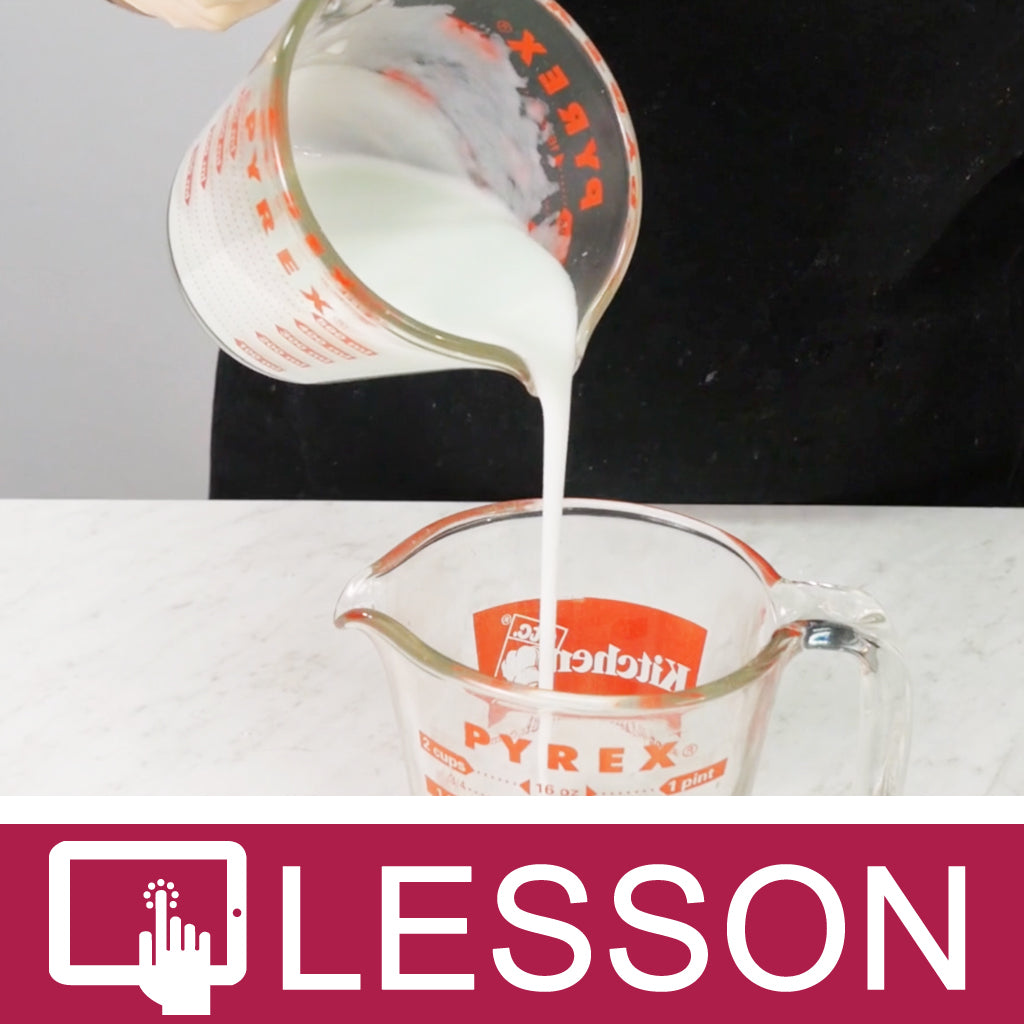
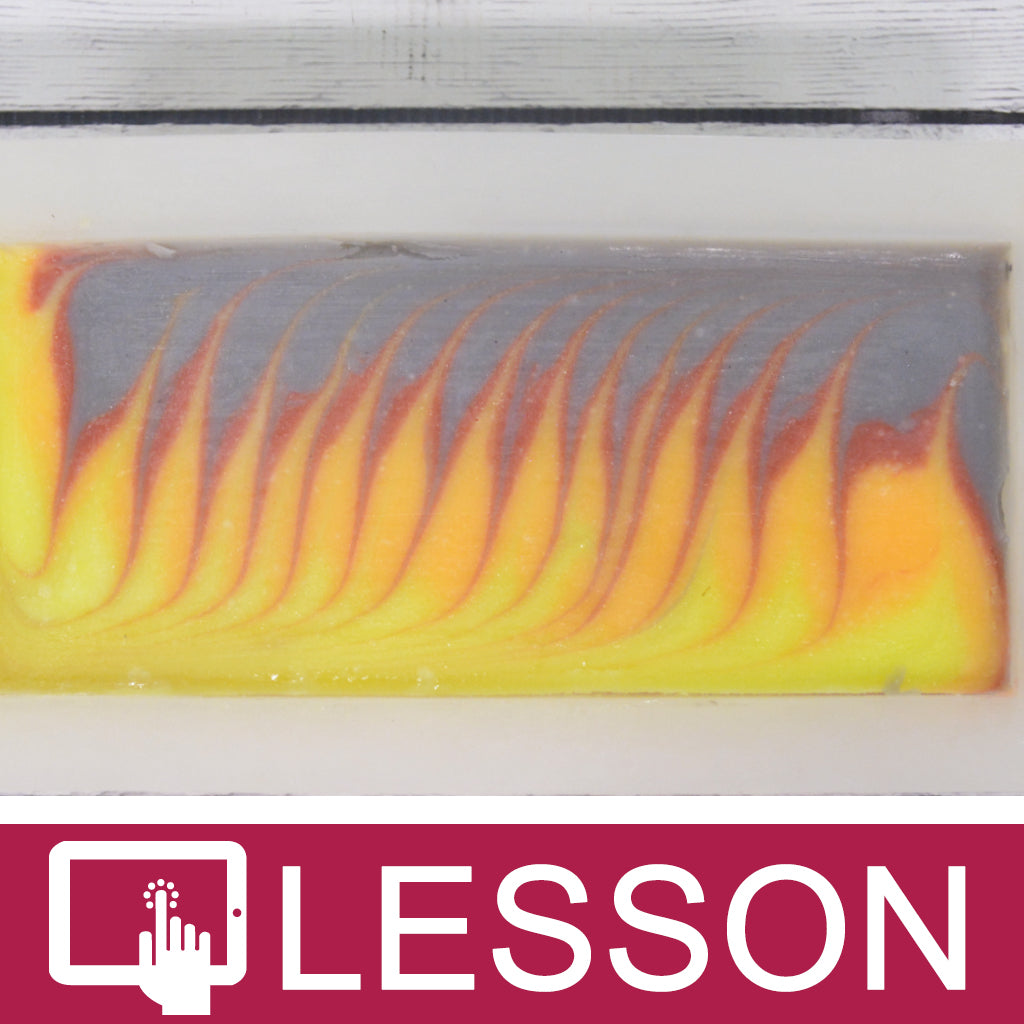
Old Fashioned Milk Soap has been popular for ages and continues to be preferred by soap makers and customers alike. Finished soap bars are ultra moisturizing, skin softening and can have a creaminess to them that will keep you lathering! As with most things, there are different ways to include milk in soap. In this video we will teach you three methods for incorporating milk into cold process soap.
Taiwan Swirl Technique

Article

Taiwan Swirl Technique
Learn the cold process soap technique of Taiwan Swirls. 
Making Pink Moscato Bubble Bath

Article

Making Pink Moscato Bubble Bath

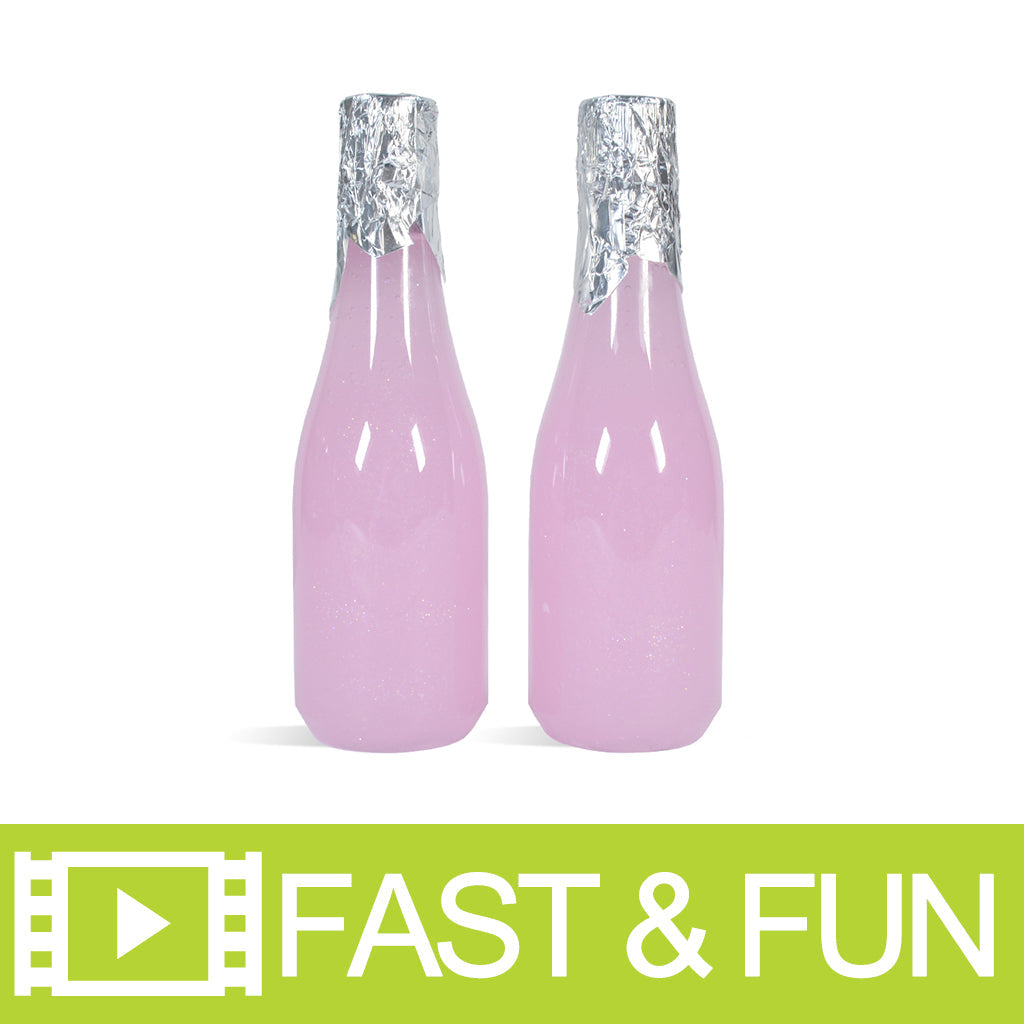
Learn how to make these bottles of Pink Moscato Bubble Bath in this fast and fun video. This sparkling bubble bath is easy to make and smells of intoxicating pink bubbly.
Making Rainbow Lollipop Bubble Wands

Article

Making Rainbow Lollipop Bubble Wands
Learn how fun and easy it is to make these Making Rainbow Lollipop Bubble Wands! This adorable recipe makes 5 colorful bubble wands scented with a sweet, custom blend of oils. These bubble wands will be a huge hit with kids and candy lovers alike.
Sliced Tomato Luffa MP Soap Recipe Video
Article

Sliced Tomato Luffa MP Soap Recipe Video
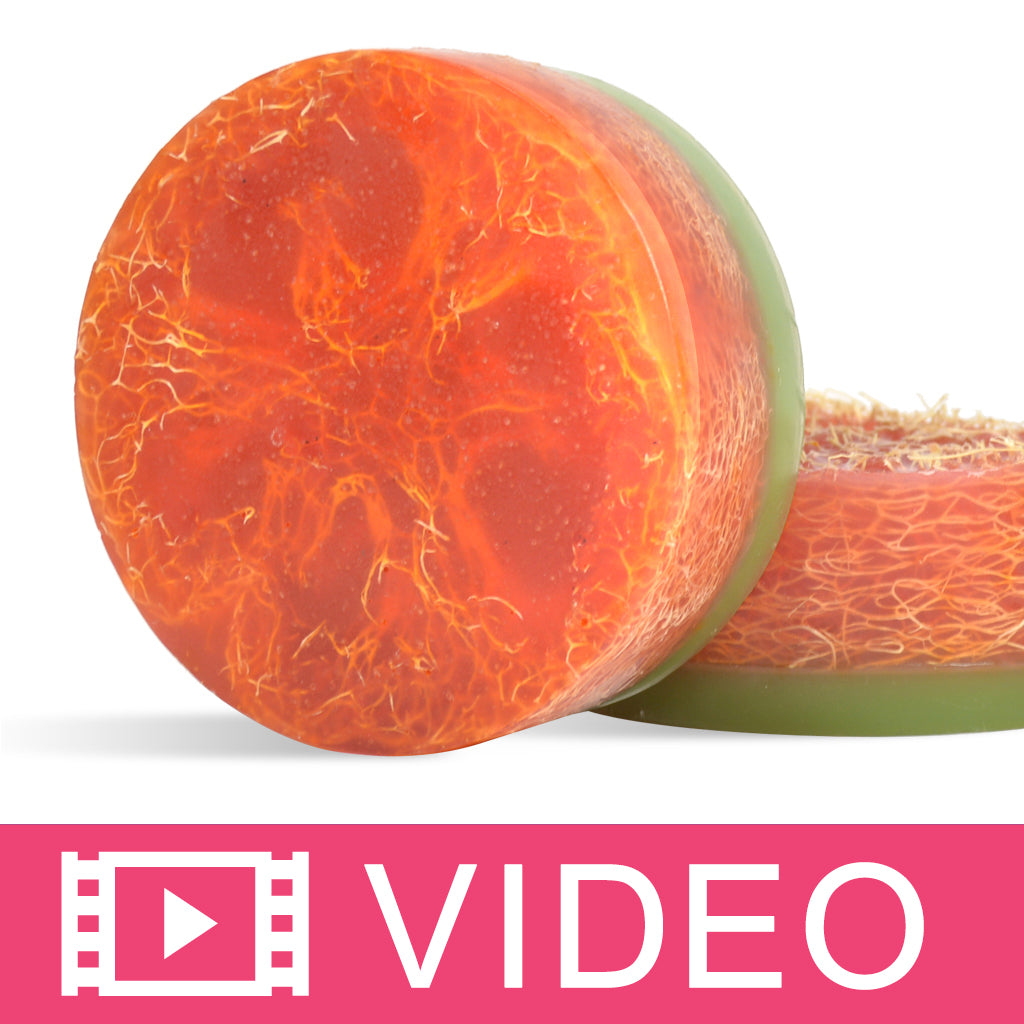
This video demonstrates how easy it is to make your own Sliced Tomato Luffa Soap!  We love this recipe because the tomato powder is thought to have strong natural antioxidant properties and improve skin texture. The natural luffa provides an exfoliating property to the soap. We love using it on our feet! The design is a favorite for customers buying at farmer's markets.
How to Make DIY Body Spray with Fragrance Oil | Wholesale Supplies Plus

Recipe

How to Make DIY Body Spray with Fragrance Oil | Wholesale Supplies Plus
Learn how to make body mist with fragrance oil. Step-by-step body spray recipe perfect for selling. Master DIY body spray making today with our expert tips. What are Body Mists? Body mists (or body splashes) are lighter than traditional perfumes. They provide a refreshing fragrance without overwhelming the senses. If you’re curious about how to make body splash at home, this natural body spray recipe is a great place to start! Unlike commercial perfumes that often rely on alcohol, our diy body splash uses gentle, skin-loving ingredients and your favorite fragrance oils. You’ll enjoy a natural body spray recipe that’s soft, hydrating, and suitable for everyday wear and large-scale crafting.