Controlling Trace in Cold Process Soap: A Comprehensive Guide
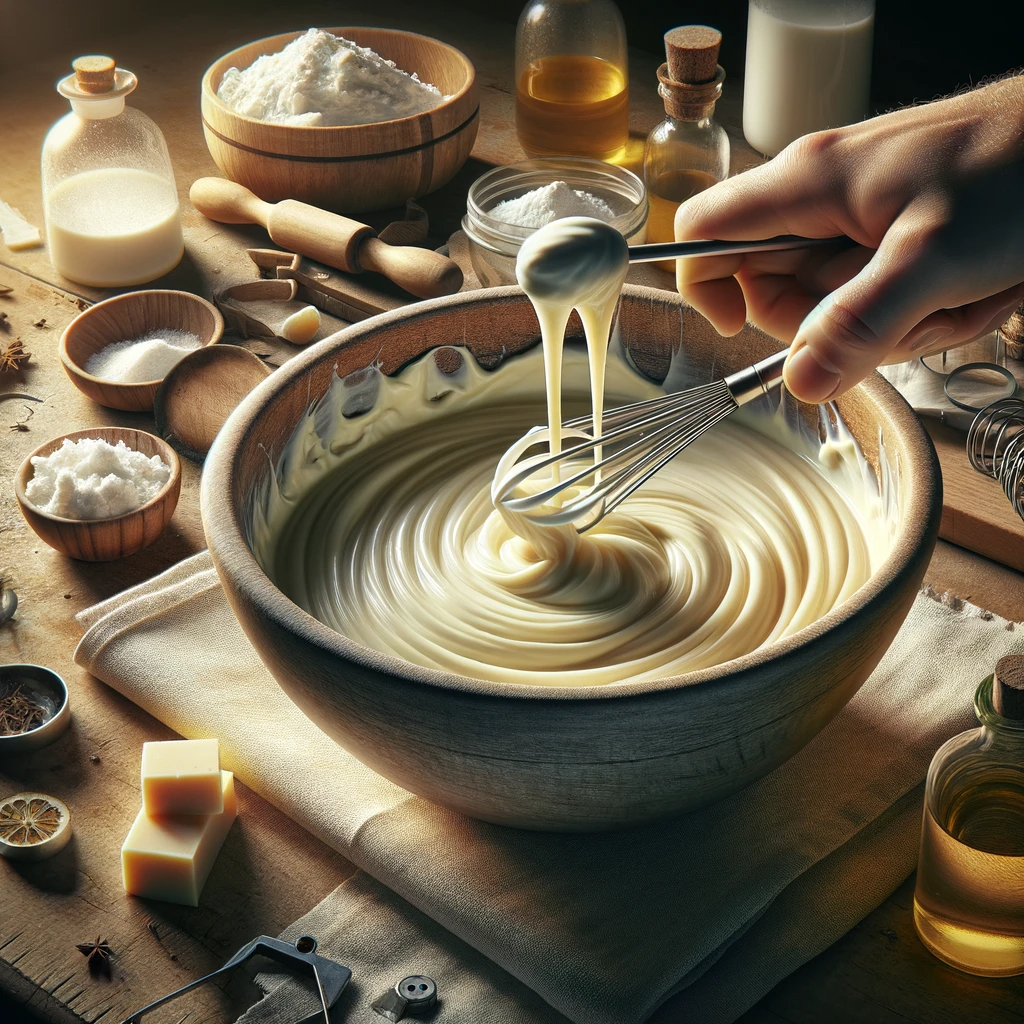
Before we delve into the nitty-gritty, let's establish what trace signifies in the realm of soap making. Essentially, trace refers to the point in the soap making process when the oils and lye-water have emulsified, resulting in a thickened mixture that resembles a light pudding or custard. There are different stages of trace, ranging from ultra light to thick trace, each signifying the viscosity of the soap batter. Identifying the distinct stages of trace is fundamental in crafting top-notch cold process soap. Sometimes, you might need the soap to reach trace more rapidly. Various factors can accelerate the trace process, such as maintaining higher temperatures during the soap making process, incorporating cold additives, or utilizing specific cold process soap fragrances that catalyze the trace. Additionally, the selection of oils and butters significantly impacts the trace speed, as soap formulated with a higher proportion of hard oils and butters tends to reach trace more swiftly than soap formulated primarily with liquid oils. Finally, the mixing technique you use also greatly affects the soap batter and how long it takes to reach trace. Stick blending typically speeds up the trace while hand mixing slows it down. Conversely, there are instances where slowing down the trace process becomes imperative. Several techniques can help decelerate the process, such as when to add fragrance to cold process soap, adding fragrances after integrating colorants and other additives, pre-mixing with water while incorporating clay, working at cooler temperatures, and increasing the superfat content in the soap recipe. By carefully implementing these methods, you can attain the desired consistency and workability of your cold process soap. Despite your best efforts, false trace can still occur, leading to complications in the soap making process. False trace in soap refers to the misconception of the soap reaching full saponification when, in reality, it has not. This issue is commonly encountered and can be particularly perplexing.
False trace, often attributed to various factors, can occur due to temperature discrepancies between the lye solution and soaping oils. To minimize this issue, ensure both your soaping oils and lye solution are close in temperature prior to mixing. Aim for a temperature alignment within a 10-degree range to prevent false trace when combining these components. This synchronization helps maintain a harmonious temperature balance and minimizes the likelihood of encountering false trace during the soap-making process. Cold process soap troubleshooting can help further when it comes to overcominge false trace, ensuring that your soap making endeavors proceed seamlessly.
Whether you're aiming to hasten or slow down the trace process, understanding the nuances of soap making trace is pivotal. By implementing the aforementioned strategies and being mindful of the distinct stages of trace, you can create exquisite cold process soap with precision and finesse. Remember, mastering the control of trace is an indispensable skill for every soap making enthusiast
False trace, often attributed to various factors, can occur due to temperature discrepancies between the lye solution and soaping oils. To minimize this issue, ensure both your soaping oils and lye solution are close in temperature prior to mixing. Aim for a temperature alignment within a 10-degree range to prevent false trace when combining these components. This synchronization helps maintain a harmonious temperature balance and minimizes the likelihood of encountering false trace during the soap-making process. Cold process soap troubleshooting can help further when it comes to overcominge false trace, ensuring that your soap making endeavors proceed seamlessly.
Whether you're aiming to hasten or slow down the trace process, understanding the nuances of soap making trace is pivotal. By implementing the aforementioned strategies and being mindful of the distinct stages of trace, you can create exquisite cold process soap with precision and finesse. Remember, mastering the control of trace is an indispensable skill for every soap making enthusiast