GMP and Ingredients
“Good Manufacturing Practices” (GMP) are the practices and procedures used in manufacturing that ensure a good finished product. The ingredients you select and use are obviously key to a high-quality finished product; therefore how you specify, purchase, approve, handle, store, track and use your ingredients is an integral part of Good Manufacturing Practices.
The following guidelines outline best practices for your ingredients. Whether you work out of your kitchen and store your ingredients in a designated shelf or cupboard, or have a dedicated shop, with a little thought and planning these guidelines can easily be adapted for any situation.
1. Specify the ingredient criteria fully.
Often the ingredients listed in a recipe are somewhat generalized and when it comes to actually purchasing the item, you are faced with options. For example, your recipe calls for “Lavender Fragrance”. Is that Lavender 40/42 essential oil? Bulgarian Lavender essential oil? Lavender fragrance oil? A combination? Obviously the end product changes based on which “lavender” you choose. Having exactly specified criteria is especially important when an ingredient can come in several different forms under the same name. Cornstarch, for example, comes in various grades, particle sizes and treatments (all of which are called “cornstarch”). Which one you use can drastically change your product. You wouldn’t want a coarse or rough particle size for face or body powders, but it might be okay for bath products or as a thickening agent. GMP Guidelines call for defining the following for every ingredient (or packaging material) you use:
The following guidelines outline best practices for your ingredients. Whether you work out of your kitchen and store your ingredients in a designated shelf or cupboard, or have a dedicated shop, with a little thought and planning these guidelines can easily be adapted for any situation.
1. Specify the ingredient criteria fully.
Often the ingredients listed in a recipe are somewhat generalized and when it comes to actually purchasing the item, you are faced with options. For example, your recipe calls for “Lavender Fragrance”. Is that Lavender 40/42 essential oil? Bulgarian Lavender essential oil? Lavender fragrance oil? A combination? Obviously the end product changes based on which “lavender” you choose. Having exactly specified criteria is especially important when an ingredient can come in several different forms under the same name. Cornstarch, for example, comes in various grades, particle sizes and treatments (all of which are called “cornstarch”). Which one you use can drastically change your product. You wouldn’t want a coarse or rough particle size for face or body powders, but it might be okay for bath products or as a thickening agent. GMP Guidelines call for defining the following for every ingredient (or packaging material) you use:
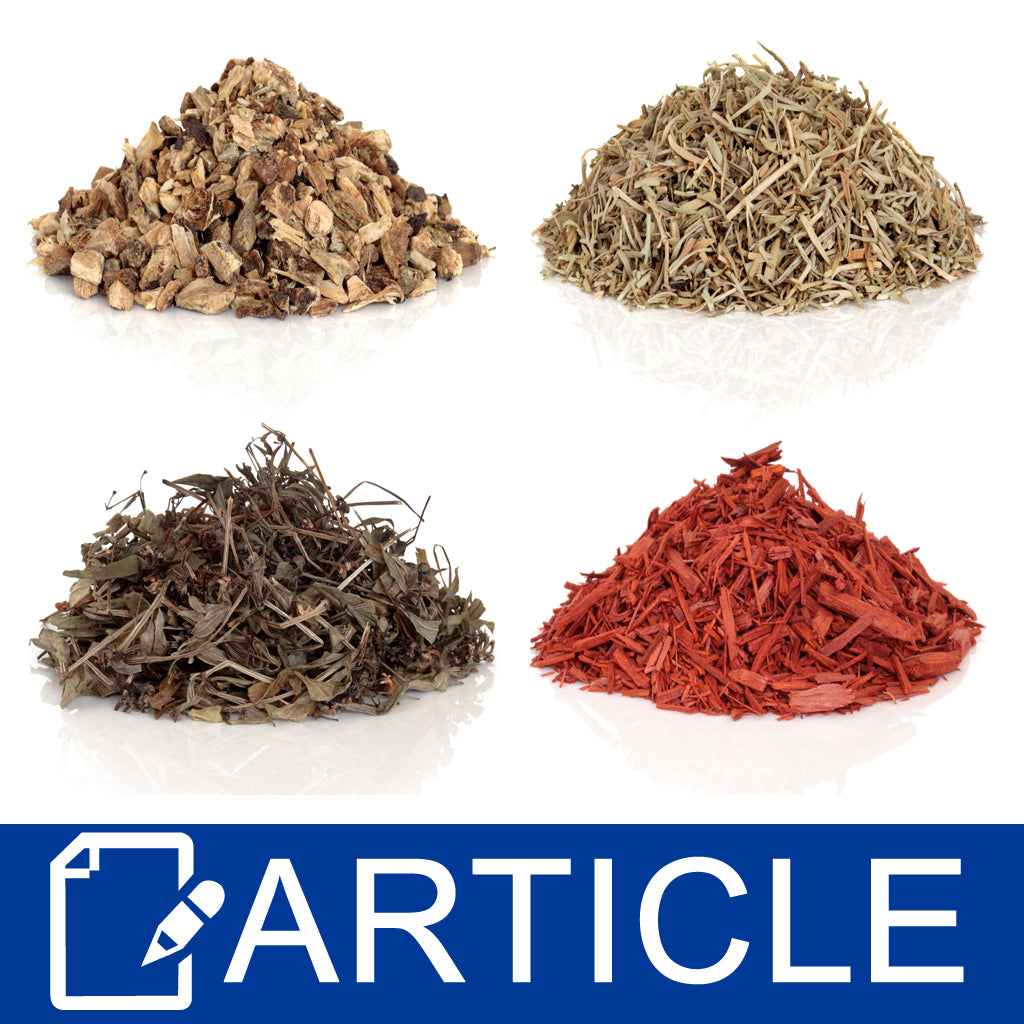
- Description. What does the ingredient/material look like? Feel like? Smell like? What color should it be? How big or small are the particles? A detailed description is especially essential when dealing with botanicals.
- Critical Criteria. What criteria MUST be met in order to use the item at all? This is generally criteria that if not met would make the product unsafe or unusable, or which are legally required. Example: negative for eColi and Salmonella.
- Major Criteria. What is EXTREMELY IMPORTANT criteria? This would be criteria that if not met could affect product quality or result in a lower quality product. Examples: Cornstarch particle size, purity of lye for soap, or whether a botanical is fresh or dried.
- Minor Criteria. What criteria SHOULD be met? These are things that should be met, but won’t adversely affect product quality. Example: Whiteness level of cornstarch.