5 Steps to Creating a Brand From Scratch
You did it! You followed your dream, perfected your craft, and created a business model. You've got your finances in place, you know the legal requirements, you know how you're going to sell (online, in person, or a mix of both), and you've got materials and inventory ready. Now comes the fun part—learning how to brand your business in a way that helps you stand out, attract the right customers, and set the foundation for long-term success.
Branding isn't just a name or a logo, but the brand story you tell, the visual elements you use, and the way you consistently present your product or service to the world. A well-developed identity not only helps your small business gain recognition but also builds trust with loyal customers who come back again and again. Think of the most established brands in the world (think of Coca Cola or Apple). Just a glimpse of their signature red, the shape of the bottle, or their iconic script font immediately calls the brand to mind. That's the power of building a brand consistently and intentionally.
For small businesses, creating a powerful brand is just as important. It's how you set yourself apart at a local craft fair, on an e-commerce site, or even on store shelves. A strong brand builds trust, makes your business look professional, and ensures customers remember you the next time they're looking for products like yours.
In the world of handmade soaps, cosmetic products, and candles, branding goes beyond looks. Ingredients and business practices reflect your values, your mission statement, and your promise to your customers. The right visual elements and marketing materials can make your packaging feel high-end, natural, whimsical, or luxurious, depending on how you want people to connect with your brand. That connection is what transforms casual shoppers into loyal customers. Before you dive into logos or taglines, the first step in how to build a brand strategy is to know exactly who you're talking to. Your target market is the audience most likely to buy your product or service, and understanding them is key to creating branding that resonates.
One way to do this is by creating a buyer persona—a fictional profile of your ideal customer. Ask yourself: What motivates them to purchase? What pain points are you solving with your product? For example, a customer buying a lavender candle may be looking for stress relief, while someone buying a brightly colored soap bar may be drawn to fun and creativity.
If you're not sure who your audience is yet, conduct some quick market research. This can be as simple as asking current customers questions like:
When brainstorming, think about how your name will resonate with your target market. B2B businesses often lean toward more descriptive names, while B2C makers may prefer names that are aspirational or emotional. Whichever direction you take, make sure your name reflects your brand values and is easy for customers to remember.
Once you have a shortlist, research availability. Check the U.S. Patent and Trademark Office to ensure it's not already trademarked, and search online for potential conflicts. Then, check if the corresponding domain name is available. Even if YourBrand.com is taken, there are often creative variations that can still work.
A strong name is often paired with a brand story, which is a simple narrative that explains who you are, why you started, and what makes your product or service unique. Your story doesn't need to be long, but it should be authentic. For example, if you started making soaps to help people with sensitive skin, that should shine through. A compelling brand story helps customers connect with you on a deeper level, making your small business memorable. With your name and story in place, the next step is defining your brand personality. This is the "voice" of your business and the way you communicate in ads, on social media, and even on your product labels.
Start by choosing a few words that best describe your brand. Are you supportive and empathetic, fun and playful, or modern and sleek? For example, a handmade balm that eases muscle aches might have a "supportive" voice, while a line of colorful soaps could feel "energizing" and "joyful." These descriptors should guide every piece of communication, from marketing materials to customer thank-you notes.
Your brand messaging should also clearly communicate your mission statement and values. Do you want customers to see your products as eco-friendly, luxurious, or artisanal? Write down your message and check that it aligns with your personality. Then, make sure it's consistent everywhere—from your website copy to product descriptions and packaging.
Consistent brand messaging builds trust. Customers should be able to recognize your business across platforms and feel the same personality, whether they're scrolling your Instagram feed or unboxing their order. Over time, this consistency helps transform new buyers into loyal customers. Once your voice and message are defined, it's time to bring your brand to life visually. Your logo, color palette, and typography are not just design choices, but core parts of building a brand identity.
Your visual elements should align with your brand personality. For example, soft earth tones and minimalist fonts may reflect a natural, calming soap brand, while bold colors and playful typography might be perfect for a fun, youthful candle line. These design choices are how your business reflects your brand in a way customers can instantly recognize.
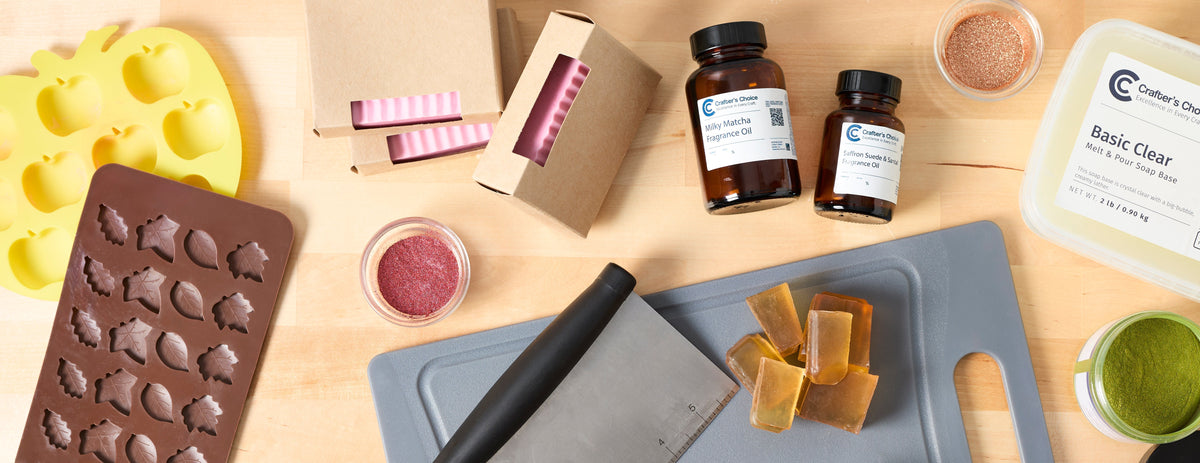
Don't forget about packaging! This is one of the most important touchpoints for makers. The labels on your soap bars, the jars for your candles, and even the wrapping or boxes you choose become extensions of your brand. When done well, packaging not only elevates the product but also tells your brand story at a glance.
If you're not confident designing these yourself, consider working with a professional designer to create a logo and guidelines for your brand. This ensures your marketing materials, from product labels to social media graphics, are cohesive and polished. You can also explore resources like packaging and labeling supplies to start customizing your look.
When your visual identity is consistent and purposeful, it becomes one of the strongest tools for connecting with your target market and creating a brand that truly stands out. The last step in how to build a brand strategy is to document everything you've created so far. A brand style guide is a written reference that captures your brand name, mission statement, brand promise, messaging, visual elements, and usage guidelines.
This guide ensures your business presents itself consistently across every channel. Whether you're designing marketing materials, training a new employee, or working with a partner, your style guide keeps everyone on the same page. It reduces the risk of mixed messages or fractured branding, which can confuse your audience and weaken trust.
Think of how established brands like Coca Cola maintain consistent fonts, colors, and messaging across every ad and product. That same consistency can set your small business apart and make your brand instantly recognizable. Even if you're just starting out, documenting your branding decisions early will save you time and stress as your business grows.
If you'd like a simple way to begin, create a folder with your logo files, your color palette, your brand voice descriptors, and sample product images that reflect your brand. Over time, you can expand it into a full guide that grows along with your business.
For extra support, explore WSP's Handmade 101 business resources to find tools that can help you define and document your brand more easily. Learning how to brand your business doesn't have to feel overwhelming. By identifying your target market, creating a meaningful name and brand story, defining your brand personality and messaging, developing strong visual elements, and documenting your strategy, you'll have a solid foundation for building a brand identity that lasts.
The best part? A thoughtful brand not only makes your small business stand out but also builds trust and creates loyal customers who return again and again. Just like Coca Cola or other household names, your own branding—when consistent and intentional—can make your products instantly recognizable and memorable.
Brandin
Branding isn't just a name or a logo, but the brand story you tell, the visual elements you use, and the way you consistently present your product or service to the world. A well-developed identity not only helps your small business gain recognition but also builds trust with loyal customers who come back again and again. Think of the most established brands in the world (think of Coca Cola or Apple). Just a glimpse of their signature red, the shape of the bottle, or their iconic script font immediately calls the brand to mind. That's the power of building a brand consistently and intentionally.
For small businesses, creating a powerful brand is just as important. It's how you set yourself apart at a local craft fair, on an e-commerce site, or even on store shelves. A strong brand builds trust, makes your business look professional, and ensures customers remember you the next time they're looking for products like yours.
In the world of handmade soaps, cosmetic products, and candles, branding goes beyond looks. Ingredients and business practices reflect your values, your mission statement, and your promise to your customers. The right visual elements and marketing materials can make your packaging feel high-end, natural, whimsical, or luxurious, depending on how you want people to connect with your brand. That connection is what transforms casual shoppers into loyal customers. Before you dive into logos or taglines, the first step in how to build a brand strategy is to know exactly who you're talking to. Your target market is the audience most likely to buy your product or service, and understanding them is key to creating branding that resonates.
One way to do this is by creating a buyer persona—a fictional profile of your ideal customer. Ask yourself: What motivates them to purchase? What pain points are you solving with your product? For example, a customer buying a lavender candle may be looking for stress relief, while someone buying a brightly colored soap bar may be drawn to fun and creativity.
If you're not sure who your audience is yet, conduct some quick market research. This can be as simple as asking current customers questions like:
- Where do you prefer to shop: online, at markets, or in stores?
- What values matter most when choosing a brand?
- What words would you use to describe your personality?
When brainstorming, think about how your name will resonate with your target market. B2B businesses often lean toward more descriptive names, while B2C makers may prefer names that are aspirational or emotional. Whichever direction you take, make sure your name reflects your brand values and is easy for customers to remember.
Once you have a shortlist, research availability. Check the U.S. Patent and Trademark Office to ensure it's not already trademarked, and search online for potential conflicts. Then, check if the corresponding domain name is available. Even if YourBrand.com is taken, there are often creative variations that can still work.
A strong name is often paired with a brand story, which is a simple narrative that explains who you are, why you started, and what makes your product or service unique. Your story doesn't need to be long, but it should be authentic. For example, if you started making soaps to help people with sensitive skin, that should shine through. A compelling brand story helps customers connect with you on a deeper level, making your small business memorable. With your name and story in place, the next step is defining your brand personality. This is the "voice" of your business and the way you communicate in ads, on social media, and even on your product labels.
Start by choosing a few words that best describe your brand. Are you supportive and empathetic, fun and playful, or modern and sleek? For example, a handmade balm that eases muscle aches might have a "supportive" voice, while a line of colorful soaps could feel "energizing" and "joyful." These descriptors should guide every piece of communication, from marketing materials to customer thank-you notes.
Your brand messaging should also clearly communicate your mission statement and values. Do you want customers to see your products as eco-friendly, luxurious, or artisanal? Write down your message and check that it aligns with your personality. Then, make sure it's consistent everywhere—from your website copy to product descriptions and packaging.
Consistent brand messaging builds trust. Customers should be able to recognize your business across platforms and feel the same personality, whether they're scrolling your Instagram feed or unboxing their order. Over time, this consistency helps transform new buyers into loyal customers. Once your voice and message are defined, it's time to bring your brand to life visually. Your logo, color palette, and typography are not just design choices, but core parts of building a brand identity.
Your visual elements should align with your brand personality. For example, soft earth tones and minimalist fonts may reflect a natural, calming soap brand, while bold colors and playful typography might be perfect for a fun, youthful candle line. These design choices are how your business reflects your brand in a way customers can instantly recognize.
Don't forget about packaging! This is one of the most important touchpoints for makers. The labels on your soap bars, the jars for your candles, and even the wrapping or boxes you choose become extensions of your brand. When done well, packaging not only elevates the product but also tells your brand story at a glance.
If you're not confident designing these yourself, consider working with a professional designer to create a logo and guidelines for your brand. This ensures your marketing materials, from product labels to social media graphics, are cohesive and polished. You can also explore resources like packaging and labeling supplies to start customizing your look.
When your visual identity is consistent and purposeful, it becomes one of the strongest tools for connecting with your target market and creating a brand that truly stands out. The last step in how to build a brand strategy is to document everything you've created so far. A brand style guide is a written reference that captures your brand name, mission statement, brand promise, messaging, visual elements, and usage guidelines.
This guide ensures your business presents itself consistently across every channel. Whether you're designing marketing materials, training a new employee, or working with a partner, your style guide keeps everyone on the same page. It reduces the risk of mixed messages or fractured branding, which can confuse your audience and weaken trust.
Think of how established brands like Coca Cola maintain consistent fonts, colors, and messaging across every ad and product. That same consistency can set your small business apart and make your brand instantly recognizable. Even if you're just starting out, documenting your branding decisions early will save you time and stress as your business grows.
If you'd like a simple way to begin, create a folder with your logo files, your color palette, your brand voice descriptors, and sample product images that reflect your brand. Over time, you can expand it into a full guide that grows along with your business.
For extra support, explore WSP's Handmade 101 business resources to find tools that can help you define and document your brand more easily. Learning how to brand your business doesn't have to feel overwhelming. By identifying your target market, creating a meaningful name and brand story, defining your brand personality and messaging, developing strong visual elements, and documenting your strategy, you'll have a solid foundation for building a brand identity that lasts.
The best part? A thoughtful brand not only makes your small business stand out but also builds trust and creates loyal customers who return again and again. Just like Coca Cola or other household names, your own branding—when consistent and intentional—can make your products instantly recognizable and memorable.
Brandin