Understanding the FDA's Soap Exemption
What Is the FDA’s Regulatory Definition of Soap?
The FDA's definition of soap is very specific and goes beyond simply labeling a product as "soap." For a product to be legally considered “soap” and not regulated as a cosmetic or drug, it must meet two strict requirements:
-
The bulk of its non-volatile ingredients must be alkali salts of fatty acids—essentially, lye-mixed oils that create true soap.
-
It must be labeled, sold, and represented solely as soap, with no additional claims such as "moisturizing" or "antibacterial.”
This definition stems from the Federal Food, Drug, and Cosmetic Act (FD&C Act), which clearly distinguishes between true soaps and those that act as cosmetics or drugs.
When Is a Product Marketed as Soap and When Is It Not?
Even if your product is made with traditional ingredients, it may still fall outside of the FDA soap exemption if:
-
It's marketed with claims like “cleanses acne,” “soothes eczema,” or “hydrates skin.” These shift the product into the category of cosmetics or drugs.
-
It contains non-soap detergents or synthetic foam boosters, which move it out of “true soap” territory.
-
It’s labeled in a way that promotes benefits beyond cleansing, which implies a function aligned with the regulation of drugs or cosmetics .
In such cases, FDA regulations may apply, and you’ll need to comply accordingly.
Soap vs. Cosmetics or Drugs: What Makes the Difference?
The difference lies not just in the ingredients but also in the intended use and labeling. If your product is intended to moisturize, treat skin conditions, or prevent disease, it is no longer considered just soap:
-
Soap is regulated by the Consumer Product Safety Commission (CPSC).
-
Cosmetics or drugs fall under FDA jurisdiction when they claim skin benefits or therapeutic effects.
To maintain exemption, stick to basic formulations using salts of fatty acids only and avoid marketing language that crosses into cosmetic or drug territory.
Do Color Additives and Fragrances Change Classification?
Yes. Adding colorants or fragrance oils can shift your product’s classification:
-
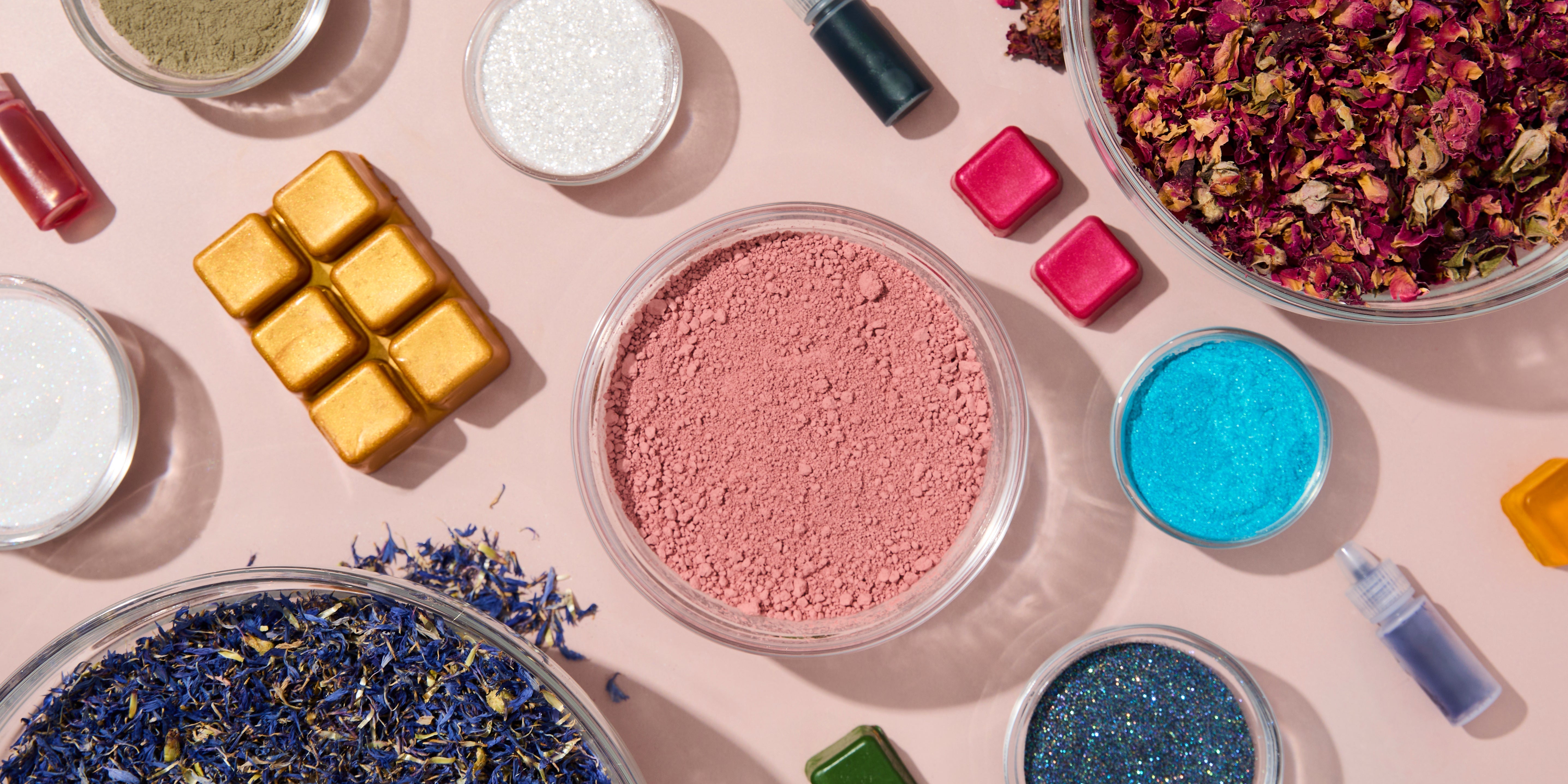
If your color additives aren’t approved for skin use under FDA cosmetic regulations—even if marked “non-toxic”—they can trigger penalties or recalls if an issue arises.
-
Fragrance oils labeled for cosmetic use only should not be used in exempt soap if you're trying to maintain the FDA exemption.
-
Always ensure that any additives used are compliant with CPSC expectations and do not require FDA oversight.
FAQs: Is Soap a Consumable Product? And Other Common Questions
Is soap a consumable product?
While not consumed like food, soap is considered a consumable in the sense that it’s used up with regular use. However, in regulatory terms, it’s not categorized as a “consumable” under the FD&C Act.
Do I need FDA approval to sell homemade soap?
No, not if your soap qualifies for the FDA exemption. If it’s made from alkali salts of fatty acids and sold as soap with no cosmetic or therapeutic claims, it falls under CPSC oversight.
Is soap regulated by the FDA?
Only if your product contains additives or marketing claims that reclassify it as a cosmetic or drug. Otherwise, soap exempt from FDA oversight is regulated by the CPSC .
Can I say my soap is “moisturizing”?
No. Even one word like “moisturizing” can push your product into cosmetic territory, requiring full FDA compliance.
Are essential oils or fragrances allowed in exempt soap?
Only if they are skin-safe and don’t imply a benefit beyond cleansing. Using fragrance oils intended for cosmetics may put your product under FDA regulation.
Do I need to test my exempt soap for safety?
Yes. CPSC expects that all products are safe for consumer use. You should either test your soap or thoroughly understand your ingredients and their safety data.
The CPSC expect that you need to either test your products for consumer safety or know your ingredients/formula well enough to ensure a safe consumer product. A common area of error is "soap safe only" color additives. These are often non-toxic ink dyes. "Non-toxic" sounds safe so you may assume they are indeed safe for use in soap. The problem comes in when there is a consumer allergy or injury. The CPSC will utilize the manufacturer’s recommendation for use, which is typically plastics and ink dye applications. They will clearly use the FDA’s studies that state the color is not skin safe for cosmetics. If there is an investigation, the CPSC will likely find that you have failed to provide a safe consumer product. This can then result in recalls, fines, brand damage and public embarrassment. It is even possible that your insurance carrier will not cover the consumer injury claim because you knowingly used an additive not approved for skin contact.