Wholesaling to Hospitality
Expanding into the hospitality industry opens a world of opportunities for makers of bath and body products. Hotels, resorts, and spas are consistently seeking new, high-quality amenities that elevate the guest experience and reinforce their brand. For small businesses and artisan brands, wholesaling to hospitality clients can become a powerful revenue stream, one built on reliability, consistency, and thoughtful product presentation.
The journey into this market isn’t just about selling in bulk. It requires understanding what hospitality buyers expect, how the wholesale process works in this industry, and what steps are necessary to stand out as a vendor.
What Is Wholesale in the Hospitality Industry?
Wholesaling in hospitality involves supplying products, like bath and body care items, to hotels, inns, and spas in large quantities at reduced unit pricing. These businesses aren’t looking for a few retail items for the shelf; they need inventory that’s ready to meet guest demand consistently.
Unlike traditional retail, hospitality vendors must anticipate higher frequency orders, meet precise packaging standards, and often cater to branding guidelines. Offering private label or white label options is common in this space, especially for boutique hotels aiming to customize their amenities with local flair or wellness-oriented ingredients. As a hotel distributor or supplier, trust and consistency matter as much as the products themselves.
Why Hotels Are a Lucrative Market for Body Care Vendors
Guest expectations have shifted. Clean formulations, attractive packaging, and eco-conscious ingredients are no longer optional, they’re the standard. Boutique hotels and high-end resorts are eager to source luxury bath products wholesale that reflect the experience they want guests to remember.
This demand creates an ideal space for soap and skincare makers to step into hospitality sales. Not only does it provide recurring income through bulk orders, but it also offers long-term growth through referrals and expanding vendor relationships. A signature scent or standout lotion can leave a lasting impression that guests remember, and even seek out again through direct channels or in-room retail.
What Hospitality Buyers Look for in a Vendor
Becoming a successful hospitality vendor means knowing exactly what buyers prioritize. Pricing structure and product consistency are just the beginning. Buyers typically favor suppliers who offer clarity on minimum order quantities, transparent timelines, and the ability to deliver on time without compromising quality.
Packaging plays a major role, too. Sealed, tamper-proof, and travel-size formats are often required, especially for hotel bathroom amenities. For those supplying organic skincare wholesale or clean beauty alternatives, having certifications or detailed ingredient transparency can be a deciding factor in securing a contract.
Vendor responsiveness also goes a long way in hospitality. A proactive supplier who communicates clearly and adjusts to client needs will often outperform a brand with flashier products but less reliability.
How to Get Your Products into Hotels and Spas
Start by refining your product line for the hospitality space. This may involve downsizing packaging, simplifying labels, and preparing pricing tiers that account for wholesale margins. If you're aiming to supply spa retail wholesale, focus on products that carry a sense of indulgence and match the aesthetic of wellness environments.
Reach out to hotels or resorts directly or list your products on platforms where hospitality buyers shop. Many makers use marketplaces like Faire or connect through trade shows and hospitality-specific sourcing events. When introducing your products, include a sample kit and a concise pitch that focuses on quality, consistency, and your ability to scale.
Be prepared to negotiate. Hospitality vendors should anticipate conversations around exclusivity, pricing breaks at higher volumes, and delivery schedules. Establishing a smooth onboarding process and showing that you can meet ongoing demand builds confidence in your brand.
As for pricing, makers often ask about markup expectations. The average markup from wholesale to retail in hospitality settings can range anywhere between 50% to 100%, depending on product quality, packaging, and the perceived luxury of the item. Being aware of those figures helps you price both competitively and sustainably.
Hospitality Amenity Categories You Can Supply
Guest-facing amenities fall into several common categories, each with its own product expectations and packaging standards.
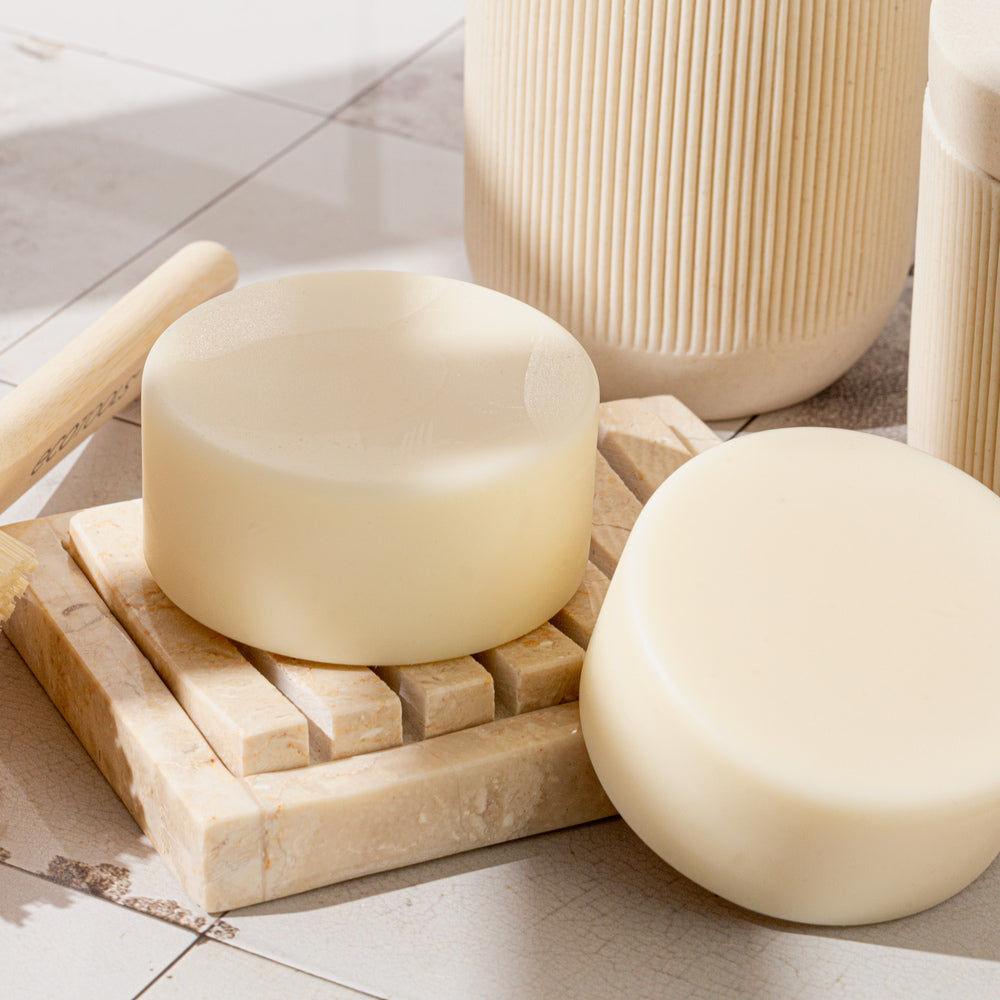
Hotel bathroom amenities include essentials like shampoo, conditioner, body lotion, and soap bars. These are typically offered in compact, hygienic formats that match the hotel’s overall branding and bathroom aesthetic. Products need to feel elevated, but not overwhelming, a balance of function and guest delight.
Hotel welcome amenities go beyond hygiene. Many boutique hotels offer curated welcome kits that include artisan bath bombs, pillow sprays, or scented sachets. These small gestures carry the potential to showcase your creativity while giving hotels memorable touchpoints for guests.
Spa retail spaces often double as curated gift shops, offering body scrubs, facial mists, or oil blends in full-size packaging. Supplying to this area opens doors to higher-margin sales and allows your brand to be discovered by guests even outside the context of a stay.
Legal, Safety & Labeling Considerations for Hospitality Sales
Wholesaling into the hospitality market carries responsibilities beyond making a great product. Labeling must meet FDA guidelines, especially if you’re selling bath or skincare items. Ingredients should be clearly listed, and claims like “soothing” or “moisturizing” must be grounded in general consumer experience or widely accepted studies, avoiding medical claims entirely.
Safety is critical. Hospitality buyers will want assurance that your product meets standards for packaging, shelf life, and allergen awareness. Products for spa or in-room use should be stable and properly sealed. If your line uses essential oils or other active ingredients, referencing IFRA guidelines helps establish credibility and shows your commitment to guest well-being.
Resources to Help You Get Started
Breaking into the hospitality sector doesn’t have to be overwhelming. Several resources are available to help new vendors navigate wholesale, pricing, and distribution logistics.
For exposure, explore hospitality-specific sourcing platforms and reach out to hotels with procurement contacts available online. Build relationships with boutique hotel owners or regional chains who often value local partnerships and unique offerings.
Wholesale Supplies Plus also offers tools to support your entry into this space. Use the fragrance calculator to fine-tune your product blends, and browse labeling options designed for professional presentation. Starter kits and pre-measured base materials make it easier to scale up your production with consistency and control.
Business growth in hospitality doesn’t happen overnight, but each sample placed and relationship built moves you closer to becoming a trusted supplier in this expanding market.