Articles

Make The Most Of Your Presence At Farmers Markets
Article

Make The Most Of Your Presence At Farmers Markets
Selling at markets can help you establish a reputation in your local community and reach customers who wouldn’t otherwise know you exist. But a different venue may require different strategies than you use to sell online or in store in order to maximize your time and efforts. Here are a few ways for successfully selling soap at a farmers market.
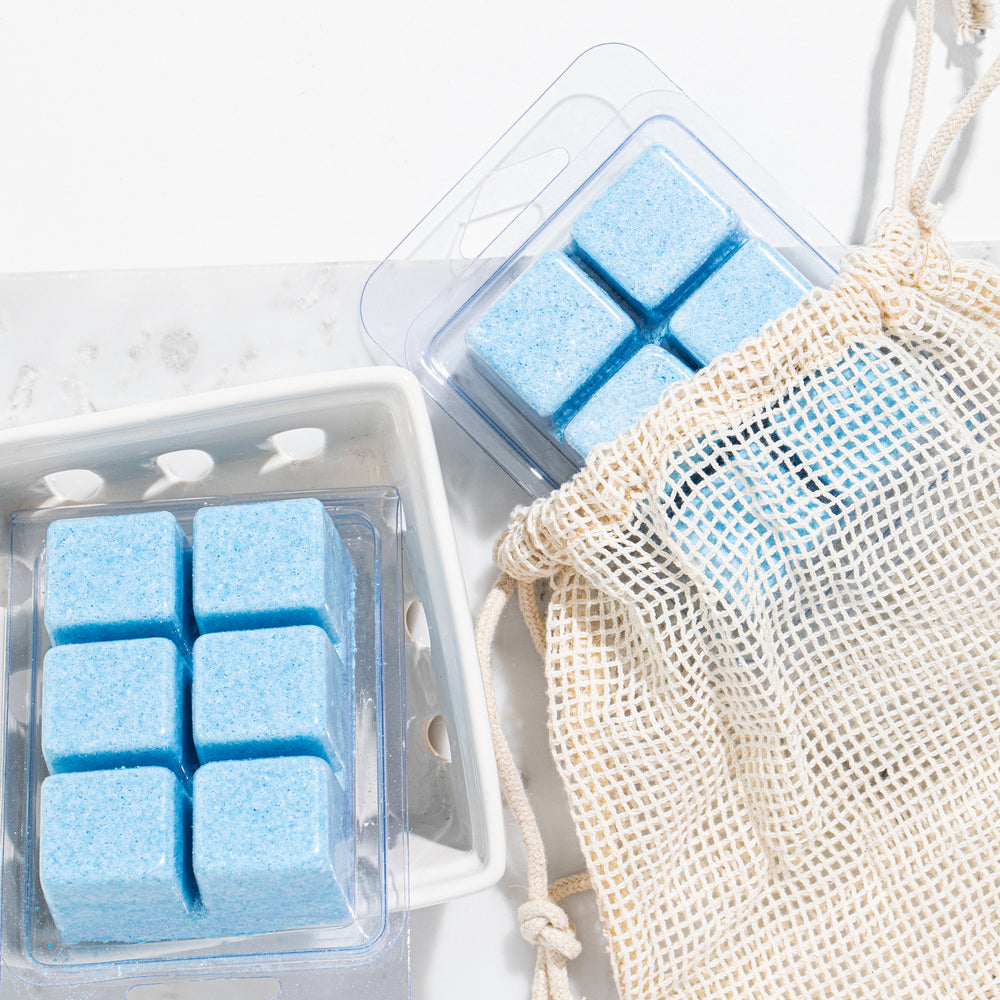
Blue toilet cleaning tabs in plastic clamshell packages beside mesh drawstring bag on white bathroom surface

Article

Toilet Tabs Recipe Video
Watch this video to learn how to make toilet tabs! Toilet tabs are tablets that clean and freshen the toilet bowl. Drop one into a toilet bowl, watch it bubble and fizz as it cleanses the bowl, give it a little scrub, and then flush. We love the lemony fresh scent that this produces!
Transforming Your Shaving Routine: A Guide to Luxurious Homemade Shaving Soap
Article

Transforming Your Shaving Routine: A Guide to Luxurious Homemade Shaving Soap
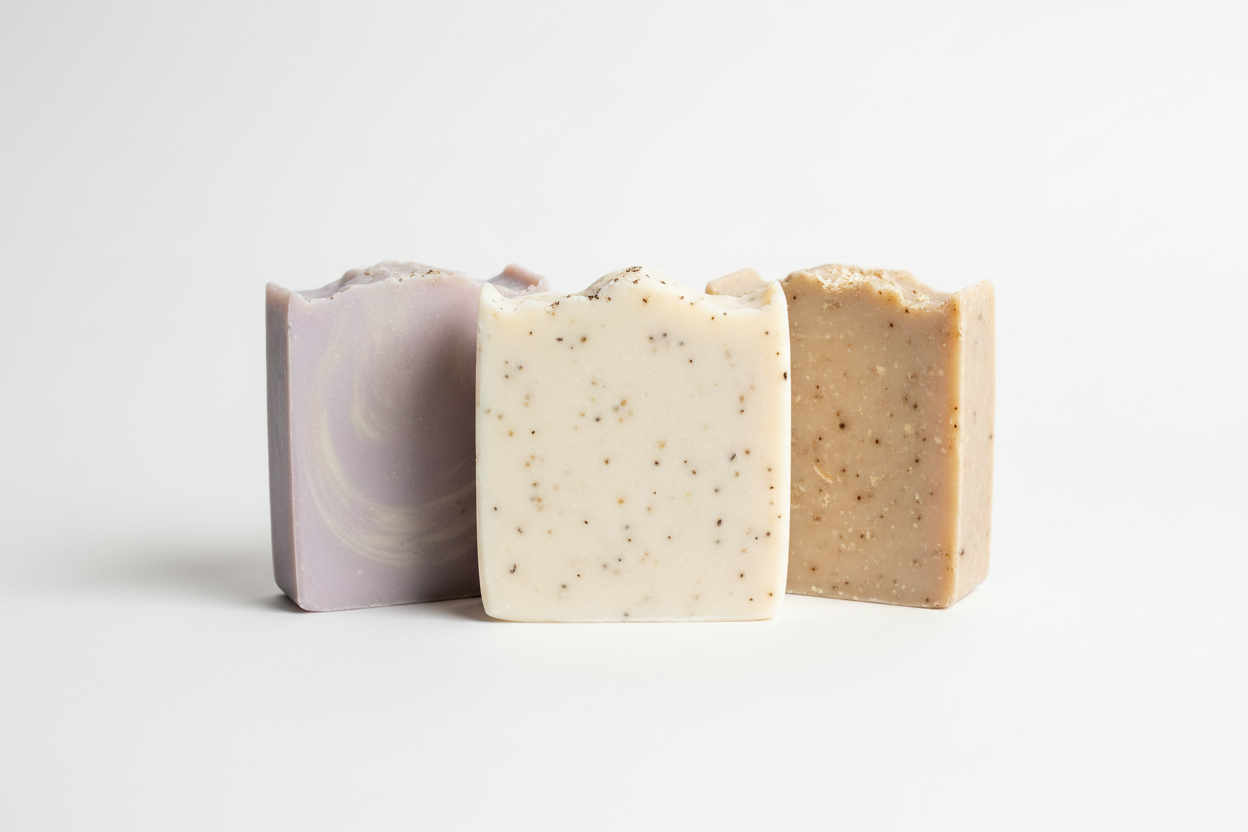
Embracing the art of making your shaving soap can transform an everyday necessity into an indulgent ritual. This comprehensive tutorial is designed to guide you in crafting a homemade shaving soap that incorporates lavish ingredients like shea and cocoa butter. These components contribute to a lather that is thick and creamy and facilitates a seamless shave. Shaving soap formulations are distinct from typical soaps, incorporating a blend of sodium hydroxide and potassium hydroxide. This combination yields a softer soap that lathers quickly, an essential characteristic for shaving. Our hot process shaving soap recipe is rich in stearic acid, sourced from shea butter, cocoa butter, palm oil, and pure stearic acid, to produce a dense and luxuriously creamy lather.Adding peppermint and patchouli essential oils infuses the soap with a refreshing aroma, enhancing the overall shaving experience. For those with specific scent preferences, there is flexibility to substitute any essential or fragrance oil, including options from our Masculine Fragrance Oils collection, to personalize the aroma.To further enrich the soap, glycerin, and yogurt are blended post-cooking, adding moisture and refining the texture for a more straightforward application. This DIY shaving soap recipe is optimized for preparation in a 6-quart slow cooker, though it can be adjusted for various quantities, ensuring the perfect blend every time.Producing six 8 oz jars, this recipe is perfect for personal indulgence and gift-giving. With a precise 6:1 water-to-lye ratio and an 8% super fat content, it caters to those with a more developed soap-making skill set, promising a luxurious and gentle product on the skin. Digital Scale Six qt Slow Cooker Immersion Blender Protective Gear (Goggles, Gloves) Digital Thermometer Silicone Spatula Pipettes (for essential oils) Six 8 oz Plastic Jars with Lids 5 oz / 141.7 g Stearic Acid (25% of oils) 5 oz / 141.7 g Shea Butter (25% of oils) 4 oz / 113.4 g Palm Oil (20% of oils) 3 oz / 85 g Coconut Oil (15% of oils) 2 oz / 56.7 g Cocoa Butter (10% of oils) 1 oz / 28.3 g Castor Oil (5% of oils) 1.05 oz / 29.9 g Sodium Hydroxide (NaOH) 2.47 oz / 69.9 g Potassium Hydroxide (KOH), 90% Purity 17.6 oz / 499 g Distilled or Deionized Water 1 oz / 28.3 g Glycerin (Available from Pharmacies) 0.75 oz / 21.26 g Plain Yogurt, Any Fat Percentage (Greek Yogurt or Regular) 0.5 oz / 14.17 g Peppermint Essential Oil 0.1 oz / 2.83 g Patchouli Essential Oil Lye Solution Preparation: Dissolve potassium hydroxide and sodium hydroxide in distilled water. Oil and Butter Melting: In the slow cooker, melt the stearic acid, shea butter, and other oils. Mixing and Blending: Blend the lye solution with the melted oils until the mixture reaches a trace. Soap Base Cooking: Cook the mixture, stirring now and then, until it achieves a glossy and slightly translucent look. Soap Finalization: Cool the mixture slightly before incorporating the glycerin and yogurt, then pour the final blend into your jars. Embarking on making your hot process shaving soap is creative and scientific. This process not only demystifies the art of soap-making but also produces a superior product to commercially available options. By meticulously following this guide, you will master the steps from the initial mixture to the final cure, culminating in a profoundly satisfying and personalized shaving experience. Q: Is it necessary to use both sodium hydroxide and potassium hydroxide?A: Yes, combining sodium hydroxide and potassium hydroxide is crucial for shaving soap to achieve a softer soap that lathers more readily than those made with sodium hydroxide alone.Q: How can I adjust the scent of my shaving soap?A: You can personalize the fragrance of your shaving soap by substituting the suggested essential oils with any essential or fragrance oils of your choice, allowing for endless possibilities to match your preferred scent profile.Q: Can this recipe be scaled up or down?A: The recipe can be adjusted to accommodate different batch sizes. However, it's essential to recalibrate the quantities accurately and possibly adjust the size of your slow cooker to ensure the mixture blends efficiently.Q: How long does homemade shaving soap last?A: When stored properly in a cool, dry place, homemade shaving soap can last several months. Ensuring the soap is fully cured before use will extend its shelf life.Crafting your hot process shaving soap is a rewarding endeavor that elevates the mundane task of shaving to a luxurious self-care experience. Whether for personal use or as thoughtful, handmade gifts, the shaving soap you craft following these instructions promises to enhance the shaving experience, proving that with time and creativity, even the most routine tasks can be transformed into moments of indulgence. Embrace this journey into the art and science of soap-making, and enjoy the unparalleled satisfaction of crafting a product that not only meets but exceeds the performance of commercial alternatives, all while being tailored precisely to your preferences.
How to Make Soap for Sensitive Skin

Article

How to Make Soap for Sensitive Skin
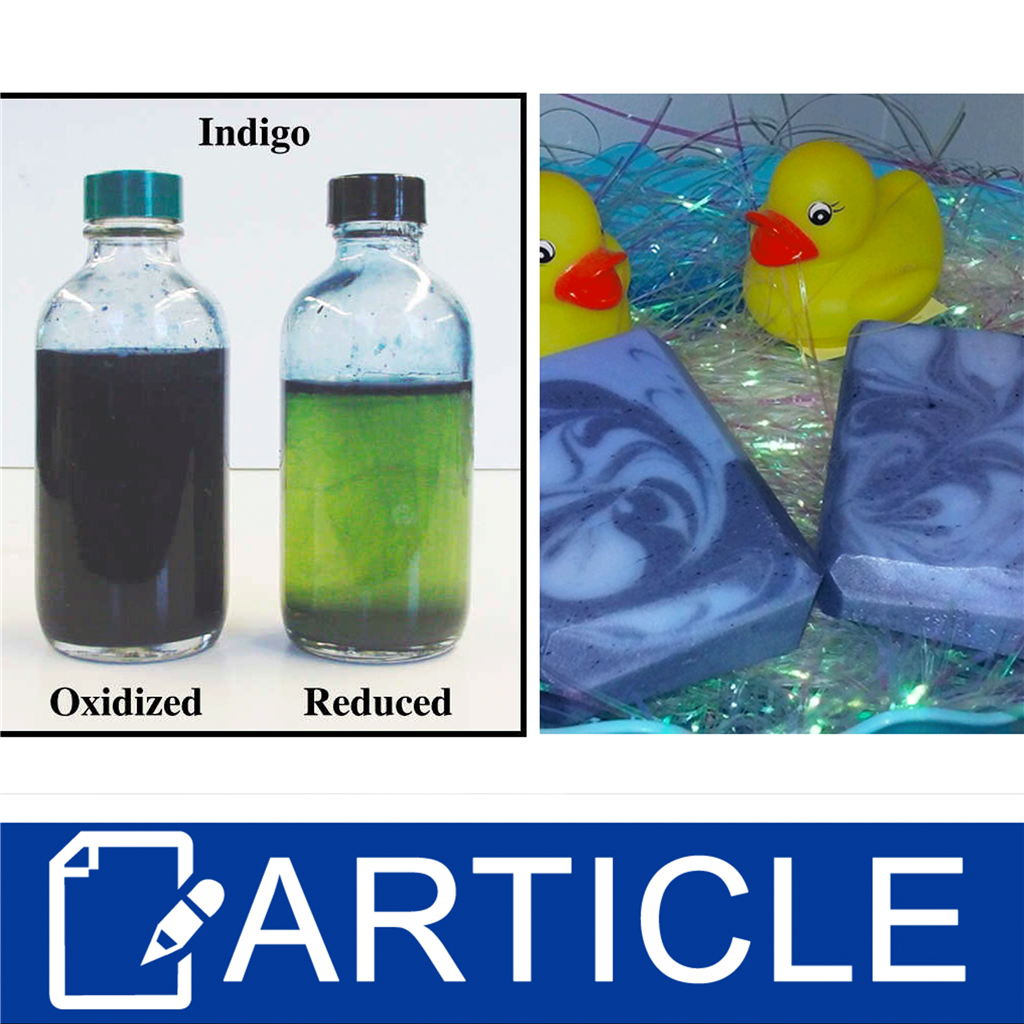
Soap making is an art that allows you to craft personalized, skin-loving products. For those with sensitive skin, choosing the right ingredients is crucial to ensure a gentle and nourishing experience. In this guide, we'll delve into the world of soap making for sensitive skin, exploring ingredients, essential oils, and providing recipes to create bars that cater to delicate skin needs.
The Indigo Swirls

Article

The Indigo Swirls
For most of human history, indigo has not been just another blue dye, it has been the blue dye. While we now have many blue dyes available, indigo still puts the blue in “blue jeans.” The chemistry of indigo is quite interesting and introduces a concept new to most soapmakers, that of oxidation and reduction. Oxidation is a process familiar to everyone. When wood burns, it is oxidized. When iron rusts, it is oxidized. When a cut apple turns brown, it is oxidized. When anything reacts with oxygen (usually from the air), it is oxidized. Less familiar to most people is the reverse process—reduction.
Keeping Batch Records and Good Manufacturing Practices for Selling Soaps
Article

Keeping Batch Records and Good Manufacturing Practices for Selling Soaps
You have a terrific new handmade soap recipe to make and are all set to go. The product looks great and the scent you’ve picked smells divine. Paperwork and record-keeping is probably the last thing on your mind at the moment, but now is the time to get out your notebook or spreadsheet. The recipe you’re following — whether it’s new or tried-and-true — is generally referred to as a Master Formula or Master Recipe. The records you keep when making a batch of product from a Master Formula are called your Batch Record. It should contain the details of the batch, what ingredients you used, the amount of each, and how you made the product.
Labeling: Color Additives

Article

Labeling: Color Additives
You've probably noticed that most cosmetics and soap bases are a pretty neutral white or cream color. Two types of ingredients can color of your product: an ingredient that happens to change the color or a color additive. Learn the difference between these two things, for both your product labeling and regulatory compliance.
C is for Citrus

Article

C is for Citrus
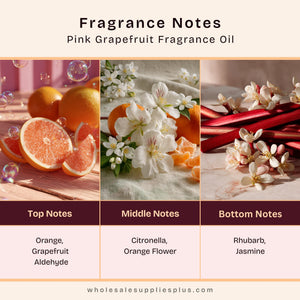
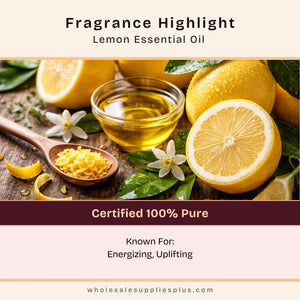
citrus  | aromatic cosmetic additive Citrus scents can be essential oils or fragrance oils. They are considered to be some of the most popular aromas as they have a high appeal to women, men, teens and children. The most popular scents are lemon, lime, grapefruit and orange. They are used to bring fresh, sunny and bright notes to formulations. When blended with other scents citrus enhances sweet, sour, floral, vanilla and gourmand bakery aromatics. It will tend to get a bit lost when blended with other fruit notes. It is a little known fact that many citrus fragrance oils actually contain a substantial amount of citrus essential oil.
Crafting Your Natural Massage Oil

Article

Crafting Your Natural Massage Oil

Discover the art of creating your very own natural massage oil with our easy-to-follow recipe from Wholesale Supplies Plus. This soothing and aromatic blend not only offers relaxation and comfort but also provides the therapeutic benefits of natural ingredients. Whether you’re a seasoned DIY enthusiast or new to homemade skincare products, this guide will help you craft a luxurious massage oil that rivals those found in high-end spas.Creating your massage oil is simpler than you might think. Start by selecting high-quality carrier oils as your base; these typically include sweet almond oil, jojoba oil, or grapeseed oil, known for their nourishing and skin-friendly properties. Next, enhance your base with essential oils chosen for their desired therapeutic benefits. Lavender for calming, peppermint for invigorating, and eucalyptus for relieving tension are popular choices. Remember, the key to a successful massage oil is balancing the scents to create a harmonious blend. Temperature Matters: When mixing your oils, use a glass bowl or measuring cup that can be gently warmed. This helps the oils blend more smoothly and enhances the fragrance of essential oils. The Right Ratio: Generally, a safe dilution ratio is about 1-2% essential oil to the volume of carrier oil. This means adding about 6-12 drops of essential oil per ounce of carrier oil to ensure the mixture is effective yet gentle on the skin. Storage: Store your finished massage oil in a dark glass bottle to protect it from light, which can degrade the oils over time. Keep it in a cool, dry place to preserve its freshness and efficacy. InformationLevel: BeginnerYield: Two 4 oz bottlesTimingPreparation Time: 5 minutesSupplies Digital scale Spatula or spoon Spray bottle with 70% isopropyl alcohol Funnel pitcher Disposable pipettes (for preservative and essential oils) Paper towels Two 4 oz bottles Two closures Ingredients Total Weight: 7.6 oz (210 g) of Sweet Almond Oil Energizing Blend: 3 mL Sweet Orange Essential Oil 0.5 mL Eucalyptus Essential Oil 0.5 mL Peppermint Essential Oil Relaxing Blend: 2 mL Lavender 40/42 Essential Oil 1 mL Rosemary Essential Oil 1 mL Bergamot Essential Oil Directions Preparation: Before beginning, ensure you have read all instructions. Clean your work surface, utensils, and mixing bowl by spraying them with 70% isopropyl alcohol and wiping them down with paper towels. Always use disposable pipettes for essential oils to avoid contamination. Do not use undiluted essential oils in plastic containers. Mixing: Pour the apricot kernel oil into a funnel pitcher. Carefully add the essential oils using disposable pipettes and stir well to combine. Bottling: Transfer the mixture into plastic bottles, secure the caps, and your all-natural massage oil is ready to use. Enjoy the benefits of your homemade product! Personalize your massage oil by experimenting with different essential oil combinations based on the therapeutic properties or scents you prefer. Adding vitamin E not only benefits the skin but also acts as a natural preservative. For an extra touch of luxury, infuse your carrier oil with herbs like chamomile or rose petals before adding essential oils.Embrace the process of mixing and matching your ingredients to create a truly personalized massage oil that meets your needs. Enjoy the satisfaction of using a product that is all-natural, cost-effective, and crafted by your own hands. This luxurious massage oil makes a thoughtful gift or a perfect addition to your self-care routine. How long does homemade massage oil last?Typically, homemade massage oil can last up to 6 months if stored properly. The shelf life depends on the oils used; for instance, jojoba oil has a longer shelf life compared to other carrier oils.Can I use coconut oil as a carrier oil?Absolutely! Coconut oil is an excellent choice for massage oil due to its moisturizing properties and pleasant scent. Use fractionated coconut oil, which remains liquid at room temperature and mixes well with essential oils.What are the best essential oils for relaxation?Lavender, chamomile, and bergamot are renowned for their calming effects. They are perfect for a relaxation-focused massage oil blend.
4 Ways to Capture Holiday Customers

Article

4 Ways to Capture Holiday Customers
Holiday shoppers are low-hanging fruit—if you take the steps to capture their dollars. Here are four ways to attract more holiday shoppers to your business.
Gingerbread 1 3/4" Column Silicone Soap Mold Video

Article

Gingerbread 1 3/4" Column Silicone Soap Mold Video
This video demonstrates how easy it is to make a 1 3/4" gingerbread man shaped soap using the Crafter's Choice Gingerbread 1 3/4" Column Silicone Soap Mold. The gingerbread man looks great embedded in a large loaf mold or in a round column mold. This product is great around the holidays to make Gingerbread Man Soap!
DIY Spooky Halloween Bath Salts, Bath Fizzies and Soaps Video

Article

DIY Spooky Halloween Bath Salts, Bath Fizzies and Soaps Video
Debbie May, president of Wholesale Supplies Plus, walks us through three simple recipes. The first recipe is for Shea 50 Bath Fizzies. The second is for Witches Brew Bath Salts and the last recipe is for cute Halloween inspired soaps.