Articles

How to Make Soy Candles

Article

How to Make Soy Candles
In this tutorial you’ll learn how to make soy wax candles at home with Golden Brands 415 and Ky PureSoy.If you are making paraffin wax candles, DO NOT use these directions. These directions are for container soy wax candles only. First, gently melt the soy wax in a Presto Kitchen Kettle or microwave. Proceed to heat the soy wax to about 160-175 degrees. Take the wax from the melting pot to the pouring pot. Add color and dissolve. Lastly, add candle fragrance oil. Let the wax sit in the pouring pot until it looks as though it is starting to set up (around 100° or a little less.) Make sure the wax has a cloudy look and appears slushy when it is being poured. (This takes some time, so be patient. This could take 30 minutes or more depending on how large of a batch is being made.) Next, stir the soy wax thoroughly and pour into the wicked candle jars. (NOTE: Judge when to pour by how the soy wax looks rather than the temperature; we recommend 100 degrees because that is usually when the soy wax starts setting up.) Next, pour the soy candle wax into jars that have a wick glued into the bottom with Silicone, high melt point hot glue or Candle Wick Stickers. Center your candle wicks and prop up with a popsicle stick (we suggest putting two popsicle sticks together, then put the candle wick in the middle and secure with a clothespin to assure the wick stays centered.) Let candle set up completely, trim the wick, and let candle cure at least 48 hours before test burning. No need to heat jars. Recommended amount of candle fragrance oil is 1 to 1 1/2 ounces per pound of soy wax. Please use a digital scale for weighing, not a measuring glass – always measure candle making fragrance oil by weight rather than volume. Do not trim the candle wick of a soy candle as short as a candle made with paraffin wax. Soy wax needs a little extra wick to get started burning well the first time. ** You can pour the wax hot, however, the tops will look flaky or crusty. Also, sometimes the sides will be frosty and may not have a polished, professional look. This can cause the soy candle to not burn correctly when poured at a hotter temperature. If you pour hot, pour at least at 170 degrees. NOTE: Testing is an important part of candle making and is a step that cannot be skipped. You cannot use the same size candle wick in all size containers; you must test to find the candle wick that works correctly for the size container you are using. You do not want to use a candle wick that will get too hot, but you don’t want to use one that is too cool and causes your wick to go out. We can give you suggestions as a starting point to do your testing. Each individual candle maker is responsible for how his or her own soy candles turn out. Please always test in small batches before making large amounts of soy candles. Each candle maker needs to find a method that is comfortable for him or her. Making soy candles at home is generally safe if you adhere to proper safety practices. It's important to use the correct equipment, such as a double boiler, to avoid direct heating of the wax and manage the melting temperature efficiently, which should be monitored closely with a thermometer to prevent overheating—typically between 120 to 180 degrees Fahrenheit (49 to 82 degrees Celsius).Always work in a well-ventilated area, particularly when adding fragrances, to minimize the inhalation of any fumes. Safety measures should include having a fire extinguisher or baking soda on hand to handle any potential fires, as water should never be used to extinguish a wax fire. Additionally, ensure your workspace is organized and free from clutter to avoid spills and wear protective gear, like gloves and eye protection, to safeguard against burns or splashes. Following these guidelines will help ensure a safe and enjoyable candle-making experience at home. To make the best-smelling soy candles, start by selecting high-quality soy wax, which is known for holding scent well and burning cleanly. Choose fragrance oils that are specifically designed for candle making to ensure they are safe to burn and capable of evenly permeating the space as the candle burns. You can also experiment with essential oils for a natural fragrance, but be mindful of their scent throw and compatibility with soy wax. The key to a robust aroma is to use the correct amount of fragrance; typically, 6-10% of the weight of the wax used, depending on the strength of the fragrance and personal preference. Additionally, ensure the wax is at the right temperature when adding your oils—typically around 185 degrees Fahrenheit—to optimize fragrance absorption. Stir the fragrance thoroughly into the melted wax to ensure even distribution. Choosing the right wick size also affects how the candle burns and releases fragrance. Finally, allow your candles to cure for at least 48 hours before burning to enhance the fragrance's strength and throw.
The Benefits of Aloe Vera

Article

The Benefits of Aloe Vera
Aloe Vera is one of the most commonly used botanicals in both commercial and handmade products as it has such great properties for skin and hair. It acts as an anti-inflammatory, anti-bacterial, and anti-oxidant while it hydrates, speeds up wound and burn healing, brightens, soothes irritated skin, reduces transepidermal water loss and redness, and promotes a more even skin tone. Phew! Let’s take a look at a few of these compounds that make aloe vera so fantastic!
How Thinking Without A Box Can Change Your Life
Article

How Thinking Without A Box Can Change Your Life
It’s one thing to have an idea that you’re really passionate about, and another to have a concept that’s also practical, strategic and profitable. If what you are doing isn’t working, then it’s definitely time to shift those gears! Here are a few indications that it’s time to get out of the box and realize that you have a whole world of choices before you.
Simple Secrets: Incorporating Coffee Into Cold Process Soap
Article

Simple Secrets: Incorporating Coffee Into Cold Process Soap
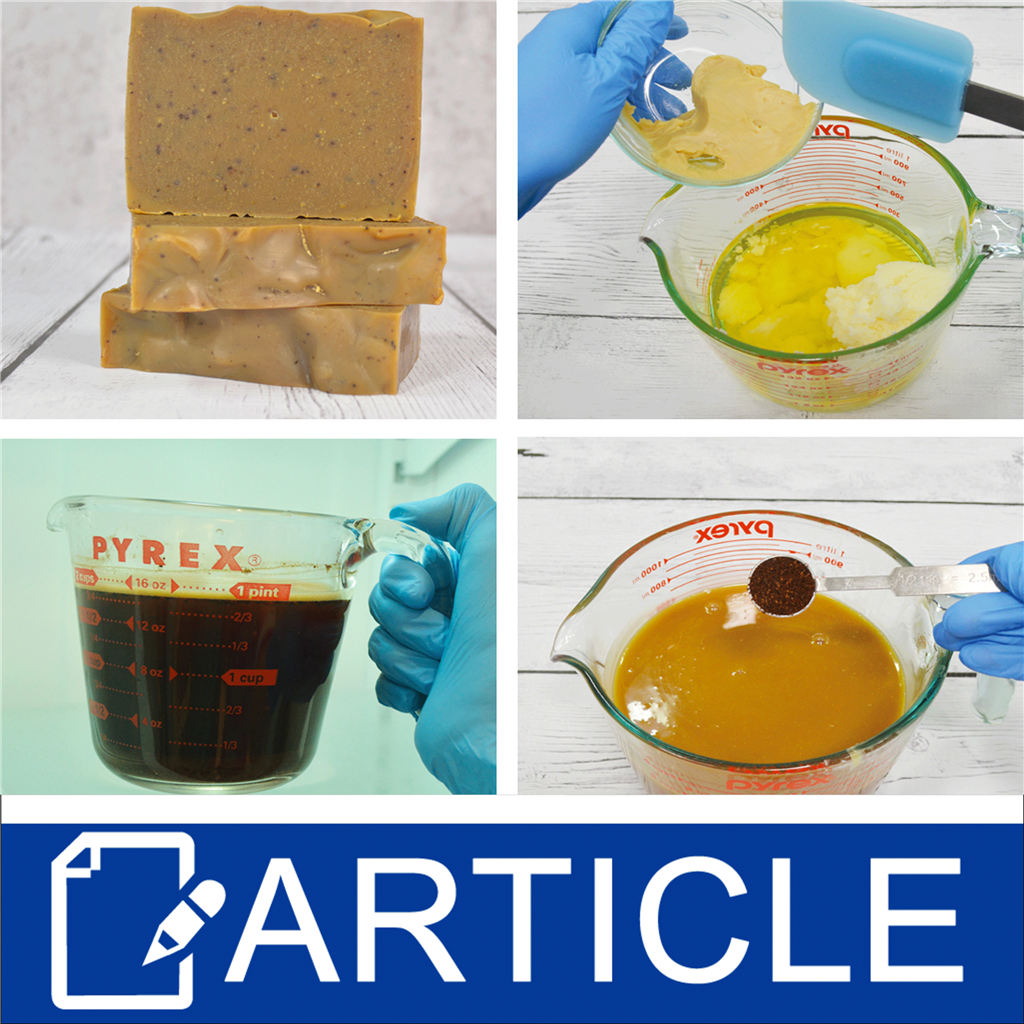
The Goal: Many of us start our day with a rich cup of hot coffee as we ponder what the day holds. It's not surprising that this coffee drinking leads to the idea of putting coffee in soap! We love the smell, and coffee gives soap a creamy brown color. In addition coffee is thought to provide unique and beneficial properties to formulas. Here's how we ran with this idea, and how we incorporated coffee in soap.
Sweet Spot- Formulating with Honey

Article

Sweet Spot- Formulating with Honey

Everyone knows the uses of honey in food products, but this sweet ingredient is now becoming an additive in a wide range of beauty products as well. If you're not already incorporating honey into your recipes, then now is the time to start! 
What is Clarifying Shampoo?

Article

What is Clarifying Shampoo?
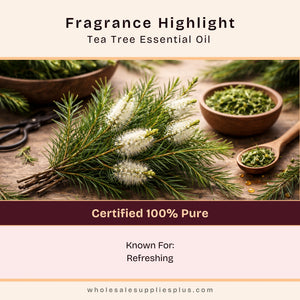
Clarifying shampoo is a special type of shampoo designed to remove buildup from hair products, natural oils, and pollutants, restoring hair to a clean, natural state. This guide will cover what clarifying shampoo is, key ingredients, and tips for creating an effective formula. Perfect for small business owners, soap makers, or DIY enthusiasts, it provides the basics for crafting high-quality clarifying shampoos. Clarifying shampoo is a powerful deep-cleansing shampoo that removes buildup from hair products, natural oils, hard water minerals, and pollutants. This buildup can weigh hair down and dull its shine. Formulated with strong cleansing agents, clarifying shampoo refreshes the scalp and restores volume and shine. It’s best used every few weeks or as needed, especially for those who frequently use styling products or want to revive flat, lifeless hair. A good clarifying shampoo effectively removes buildup without stripping the hair and scalp of essential moisture. The best clarifying shampoos offer a balanced formulation, combining cleansing agents with conditioning ingredients to prevent over-drying. When formulating a clarifying shampoo, it's essential to keep hair type in mind; some clarifying shampoos may be too harsh for dry or color-treated hair, so gentler formulas can cater to a broader audience.Characteristics of a good clarifying shampoo include: Effective Cleansing: It should thoroughly remove residue from products and oils. Non-Stripping: It balances cleansing power with conditioning agents to avoid leaving hair too dry. Suitable for All Hair Types: Formulas can be tailored to work on a variety of hair types, from fine to curly, by adjusting ingredients for gentleness or intensity. To create a clarifying shampoo, it’s important to choose ingredients that offer deep cleansing power while maintaining a gentle formula. Here are some popular clarifying shampoo ingredients: Sulfate-Free SurfactantsTraditional clarifying shampoos often include sulfates, but sulfate-free options like coco betaine or sodium cocoyl isethionate provide effective cleansing without being as harsh. These are ideal for more gentle clarifying shampoos. Apple Cider VinegarApple cider vinegar is a natural clarifier that helps remove product buildup, balance scalp pH, and add shine to the hair. It’s a great addition to natural or sulfate-free clarifying shampoos. Activated CharcoalKnown for its detoxifying properties, activated charcoal draws out impurities from the scalp and hair, making it an excellent choice for those who want a deep clean. Tea Tree OilTea tree oil has antimicrobial properties that help cleanse the scalp and remove impurities. It also provides a refreshing feel, making it a popular ingredient in clarifying shampoos. Baking SodaBaking soda is a strong cleansing agent that can help remove heavy buildup. It should be used sparingly or combined with other ingredients, as it can be drying if overused. Lemon or Citrus ExtractsCitrus extracts, like lemon or orange, have natural astringent qualities and help remove oils and impurities. They also add a refreshing scent to the shampoo. Aloe VeraWhile not a clarifying agent, aloe vera is included in clarifying shampoos to balance the formulation. It soothes and hydrates, preventing the shampoo from being too drying. To create a balanced product, avoid ingredients that could be overly drying or harsh: Heavy Silicones: Silicones like dimethicone can build up on the hair, counteracting the clarifying purpose. Harsh Sulfates: Ingredients like sodium lauryl sulfate are often too strong and may strip natural oils, causing dryness and irritation. Excessive Oils or Butters: While nourishing, these ingredients can weigh down the hair in a clarifying shampoo. Wholesale Supplies Plus offers a wide selection of clarifying shampoo ingredients, including sulfate-free surfactants, apple cider vinegar, essential oils, and more. By choosing high-quality, effective ingredients, you can create clarifying shampoos that deliver a thorough cleanse without over-drying the hair. Whether you're looking to craft gentle or intensive clarifying formulas, Wholesale Supplies Plus provides the resources you need.
Comparing Chemistry of Commercial Soaps and Handmade Soaps
Article

Comparing Chemistry of Commercial Soaps and Handmade Soaps
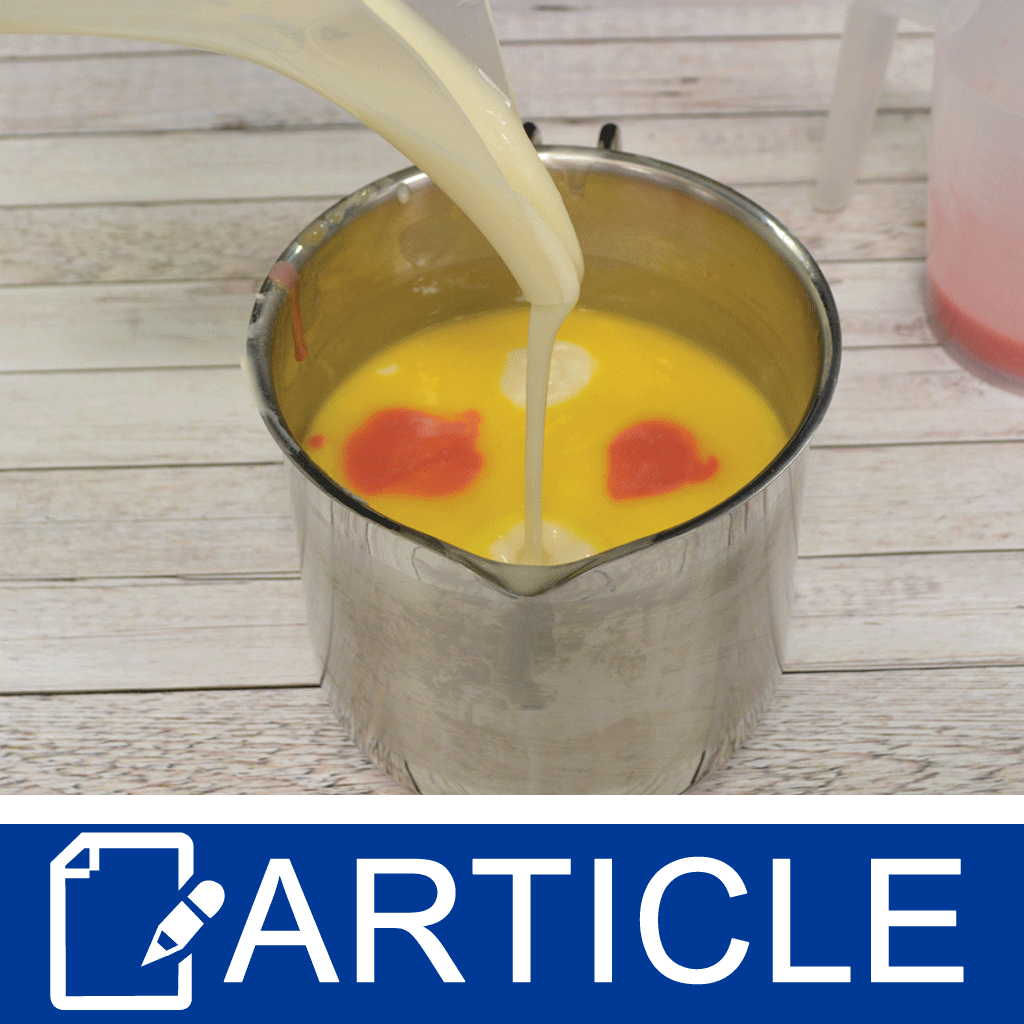
The world of handcrafted soap is often divided into two subcategories: Melt and Pour (MP) and Cold Process/Hot Process (CP/HP). MP soap is actually already soap (and perhaps some detergent) when the soapmaker buys it. CP/HP soap is made by reacting fats and oils with sodium or potassium hydroxide. While we like to think of handcrafted soap as returning to the pre-industrial methods of an earlier age, the processes used by modern handcrafters are actually quite different from those used historically.
In-the-Pot Cold Process  Soap Swirl

Article

In-the-Pot Cold Process Soap Swirl

Ever wonder how to create a beautiful, yet simple swirl in Cold Process Soap? The In-the-Pot Swirl is just that! Follow along with these tricks and tips and you'll be swirling soap in no time.
3 Simple Ways To Avoid Procrastination

Article

3 Simple Ways To Avoid Procrastination
After what I hope was a relaxing and fun summer, it’s time for you to get back into full gear and ready for the busy months ahead. In my experience as a business coach, I know that bouncing back from a vacation or a slowdown is rarely easy for business owners. For many, the laundry list of tasks becomes overwhelming and stressful, and the tendency to procrastinate kicks in. 
Formulating With Carrot

Article

Formulating With Carrot
Carrot (Daucus carota) is one of the most commonly used vegetables for human nutrition. The carrot is a root vegetable that can be found in a wide array of colors including purple and white, although it’s most common color is orange. The carrot gets this characteristic, bright orange color from beta-carotene and other carotenoids. Carrot is one of the ten most economically important vegetable crops in the world. The rate of increase in the global production of carrots has been greater than the world’s population growth rate, and greater than the overall increase in world vegetable production. [1]
Wine In Cosmetic Formulation

Article

Wine In Cosmetic Formulation
Wine is an alcoholic beverage made from fermented grapes. Grapes ferment when yeast consumes naturally occurring sugars in the fruit and converts it to ethanol and carbon dioxide. Different varieties of grapes and strains of yeasts produce different styles of wine. Variations occur as a result of the complex interactions between the development of the grape, the fermentation reaction, the terroir (environment/geography) and the production process. Wine contains phenolic acids, flavonols, anthocyanins, catechins, glutathione, resveratrol and proanthocyanidins.
Spooky Soap: DIY Halloween Soap Ideas for the Perfect Trick-or-Treat

Article

Spooky Soap: DIY Halloween Soap Ideas for the Perfect Trick-or-Treat
Get ready to cast a spell on your soap-making this Halloween season! Whether you're planning to hand out spooky treats or just want to get into the Halloween spirit, making your own Halloween soaps is a fun and creative way to celebrate. From ghostly apparitions to wicked witches and classic Jack-O-Lanterns, we've got all the Halloween soap ideas you need. Let’s dive into the most popular Halloween soap molds that will help you create the perfect spooky soaps for your next DIY project. Boo! Ghost soaps are a hauntingly good way to add some spooky fun to your Halloween. These eerie little spirits are sure to be a hit with both kids and adults alike. The Bats and Ghosts Mini Mold is perfect for creating these ghostly soaps, offering a fun and festive way to celebrate the season.Ghost Soap Mold:Bats and Ghosts Mini MoldWith this mold, you can easily create detailed ghost-shaped soaps that are perfect for Halloween parties or to give away as unique trick-or-treat goodies. Pair these molds with white or glow-in-the-dark soap bases to make your ghosts truly spooky! Double, double toil and trouble—create some magic in your soap-making with witch soap molds. Whether you’re crafting bubbling cauldrons or pointy witch hats, these molds will add a mystical touch to your Halloween soaps.Witch Soap Molds: Witches Hat Soap Mold Cauldron Soap Mold Wizard Hat Soap Mold These molds are perfect for creating a variety of Halloween soaps that feature iconic witchy symbols. Use vibrant greens, purples, and blacks to bring your witchy creations to life. Whether you're making soaps for party favors or just for fun, these molds will help you conjure up something truly magical. No Halloween is complete without pumpkins and Jack-O-Lanterns. These classic Halloween symbols make for charming and festive soaps that are sure to be a hit. From cute pumpkins to grinning Jack-O-Lanterns, these molds will help you create the perfect Halloween soaps.Pumpkin & Jack-O-Lantern Soap Molds: Pumpkin Soap Mold Pumpkin Guest Milky Way Soap Mold Jack-O-Lantern Silicone Mold Use bright orange soap bases and add a touch of cinnamon or pumpkin spice fragrance to make these soaps smell as good as they look. These Halloween soap ideas are perfect for creating seasonal gifts or adding a festive touch to your bathroom decor. Beyond ghosts, witches, and pumpkins, there are plenty of other spooky designs you can create with the right molds. From sugar skulls to mummies, these Halloween soap molds offer a variety of options to make your soap-making projects even more fun and festive.Other Halloween Soap Molds: Halloween 2 Milky Way Soap Mold Gingerbread Mummy Soap Mold Sugar Skull Soap Mold Spooks Soap Mold Tray These molds allow you to create unique and detailed Halloween soaps that stand out from the usual fare. Try using vibrant colors and bold fragrances to make these soaps truly eye-catching. Whether you're making soaps for a Halloween party, as gifts, or just for fun, these molds will inspire your creativity and help you produce something spooktacular!With these Halloween soap ideas and molds, you’ll be able to create an array of festive soaps that capture the spirit of the season. Whether you're a seasoned soap maker or just starting out, these molds make it easy to craft professional-looking Halloween soaps at home. So grab your favorite soap bases, pick out some spooky fragrances, and get ready to brew up some Halloween soaps that are sure to be a hit!