Articles

Facebook Live Video Newsletter: June Coupons

Article

Facebook Live Video Newsletter: June Coupons
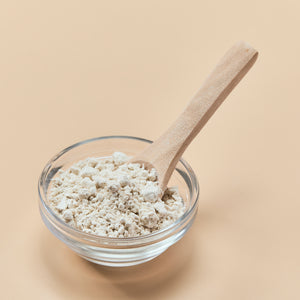
In this video newsletter, Debbie May talks all about the new Wholesale Supplies Plus coupons for June. You asked for it and we delivered so this month we are featuring multiple coupons for fragrance oils. Stock up on your favorites or try something new. Also get 25% off all Vitaburst beads, 25% off the Summer Mica Sampler Set, and 25% off the all new Sea Buckthorn Extract. 
3 Resources for Labeling Your Handmade Products

Article

3 Resources for Labeling Your Handmade Products
Product labels not only describe your product but they also allow you to distinguish yourself from competitors on shelves. Having a well-designed product label cannot only make your products more attractive but they can also lead to more sales! Whether you prefer to create your own labels or order them off of a website there are endless options for placing the finishing touches on your product. Here are a few label creating websites to kick start your creativity!
Alcohols, Sugars and Cold Process Soap

Article

Alcohols, Sugars and Cold Process Soap
In recent installments of this column, we have looked at additives that promote transparency in soap. Chief among these additives were those that belong to the broad class of chemicals known as the alcohols. Non-chemists immediately think of grain alcohol (ethanol) or rubbing alcohol (isopropanol), but these are only two examples of a large class of compounds that can be defined by the presence of one or more OH groups in their formulas. Ethanol, for example, is C2H5OH, and isopropanol is C3H7OH.
Testing Fragrances in Cold Process Soap

Article

Testing Fragrances in Cold Process Soap
Testing fragrances in cold process soap is both an art and a science. It requires patience, precision, and a bit of creativity. To ensure your soaps maintain their allure with lasting, pleasant scents, learning how to fragrance test in cold process soap is essential. Fragrance testing is not merely about determining the right amount of fragrance oil to use; it's about ensuring compatibility, longevity, and safety of the scent in your soap. This supplementary guide aims to provide you with additional insights and answers to common queries, helping you perfect the fragrance testing process.SUPPLIESScaleGlovesGogglesStovetoppH MeterSoap MoldsThermometerPlastic spatulas1 pitcher for lye1 pitcher for water1 stainless steel potDisposable PipettesStainless steel spoonsDisposable small cupsImmersion Stick BlenderSharpie marker and separate paper & penBasic Cold Process Soap Recipe 6 oz water 2.4 oz lye 7.2 oz Coconut Oil 5.6 oz Olive Oil 3.2 oz Palm Oil Fragrance – .7 – 1 oz per lb = 4 -6% (or Essential Oils at a reduced rate depending on the oil) Fragrance testing in cold process soap ensures that the scent remains stable throughout the curing process and doesn’t cause any unforeseen reactions in the soap, such as ricing, acceleration, or discoloration. Understanding how to test fragrances can be the difference between a batch of soap that enchants the senses and one that falls flat or causes practical issues in its usage. Discover our wide selection of long-lasting fragrance oils specifically designed to ensure your creations maintain their enchanting aromas throughout the curing process. Fragrance Fading: Some fragrances may dissipate during the curing process. To combat this, consider using fragrances known for their longevity in cold process soap, or slightly increasing the fragrance load within the recommended usage rates. Acceleration: If a fragrance causes the soap batter to thicken too quickly, try blending at lower temperatures or modifying your recipe to include more slow-moving oils. Discoloration: Some fragrances can discolor soap due to their chemical makeup. Conducting a fragrance test helps identify this issue early on, allowing for adjustments in design or fragrance selection. How long should I wait before evaluating the scent of my test soaps?It’s best to wait until the soap has fully cured, which usually takes 4-6 weeks, before making a final evaluation of the fragrance's performance.Can I test multiple fragrances in one batch of soap?Yes, you can segment a single batch of soap into smaller portions to test multiple fragrances simultaneously. This method is efficient and conserves resources.What should I do if a fragrance causes my soap to rice or accelerate?If ricing occurs, try blending the soap batter to smooth it out. For acceleration, work at cooler temperatures and be prepared to pour your soap into molds quickly. Consider choosing fragrances known for their ease of use in cold process soap making.How can I ensure my fragrance is safe for use in soap making?Always purchase fragrance oils from reputable suppliers– like Wholesale Supplies Plus– who provide specific information about the safety and recommended usage rates of their products for cold process soap. Conducting a thorough fragrance test is also crucial to ensuring safety and compatibility.Check out our essential soap making supplies to find everything you need from high-quality fragrance oils to reliable soap molds and more.
The Lowdown on Sunscreen

Article

The Lowdown on Sunscreen
Sunscreen is a term used to refer to both a product and an ingredient. It can be both a cream or lotion rubbed onto the skin to protect it from the sun and as well as active ingredient. Sunscreen, also referred to as sunblock and suntan lotion, is a topical product that absorbs or reflects some of the sun's ultraviolet radiation, thus protecting against sunburn.
Liquid Oils in Soap Making: A Comprehensive Guide

Article

Liquid Oils in Soap Making: A Comprehensive Guide
In the art and science of soap making, the choice of liquid oils can significantly influence the characteristics of the final product. From the creamy lather to the moisturizing properties and the shelf life of the soap, every oil adds a unique touch. This guide delves into the properties, uses, and benefits of various liquid oils in soap crafting, offering essential insights for both novice and experienced soap makers. Let's explore how to integrate these oils into your soap recipes effectively. Sweet Almond Oil stands out as a premier lightweight oil in the realm of oils for soap making, predominantly composed of oleic acid (60-78%) and linoleic acid (10-30%), enriched with sterols including 58 ppm of cholesterol and β-sitosterol, and a significant 164 ppm of Vitamin E, an antioxidant. Its unique composition offers anti-inflammatory and anti-itching properties, providing essential skin barrier support and making it a staple in formulations designed for sensitive or dry skin. With a shelf life of about 12 months at room temperature, Sweet Almond Oil is a versatile and cost-effective addition to massage oils, lip balms, and especially in cold-process soap recipes. Its ability to slow down trace makes it ideal for intricate designs and swirls in types of soap, allowing for up to 25% usage in a soap recipe. Sweet Almond Oil's lightweight and medium-greasy feel contributes to a low, lacy lather and a pleasant, creamy skin feel, elevating the quality of each bar of soap.Additionally, this liquid oil blends well with other oils for soap making, such as olive oil for its moisturizing properties, sunflower oil for a cost-effective solution, and apricot kernel oil for an extra gentle touch, enhancing the soap's ability to cater to sensitive and dry skin with a more luxurious and creamy lather. The inclusion of Sweet Almond Oil in cold process soap ensures that the oil adds to the soap's moisturizing benefits, making each bar of soap an exquisite piece of craftsmanship. By understanding what is liquid oil and its role in soap making, artisans can leverage Sweet Almond Oil's properties to produce soaps that not only cleanse but also nourish the skin, making it a key ingredient in the formulation of high-quality soaps. Apricot Kernel Oil, embodying the essence of versatility in soap and candle making, is a liquid oil that mirrors the composition of sweet almond oil yet stands out with a more nourishing profile. Boasting higher levels of sterols (2730 ppm) and vitamin E (approximately 300 ppm), this medium greasy, lightweight oil surpasses sweet almond oil in enriching properties. With a shelf life of about 12 months at room temperature, apricot kernel oil and sweet almond oil can be used interchangeably in a variety of body products, underscoring their compatibility and flexibility in formulations. Particularly in cold process soap making, apricot kernel oil shines, contributing significantly to the soap’s moisturizing and skin-softening qualities, making it ideal for sensitive and dry skin types.This oil’s utility extends beyond its primary benefits, serving as a cost-effective yet efficacious ingredient in oils for soap making. Its lightweight nature is a boon for creating soaps with a creamy lather and bars of soap that gently cleanse while providing moisture. When combined with other liquid oils like olive oil for its moisturizing benefits and sunflower oil for an economical yet hydrating option, apricot kernel oil enhances the overall formulation, offering a balanced and luxurious experience in every bar of soap. Its inclusion in soap recipes not only adds to the therapeutic qualities of the final product but also ensures a type of soap that caters to a variety of skin needs, including those with dry skin. Avocado Oil, a medium to heavy liquid oil known for its rich content in oleic acid (75%-80%), vitamins, and an impressive array of sterols (~1000 ppm), offers unmatched nourishing properties for handmade soaps. Its composition, further enriched with palmitic acid (10%) and linoleic acid (9%), along with ~175 ppm of vitamin E and a substantial concentration of polyphenols, including carotenoids like lutein, carotenes, and vitamins such as B2, biotin, folic acid, thiamine, and riboflavin, stands out for providing a dry skin feel and deep moisturization. Particularly beneficial for mature or dry skin types, avocado oil is celebrated for its ability to be easily absorbed, making it an excellent addition to both hair and skin products.In soap making, avocado oil can be utilized at up to 25% of the total recipe, contributing to a rich, creamy lather and a luxurious feel to the soap, enhancing the bar of soap with its cost-effectiveness and nutrient-packed profile. This makes it a popular choice for body products, suitable for those with sensitive skin or dry skin conditions. The inclusion of avocado oil in cold process soap recipes not only elevates the soap's moisturizing capabilities but also adds a luxurious dimension to the types of soap, ensuring a product that is both nourishing and indulgent. Castor Oil, with its unique fatty acid profile predominantly composed of ricinoleic acid (~85%), stands as an essential liquid oil for soap makers. This thick oil is distinguished by its ability to draw water to the skin, acting as a humectant, and contributes to a creamy lather while moisturizing the skin. Its distinct properties, including a very thick consistency and a dry skin feel, make it invaluable across a wide range of products. Despite its numerous benefits, it is crucial to use castor oil judiciously in soap making. Recommended amounts range from 2.5% to 10% of the total recipe to enhance lather without compromising the soap’s integrity, ensuring a bar of soap that caters to sensitive and dry skin types with its moisturizing capabilities.Beyond soap, castor oil's versatility extends to lip products and facial oil cleansers, benefiting from its shiny, plastic quality when combined with beeswax and its non-comedogenic properties that prevent the clogging of pores. This makes it a superb choice for formulations designed for sensitive skin, providing moisture without triggering acne. With a shelf life of about 12 months at room temperature, castor oil is a cost-effective addition to cold process soap recipes and other body products, boosting the solubility of soap and enhancing the lather, thereby contributing to a luxurious and nourishing skin feel. Grape Seed Oil is heralded for its light, silky texture and remarkable high linoleic acid content (72%), positioning it as a superior choice for soap crafting, particularly suitable for creating intricate swirl designs. This liquid oil, abundant in tannins and catechins, offers a unique dry feel, making it ideal for achieving a non-greasy finish in soap bars. However, its high fraction of polyunsaturated fatty acids, coupled with a lower vitamin E content (265 ppm), results in a shorter shelf life of 3-6 months. To mitigate this, adding vitamin E to the oil and soap recipes is recommended, alongside storing the oil in the freezer to prolong its usability, ensuring a cost-effective use of this valuable resource. The high linoleic acid in grapeseed oil is especially beneficial for acne-prone or damaged skin, aiding in barrier repair and fostering a healthy complexion. Its silky, dry texture not only enhances facial products but also makes it a sought-after ingredient in hand lotions and massage oils for its ability to leave skin feeling smooth without greasiness. When incorporating grapeseed oil into cold process soap recipes, limiting its use to below 10% and combining it with oils possessing higher vitamin E content and longer shelf lives, such as olive oil or rice bran oil, is advisable. This strategic pairing ensures a balanced formulation that boosts the soap's moisturizing properties without sacrificing stability or longevity.Incorporating grapeseed oil into soap recipes not only adds to the diversity of liquid oils used in soap making but also aligns with the goals of crafting soaps that cater to sensitive and dry skin types, promoting a creamy lather and luxurious feel. Understanding what is liquid oil and its role in soap making allows artisans to leverage the unique properties of lightweight oils like grapeseed oil, alongside sweet almond oil, apricot kernel oil, and sunflower oil, to produce bars of soap that are nourishing, cost-effective, and appealing to a wide range of skin types. This enriches the variety of types of soap available, ensuring that each bar offers more than just cleansing properties, but also acts as a treatment for the skin, making grapeseed oil a pivotal ingredient in the formulation of high-quality soaps. Hemp Seed Oil stands out in the realm of soap-making for its unique composition and benefits, especially for acne-prone skin. With 57% linoleic acid, about 22% linolenic acid, and an intriguing 5% Gamma Linolenic Acid (GLA), hemp seed oil is a powerhouse of anti-inflammatory properties. GLA, in particular, surpasses linoleic acid in promoting skin barrier repair. This medium-weight oil, enriched with polyphenols like cannabinoids and carotenoids, imparts a dry skin feel and a distinctive dark color. Carotenoids, acting as antioxidants, help reduce free radicals, further endorsing hemp seed oil's skin bene
They Are Back...9 Essential Oils

Article

They Are Back...9 Essential Oils
This week, Sue and Mattie from marketing smell nine new essential oils. We carried some of these essential oils in 2012 and they have been brought back due to popular demand. Watch this video to get our honest smell review of these natural scents!
Formulating For Healthy Skin

Article

Formulating For Healthy Skin
Skin is much more than the outer surface of the human body. It protects us from bacteria, dirt, the ultraviolet rays of the sun, and contains nerve endings that tell us if something is hot or cold, soft or hard. Skin also plays an important role in regulating body fluids and temperature. Skin is the largest organ of the body. It consists of three layers: the epidermis, the dermis and the subcutaneous layer. The epidermis is the thin outer layer of the skin, also referred to as the stratum corneum. The outer layer of the epidermis consists of dead cells that are always sloughing off. These are replaced by new cells manufactured in the lower portion of the epidermis, which then move upward to the outside of the skin. As they do this, the cells harden and die. This cycle of cell production and replacement takes roughly 28 days.
The Best Christmas Fragrance Oils to Transform Your Holiday Season

Article

The Best Christmas Fragrance Oils to Transform Your Holiday Season
The holiday season is a time of warmth, joy, and togetherness, and nothing sets the mood quite like the scent of Christmas fragrance oils filling your home. Whether you're decorating your space, hosting a festive gathering, or simply enjoying a quiet evening by the fire, the right Christmas fragrance oil can create the perfect holiday atmosphere. In this blog, we'll explore the best Christmas fragrance oils, how to choose the right one for your needs, and creative ways to use them throughout your home. Choosing the best fragrance oil can be overwhelming with so many delightful options available. Here are the top five Christmas fragrance oils that are sure to make your home feel festive and welcoming: Cinnamon & Clove: A classic holiday scent that combines the warmth of cinnamon with the spicy notes of clove. This fragrance oil is perfect for creating a cozy and inviting atmosphere. Pine & Evergreen: Nothing says Christmas like the fresh scent of pine trees. This fragrance oil brings the outdoors in, making your home smell like a freshly cut Christmas tree. Gingerbread: The sweet and spicy aroma of gingerbread cookies baking in the oven is a holiday favorite. This fragrance oil captures that delicious scent, perfect for those who love baking and sweet treats. Peppermint: This refreshing blend of cool peppermint is ideal for those who want a crisp, clean holiday scent that isn't overpowering. Mulled Wine: With notes of red wine, orange zest, and spices like cinnamon and nutmeg, this fragrance oil creates a warm and festive ambiance reminiscent of holiday gatherings. When selecting the best Christmas fragrance oil for your home, consider the following factors: Scent Profile: Think about the type of scent you want to fill your space. Do you prefer something sweet and spicy, like gingerbread, or something fresh and woodsy, like pine? Intensity: Some Christmas fragrance oils are stronger than others. If you have a large space, you might need a more intense fragrance, whereas a smaller room might benefit from a lighter scent. Versatility: Consider how you plan to use the oil. Some Christmas candle fragrance oils are specifically designed for candle-making, while others are perfect for diffusers or room sprays. Personal Preference: Ultimately, the best Christmas fragrance oil is one that you love. Choose a scent that resonates with you and brings the holiday spirit into your home. Christmas fragrance oils are incredibly versatile and can be used in a variety of ways to enhance your holiday experience: Candle-Making: Create your own Christmas candles using your favorite Christmas candle fragrance oils. These make great gifts or can be used to set the mood at your holiday gatherings. Diffusers: Add a few drops of Christmas fragrance oil to your diffuser to spread the scent throughout your home. This is an easy way to keep your space smelling festive all season long. Room Sprays: Mix a few drops of Christmas fragrance oil with water in a spray bottle for an instant room refresher. Spritz it around your home for a quick boost of holiday cheer. Potpourri: Enhance your holiday potpourri with a few drops of Christmas fragrance oil to keep it smelling fresh and fragrant. Gift Wrapping: Add a drop of Christmas fragrance oil to your gift tags or ribbon for an extra special touch that delights the senses. Q: Can I use Christmas fragrance oils in my candles?A: Yes! Christmas candle fragrance oils are specifically designed for use in candles. Just be sure to follow the recommended usage rates to ensure a safe and effective burn.Q: How long do Christmas fragrance oils last?A: The shelf life of Christmas fragrance oils can vary, but most will last up to two years if stored properly in a cool, dark place.Q: Are Christmas fragrance oils safe to use around pets?A: While most Christmas fragrance oils are safe when used correctly, it's always a good idea to check the specific oil's safety guidelines and consult with your veterinarian if you have concerns.Q: Can I mix different Christmas fragrance oils together?A: Absolutely! Experimenting with different blends can create a unique holiday scent that is all your own. Just be mindful of the proportions to ensure a balanced aroma.Christmas fragrance oils are a simple yet powerful way to enhance the holiday spirit in your home. Whether you're crafting candles, diffusing scents, or finding creative ways to use these oils, the right fragrance can make your holiday season even more magical.
Facebook Live Video Newsletter: Awesome Exfoliants

Article

Facebook Live Video Newsletter: Awesome Exfoliants
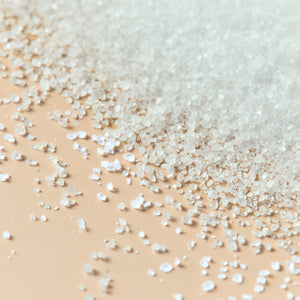
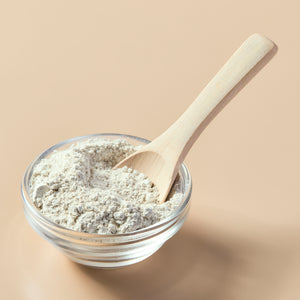
In this Facebook Live Video Newsletter, Debbie May talks all about exfoliants. We all know about how great salt, sugar and jojoba beads are at exfoliating, but what about flax seed powder, apricot seed powder, or orange peel granules? Using these other natural exfoliant options can add great vitamins, minerals, and more to your product and helps them stand out in the market. Watch this video to learn more. 
Carpe Saponem II

Article

Carpe Saponem II
Last month we explored seizing, a phenomenon in which an oil/lye mixture solidifies so quickly after mixing that it is too thick to transfer easily from the mixing pot to the molds. The root cause of seizing is the presence of a surfactant (like soap), which hastens the conversion of an unstable emulsion (pre-trace) to a stable colloid (post-trace). Normally, lye reacts slowly with oil, soap forms gradually, and the mixture becomes thicker as the emulsion becomes a colloid. Rancid oil, however, may contain “free” fatty acid (i.e. not bound to glycerol), which reacts almost instantly with lye to form soap, cutting the time short available for crafting and pouring. Last month's article gave directions for detecting free fatty acid in oil.
Your Brand Is Everything: Manage It Wisely

Article

Your Brand Is Everything: Manage It Wisely
There is an old marketing adage that says, "Your brand is everything". But what exactly does that mean? To the entrepreneur, unlocking the meaning of this obscure phrase can make you a huge success over the long term.  Contrary to what some might believe, branding is not just a pretty logo. Rather, every business, large and small, must learn how to build their brand and manage it over time for any success. Neglecting your brand will stunt your growth or result in never gaining traction at all. Worse yet, gross brand mismanagement will cause irreversible damage to your business that eventually causes you an early departure from the marketplace. If you want to avoid these pitfalls, then read on.