Articles

What are “Good Manufacturing Practices”?

Article

What are “Good Manufacturing Practices”?
The idea behind having, and consistently using, established practices and procedures is that you consistently end up with the same high-quality product every time, every batch, every bar or bottle.
How a Handwritten Note Can Get Your Business Noticed

Article

How a Handwritten Note Can Get Your Business Noticed
In the midst of all the social media being used to market products, the best way to get your small business noticed may be a good old-fashioned handwritten note. Here are some tips from columnist and and corporate trainer, Nancy Zimmerman, on how to put together a profession handwritten note that will get your small business the notice it deserves.
Essential Oil Blends – Frequently Asked Questions

Article

Essential Oil Blends – Frequently Asked Questions
This article answers commonly asked questions regarding EO Blends, what they are and how they are used.
Understanding Hair Porosity: Definition, Types, and Tips

Article

Understanding Hair Porosity: Definition, Types, and Tips
Understanding your hair's porosity level can make a huge difference in how you care for it. Knowing how well your hair absorbs and retains moisture can help you tailor your hair care routine for healthier, more manageable locks. Here’s everything you need to know about hair porosity, from what it is to tips on managing different porosity types. Hair porosity refers to your hair’s ability to absorb and retain moisture. Essentially, it’s about how porous your hair shaft is. The porosity of your hair determines how easily moisture, oils, and products penetrate your hair and how long they’re retained. Understanding the meaning of hair porosity can help you choose products and treatments that cater specifically to your hair's needs, making it easier to maintain healthy, hydrated hair. Determining your hair’s porosity is relatively simple and can be done at home with a few easy tests: The Float Test: Take a clean strand of hair and place it in a glass of water. If the strand sinks to the bottom, your hair has high porosity and absorbs moisture quickly. If it floats at the top, it’s low porosity and struggles to absorb moisture. Hair that floats somewhere in the middle indicates medium porosity. The Slip Test: Slide your fingers up a strand of hair from the end toward the scalp. If your hair feels rough or bumpy, you may have high porosity. If it feels smooth, it’s likely low or medium porosity. The Spray Test: Lightly mist water on a section of your hair. If the water sits on top or beads up, your hair has low porosity. If it absorbs quickly, you may have high-porosity hair. These methods help determine how porous your hair is, making choosing products and practices that work best for your unique hair type easier. Understanding your hair porosity level offers numerous advantages: Improves Moisture Retention: Knowing your hair porosity helps you select products that absorb and retain moisture, keeping hair healthier and more hydrated. Prevents Damage: High porosity hair is more prone to damage from chemical processes and heat styling. Understanding your porosity level can help you minimize harmful practices. Enhances Product Effectiveness: By matching products with your porosity type, you can benefit most from leave-in conditioners, oils, and deep conditioning treatments. Supports Hair Goals: Whether aiming for more robust, shinier, or more manageable hair, knowing your porosity level allows you to create a routine that works for your needs. Each hair porosity type requires unique care to maintain moisture balance and overall health. Low Porosity Hair: Since low porosity hair struggles to absorb moisture, opt for lightweight products and avoid heavy oils that can sit on the surface. Use heat (like a warm towel) when deep conditioning to open up the hair cuticle and allow the product to penetrate better. Medium Porosity Hair: This hair type absorbs and retains moisture well, making it relatively easy to maintain. Stick with balanced products that aren’t too heavy, and practice regular deep conditioning to maintain your hair’s moisture balance. High Porosity Hair: High porosity hair easily absorbs moisture but loses it quickly. Choose thicker creams, oils, and leave-in conditioners that help seal in moisture. Avoid excessive heat styling and chemical treatments, which can worsen porosity. What is porosity hair, and why is it essential for hair care?Porosity hair refers to how well your hair can absorb and retain moisture. It’s a critical factor in hair care because it influences product absorption and hydration, which impact hair health and manageability.How often should I deep condition high porosity hair?High porosity hair benefits from regular deep conditioning, typically once a week, to maintain moisture retention and prevent dryness.Can hair porosity change over time?Hair porosity can change due to age, chemical treatments, heat styling, and environmental exposure. Adjusting your hair care routine as your porosity changes helps maintain optimal hair health.Understanding hair porosity empowers you to make informed choices in your hair care routine, whether you have low, medium, or high porosity hair. Tailoring your products and practices to match your hair’s needs will keep it looking and feeling its best!
Evergreens. More Than Just Pine.

Article

Evergreens. More Than Just Pine.
In botany, an evergreen is a plant that has leaves that stay green throughout the year. This differs from deciduous plants, which completely lose their foliage during the winter or dry season.
Common Conversions for Formulating

Article

Common Conversions for Formulating
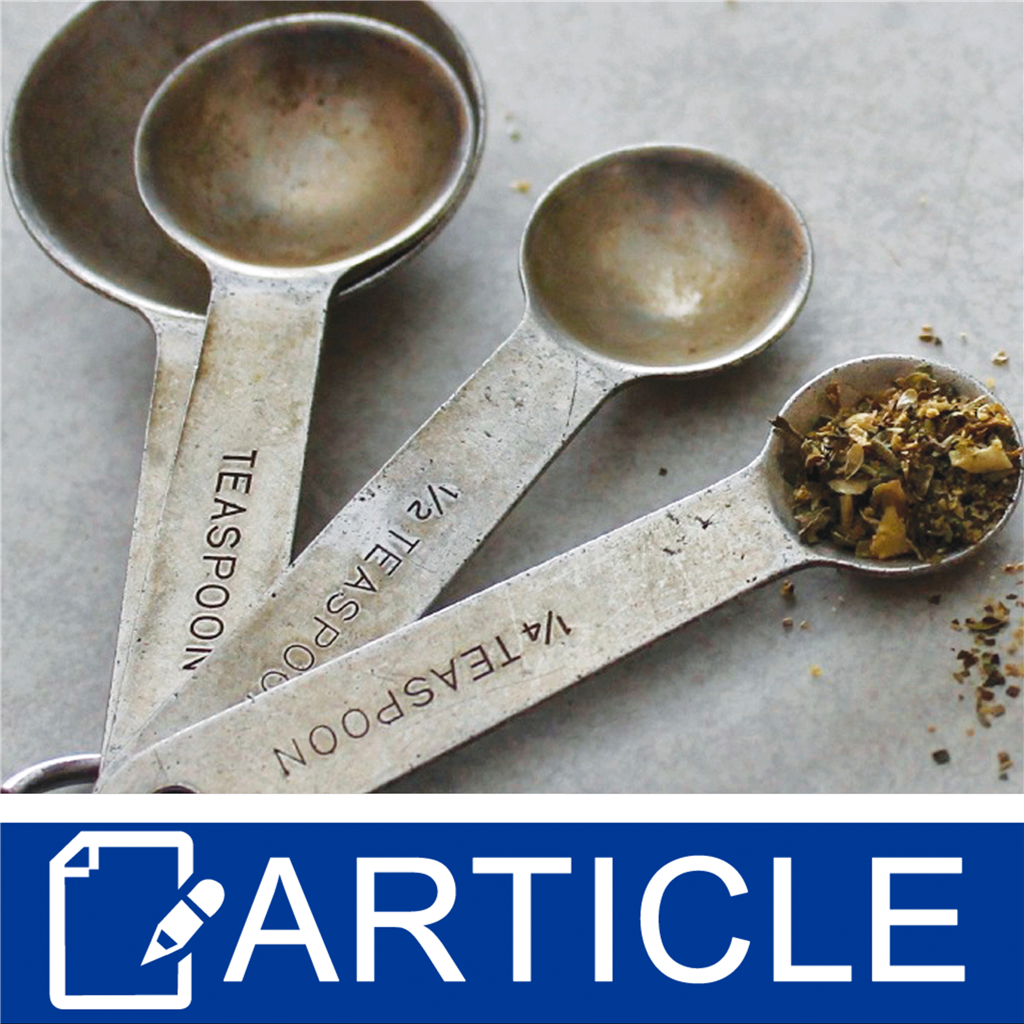
Question: Do you have a chart for common conversions used in handmade soap and cosmetics?Answer: It is the best practice to weigh your ingredients, but we do understand that many people measure additives in other ways.  Here are some common conversions: 20 drops = 1 ml 30 ml = 1 ounce 3 teaspoons = 1 Tablespoon 2 Tablespoons = 1 ounce 3% of 1 Pound = ½ ounce = 1 Tablespoon 6% of 1 Pound = 1 ounce = 2 Tablespoons
Cherry - An Antioxidant Powerhouse

Article

Cherry - An Antioxidant Powerhouse
The cherry is the fruit of many plants of the genus Prunus. Prunus is a genus of trees and shrubs, which includes plums, cherries, peaches, nectarines, apricots and almonds. The fruit from this genus are commonly called stone fruit. Plants can be deciduous or evergreen and the fruit is a fleshy drupe with a single relatively large, hard-coated seed (called a “stone”).
Soap: One Size Does Not Fit All

Article

Soap: One Size Does Not Fit All
Blended soaps can be the best when it comes to cleansing your skin. By understanding the properties of oils, you can control the outcome of your homemade soaps. Here are some common oils that you may consider adding to your next recipe.
Relationships and Entrepreneurship

Article

Relationships and Entrepreneurship
They Say They Love You, but They Don’t Support Your Entrepreneurial Goals. 
Glycerin Rivers

Article

Glycerin Rivers
In a previous column I discussed the amazing work of Clara Lindberg (AuntieClaras.com) using the partial gel effect for artistic purposes. This month features her pioneering work exploring the phenomenon of Glycerin Rivers, a crackling of soap texture seen by some as an annoying problem and by others as an exotic feature. Clara’s experiments have gone a long way toward finding the conditions under which rivers appear, but many interesting questions remain unanswered. This article reports my progress on these issues, working with my students, Myshak Abdi, Adam Christenson, and John Sheffield.
Guide to Wrapping Homemade Soap

Article

Guide to Wrapping Homemade Soap
A frequently asked question in soap-making workshops concerns the best methods for wrapping handmade soap. This section shares effective techniques that balance functionality with aesthetic appeal. Cold-process soaps are commonly packaged in cotton muslin bags. These bags not only allow the soap to breathe but also protect it from light exposure and shelf wear, extending the soap's lifespan. Attached to each bag is a folded business card-sized hang tag, providing ample space for listing all ingredients and compliance details and explaining the story behind the meticulously formulated soaps.In contrast, clear glycerin soaps require a different approach due to their hygroscopic nature—they attract environmental moisture. This can lead to moisture forming on the soap, similar to condensation on a cold glass. To combat this, it is recommended to use stretch AEP wrap, which offers better stretchability and adherence compared to regular wraps like Saran or Reynolds Clear Wrap. For retail setups, cold-processed soaps are often presented in a way that allows customers to see and smell a sample bar. One bar is left open, and a stainless steel deli pin attaches the hang tag. This setup helps customers match the tag with the soap they wish to purchase.For glycerin soaps, after wrapping them neatly in AEP stretch wrap, it is advisable to place them in a clear cello bag sealed with a label that meets all labeling requirements. This label should include the soap name, a full ingredient list, and the producer's contact information. This protects the soap from humidity and enhances its shelf appeal. Step 1: Stretch the AEP wrap before it contacts the soap to ensure a tight and smooth fit.Step 2: Carefully lower the pre-stretched wrap to contact the top of the soap, ensuring it covers smoothly without any creases.Step 3: Stretch and pull the wrap tightly across all sides of the soap, directing any excess wrap towards the back.Step 4: Trim the excess wrap and neatly press the seams together at the back. The wrap sticks to itself effectively, but a small piece of clear scotch tape can be used for additional security. The presentation of soap can significantly enhance its appeal, especially in gift-giving or retail scenarios. Consider these decorative options: Muslin Bags for Rustic Charm: Ideal for cold-process soaps, these bags can be customized with stamps or heat transfers to reflect the brand or the soap's unique qualities. Clear Cello Bags for Visibility: Perfect for showcasing glycerin soaps, these bags protect the soap while allowing its color and texture to be visible. Custom Labels for a Professional Touch: Labels must be informative and visually appealing, reflecting the quality and craftsmanship of the handmade product. With these techniques and tips, anyone can ensure that their homemade soaps are well-protected and beautifully presented, whether on store shelves or wrapped as thoughtful gifts.
Oval Medium Column Silicone Soap Mold Video

Article

Oval Medium Column Silicone Soap Mold Video
This video showcases our Oval Column Silicone Soap Mold. In this short video, we offer some tips and tricks for using this fun soap making tool. Create embeds for loaf molds with this mold, when the loaf is sliced the oval design will appear in each bar of soap! We love this mold for Easter and making soaps with 'egg' embeds. It can also be used in conjunction with other small column shape molds to create your own unique designs!