Articles

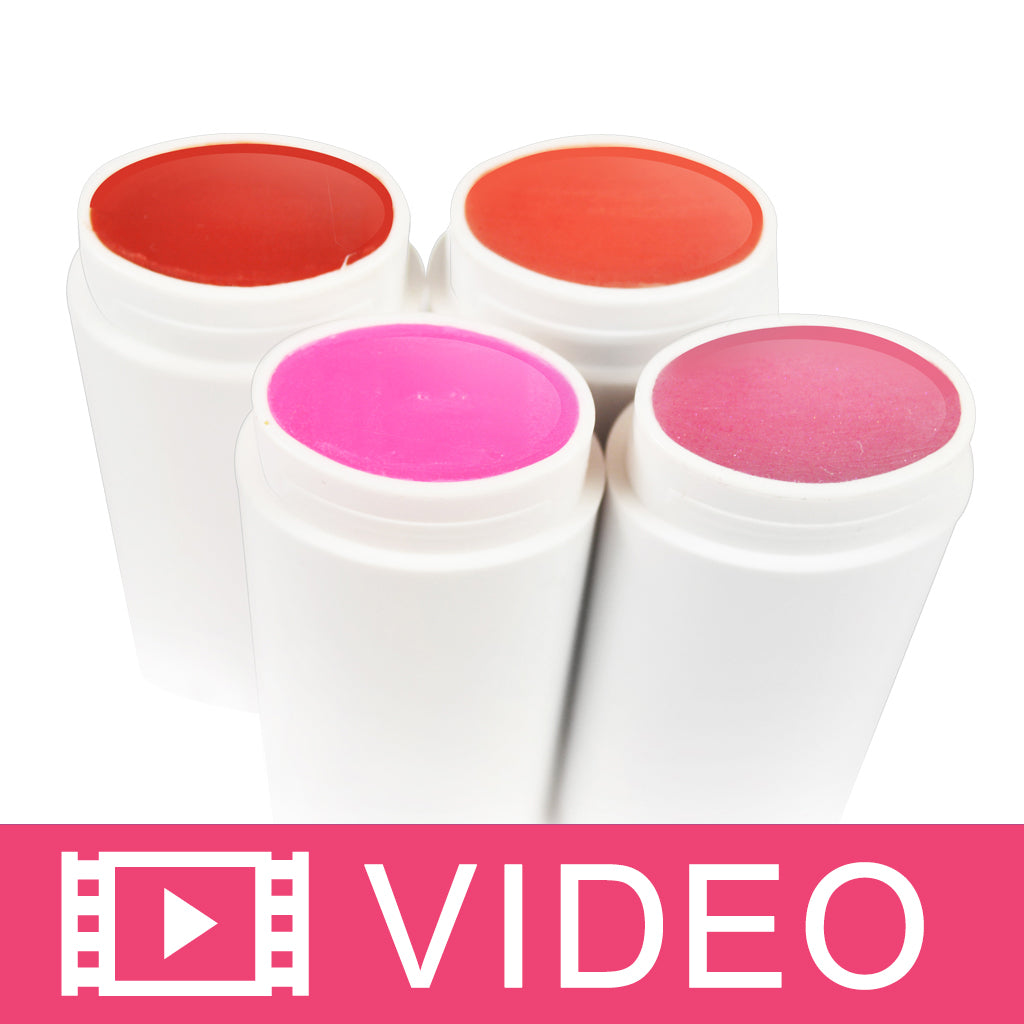
Coloring Lip Products Video

Article

Coloring Lip Products Video
Coloring lip products involves adding lip-safe powder colors to a melted lip balm base. In this short video, we show how to determine lip-safe colors, and demonstrate coloring Strawberry Sorbet Lip Balm. We use a variety of lip-safe colors including Matte Americana Red Oxide Pigment Powder, Coral Oil Locking Mica Shimmer, Pink Sparkle Mica Powder and Neon Pink Pleasures Powder. Watch this video to learn how to complement your fragranced lip balm with color!
Without A Trace

Article

Without A Trace
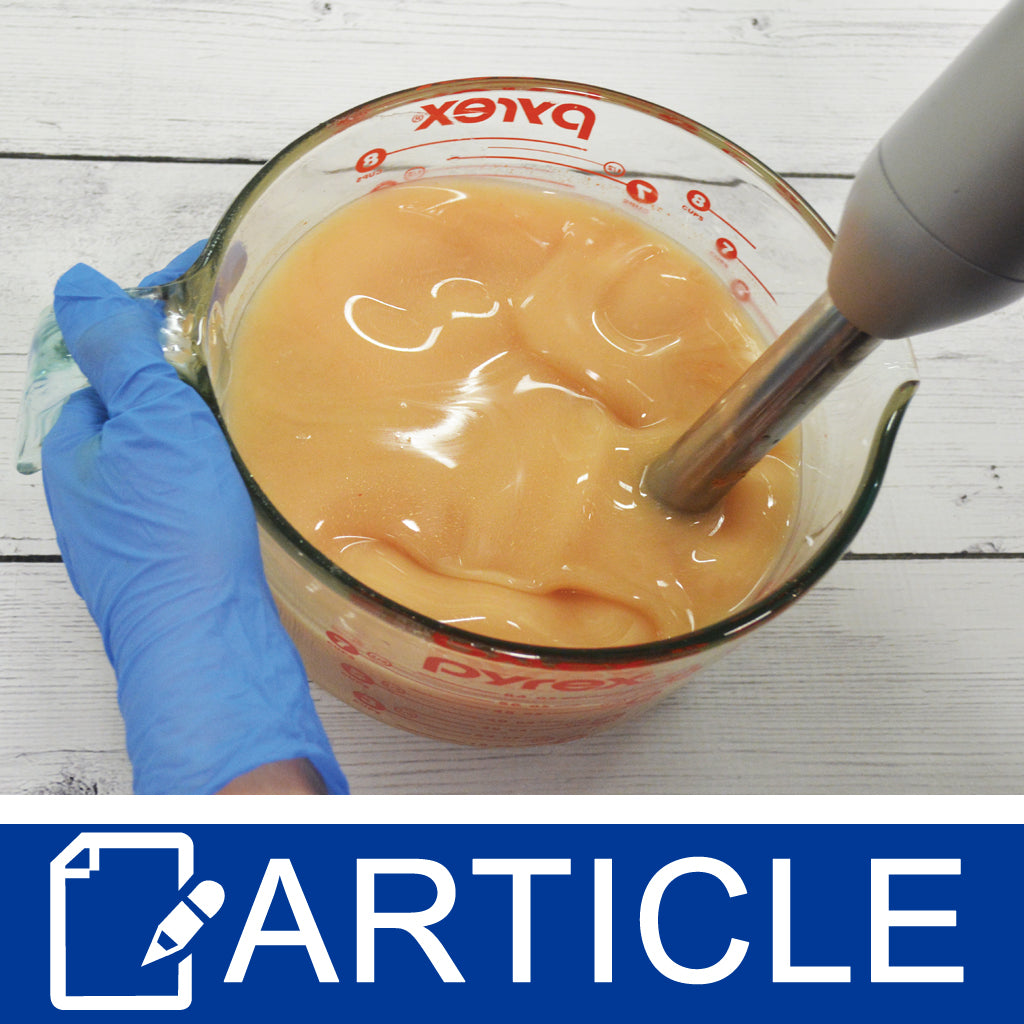
With all the hoopla over fake news this year, I thought I would devote this month's column to “fake” or “false trace.” But to get there, we need to review the how and why of authentic trace. While the cold process dates back to an English patent in 1622, I have found no mention of the trace phenomenon earlier than Adolph Ott's The Art of Manufacturing Soap and Candles (1867). In the chapter on the cold process, he says, “For stirring [the raw soap], a broad paddle of boxwood must be used, having sharp edges at its lower end, rounded at its upper end, so that it may be the more easily handled. The paddling should be continued until a ring drawn with the spatula may be recognized.” Soapmakers have been seeking that mysterious ring ever since. But why?
Heart Teardrop Small Silicone Soap Mold Video

Article

Heart Teardrop Small Silicone Soap Mold Video
This video showcases Crafter's Choice Heart Teardrop Small Silicone Soap Mold. This mold creates small three-dimensional heart teardrop soaps. They can be used as small guest-sized soap bars or embedded into a larger bar of soap.
It's To Dye For

Article

It's To Dye For
I am reminded of the old game, Animal, Vegetable, or Mineral. This is an interesting way of dividing the world into categories, and one that is useful for discussing colorants, as well. The vast majority of commercial soap colorants come from the mineral kingdom, mostly metal oxides, micas, and ultramarines. Colors derived from animals are the least common, with cochineal, kermes, and lac extracted from insects. Straddling these two in popularity with soap makers are vegetable colorants. This month, we will explore some of the chemistry that sets these apart from other color choices.
Put Some Pep in Your Step With Mint

Article

Put Some Pep in Your Step With Mint

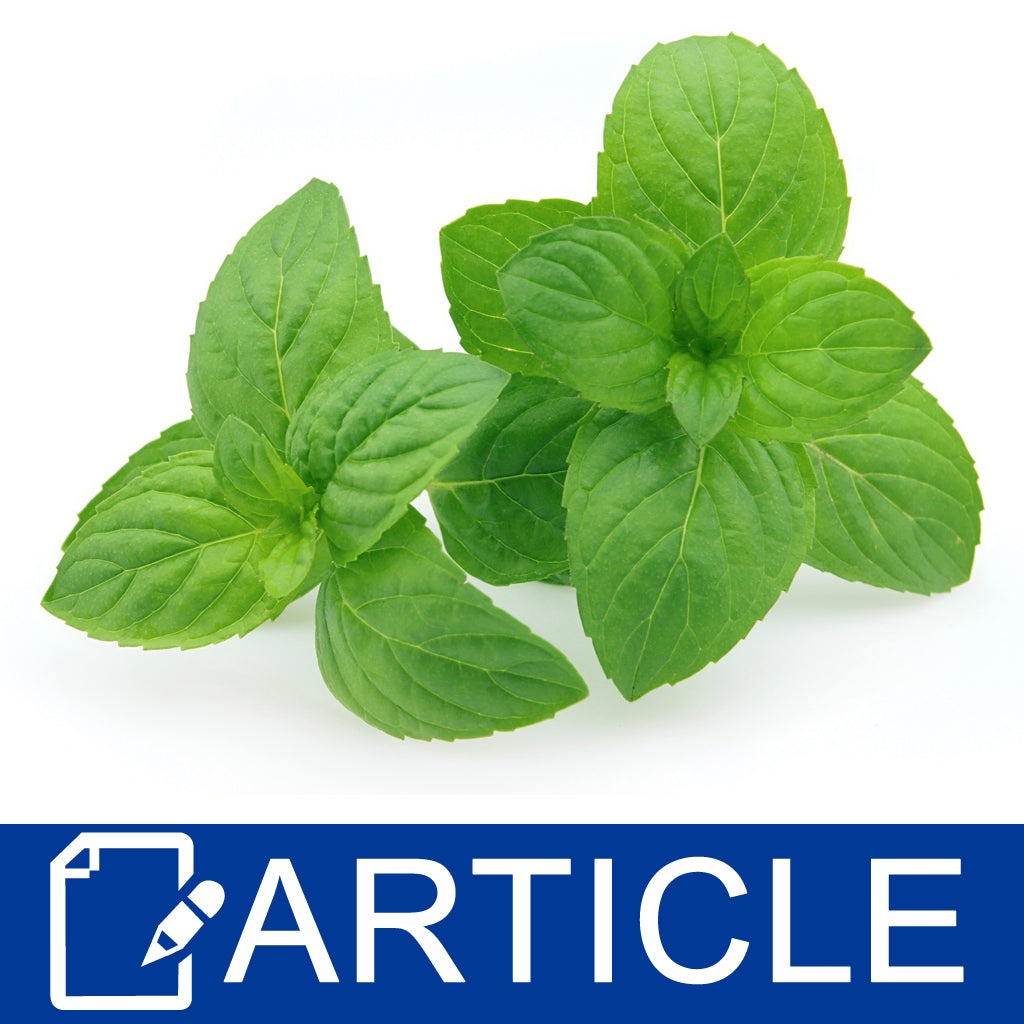
Mint is usually associated with food or drinks, however, with its new found helath properties more  people are opting to formulate with it.
Strawberry Shortcake Scent Crafting

Article

Strawberry Shortcake Scent Crafting
It’s time for Scent Blending! Today we are creating a delicious summer treat – Strawberry Shortcake. There are two different versions you can make depending on whether you like your Strawberry Shortcake with ice cream or whipped cream. Of course, you can be bold and make it with both! Crafting the perfect strawberry shortcake scent requires a careful selection of fragrance oils that capture the essence of this classic dessert. Here are the essential oils and ingredients you'll need: Strawberry Fragrance Oil: The heart of your strawberry shortcake scent, providing that juicy, sweet aroma. Vanilla Fragrance Oil: This adds the creamy, rich undertone reminiscent of both the cake and the whipped cream. Buttercream Fragrance Oil: Enhances the vanilla notes and gives your blend a decadent, dessert-like quality. Ice Cream Accord Fragrance Oil: If you prefer your strawberry shortcake with ice cream, this will add that extra creamy, cool scent. Sugar Fragrance Oil: To mimic the sweet, sugary topping often found on strawberry shortcake. These are all body-safe fragrance oils, so you can use them to make bath and body products as well as candles, wax tarts, and more. Creating your own strawberry shortcake blend is a fun and rewarding process. Follow these steps to make your own custom fragrance: Gather Your Ingredients: Ensure you have all your fragrance oils ready. You’ll need strawberry, vanilla, buttercream, ice cream accord (if using), and sugar fragrance oil. Prepare Your Workspace: Clean your workspace and gather your blending tools, such as pipettes, glass beakers, and mixing sticks. Start with the Base Notes: Begin by adding a few drops of the vanilla and buttercream fragrance oils to your beaker. These will form the base of your strawberry shortcake scent. Add the Middle Notes: Next, add the strawberry fragrance oil. This should be the dominant note in your blend, so feel free to be generous. Incorporate the Top Notes: If you're making a strawberry shortcake with ice cream, add the ice cream accord fragrance oil. If not, add a few drops of the sugar fragrance oil to enhance the sweetness. Mix and Test: Stir your blend thoroughly and test it on a fragrance strip. Adjust the ratios as needed until you achieve your desired strawberry shortcake scent. Finalize Your Blend: Once satisfied with the scent, transfer it to a clean bottle for storage. Label it clearly so you can recreate it in the future. Have fun experimenting with your strawberry shortcake oil! Whether you prefer it with ice cream or whipped cream, this blend is sure to bring a delightful, summery aroma to any product you create. Happy scent crafting!
Are You Committing Small Business Mistakes?

Article

Are You Committing Small Business Mistakes?
When you’re running a small business, it’s common to look for cost cutting opportunities, but there are some circumstances where spending money upfront to ensure that you’re not committing even costlier errors down the road is worth the investment. Here are four common and potentially costly errors small business make.
Re-Thinking Rejection

Article

Re-Thinking Rejection
Artists experience rejection from customers on a regular basis. Here are a few things you can do to boost your confidence and shift your perspective on what you view as rejection. Your mindset is a masterful work in progress. Shape and mold it into a positive state and you’ll have better results when you display your work, and a lot more fun too!
A Guide to Taiwan Swirl Soap

Article

A Guide to Taiwan Swirl Soap
The Taiwan Swirl Cold Process Soap technique is an enchanting method that combines artistry and chemistry, creating beautifully marbled and intricately patterned bars that are as delightful to use as they are to look at. This unique method, popularized by soap makers in Taiwan, has gained international acclaim for its ability to produce stunning visual effects with swirling colors that intertwine yet remain distinct. Taiwan swirl soap making is a rewarding craft that combines creative expression with the practicality of soap making. By understanding the technique and experimenting with your own designs, you can create stunning, one-of-a-kind soaps that are sure to impress. Taiwan swirl soap is not just a cleanser but a piece of art that brings a touch of elegance to your daily routine. This technique involves pouring layers of colored soap batter into a mold and then using a tool to swirl the colors together in a specific pattern. The beauty of the Taiwan swirl soap technique lies in its versatility; no two bars are ever exactly alike, offering a unique blend of colors and patterns that captivate the eye. Personalization: One of the most appealing aspects of the Taiwan swirl is the ability to personalize your soap. From selecting color combinations to choosing fragrances, each batch can be tailored to reflect your personal style or to create the perfect handmade gift. Aesthetic Appeal: Beyond its cleansing properties, Taiwan swirl soap adds a decorative touch to your bathroom or kitchen. Its intricate patterns and vibrant colors make it a conversation starter and a beautiful addition to any home. Therapeutic Activity: The process of making Taiwan swirl soap can be incredibly therapeutic. The careful measuring, mixing, and artistic swirling require focus and creativity, offering a rewarding escape from the hustle and bustle of daily life. Trace Consistency: Achieving the right trace consistency is crucial for the Taiwan swirl technique. The soap batter should be fluid enough to pour and swirl easily but thick enough to hold the pattern. Practice and patience are key to mastering this balance. Color Selection: Choose colors that contrast well to ensure they stand out against each other. Using too many similar shades can result in a muddled appearance rather than clear, defined swirls. Swirling Tools: Different tools can create different effects. Experiment with combs, skewers, and spatulas to find your favorite swirling technique. Each tool will drag the soap batter in unique ways, offering a variety of patterns. Temperature Control: Keeping your soap batter at a consistent, moderate temperature helps maintain its workability. Too hot, and it may accelerate trace; too cool, and it may begin to set before you're done swirling. Can any type of soap base be used for Taiwan swirl soap making?The Taiwan swirl technique is best suited for cold process soap making due to the control over trace consistency. Melt and pour soap bases set too quickly and don't offer the same level of fluidity needed for intricate swirls.What's the best way to choose colors for my Taiwan swirl soap?Opt for contrasting colors to ensure the swirls are distinct. Using a color wheel can help you select complementary colors that will pop against each other. Also, consider using colors that align with the fragrance you've chosen for a cohesive sensory experience.How can I prevent my colors from blending into each other too much?Achieving a light trace and carefully pouring your colors can help prevent them from blending too much. Additionally, the technique and depth of your swirling will affect how the colors interact, so experiment with different methods to find what works best for you.
Fragrance Formulator: Children's Scents

Article

Fragrance Formulator: Children's Scents
Fragrance Formulator fragrance oils allow you to create custom scents to fit all occasions. Blend different oils together to create your new favorite scent!
Fixed Oils & Butters - Properties

Article

Fixed Oils & Butters - Properties
We have created a chart that lists all of the characteristics and properties of Oils & Butters. Use this chart as a guide when making soap, lotion, lip gloss and more! 
Cocoa Butter vs Shea Butter: Which is Right for Your Projects?

Article

Cocoa Butter vs Shea Butter: Which is Right for Your Projects?
When it comes to crafting skincare and personal care products, the debate often arises: shea butter vs cocoa butter. Both are celebrated for their nourishing properties, yet each brings unique characteristics to the table. Whether you’re a soap maker, lotion crafter, or DIY enthusiast, understanding the differences and benefits of these two powerhouse ingredients can help you choose the perfect fit for your creations. Cocoa butter, derived from cocoa beans, is prized for its firm texture and subtle chocolate scent. It’s a hard butter that’s solid at room temperature, making it ideal for products that need structure, such as: Lip balms Solid lotions Bar soaps Key Benefits: Forms a protective barrier on the skin to lock in moisture Rich in antioxidants that support skin elasticity Adds hardness to soaps, extending their lifespan Shea butter is extracted from the nuts of the shea tree and is known for its creamy consistency and versatile uses. Softer than cocoa butter, it’s often used in: Creams and lotions Whipped body butters Moisturizing soaps Key Benefits: Deeply hydrates and soothes dry or irritated skin Contains vitamins A and E for skin repair and rejuvenation Adds a luxurious feel to products without making them too hard When evaluating cocoa butter vs shea butter for skin, the choice often depends on the desired outcome: For Dry or Sensitive Skin: Shea butter is an excellent option due to its deeply moisturizing and soothing properties. For Stretch Marks or Scars: Cocoa butter is often favored for its potential to contribute to better skin elasticity and texture. For Long-Lasting Hydration: Both butters create a moisture barrier, but cocoa butter’s thicker consistency makes it ideal for ultra-dry areas. When crafting soaps, the shea butter or cocoa butter question often arises. Here’s how they compare: Cocoa Butter: Adds firmness to your bars, creates a stable lather, and contributes a subtle chocolate aroma. Shea Butter: Offers a creamy texture, boosts moisturizing properties, and enhances the soap’s gentleness on sensitive skin. For the best of both worlds, many artisans use a combination of cocoa butter and shea butter to balance hardness, moisture, and lather quality in their soaps. Can’t decide between the two? You don’t have to! Combining cocoa butter and shea butter allows you to leverage the strengths of both ingredients. For example: In lotions, shea butter provides a smooth base while cocoa butter adds richness. In lip balms, the firmness of cocoa butter pairs beautifully with the creaminess of shea butter. In soaps, blending both creates a bar that’s hard yet gentle on the skin. Ultimately, the choice between shea butter or cocoa butter depends on your specific needs and project goals. If you’re creating a product that requires structure, cocoa butter is a great option. For soft, moisturizing applications, shea butter shines. And for versatile, all-purpose products, why not use both? At Wholesale Supplies Plus, we offer premium cocoa butter and shea butter for all your crafting needs. Whether you’re perfecting a new lotion recipe or experimenting with soap making, our butters are here to help you create exceptional products. Explore our collection today and discover the perfect ingredients for your next project!