Articles

5 Ways to Boost Customer Spending For Your Craft This Season

Article

5 Ways to Boost Customer Spending For Your Craft This Season
Halloween marks the beginning of holiday trends and gift shopping. What is your business doing to capitalize on the season?  Since “buyer mentality” prevails during this time many businesses make the bulk of their revenue from now until January 1st. Here are some marketing strategies to help you boost sales and offer customers a little fun and a lot of motivation to buy.
Your Beliefs vs. Branding

Article

Your Beliefs vs. Branding
Last week one of my clients attended a conference about brand building. Unfortunately, she left the event feeling more overwhelmed and confused than informed. Throughout the day she experienced growing anxiety aboutwhether she should focus on her business brand or personal brand? Where, oh where, should she put hertime and attention?
Simple Secrets: Suspending Additives in Melt & Pour Soap

Article

Simple Secrets: Suspending Additives in Melt & Pour Soap
Suspending additives is gaining popularity among handmade soap buyers because it is an interesting way to show off natural additives. Using the simple techniques described in this article will help your scrubby exfoliants remain evenly distributed while helping clays and milk powders stay fully dispersed.
WSP Difference Makers: Nathan’s Soap Brings Hope to Those in Need

Article

WSP Difference Makers: Nathan’s Soap Brings Hope to Those in Need
When Nathan Walden decided to start making his own natural soaps in an effort to finally cure his dermatitis, there’s no way he could have foreseen it turning into a full-time business, let alone a way to give back to those most in need.
Soapmaking Oil & Butter Properties Chart

Article

Soapmaking Oil & Butter Properties Chart
One of the tools we use when formulating our own soap recipes is this chart. The chart contains the most popular oils and butters used for soapmaking and values for different soap properties. Each column represents a different soap characteristic and each characteristic has a recommended range. Below we explain the different soap categories and discuss the recommended ranges.
Duck Column Silicone Soap Mold Video

Article

Duck Column Silicone Soap Mold Video

This video showcases Crafter's Choice® Duck Column Silicone Soap Mold. This mold creates a column of soap shaped as a duck! Once you have the duck soap column made, embed it into a loaf for soap bars customers will rave about. This mold is the perfect tool to create adorable baby shower soaps!
Dealing With Negativity

Article

Dealing With Negativity
Living life as a creative entrepreneur is, in many ways a fulfilling experience, but it also results in a certain level of emotional exposure. Inevitably, someone will criticize your work or the way you are running your business. This can feel intimidating, even overwhelming. In the worst of times criticism and negativity can stop an entrepreneur from taking the chances necessary to grow.
Oil and Vinegar in Cold Process Soap

Article

Oil and Vinegar in Cold Process Soap

It's amazing the things people come up with for soaping. Fruit, coffee, wine, beer, nuts. Even grass clippings. The saponification reaction is so robust that it can accommodate a wide variety of non-soap additives. One of the most counter-intuitive of these is vinegar. After all, vinegar is an acid and soap is a base. But there is enough buzz about vinegar in soap that I thought an article might be helpful to those considering it.
March Video Newsletter: New Products! Fruit Powders, Crystal FOs, Ultra Violet FOs, Molds

Article

March Video Newsletter: New Products! Fruit Powders, Crystal FOs, Ultra Violet FOs, Molds
In this first WSP Video Newsletter, Debbie May talks about all new products including fruit powders, fragrance oils inspired by the Pantone Color of the Year, fragrance oils inspired by crystals, new natural fragrance oils, Life of the Party Molds, and a special offer if you buy tickets to Handmade Conference! 
Choosing the Rose Milk Bath Tea Recipe
Article

Choosing the Rose Milk Bath Tea Recipe
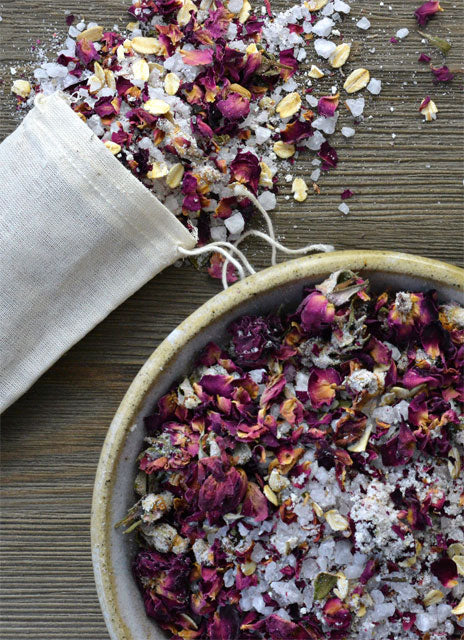
Indulge in the luxurious embrace of our rose milk bath tea recipe, a sublime concoction designed to transform your bathing experience into a haven of tranquility and opulence. Elements Bath & Body is proud to introduce this exquisite blend, meticulously crafted to nourish the skin, soothe the soul, and infuse your bath time with the enchanting aroma of roses. Our rose milk bath recipe is more than just a routine; it's a ritual, promising a rejuvenating escape into a world where your well-being takes center stage. At the heart of our rose milk bath tea recipe lies the harmonious blend of milk and rose petals, two timeless ingredients celebrated for their beauty and healing properties. The milk bath with roses is a testament to the luxurious baths of antiquity, where milk, rich in lactic acid, was revered for its ability to gently exfoliate and hydrate the skin, leaving it silky smooth and radiant. Coupled with the therapeutic properties of rose petals, known for their calming and anti-inflammatory benefits, this milk bath tea recipe offers a sensory journey that pampers the body and uplifts the spirit. Creating your own rose milk bath at home is a simple yet profoundly rewarding process. Our rose milk bath recipe is designed to be easily incorporated into your self-care regimen, offering a sanctuary of peace in the hustle and bustle of daily life. Whether you're seeking a moment of solitude or a special way to unwind, the rose and milk bath provides a luxurious escape, enveloping you in its soothing embrace. Embracing the milk and rose bath is more than just an act of self-care; it's a holistic experience that benefits the mind, body, and soul. The lactic acid in milk works to gently remove dead skin cells, while the natural oils in rose petals help to moisturize and improve the skin's texture. The aromatic fragrance of roses also plays a pivotal role, acting as a natural mood enhancer that reduces stress and promotes relaxation.This rose milk bath tea recipe from Elements Bath & Body is a celebration of self-care, inviting you to immerse yourself in a bathing ritual that rejuvenates and restores. Embrace the luxury, embrace the tranquility, and let the magic of milk and roses transform your bath into a sanctuary of bliss. How often can I use the rose milk bath tea recipe?You can enjoy the rose milk bath 2-3 times a week. However, those with sensitive skin should start with once a week to ensure their skin adapts well to the ingredients.Is the rose milk bath recipe suitable for all skin types?Yes, the milk bath with roses is crafted to be gentle and is suitable for most skin types. The natural ingredients are chosen for their soothing properties. However, if you have extremely sensitive skin, it's recommended to do a patch test first.How long should I soak in the rose milk bath for optimal benefits?For the best experience, we recommend soaking for at least 20-30 minutes. This allows your skin ample time to absorb the nutrients from the milk and roses, maximizing the benefits of your bath.Can I add other ingredients to the rose milk bath tea recipe?Certainly! Feel free to customize your bath tea with additional ingredients like oatmeal for extra soothing properties, Epsom salt for muscle relaxation, or essential oils for enhanced aromatherapy benefits. The rose milk bath recipe serves as a perfect base for your personal touch.
Decode Your Label: Lip Butter

Article

Decode Your Label: Lip Butter
Ever wonder what's on your Lip Butter Label? Find out here!
Partial Gel On Purpose

Article

Partial Gel On Purpose
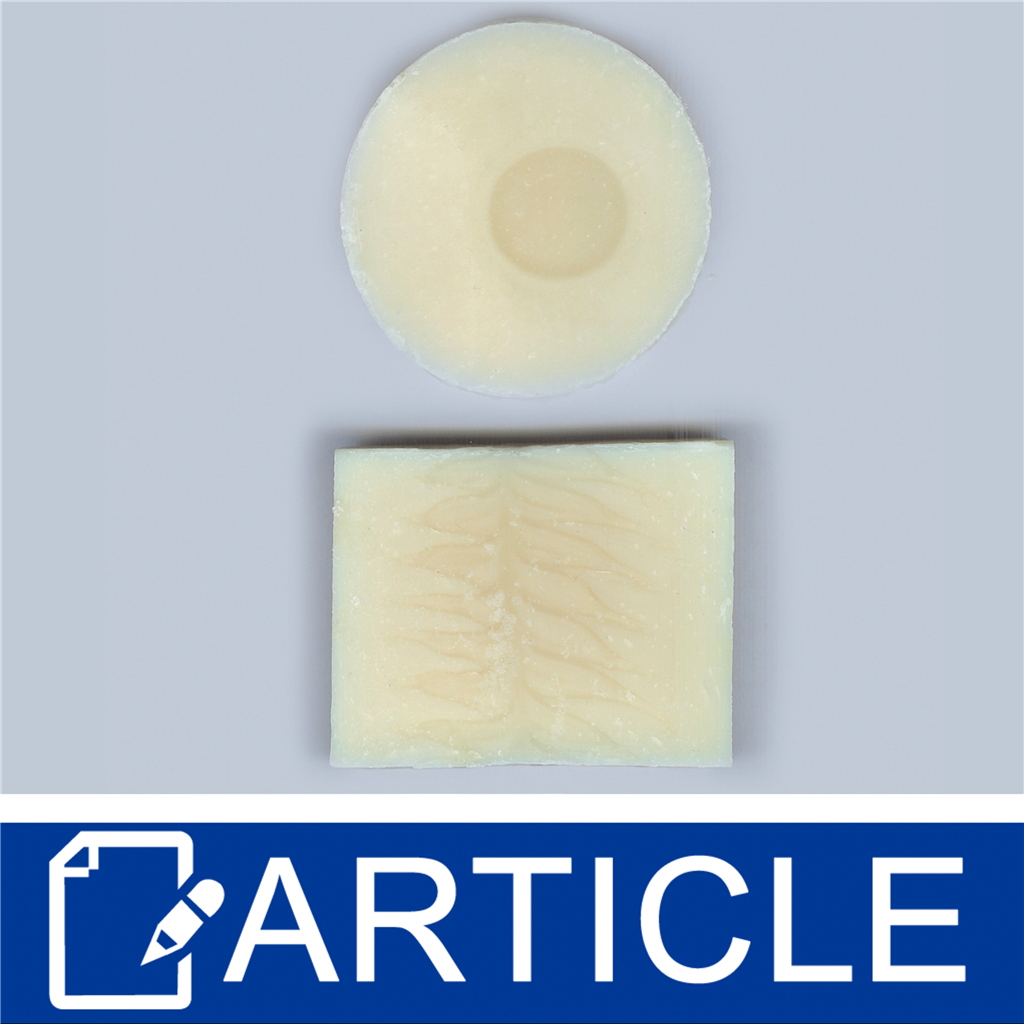
I am frequently asked to diagnose problem soaps. One recurring “problem” that I see is a bar whose center is slightly off color from its exterior, a problem often referred to as a “crop circle,” or “partial gel.” In the last installment of this column, we saw that two parameters determine whether a soap reaches gel phase (the term used in the handcrafted community) or “neat soap” (the term used in the commodity soap industry). The first of these parameters is temperature; the second is water concentration. Typical cold-process soaps melt into gel phase at temperatures near 140º F.  My diagnosis of the partial gel is that the warm interior of the log went through gel phase while the cooler exterior did not. If you want to ensure complete gel phase, you can increase the temperature of the oils or insulate the mold, thus increasing the final temperature of the soap. If you want to avoid gel phase altogether, you can decrease the amount of water in the formula by using a more concentrated lye solution.