How to Make Perfume
Perfume making requires specific ingredients and tools to ensure a high-quality result:
Note: For those looking to skip some extra steps, check out this perfume base that eliminates the need for both glycerin and water! For beginners, perfume making can be a fun and rewarding process:
Luxury scents are all about the quality and combination of the fragrance oils used:
- High-Percentage Alcohol: Acts as a carrier for the fragrance oils. The higher the concentration, the better the quality of the perfume.
- Essential/Fragrance/Infused Oils: These oils create the most important part of your DIY perfume, the scent.
- Distilled or Spring Water: Used to dilute the perfume mixture.
- Glycerin: Helps to preserve the fragrance and stabilize the perfume.
- Glass Bottles/Containers: To store the final product.
- Glass Jar for Mixing: A clean, sterilized container for crafting your scent.
- Measuring Cups/Spoons and a Dropper: For precise measurements.
- Funnel: To transfer perfume into bottles without spilling.
- Aluminum Foil or Wrapping Paper: To protect your perfume from light if using clear bottles.
Note: For those looking to skip some extra steps, check out this perfume base that eliminates the need for both glycerin and water! For beginners, perfume making can be a fun and rewarding process:
- Preparing Bottles: Sterilize the bottles and jars, especially if they are being reused. Cleanliness is key to prevent contamination of your perfume.
- Adding Alcohol: Start by pouring 1/4 cup of high-percentage alcohol into your mixing jar. This acts as the base for your perfume.
- Understanding Scents: Familiarize yourself with the different notes. Top notes provide the initial impression, middle notes form the heart of the perfume, and base notes give depth and longevity to the scent.
- Creating Your Fragrance: Begin by adding your base notes to the alcohol, followed by the middle and then top notes. Experiment with around 25 drops of essential/fragrance oil in total. Swirl, smell, and adjust as needed, noting the number of drops used.
- Aging Your Perfume: Let your creation age in a cool, dark place for at least 48 hours to a month. This process allows the scents to meld and intensify.
- Diluting and Preserving: Add 2 tablespoons of distilled/spring water and around 5 drops of glycerine to your aged perfume. This dilutes and preserves the fragrance.
- Finishing Touches: Transfer the perfume into your prepared bottles using a funnel. If using clear bottles, wrap them to protect from light. Label your creation with a unique name.
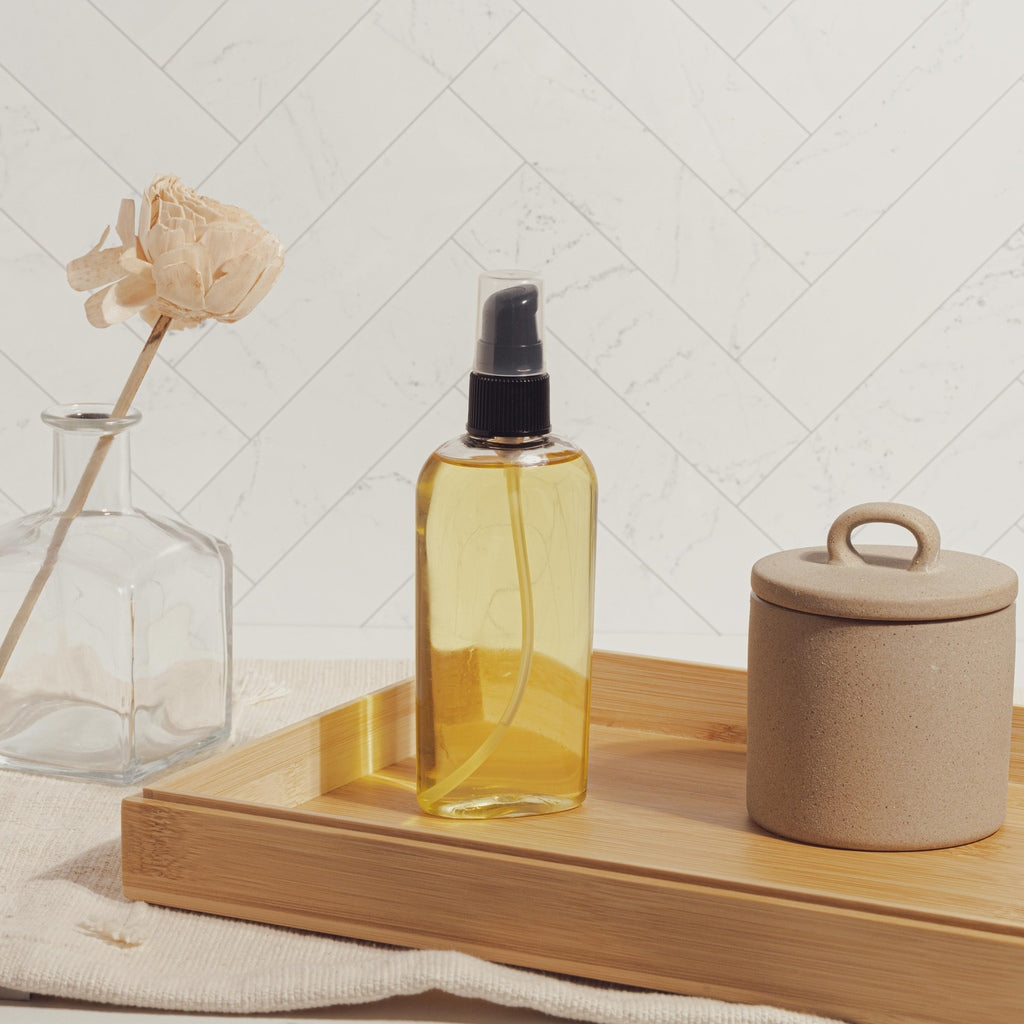
- Mix Carrier and Essential Oils: Choose a carrier oil like jojoba or almond oil. Add your selection of essential oils to the carrier oil in a glass jug.
- Blend and Transfer: Stir the mixture until well blended. Carefully pour the blend into your chosen bottles, leaving a little space at the top.
- Infuse and Age: Add a few flower petals if desired. Cap the bottles and shake gently. Let the oils infuse for a few days in a warm, sun-free spot, shaking occasionally.
Luxury scents are all about the quality and combination of the fragrance oils used:
- Follow the basic steps for perfume making.
- Choose high-quality essential or fragrance oils that mimic luxury scents. Wholesale Supplies Plus offers a range of options, including imitations of famous luxury scents.
- Focus on creating a harmonious balance between top, middle, and base notes to give your perfume a sophisticated profile.