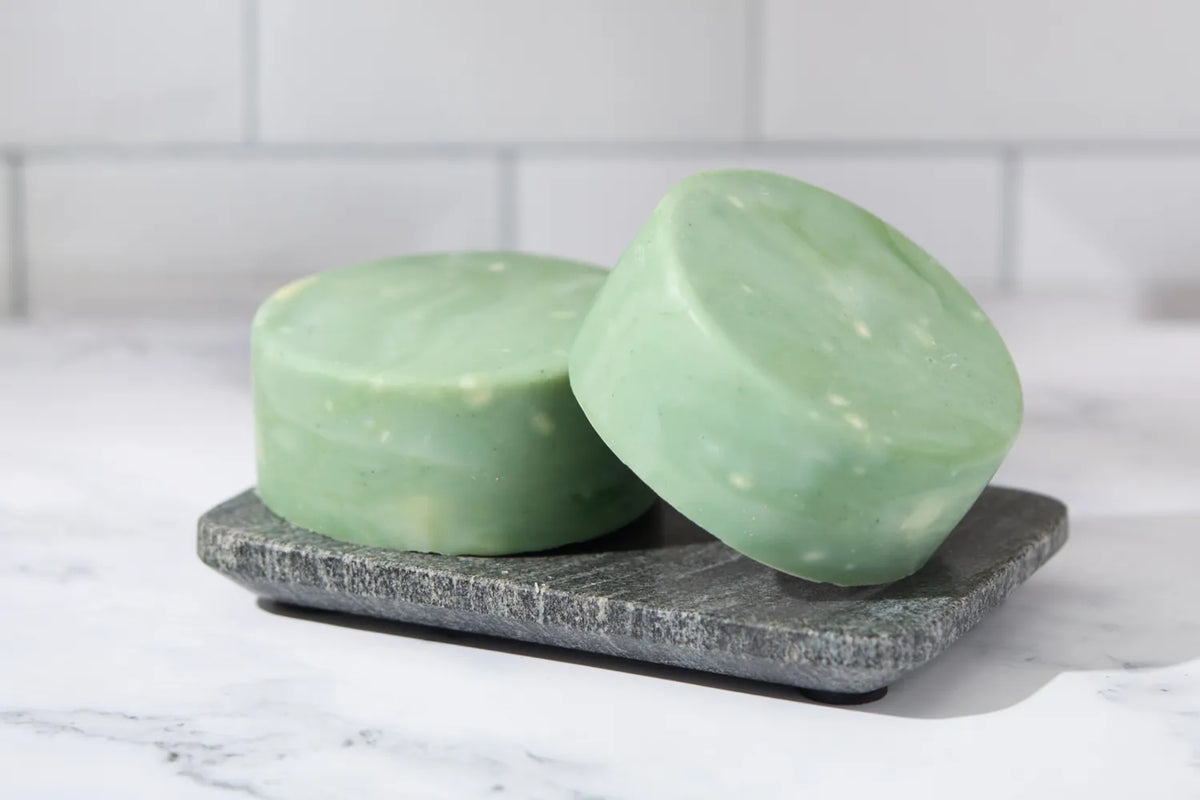
Peppermint & Tea Tree Swirl Cold Process Soap Recipe
- Level of Difficulty: Intermediate
- Output: 10 Bars
- Preparation and Cleanup: 30 Minutes
- Crafting Duration: 1 Hour, 30 Minutes
- Total Time: 2 Hours (extend if utilizing gel phase, recommended)
- Curing Period: 4-6 Weeks
- Safety Goggles
- Long Nitrile Gloves (found in the dishwashing aisle of most supermarkets)
- Precision Digital Scale
- Digital or Infrared Thermometer
- Immersion Blender
- Portable Mini Mixer
- Two Quart-Sized Glass or Microwave-safe Plastic Bowls
- Pair of Funnel Pitchers
- Small Containers for Ingredient Storage
- Dual Quart-Sized Zipper Freezer Bags (for color mixing)
- Spatula
- Two Essential Oil Pipettes
- Measuring Spoons
- Stainless Steel Fine Mesh Strainer
- Paper Towels
- Cling Film
- 10-inch Silicone Loaf Mold
- Hanger Swirl Tool (see our tutorial on crafting your own)
- Skewer or Chopstick (for top designs)
- Heating Pad (Optional)
- Timer (Optional)
- Cardboard Box (fits over mold, Optional)
- Insulating Towels/Blankets (Optional)
- Vegetable Peeler (Optional for beveling)
- Olive Oil: 11.6 oz (35%) + an additional 1.5 oz for color mixing
- Coconut Oil: 9.9 oz (30%)
- Palm Oil (melted): 6.6 oz (20%)
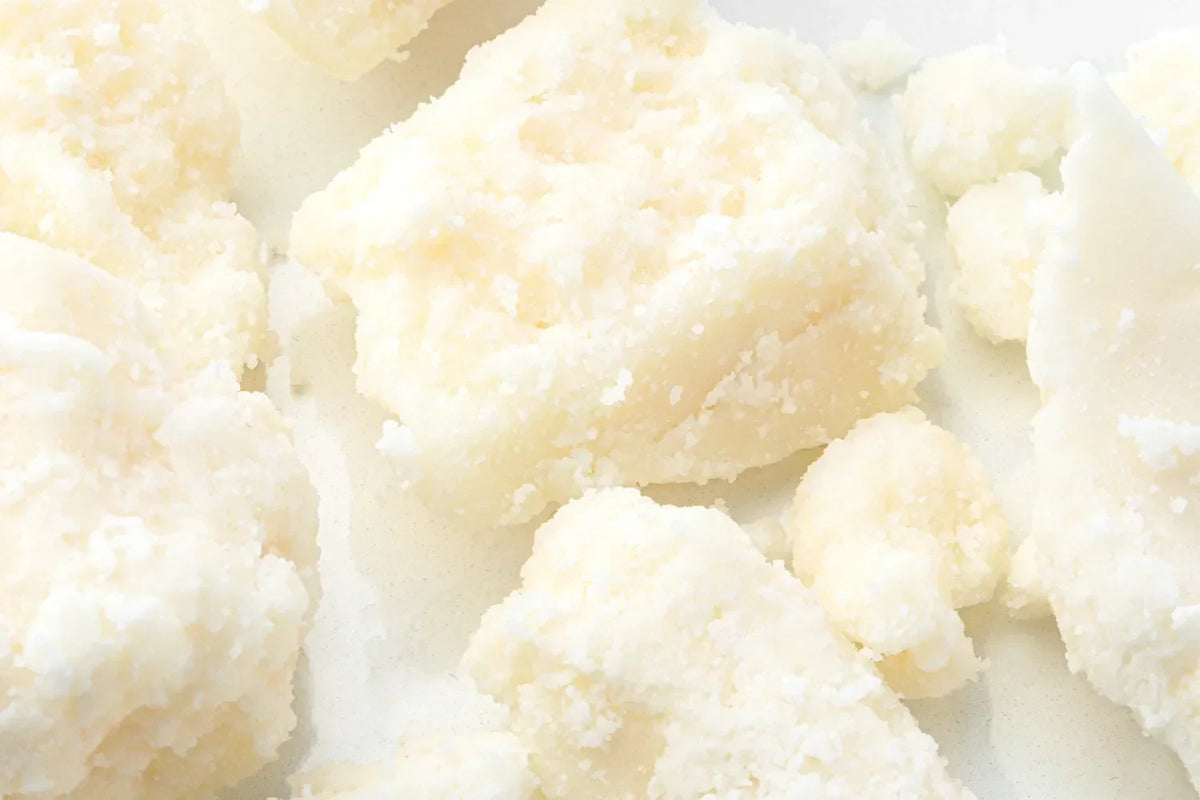
- Shea Butter: 3.3 oz (10%)
- Castor Oil: 1.0 oz (3%)
- Avocado Oil: 0.7 oz (2%)
- White Kaolin Clay: 2 tsp (1t PPO)
- Peppermint Essential Oil: 0.7 oz (Medium Strength)
- Tea Tree Essential Oil: 0.7 oz (Medium Strength)
- Titanium Dioxide: 1.5 tsp (Optional for color)
- Smooth Coconut Carbon Powder: 0.5 tsp
- Cold Distilled Water: 8.3 oz (25% Water as a percent of oil weight)
- Sodium Lactate 60%: 2 tsp (Optional for easier mold release) (or a scant 1/4 tsp salt per pound of oils)
- Sodium Hydroxide (Lye): 4.7 oz (6% Super Fat/Lye discount)
Step 2. Lye Solution: Carefully mix the sodium hydroxide with water in increments, avoiding fumes, and cover with plastic wrap to cool.
Step 3. Oil Solution: Melt coconut oil and shea butter, then blend with olive, palm, castor, and avocado oils.
Step 4. Blend Essential Oils and Clay: Mix kaolin clay with peppermint and tea tree essential oils, then incorporate into the oil blend.
Step 5. Colorant Preparation: Mix coconut carbon powder and titanium dioxide (optional) separately with olive oil to eliminate clumps.
Step 6. Soap Formation: At temperatures between 85°-95°F, combine lye solution with oils, aiming for an emulsion. Divide batter for color layering.
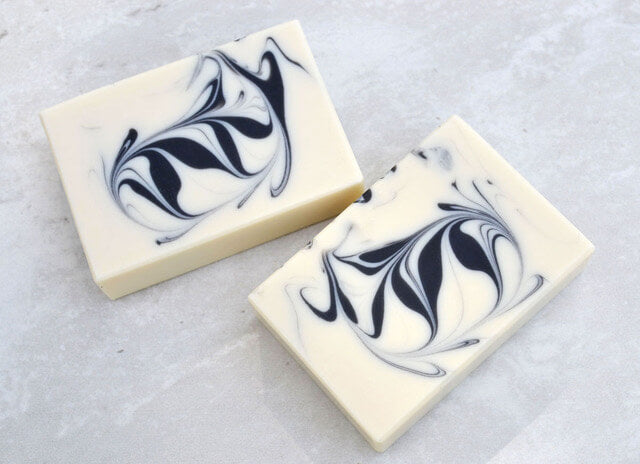
Step 7. Pouring Technique: Follow a strategic pour and layering method for the soap, beginning with a portion of the white batter, then the black, and finishing with the remainder of the white batter.
Step 8. Swirling: Utilize a hanger tool for internal batter swirling, creating intricate designs within the soap.
Step 9. Top Design: Decorate the soap's surface with leftover batter, employing a skewer for detailed patterns.
Step 10. Gel Phase: Optionally, induce gel phase using a heating pad and insulation to enhance soap quality.
Step 11. Unmolding and Finishing: Once ready, unmold and slice the soap into bars. Optionally, bevel edges after a day. Cure the bars for 4-6 weeks before use.