Articles

Formulating Gentle Shampoo Products

Article

Formulating Gentle Shampoo Products

When formulating kids’ products, we want to choose ingredients carefully to create “no more tears” shampoos with a pH that matches that of our eyes, around 7.5, to reduce irritation.
How To Sell More At Markets

Article

How To Sell More At Markets

Selling at markets can help you establish a reputation in your local community and reach customers who wouldn’t otherwise know you exist. But, a different venue may require different strategies than you use to sell online or in store, to get the most of your experience. Here are a few ways to make every market exhibition is a success.
Comedogenic Ratings

Article

Comedogenic Ratings
When an oil clogs the pores and possibly causes acne it is deemed to be "comedogenic".  Since natural oils are commonly used to formulate face and body products we thought a list of comedogenic ratings would be helpful for you!These ratings are based on data from Journal of American Academy of Dermatology.  You can use them to develop your product's marketing materials.
4 Tips For Dealing With Fast Fragrances In Cold Process Soap

Article

4 Tips For Dealing With Fast Fragrances In Cold Process Soap
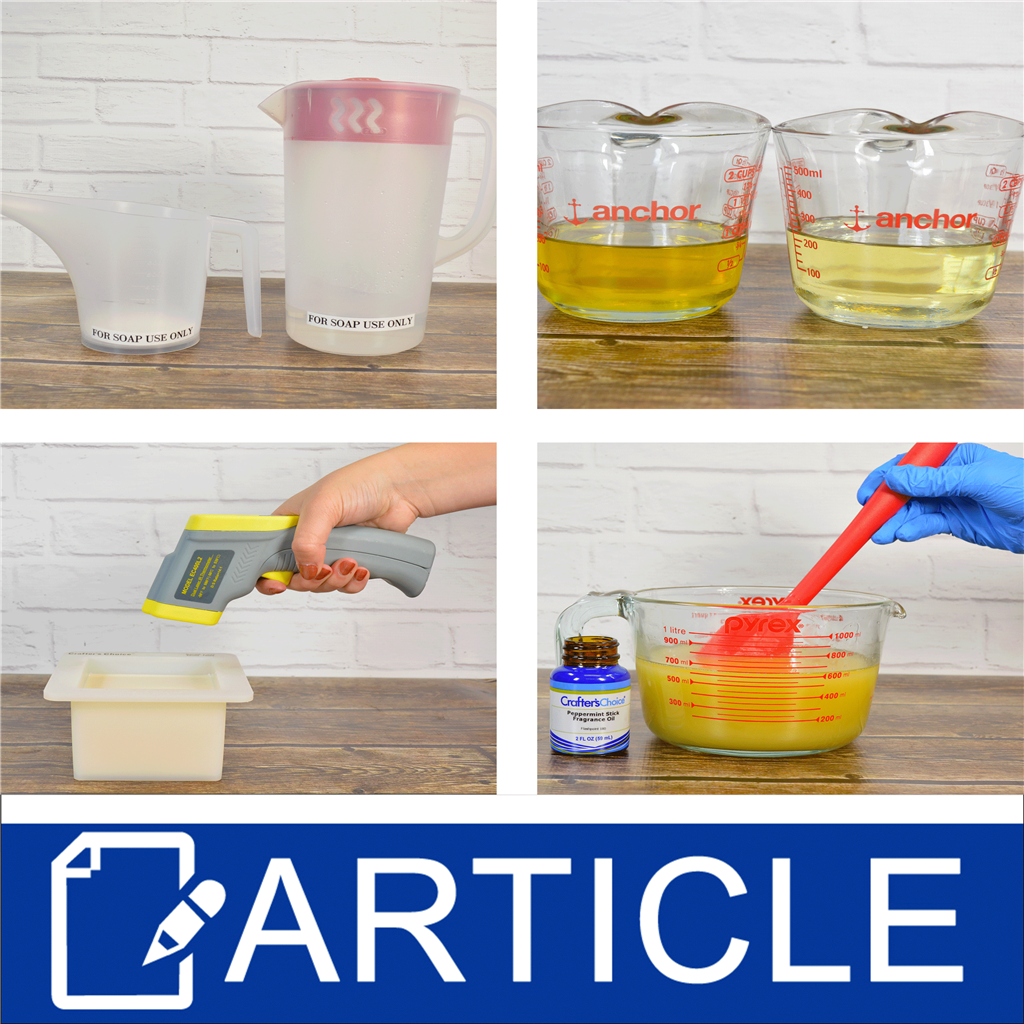
Since fragrance oils are all listed as ‘fragrance’ on the finished cosmetic label, it is easy to forget that each fragrance is different. Each fragrance oil is composed of numerous ingredients, and the unique blend of ingredients has differing effects on cold process soap. For example, the time it takes for the oils/butters to emulsify with the lye solution, also known as trace, varies with the addition of each fragrance oil. Some fragrance oils cause soap to accelerate very quickly, leaving limited amount of time to mold soap. Here are some tips for slowing down these fast fragrances.
Guide to Understanding Curly Hair Types

Article

Guide to Understanding Curly Hair Types
Curly hair is beautifully diverse, with each curl type having unique needs. To help small business owners, soap makers, and DIY enthusiasts create products tailored for curly hair, this guide will cover the different types of curly hair and how to formulate products that cater to each. Understanding curly hair types and the curly hair types chart will guide you in choosing ingredients and crafting products that work effectively for each curl pattern. Curly hair types are typically divided into categories based on the curl pattern, shape, and texture. The curly hair types chart, often referred to in hair care, classifies curls into Types 2, 3, and 4, with each number representing a broad curl pattern. Each category is further divided into subcategories (A, B, and C) based on the curl tightness, making it easy to understand and address the specific needs of each curly hair type. Type 2 hair has a looser, “S” shape, and generally requires lightweight moisture without heavy ingredients that could weigh it down. 2A (Loose Waves)This curl type is fine and barely wavy. It benefits from lightweight products, such as aloe vera gels and lightweight oils like jojoba oil. 2B (Defined Waves)Type 2B waves have a more defined “S” shape but are still prone to frizz. Products with light humectants and hydrating ingredients like honey or glycerin work well. 2C (Wavy with Some Curl)This hair type is thicker, with more defined waves and even some curl. Lightweight creams and conditioners help retain moisture without adding heaviness. Type 3 curls have a distinct ringlet pattern, which tends to be drier and can require more moisture retention than Type 2. 3A (Loose Curls)Type 3A curls are large, loose spirals. They need moisture without the weight, so consider using ingredients like aloe vera, shea butter, and lightweight oils in curl creams and conditioners. 3B (Tighter Curls)Type 3B curls are more defined and springy. This curl type benefits from hydrating but non-greasy products, such as coconut oil, shea butter, and honey in leave-in conditioners and gels. 3C (Corkscrew Curls)These curls are densely packed, with tight corkscrews. They often require rich, hydrating ingredients like avocado oil and castor oil to lock in moisture. Type 4 hair has tight, dense curls or coils. It is the most delicate type, often requiring intensive moisture and products to minimize breakage and tangling. 4A (Soft Coils)Type 4A has tight, defined coils with an “S” pattern. Ingredients like shea butter, castor oil, and aloe vera gel work well to lock in moisture for this type. 4B (Z-Pattern Coils)This curl type has a “Z” pattern with sharper angles. It needs heavy moisturizers, so consider using butters like mango or cocoa and oils like olive oil in conditioning treatments. 4C (Tightest Coils)The tightest curl pattern, 4C hair has densely packed curls that require significant moisture and gentle care. Ingredients like castor oil, shea butter, and honey provide deep hydration and protection. Selecting ingredients based on curl type is essential for creating effective products. Here’s a guide to ingredients that work well for each category: Wavy Hair (Type 2): Lightweight oils (jojoba, grapeseed), aloe vera gel, honey Curly Hair (Type 3): Shea butter, coconut oil, honey, light conditioning oils Coily Hair (Type 4): Rich butters (shea, mango), castor oil, olive oil, glycerin, aloe vera The curly hair types chart serves as a helpful reference for understanding the wide variety of curls. By identifying where a curl pattern falls on the chart, you can better select ingredients that cater to that hair type's specific moisture and styling needs. Wholesale Supplies Plus offers a vast range of ingredients that suit all types of curly hair. From lightweight oils for wavy hair to rich butters and emollients for coily textures, you’ll find quality ingredients to bring your curly hair product formulations to life. With the right ingredients and understanding of the curly hair types chart, you can create products that celebrate and enhance the natural beauty of every curl type.
Grow Your Business with Video Marketing
Article

Grow Your Business with Video Marketing
Recently my washing machine conked out leaving me faced with the decision to sink repair fees into a fifteen year old machine or buy a new one. Pondering my choices I realized that there was a third possibility. So, in one of my finer “I am woman, hear me roar” moments, I decided to fix it myself. But where to begin? YouTube of course!
DIY Tall & Skinny Soap Mold

Article

DIY Tall & Skinny Soap Mold
In the realm of homemade beauty products, the aesthetics of your creation play a significant role in its appeal. Tall and skinny soap molds are particularly popular for their elegant, sleek bars that stand out in any bathroom decor. The process of making these molds yourself is not only easy but also incredibly rewarding. Let's explore how you can create a DIY soap mold that caters to this distinctive shape. Why opt for a DIY tall & skinny soap mold? Beyond the unique shape they impart to your soap bars, crafting your own molds allows for customization to fit your specific needs and preferences. Additionally, utilizing materials you already have contributes to a more sustainable practice by reducing waste.INFORMATION Difficulty: Easy Yield: 1 Mold and 1 Liner Incorporating a DIY soap making mold into your toolkit is a straightforward project that requires minimal materials and yields significant rewards.TIMING Prep Time: 5 Minutes Perform Time: 45 Minutes Total Time: 50 Minutes The process is quick, making it an excellent project for those looking to efficiently add to their soap-making supplies without sacrificing significant time.SUPPLIES Cereal Box Piece of Corrugated Cardboard (Around 10″ x 10″ or bigger; For support on sides of mold) Marking Tool (pen, pencil, or marker) Ruler X-Acto® Knife Scissors Cutting Mat Glue Rubber Bands Packaging Tape Masking Tape Freezer Paper (found with paper and plastic wrap in household items sections in stores) These common household items transform into the components of a reliable cardboard soap mold with a bit of creativity and handiwork. Step 1 – Mark & Cut Box: Initiate your DIY soap mold project by marking 3 ¾ inches up from the bottom of a cereal box, creating the initial dimensions for your tall skinny soap mold. Carefully join the lines with a ruler and use a sharp X-Acto® Knife or scissors to cut. This step forms the base of your mold, crucial for shaping those elegant, tall, and skinny soap bars. Precision here is key, as the cleaner your cuts, the more refined your final soap bar will look.Step 2 – Mark and Cut Corrugated Cardboard Support: The stability of your mold is paramount. To ensure that your tall and skinny soap maintains its shape, cut a piece of corrugated cardboard to serve as a support system. Measure and mark the cardboard, cutting it to fit snugly against the inside walls of your cereal box mold. This step reinforces the mold's structure, preventing any bulging or warping that can occur during the soap curing process.Step 3 – Fit Corrugated Cardboard to Sides of Box: Once your supports are ready, apply a generous amount of glue to attach the corrugated cardboard to the inside walls of your box. Use rubber bands to secure the cardboard in place as the glue dries. This added support is essential for crafting a reliable, durable cardboard soap mold that can be used multiple times, making it an invaluable addition to your collection of homemade soap molds.Step 4 – Make Freezer Paper Liner(s): Customizing a liner for your mold ensures easy removal of the soap after curing. Measure and cut freezer paper according to the dimensions of your mold, allowing for an overhang to facilitate easy lifting. The shiny side of the freezer paper should face inward, acting as a non-stick surface that’s perfect for smooth soap release. This step is crucial for maintaining the integrity of your soap's tall and skinny shape, making the liner an indispensable component of your DIY soap making mold.Step 5 – Tape to Reinforce Corners: After the glue has thoroughly dried, remove the rubber bands and reinforce the mold's corners and seams with packaging tape. This additional step solidifies the mold's structure, ensuring that it can withstand the pressure of the soap mixture and retain its shape during the soap-making process. It's a simple yet effective way to extend the life of your cardboard soap mold.Step 6 – Make Liner: Careful folding and cutting of the liner not only ensure a snug fit within the mold but also guarantee a smooth surface for your soap. Follow the dimensions carefully, making precise folds and cuts where necessary. This attention to detail will reflect in the quality and appearance of your final product, showcasing the craftsmanship behind DIY soap molds.Finishing Touches: With your mold assembled and liner in place, you’re ready to embark on the soap-making process. This DIY tall & skinny soap mold is not just a testament to your ingenuity but also a step towards sustainable crafting. Reusable and efficient, it stands as a hallmark of personalized soap production. Broadening the horizon of DIY soap molds, explore the use of alternative household items. Silicone baking molds, PVC pipes, and sturdy plastic containers can all serve as innovative molds, each offering unique shapes and textures to your soap creations. These alternatives not only diversify your soap-making repertoire but also encourage the repurposing of items, aligning with eco-friendly practices.Incorporating these detailed steps into your soap-making process enriches your experience and enhances the quality of your homemade soaps. Whether you’re creating soaps for personal use, gifts, or small business inventory, these tailored tips and techniques ensure that your products stand out with their professional finish and personal touch.
Rustic Tilted Layered Pillars

Article

Rustic Tilted Layered Pillars

Creating rustic tilted layered pillar candles is a technique that allows for endless experimentation and personalization. To achieve the desired rustic aesthetic while ensuring your candles burn safely and effectively, follow our guide below, including everything you need, the directions to follow, tips to consider, and frequently asked questions. First — Gather everything you will need:Candle WaxDigital ScaleFragrance OilCandle Dye(s)Pour Pots (will need one for each color you intend to use)ThermometersCandle Mold (set up with wicking)Box/tray with sand (can use beans, etc)Using your selected method for safe wax melting (such as a Presto Pot or double boiler), melt your chosen wax and heat it to the manufacturer's recommended temperature. For paraffin pillar wax, heat to approximately 190°F.Set the pour pot on a digital scale and tare it. Transfer the necessary amount of wax to the pour pot. For a 3x3.5” pillar, 12 oz of wax is needed. Transfer 11.5 oz of wax, then add 0.5 oz of fragrance oil (FO). Stir thoroughly for approximately 2 minutes.If using two colors, transfer 6 oz of the scented wax to a second pour pot. Check the temperature and, if needed, reheat the wax to approximately 185°F using a double boiler. Add your chosen dye to each pour pot and mix well.When the mixture cools to approximately 160°F, pour the first layer into a tilted mold. For a 'rustic' look, do not preheat the mold. Gently “slosh” the wax around in the mold to create less defined layer lines, adding visual appeal.Keep the second color heated to approximately 160°F while monitoring the first layer. Before pouring the next layer, ensure the existing layer cools enough to form a skin that will not blister when you turn the mold for the next layer. If a bubble forms and you pour too soon, the hot wax may melt the blister, causing the colors to bleed. Patience is key.Repeat this process for as many layers as desired. Allow the mold to tilt at varying angles, and don't regulate the thickness of your layers—this will create a more visually appealing design.For the final pour, set your mold upright, let it set, poke relief holes, and do your re-pour. Once completely cooled, un-mold your creation and enjoy your latest work of art! For a more pronounced tilted effect, experiment with varying the angle of your mold between pours. Don't be afraid to get creative and try different combinations of steep and shallow tilts. Additionally, adjusting the thickness of each wax layer can add depth and dimension to your candles. Remember, the beauty of this technique lies in its imperfection, so embrace the unique character of each candle. To further enhance the rustic charm of your tilted layered pillar candles, consider using natural waxes like soy or beeswax. These waxes often have a slightly textured appearance that complements the uneven layers of your candles. Incorporating natural elements such as dried flowers or herbs into the wax can add an extra touch of rustic elegance. When selecting fragrances, opt for earthy or woodsy scents that complement the overall aesthetic of your candles. Creating beautiful and unique rustic tilted layered pillar candles is a rewarding experience, but it can also raise some questions. Here are answers to some common inquiries:How Long Should I Wait Between Pouring Layers?It's essential to allow the previous layer of wax to cool completely before pouring the next to prevent mixing and ensure clean layer separation. A good rule of thumb is to wait until the surface of the wax is completely solid. This typically takes around 30-60 minutes, depending on the room temperature and type of wax used.Can I Use Any Type of Wax for Tilted Layered Candles?While you can experiment with different waxes, soy wax is generally preferred for its even burn and ability to hold fragrance well. Other waxes like beeswax or palm wax can also be used, but they may require adjustments to the pouring temperature and cooling time.How Do I Achieve a Truly Random Tilted Effect?To create an authentically random look, avoid any patterns or deliberate tilting motions. Instead, trust your instincts and pour each layer with a spontaneous tilt. Remember, consistency is the enemy of a rustic appearance. Embrace the unexpected and enjoy the unique character of each candle.Can I Add Color to My Tilted Layered Pillar Candles?Absolutely! Adding color is a fantastic way to enhance the visual appeal of your candles. You can use liquid candle dye or wax color blocks to achieve your desired hues. Experiment with different color combinations to create stunning effects.How Do I Prevent Air Bubbles from Forming in My Layered Candles?Air bubbles can detract from the overall appearance of your candles. To minimize their formation, allow the wax to cool slightly before pouring. Additionally, avoid stirring the wax vigorously, as this can introduce air bubbles. If you do notice bubbles, you can carefully pop them with a toothpick or needle once the wax has hardened slightly.
Make Soap with Repurposed Soap Molds

Article

Make Soap with Repurposed Soap Molds

This tutorial is a fun way to experiment with homemade soap molds using containers you already have on hand. Many a Pringles container has fallen to my mad soap-making skills! This tutorial focuses on how you can create DIY soap molds with items you might already have around the house, turning them into unique and repurposed soap molds.This tutorial is intermediate level, so if you’re just starting out with soap making, check out our beginner tutorials in the Melt and Pour Soap section to get more familiar with the basics. Microwave-safe glass containers Sharp knife to cut soap into cubes Spray bottle with rubbing alcohol Butter knives Rubber gloves Empty Pringles can, water bottle, soda bottle, and yogurt container (you can use whatever you have on hand) Disposable pipettes Thermometer to monitor soap temperature Ultra Clear Melt & Pour soap base Gel soap colorants of your choice Fragrance oils of your choice (bath/body safe) Straight soap cutter (shown in directions) Soap miter box (shown in directions) Scissors or box cutter (shown in directions) Step 1: Prepare Your ContainersStart by going on a scavenger hunt through your house to find containers that can be used as DIY molds for soap. I came up with an empty water bottle, a yogurt cup, a small root beer bottle, and a Pringles can. The Pringles container, in particular, makes a great loaf mold – just finish off those chips first!Tip: Don’t use metal containers. Stick with plastic or cardboard/coated cardboard for your repurposed soap molds.Wash all your containers well and let them dry completely. Take special care with the Pringles can since it’s made of cardboard. After they dry, spritz them with alcohol and allow them to air dry for an additional 10 minutes or so.Step 2: Cut Up Your Soap BaseCut the Ultra Clear Melt & Pour base into small cubes. You can use any soap base that you prefer, so feel free to mix it up!TIP: To figure out how much soap your repurposed molds will hold, fill them with water and then pour the water into a measuring cup. This will tell you approximately how much soap you’ll need. Make sure your molds are completely dry before using them. To save a step, do this while cleaning the containers.Step 3: Melt the Soap BaseStart with the Pringles can. Take 16 ounces of cubed soap base and place it in a microwave-safe glass container. Melt the soap in the microwave in 30-second bursts until it’s completely melted. Be careful not to boil the soap; boiling can result in a poor-quality, rubbery soap.Step 4: Add Color and FragranceAdd about 6 drops of your chosen gel soap colorant. I went with Sunflower Yellow. Next, add your fragrance oil using a disposable pipette. I chose Aqua type and added 8 ml to the soap base. Stir slowly to combine.Step 5: Monitor TemperatureUse a thermometer to monitor the soap base temperature – it should be about 130°F to avoid warping your DIY soap molds. If the soap is too hot, keep stirring slowly until it cools to 130°F.Step 6: Pour the SoapPour the soap base slowly into the Pringles can, spritz the top with alcohol, and set it aside. Pouring slowly helps to avoid excess bubbles, and spritzing with alcohol will eliminate any remaining bubbles.Step 7: Let Set OvernightBecause this is a large amount of soap, allow it to set overnight for the best results.Step 8: Remove the Soap from the MoldOnce the soap is completely set, remove it from the container by slowly tearing away the sides of the Pringles can.Step 9: Cut the SoapYou’ll have a one-pound round loaf of soap. Use a straight soap cutter with or without a soap miter box to slice the loaf into bars. Water Bottle:Step 10: Cut the water bottle down to size using a box cutter or scissors. Pour your prepared soap base, spritz with alcohol, and let it set completely before unmolding. The thin plastic makes it easy to cut away with scissors.Soda Pop Bottle:Step 11: Cut the soda pop bottle down to size using a box cutter or scissors. Pour your prepared soap, spritz with alcohol, and let it set completely. The thicker plastic still needs to be cut away, but take your time to avoid damaging the soap.Yogurt Container:Step 12: Pour your prepared soap base into the yogurt container, spritz with alcohol, and let it set completely. The thicker plastic allows you to simply press on the back of the container to pop out the soap. That’s it! You can use a variety of different types of containers to get unique looks and styles for your soap. There are many other containers you can repurpose into soap molds besides the ones I’ve shown here.Try using small milk containers, ready-made jello or pudding containers, or even Rubbermaid food storage containers. The possibilities are endless when it comes to DIY soap molds. Whether you're using repurposed soap molds or creating homemade soap molds from scratch, the fun lies in experimenting and discovering what works best for your soap-making projects.
What Your Dog Can Teach You About Business

Article

What Your Dog Can Teach You About Business
Do you ever stop and think about what your dog can teach you about business and life in general? These creatures may seem like simple beings but their instinctual actions hold much meaning. Here are a few of the lessons I've learned from my two lovables; they're not just darn cute, they're pretty smart!
How to Make Candles at Home

Article

How to Make Candles at Home
Embarking on the journey of candle making is not only a creative outlet but can also be a stepping stone into a thriving business. Whether you're crafting for personal pleasure or with entrepreneurial aspirations, understanding the nuances of candle making is crucial. This comprehensive guide will illuminate the art of creating candles at home, providing detailed insights into the necessary ingredients, beginner-friendly techniques, safety precautions, and more. Let's dive into this mesmerizing world and light up your candle making skills!
Lemons to Lemonade - Making the Most of Unwelcome Life Events

Article

Lemons to Lemonade - Making the Most of Unwelcome Life Events
Bad news? Unwelcome life events can be upsetting—even frightening—but you have the power to make them less so. The next time life hands you lemons, sweeten the outcome by following some (or all) of these suggestions to manage your emotional response.