


Articles
Article
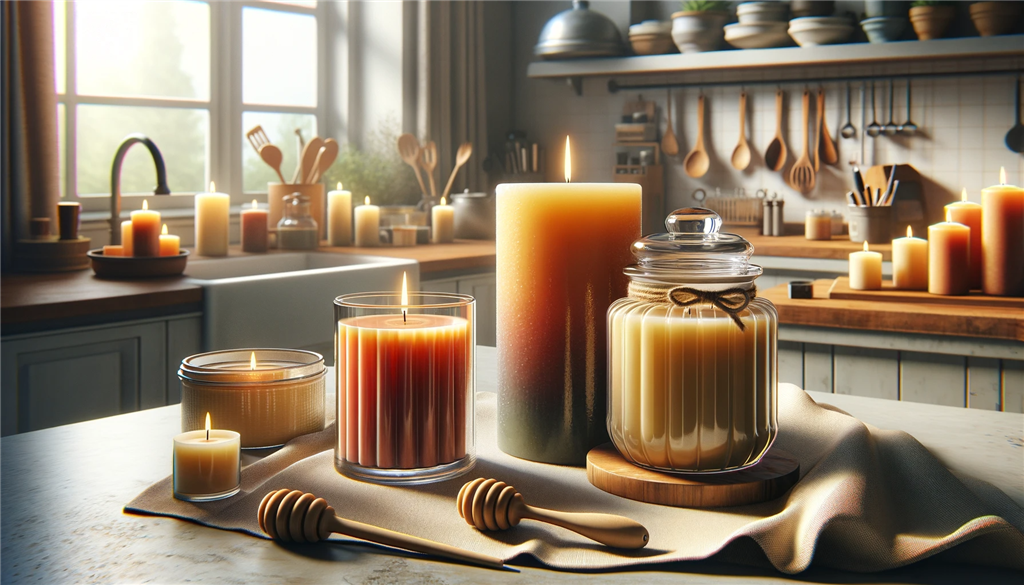
How to Make Candles at Home
Article
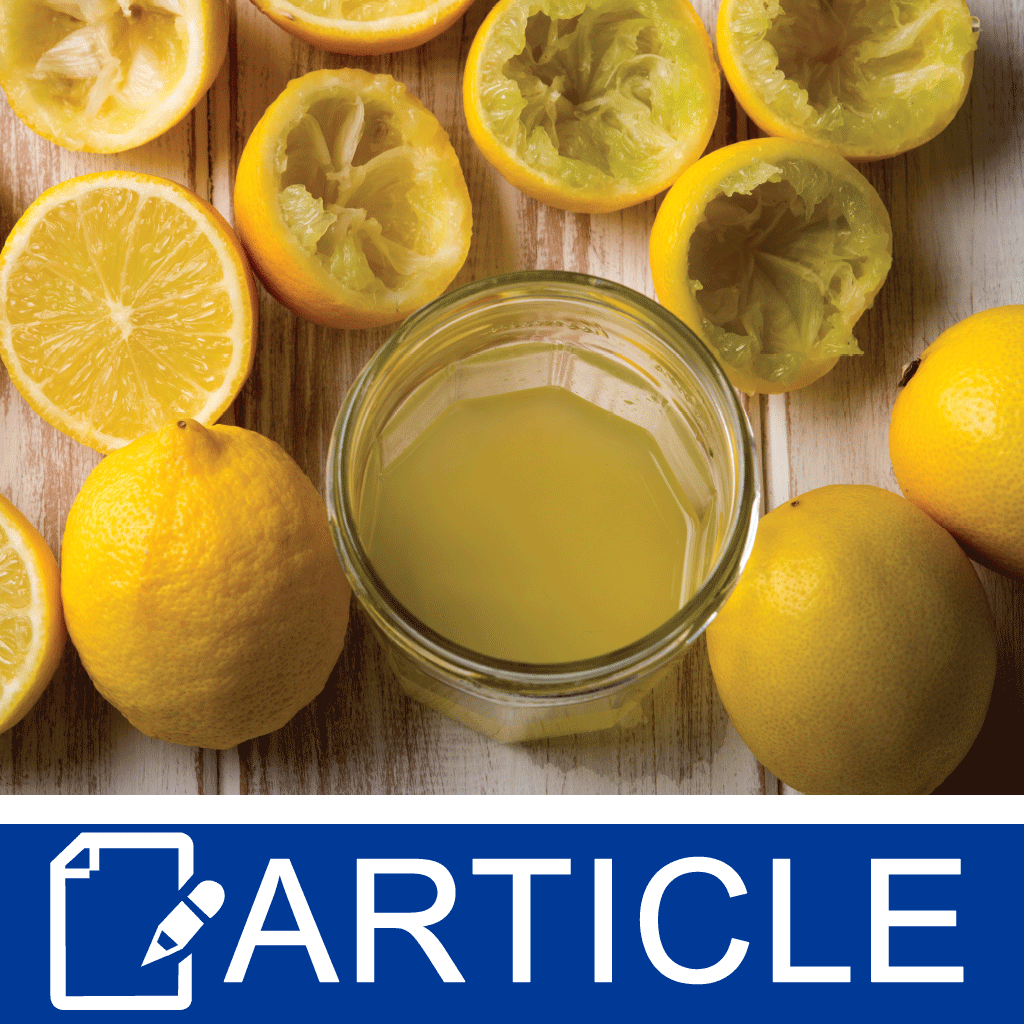
Lemons to Lemonade - Making the Most of Unwelcome Life Events
Article
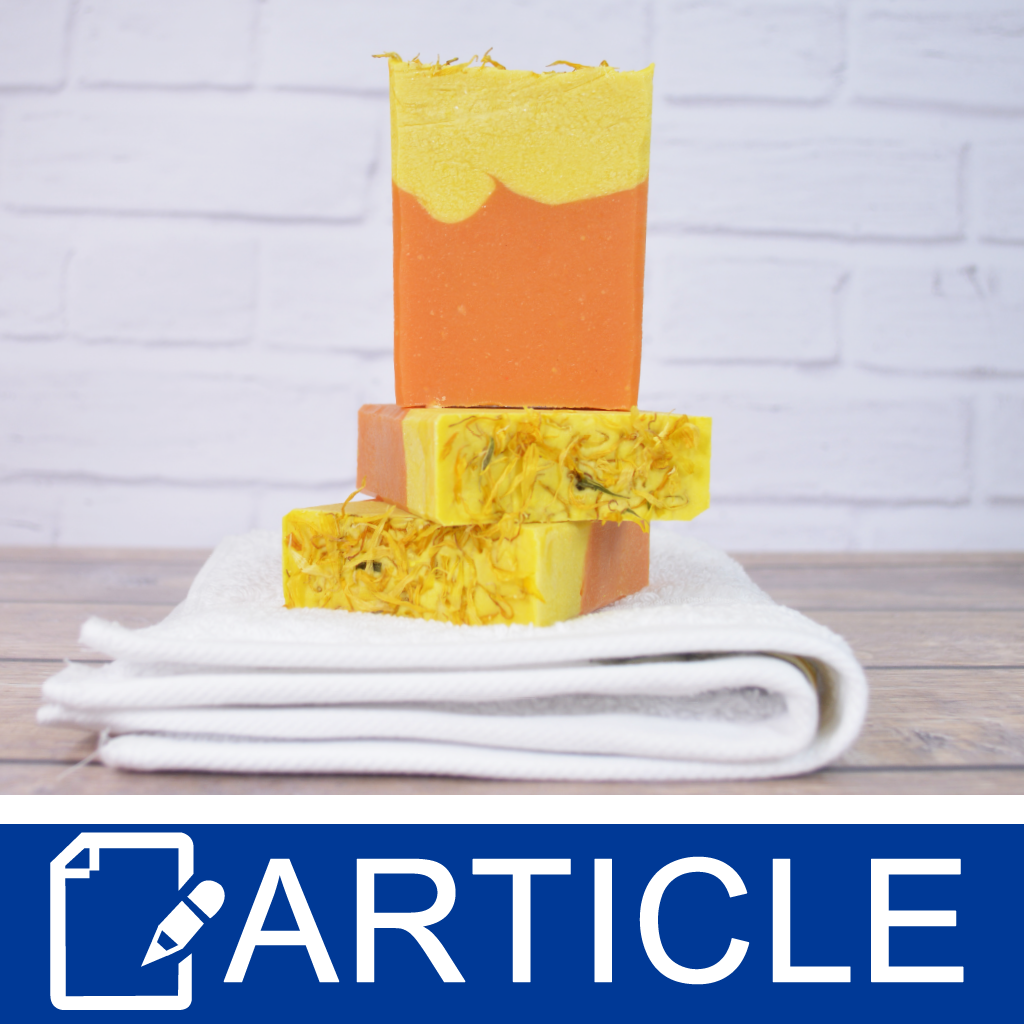
Get Fresh With Me - Using Food in Cold Process Soap

Article
Puzzle Piece Silicone Soap Mold Video

Article
Fair Packaging and Labeling Act (FPLA) Guide for Makers
Article
Making Aromatherapy Sweet Dreams After Bath Oil

Article
A 5 Star Recipe For Happiness
Article
Video Newsletter: Spring Cleaning with Homemade Cleaning Products
Article
Labeling Your Products
Article
How to Make Bar Soap Last Longer

Article
A is for Abbreviations...
Article
To Gel or Not To Gel
Best Sellers
View All
Crafter's Choice
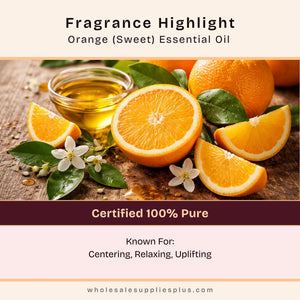
Orange (Sweet) Essential Oil - 100% Pure 134

Crafter's Choice
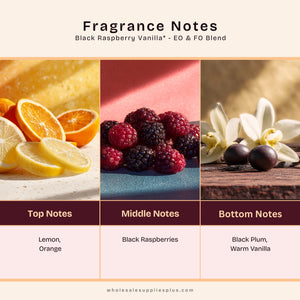
Black Raspberry Vanilla* - EO & FO Blend 89

Crafter's Choice
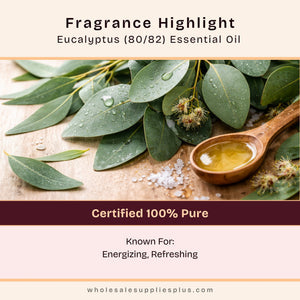
Eucalyptus (80/82) Essential Oil - 100% Pure 705

Crafter's Choice
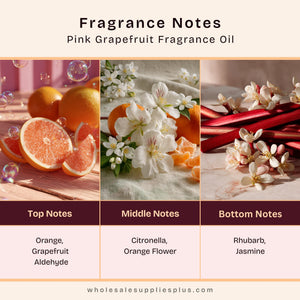
Pink Grapefruit Fragrance Oil 97

Crafter's Choice
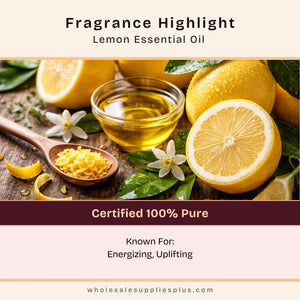
Lemon Essential Oil - 100% Pure 140

Crafter's Choice
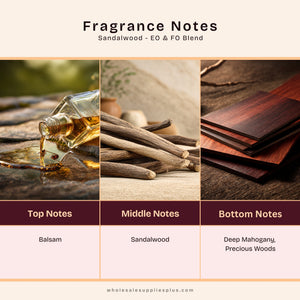
Sandalwood - EO & FO Blend 104

Crafter's Choice
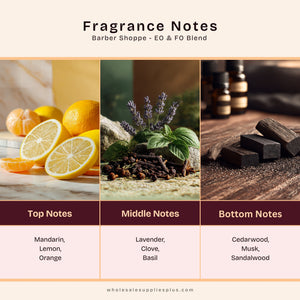
Barber Shoppe - EO & FO Blend 123

Crafter's Choice
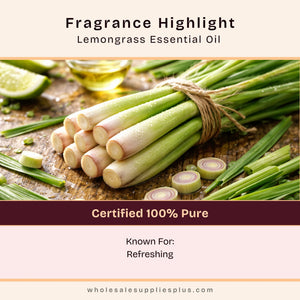
Lemongrass Essential Oil - 100% Pure 138

Crafter's Choice
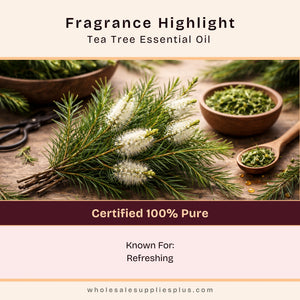
Tea Tree Essential Oil - 100% Pure 136

Crafter's Choice
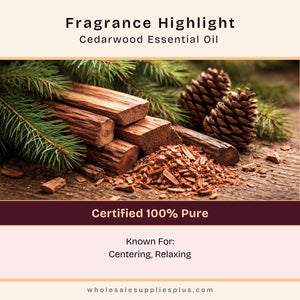
Cedarwood Essential Oil - 100% Pure 135
Crafter's Choice
Orange (Sweet) Essential Oil - 100% Pure 134
Crafter's Choice
Black Raspberry Vanilla* - EO & FO Blend 89

Crafter's Choice
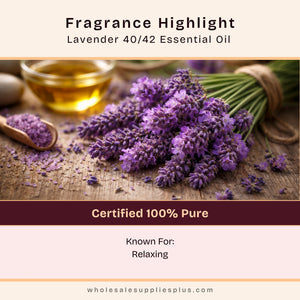
Lavender 40/42 Essential Oil - 100% Pure 139

Crafter's Choice
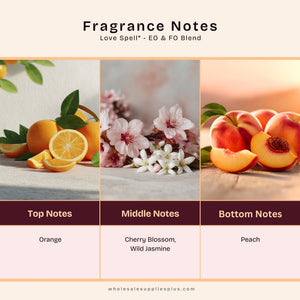
Love Spell* - EO & FO Blend 90

Crafter's Choice
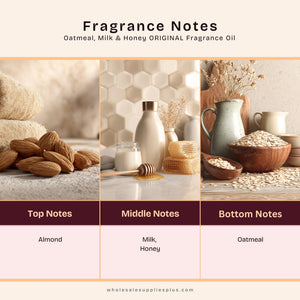
Oatmeal, Milk & Honey ORIGINAL Fragrance Oil 105

Crafter's Choice
Lavender Fragrance Oil 91
Crafter's Choice
Eucalyptus (80/82) Essential Oil - 100% Pure 705
Crafter's Choice
Pink Grapefruit Fragrance Oil 97
Crafter's Choice
Lemon Essential Oil - 100% Pure 140
Crafter's Choice
Sandalwood - EO & FO Blend 104

Crafter's Choice
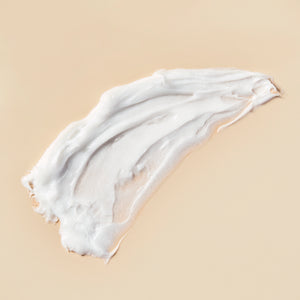
Foaming Bath Whip - Traditional

Crafter's Choice
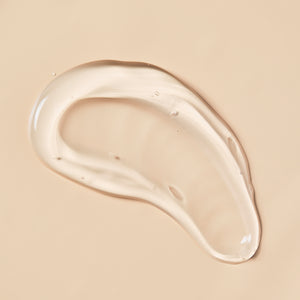
Aloe Vera Gel

Crafter's Choice
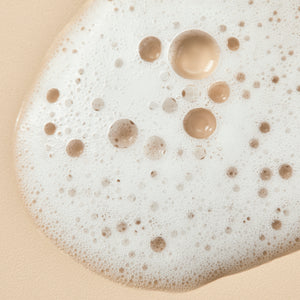
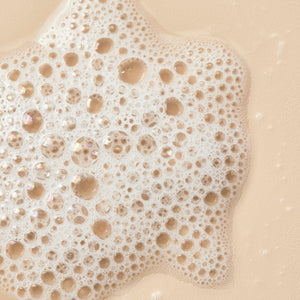
Shower Gel - Crystal Clear

Crafter's Choice
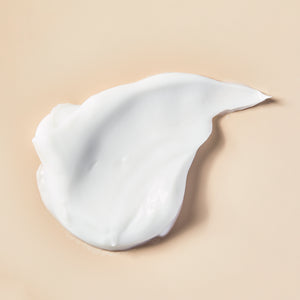
Liquid Suspension Soap Base

Crafter's Choice
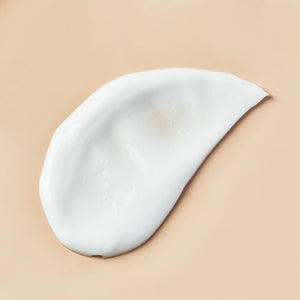
Shea Butter & Aloe Lotion

Crafter's Choice
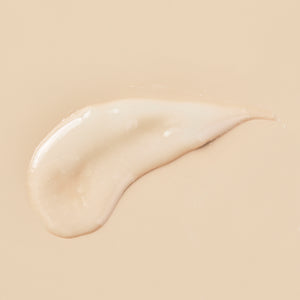
Goat Milk & Honey Lotion

Crafter's Choice
Lip Balm Base for Sticks

Crafter's Choice
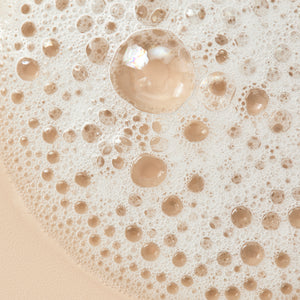
Body Wash - Pearl (Sulfate Free & Paraben Free)

Crafter's Choice
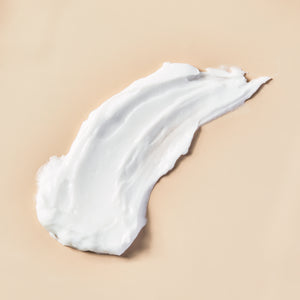
Satin & Silk Lotion

Crafter's Choice
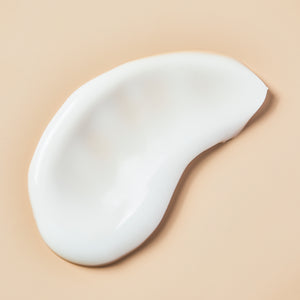
Basic Lotion Base

Crafter's Choice
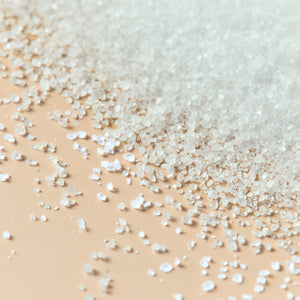
Citric Acid Powder

Crafter's Choice
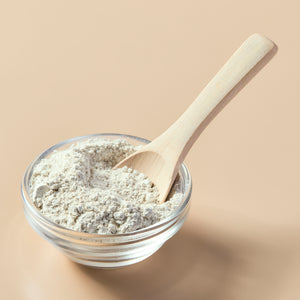
White Kaolin Clay


Crafter's Choice
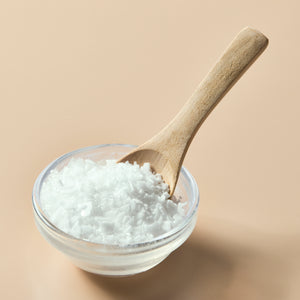
Preservative - Water Soluble PF (Compare to Germall Plus)

Crafter's Choice
Stearic Acid

Crafter's Choice
Polysorbate 80

Crafter's Choice
Emulsifying Wax - Soft & Silky

Crafter's Choice
Baking Soda (Sodium Bicarbonate)

Crafter's Choice
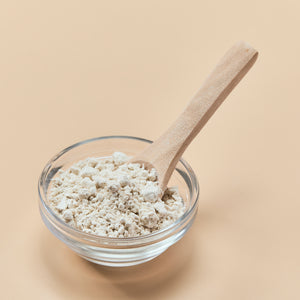
Oatmeal - Colloidal


Crafter's Choice
Cetyl Alcohol


Crafter's Choice
Emulsifying Wax - Traditional

Crafter's Choice
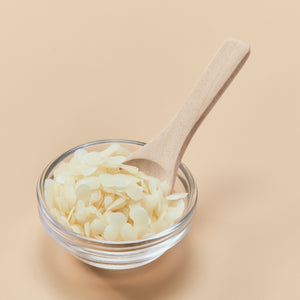
Beeswax - Yellow Pastilles

Crafter's Choice
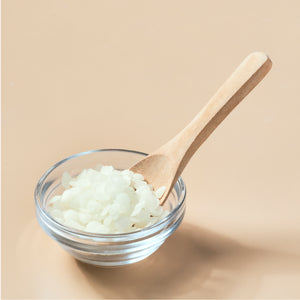
Beeswax - Ivory

Golden Brands
Golden Brands 464 Container Soy Wax

Crafter's Choice
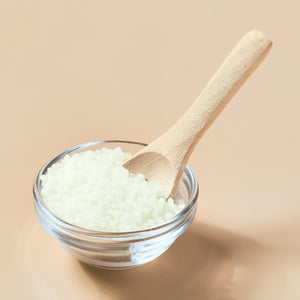
Beeswax - Ultra Refined & Bleached

Rustic Escentuals
Ky Para-Soy Tart & Votive Blend Wax

Rustic Escentuals
Ky 133 Versatile Paraffin Wax Blend

Golden Brands
Golden Brands 415 Soy Wax

ProBlend
ProBlend 600 Para-Soy Container Wax

Golden Brands
Golden Brands 454 Coconut Soy Wax
Rustic Escentuals