Articles

Fresh Food in Personal Care Products? Things to Consider

Article

Fresh Food in Personal Care Products? Things to Consider
Fresh avocado moisturizing face mask, wildcrafted elderberry toner, foraged blackberry infused body butter…These all sound so lovely, but using fruit, vegetables, leaves, and flowers creates huge contamination issues as all manner of beasties, like fungus, yeast, and bacteria, show up for a fresh and fruity nutrient party.
Honey: Formulation & Chemistry

Article

Honey: Formulation & Chemistry

To understand how to formulate cosmetics with honey, we need first to appreciate the chemistry of honey. Honey is created from plant nectar, a mix of assorted different sugars, proteins, and other compounds, in a water-based solution. Bees are responsible for collecting nectar and converting it to honey.
Health And Wellness Programs - Affordable Ways To Step It Up
Article

Health And Wellness Programs - Affordable Ways To Step It Up
Owning a small business is not for the faint of heart. It takes courage, endurance, commitment, passion and smarts. Most of the entrepreneurs I’ve met possess these qualities, yet many of them forget one important thing: these qualities alone won’t get them far in life and business without a healthy mind and body to carry them out. Exercise and proper nutrition are paramount to success.
A Twist on Traditional Citrus

Article

A Twist on Traditional Citrus

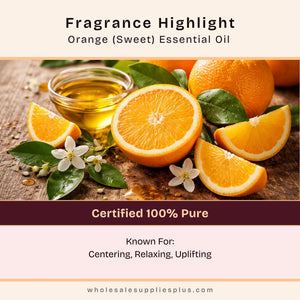
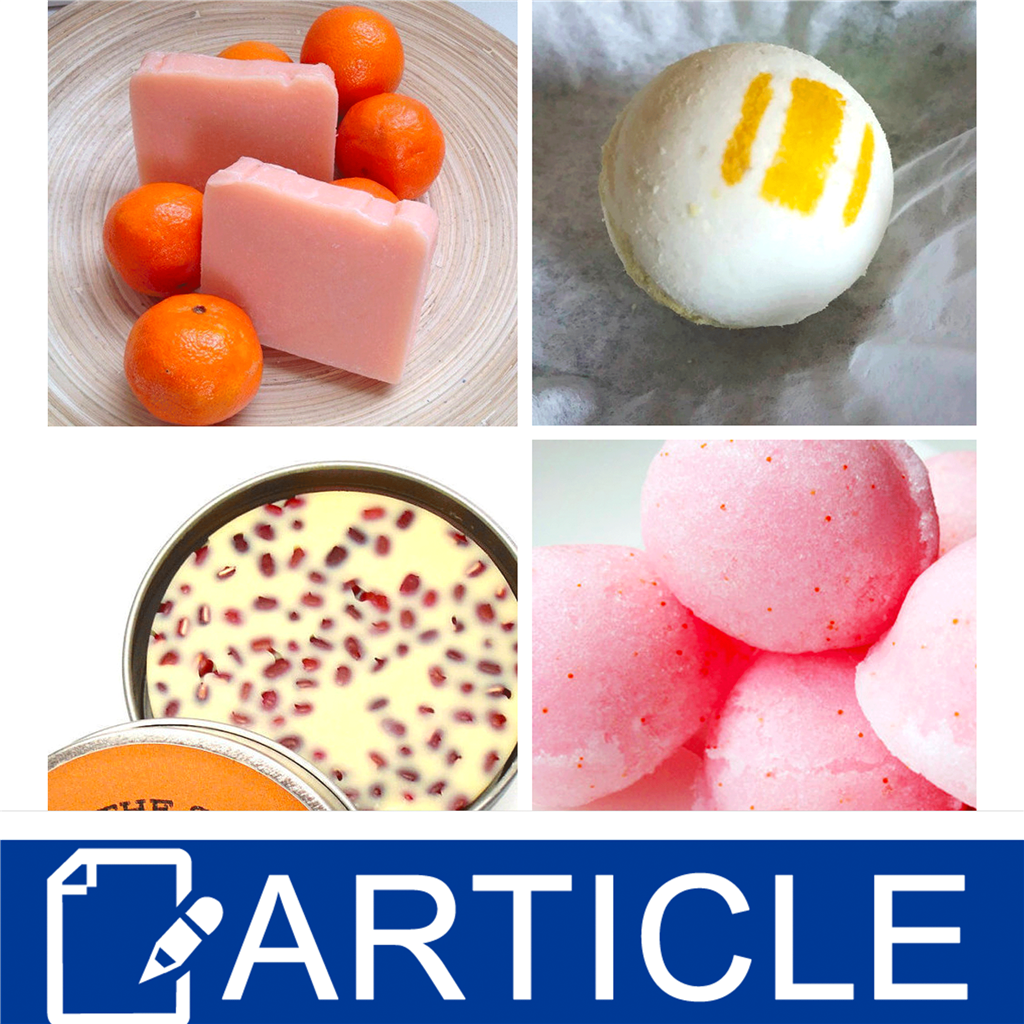
Traditional citrus fragrances like lemon, orange, grapefruit and lime are popular in hand soaps and cleaning products. These fragrances are especially common for kitchen bar soaps and liquid washes. We are inspired by a fragrnance trend with a twist on traditional citrus scents. Try formulating your next handmade recipe with a more unique citrus fragrance or essential oil such as blood orange, yuzu, bergamot or satsuma. These tangy citrus fruits fragrances still have the fresh, clean smelling quality of traditional citrus scents, but they each offer a more unique note. Customers looking for something unique, new and non-traditional will be attracted to these fragrances and the bright color palettes inspired by them.  
Creating a Summer Travel Beauty Line

Article

Creating a Summer Travel Beauty Line
Summer travel is at the top of everyone’s to-do list in 2022, particularly after easing restrictions following two years of COVID-19. Whether your customers are packing up the car or headed through airport security, it’s the perfect time to introduce a summer travel beauty line to fit those space constraints. Here’s everything you need to know.
White Chocolate: Cosmetic Applications
Article

White Chocolate: Cosmetic Applications
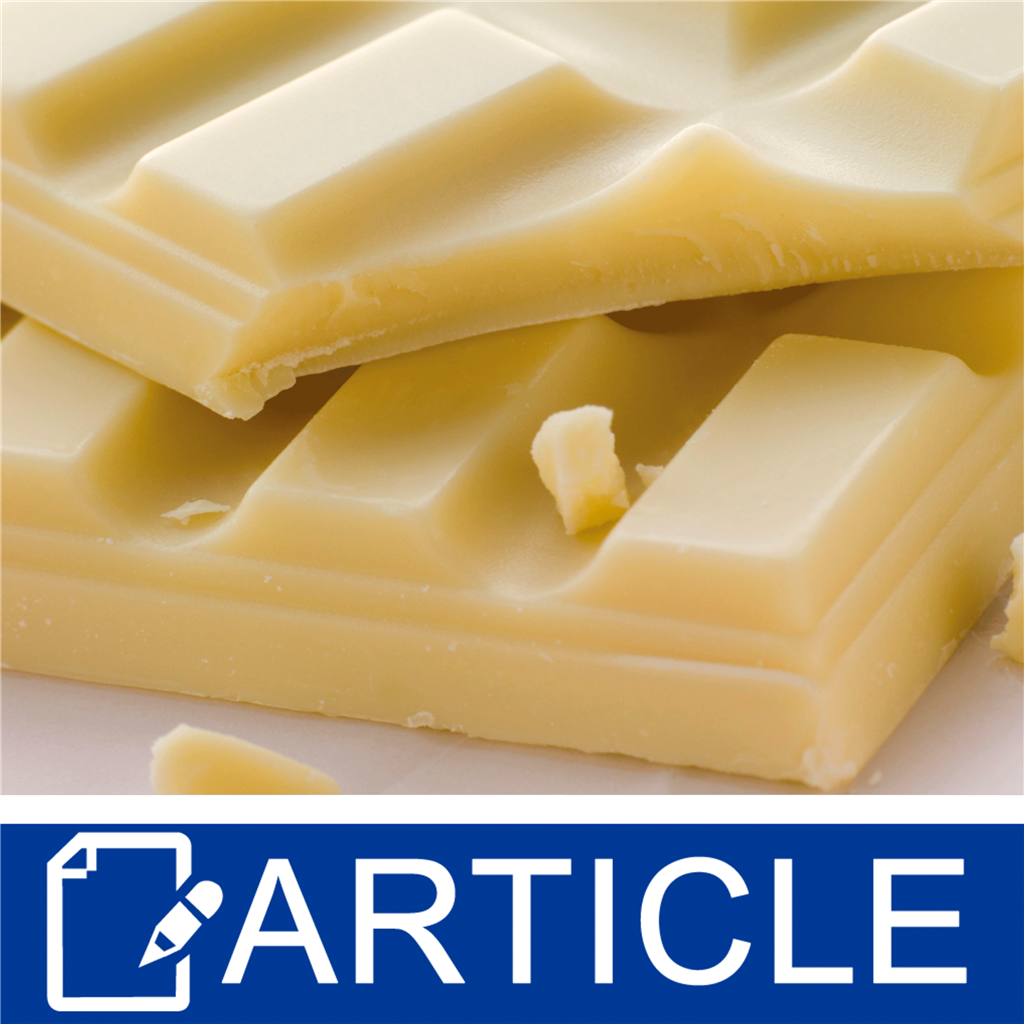
When most of us think of chocolate, we think of candy. Available in a plethora of unique flavors and shapes, chocolate has become one of the most popular food types and flavors in the world.
Formulating  Perfect Bath Bombs

Article

Formulating Perfect Bath Bombs

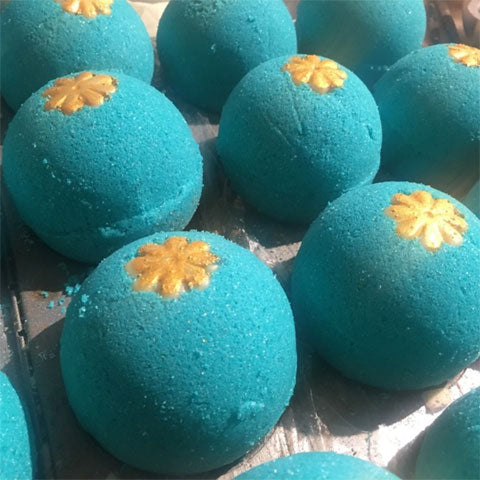
No bath product is more trendy right now than bath bombs and it’s easy to see why. A great bath bomb is a beautifully-scented ball of fun for your tub. It’s the perfect treat for the end of a hard day and has far fewer calories than cake! Making bath bombs can be a little tricky, though. It’s important to use the right recipe and right molding technique to get perfect bath bombs. Not to mention, the weather conditions need to be optimal, as well! In this tutorial, we discuss the ingredients for formulating bath bombs that are colorful, luxurious and durable. We hope that you can spend more time relaxing in your bath and less time frustrated making your bath bombs! The heart of every bath bomb recipe is simple chemical reaction: when sodium bicarbonate baking soda is combined with an acid (usually citric acid) in an aqueous solution (i.e., your tub), carbon dioxide is liberated in a delightfully fizzy show. The most important ingredients in your recipe are baking soda and citric acid. Bath bombs are generally made with an approximately 2:1 ratio of baking soda: citric acid, though I’ve found that a 2.25:1 ratio is also acceptable and cuts your costs a bit. Baking soda is readily available from the grocery store. Arm and Hammer brand baking soda is consistently the finest and most lump-free baking soda available and is worth seeking out. You can find it most cheaply in bulk bags from Costco or Sam’s Club. Our fine-grained Citric Acid will produce smooth, even bath bombs. Store your baking soda and citric acid tightly covered, away from moisture. Both ingredients are slightly hygroscopic and will become lumpy and annoying to use in humid environments.The remaining ingredients in bath bomb recipes are to fragrance the bath, emolliate your skin and harden your bombs, to bulk up your recipe, disperse oils or to provide decora
What is Mineral Oil? A Comprehensive Guide to Its Uses

Article

What is Mineral Oil? A Comprehensive Guide to Its Uses
Mineral oil is a versatile, widely used ingredient found in skincare, cosmetics and soap making. While it often sparks debate, it’s been a trusted staple in numerous industries for decades. In this guide, we’ll answer questions like “What is mineral oil?”, and explore its uses, benefits, myths, and safety in various applications. Mineral oil is a colorless, odorless, and lightweight oil derived from petroleum. It undergoes a thorough purification process to ensure it is safe for use in cosmetic and medical products. Due to its ability to create a protective barrier on the skin, mineral oil is frequently found in moisturizers, cleansers, and lotions.Despite its petroleum origin, highly refined mineral oil is considered safe for skincare and cosmetic use when approved for such applications. Mineral oil is a byproduct of petroleum refining. However, not all mineral oils are the same: Unrefined Mineral Oil: This form is used in industrial applications, such as lubricants and machinery oils. Cosmetic-Grade Mineral Oil: This highly purified form is used in personal care products like moisturizers, makeup removers, and baby oil. Food-Grade Mineral Oil: Safe for consumption, this version is often used to protect wooden kitchenware, cutting boards, and certain food preparations. The purification process ensures that cosmetic and food-grade mineral oil is free from contaminants and safe for use. Mineral oil has a wide range of applications, from skincare to cosmetic uses. Here are its primary uses: Skincare and Cosmetics: Found in lotions, creams, lip balms, and makeup removers due to its moisturizing and protective properties. Soap Making: Mineral oil in soap helps produce softer soaps with a silky texture. It can also prevent soap bars from cracking over time. Hair Care: Mineral oil in shampoo and hair treatments helps condition dry, frizzy hair, adding a layer of shine and protection. Mineral oil for skin is often misunderstood, but it has several proven benefits. One of the biggest advantages is its ability to lock in moisture. By creating a protective barrier on the skin, mineral oil reduces water loss and keeps the skin hydrated. This makes it particularly useful for dry, sensitive skin.Another benefit is that mineral oil is gentle and unlikely to irritate the skin. Because it is non-comedogenic, it does not clog pores when used in its refined, cosmetic-grade form. This makes it suitable for a variety of skin types, including those prone to dryness or irritation.Despite its benefits, mineral oil is surrounded by a few common myths. A frequent misconception is that mineral oil suffocates the skin. In reality, it forms a breathable barrier that protects the skin while helping it retain moisture. Some also believe that mineral oil is toxic because it is derived from petroleum. However, cosmetic-grade mineral oil undergoes extensive purification to remove any impurities, ensuring it is safe for use. Finally, the myth that mineral oil causes acne has been repeatedly debunked; its non-comedogenic properties mean it will not clog pores or cause breakouts.When used in skincare, mineral oil remains a gentle, effective moisturizer with a long history of safe use. Mineral oil in soap plays a unique role in crafting softer, more luxurious soaps. Here’s why it’s valued in soap making: Texture Improvement: Adding a small amount of mineral oil gives the soap a smoother texture and prevents cracking. Moisturizing Benefits: Mineral oil adds conditioning properties, making soap gentler on the skin. Soap Softness: Unlike hard oils that result in firm soap bars, mineral oil helps create a soft and silky soap. It’s important to note that mineral oil is often used in small quantities to complement other oils like coconut oil or olive oil in soap recipes. 1. Is mineral oil safe for sensitive skin?Yes, cosmetic-grade mineral oil is hypoallergenic and safe for sensitive skin. It’s commonly found in baby oil and lotions for its gentle properties.2. Can I use mineral oil in soap?Yes, mineral oil is used in soap making to improve texture and add moisturizing benefits. However, it should be used in small amounts.3. Does mineral oil clog pores?No, refined mineral oil is non-comedogenic and does not clog pores. It helps lock in moisture without causing breakouts.4. How is food-grade mineral oil different from cosmetic-grade mineral oil?Food-grade mineral oil is specifically purified for food safety, while cosmetic-grade mineral oil is refined for skincare and beauty products.5. Is mineral oil in shampoo good for my hair?Yes, mineral oil in shampoo can help smooth and condition dry hair, adding shine and reducing frizz. Now that you know what mineral oil is and what mineral oil is used for, it’s easy to see why it’s such a versatile and widely trusted ingredient. From skincare and soap making to food-grade applications, mineral oil plays a valuable role in many areas of daily life.Despite common misconceptions, highly refined mineral oil is safe, effective, and beneficial for both skin and hair. Whether you’re crafting soaps, conditioning wooden kitchen tools, or adding it to beauty products, mineral oil remains a reliable and affordable choice.
Effective Retail Pricing Strategies for Handmade Bath and Body Products

Article

Effective Retail Pricing Strategies for Handmade Bath and Body Products
You've determined wholesale pricing for selling soap and bath and body products. Wholesale is what you charge retailers who buy large quantities of your handmade products to sell to their customers. For the sake of your company's growth, you won't want to sell your handmade products to everyone at wholesale prices. By selling at retail prices, you will have enough margin to have an occasional sales promotion and still make money!
How to Fragrance Botanicals

Article

How to Fragrance Botanicals
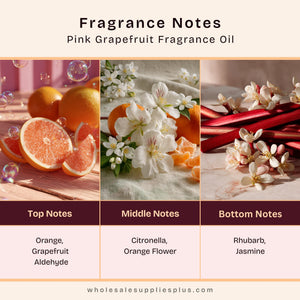
Botanicals add a touch of nature to cosmetics, and will appeal to customers for their look. Unfortunately, they often lack the strong aromas we associate with beautiful flowers and tasty herbs. Fragrances and essential oils fill this void making your finished product look and smell wonderful! Here are some fragrance suggestions to help take your soap or cosmetic to the next level!
Hobbies That Make Money

Article

Hobbies That Make Money
Many people have hobbies that have the potential to be a source of income. There is an unlimited number of hobby possibilites, but here is a short list to promote brainstorming for other possible ideas.

Article

What is Cupuacu Butter & Cosmetic Benefits
Rich in nutrients and prized for its exceptional hydration properties, cupuacu butter has emerged as a star ingredient in both natural skincare and haircare. Derived from the seeds of the Theobroma grandiflorum tree native to the Amazon rainforest, this plant-based emollient is celebrated for its ability to deeply moisturize skin and hair without leaving a greasy residue. Whether you're a hobbyist formulator or a small business owner developing your next best-selling product, cupuacu butter offers a versatile, high-performance ingredient worth exploring. Cupuacu butter is extracted through cold pressing the seeds of the cupuacu fruit, a tropical relative of cacao. The butter has a creamy consistency and a mild, earthy aroma. It's rich in phytosterols, antioxidants, and essential fatty acids like oleic, stearic, and palmitic acids—elements that contribute to its emollient and moisture-retentive properties.Its natural composition allows it to absorb nearly four times its weight in water, making it an incredibly effective skin hydrator. While similar in texture to shea and cocoa butter, cupuacu butter is distinguished by its superior ability to lock in moisture and support skin elasticity. Cupuacu butter is believed to offer a wide range of skin benefits, making it a sought-after ingredient in body butters, moisturizers, and facial care products. Here are a few standout properties: Deep Hydration Without Residue: It penetrates the skin quickly, offering long-lasting moisture without the greasy finish common in other emollients. Improves Skin Elasticity: Its phytosterol content may help support collagen production, enhancing firmness and reducing the appearance of fine lines. Soothes and Calms: Thanks to its anti-inflammatory properties, cupuacu butter is frequently used to ease dry, irritated, or sun-damaged skin. Anti-Aging Potential: The antioxidant-rich profile supports skin in resisting environmental stressors that can lead to premature aging. If you're formulating for sensitive or mature skin, cupuacu butter is a well-tolerated, high-impact ingredient that brings both softness and vitality to formulations. Haircare is another realm where cupuacu butter shines. Its fatty acids and hydrating nature make it especially valuable in conditioning treatments, curl creams, and scalp balms. Moisturizes Dry and Damaged Hair: It helps seal moisture into hair shafts, reviving dull or brittle strands. Softens and Defines Curls: For textured and curly hair types, it works well to define curls while preventing frizz. Nourishes the Scalp: Its emollient nature keeps the scalp hydrated, which can reduce flakiness and irritation. Improves Hair Elasticity: Promotes flexibility and resilience, helping reduce breakage. Unlike heavier butters, cupuacu butter leaves hair soft, not weighed down, which is a bonus for fine hair and multi-texture blends. Though often compared to shea and cocoa butters, cupuacu butter has several key distinctions: Water Absorption: Cupuacu butter can retain more water than either shea or cocoa butter, making it more hydrating. Texture: It’s softer and easier to work with at room temperature. Scent: It carries a neutral, subtle fragrance compared to the more distinctive aroma of cocoa butter. This makes cupuacu butter an excellent substitute or complement in formulations traditionally reliant on shea or cocoa butters. While cupuacu is related to cacao and grows on a tree, it’s not classified as a tree nut in the traditional allergenic sense. That said, anyone with severe allergies should conduct patch testing or consult an allergist before using any new botanical product in topical applications. Whether you're crafting lotion bars, lip balms, whipped body butters, or deep conditioning masks, cupuacu butter integrates well into most oil-based cosmetic bases. Here's how to work with it: Melt Point: Around 86–104°F (30–40°C), making it easy to blend with other oils and butters. Use Rate: Recommended usage is typically 3–10% in emulsions and up to 100% in anhydrous products. Storage: Store in a cool, dry place to maintain texture and freshness. WSP's Cupuacu Butter – Pure & Refined is available in various sizes, making it a great option for small-batch hobbyists and larger-scale producers alike.