Articles

The Effects of Baking Soda (Sodium Bicarbonate) In Soap

Article

The Effects of Baking Soda (Sodium Bicarbonate) In Soap
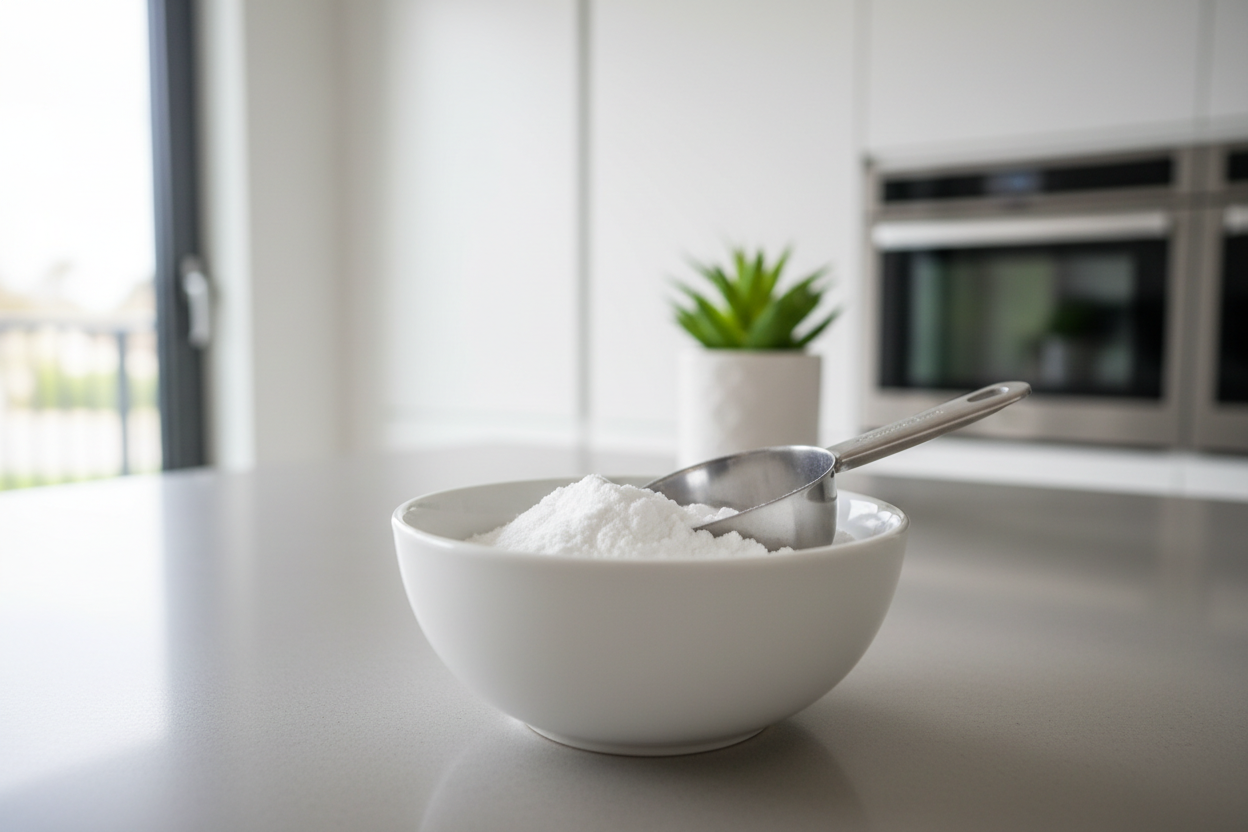
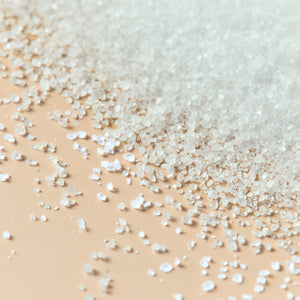
Baking soda, or sodium bicarbonate, is a versatile ingredient often used in soap making. It offers mild exfoliation, neutralizes odors, and enhances the soap’s cleansing properties. However, its use must be carefully balanced to avoid over-drying the skin. Let’s explore its safety, effects on the skin, and benefits in soap making. Yes, baking soda is generally safe to use in soap when added in appropriate amounts. It is a natural, non-toxic ingredient that works well in various formulations. However, excessive amounts can disrupt the skin’s natural pH balance, leading to dryness or irritation. To ensure safety, baking soda should be combined with other moisturizing ingredients, like oils or butters, to counteract potential dryness. Always follow tested soap recipes to maintain the right balance. Baking soda acts as a mild exfoliant, helping to remove dead skin cells and leave the skin feeling smooth. Its alkaline nature allows it to cleanse effectively by neutralizing acids and absorbing excess oil. This makes it beneficial for oily or acne-prone skin. However, its high alkalinity can sometimes disrupt the skin’s natural pH, which may lead to dryness or sensitivity, especially for those with delicate or dry skin. Use sparingly and in balanced formulations. In soap making, baking soda offers several benefits. It acts as a natural deodorizer, making it ideal for soaps designed to neutralize odors. It also provides a gentle exfoliating texture that enhances the soap’s ability to cleanse the skin. Additionally, baking soda helps create a harder bar of soap, improving its longevity. When used in combination with other ingredients, it can elevate the soap’s overall functionality, providing a refreshing and effective cleansing experience. Baking soda, or sodium bicarbonate, is not traditionally a primary foaming agent in soap, as it does not naturally create lather like surfactants such as sodium lauryl sulfate or oils like coconut oil. However, it can enhance the cleansing experience by contributing to the soap’s texture and mild fizzing effect when combined with acidic ingredients. Here’s how to use it: Combine with Other Ingredients: Pair baking soda with oils that naturally produce lather, such as coconut or castor oil. These oils are responsible for creating foam in soap, while baking soda can enhance the soap’s overall performance. In Bath Bars or Fizzing Soaps: Baking soda works well in combination with citric acid to create a mild fizzing effect when the soap is used with water. This is common in bath bars or dual-purpose soaps that foam slightly while providing a fun effervescence. Do Not Rely Solely on Baking Soda: Baking soda alone is not a foaming agent and should be used alongside oils or surfactants that produce bubbles and lather. Test Small Batches: Before scaling up, test small amounts of baking soda in your recipe to ensure it integrates well without affecting the soap’s structural integrity or usability. By combining baking soda with lathering agents, you can create soaps that offer mild exfoliation, cleansing, and a satisfying foaming experience. Baking soda (sodium bicarbonate) and baking powder are often confused, but only baking soda is suitable for soap making. Baking soda is a single ingredient that acts as a gentle exfoliant and deodorizer in soap, while baking powder is a mixture of baking soda, cream of tartar, and a moisture-absorber like cornstarch. Baking powder is not recommended for soap making because the additional ingredients can interfere with the soap’s texture and chemical balance. Baking soda’s natural alkalinity complements the soap-making process, contributing to cleansing and mild exfoliation, whereas baking powder’s composition may result in unpredictable outcomes. Baking soda can be incorporated into most types of soap, but its role varies depending on the method. In cold-process and hot-process soap making, baking soda can enhance exfoliation and cleansing, but it should be used sparingly to avoid disrupting the soap’s pH balance. In melt-and-pour soap bases, baking soda can be added for its deodorizing and texturizing properties, but care must be taken to avoid clumping. While versatile, baking soda is best suited for soaps designed for oily or acne-prone skin rather than for highly moisturizing or sensitive skin formulations. Baking soda can be beneficial for certain skin types but may not be ideal for everyone. For oily or acne-prone skin, its ability to absorb excess oil and unclog pores makes it a great ingredient for cleansing soaps. Its mild exfoliation can also help smooth rough skin and reduce blackheads. However, for dry or sensitive skin, the alkaline nature of baking soda can strip natural oils, leading to dryness or irritation. To make it more suitable for these skin types, it should be combined with moisturizing ingredients like shea butter or glycerin to balance its effects. Baking soda is an eco-friendly ingredient that offers several environmental benefits in soap making. It is biodegradable and non-toxic, meaning it breaks down naturally without harming the environment. Unlike synthetic additives, baking soda does not contribute to water pollution or leave harmful residues. Its natural deodorizing properties also eliminate the need for chemical-based alternatives. Additionally, baking soda is a sustainable and widely available resource, making it an excellent choice for creating soaps that are gentle on both the skin and the planet.
Making Sales

Article

Making Sales
Small businesses don’t have the budget and marketing firepower to buy splashy television ads and expensive print ads.  Selling your products requires hard work, creativity, and matching customer needs to your ability to satisfy them.  This can be accomplished by providing customers with a buying experience that your larger competitors can’t or don’t duplicate: unique products, high quality, exceptional service, and guaranteed satisfaction.You also have the opportunity to offer intangible advantages such as personal service and lasting relationships with your customers.  There may be nothing more valuable in business than customers who trust you.  Make that your number one goal.
Cold Process Soap Making – Frequently Asked Questions

Article

Cold Process Soap Making – Frequently Asked Questions
This article answers questions related to the cold process method of soap making.
Fabulous Fir

Article

Fabulous Fir
Pines are no longer just popular seasonal icons during the winter months. With their antioxidant properties and well- known fragrance, they are sure to make an appearance in future skincare formulations. Here's everything you need to know about pine tree benefits and how to incorporate pine cosmetics into your product line.
Vita Burst Beads vs. Jojoba Beads

Article

Vita Burst Beads vs. Jojoba Beads

Debbie May, President of Wholesale Supplies Plus, educates us on Jojoba Beads and Vita Burst Beads in this video. Also, we learn about the new Body Bar line of Crafter's Choice molds.
Brand Home Business (On a Shoestring Budget)

Article

Brand Home Business (On a Shoestring Budget)
You may consider branding to be a marketing function reserved for large corporations with massive budgets, but for work at home moms balancing the demands of a business and family under one roof, it’s actually an invaluable resource towards creating the image you want to exude—even if your home office feels less than professional at times! Here’s how create a brand for your home business.
Butter Soap Recipe: How to Make Luxuriously Moisturizing Soap at Home

Article

Butter Soap Recipe: How to Make Luxuriously Moisturizing Soap at Home
Creating a butter soap recipe at home is an excellent way to craft a soap that leaves your skin feeling incredibly soft and moisturized. Butter soap combines rich butters like cocoa butter, shea butter, and other nourishing ingredients to create a luxurious bar of soap that is perfect for dry or sensitive skin. Follow this guide for a step-by-step butter soap recipe, and learn how to customize it with your favorite essential oils. Butter soap is a type of cold-process soap that uses various butters—like shea butter, cocoa butter, and mango butter—to provide intense moisture and skin-conditioning properties. These butters create a creamy lather that helps to keep skin feeling soft and hydrated, making it ideal for those who want a bar of soap that offers a rich, nourishing experience. To make this butter soap recipe, you’ll need key ingredients that contribute to the soap's moisturizing qualities. Here's what you’ll need: Cocoa Butter: Adds hardness and a creamy texture to the soap. Shea Butter: Known for its skin-soothing properties, it helps to create a gentle bar. Coconut Oil: Adds cleansing properties and a bubbly lather. Olive Oil: Provides moisture and makes the soap gentler on the skin. Castor Oil: Enhances lather, creating a creamy and conditioning soap. Sodium Hydroxide (Lye): Essential for the saponification process. Distilled Water: Ensures a pure lye solution without minerals interfering. You’ll need a few pieces of equipment to create butter soap at home. Always prioritize safety when working with lye. Here’s what to have on hand: Safety goggles and gloves Heat-resistant glass or plastic containers Stainless steel or wooden spoons Digital scale Immersion blender (stick blender) Soap mold Thermometer (for monitoring temperatures around 110 degrees) Follow this butter cold process soap recipe to create your luxurious soap bars at home: Prepare the Lye Solution: Slowly add sodium hydroxide (lye) to the distilled water, stirring until fully dissolved. Allow the mixture to cool to around 110 degrees. Melt the Butters and Oils: Combine shea butter, cocoa butter, coconut oil, olive oil, and castor oil in a heat-safe container. Melt them over low heat until fully liquefied. Combine Oils and Lye Solution: Once the oils and the lye solution are around 110 degrees, slowly pour the lye solution into the melted oils. Blend to Trace: Use an immersion blender to mix the lye and oils until you reach a thick, pudding-like texture known as a trace. Pour into Molds: Add your essential oils for fragrance, then pour the soap mixture into a soap mold. Smooth the top and tap the mold to release air bubbles. Cure for 24 Hours: Cover the mold and let it sit for 24 hours in a cool, dry place until the soap hardens. Cut and Cure Longer: After 24 hours, remove the soap from the mold and cut it into bars. Allow the bars to cure for 4-6 weeks before use. One of the best parts of making soap at home is the ability to customize it to your liking. Here are a few ideas to personalize your butter soap recipe: Add Essential Oils: Use lavender or eucalyptus essential oils to give your soap a soothing scent. Incorporate Colorants: Add natural colorants like turmeric or spirulina powder for a unique appearance. Switch Up the Butters: Use mango butter or a triple butter blend for a different texture. Even with the best butter soap recipe, mistakes can happen. Here are a few tips to avoid common pitfalls: Not Using the Right Temperature: To ensure a smooth texture, make sure your oils and lye solution are around 110 degrees before combining. Skipping Safety Gear: Sodium hydroxide can be dangerous; always wear gloves and goggles. Inaccurate Measurements: Use a digital kitchen scale for precise measurements—too much or too little of an ingredient can affect the soap’s quality. Cutting the Soap Too Early: To avoid crumbling, allow the soap to sit for at least 24 hours before cutting. Making a butter soap recipe at home is rewarding. It results in a luxurious bar of soap perfect for pampering your skin. Whether you prefer a classic blend of cocoa and shea butter or enjoy experimenting with essential oils, this butter soap recipe provides a solid foundation. As a bonus, some links in this post contain affiliate links, meaning we may earn a small commission if you purchase at no extra cost. Happy soap-making!
How to Calculate Candle Burn Time

Article

How to Calculate Candle Burn Time
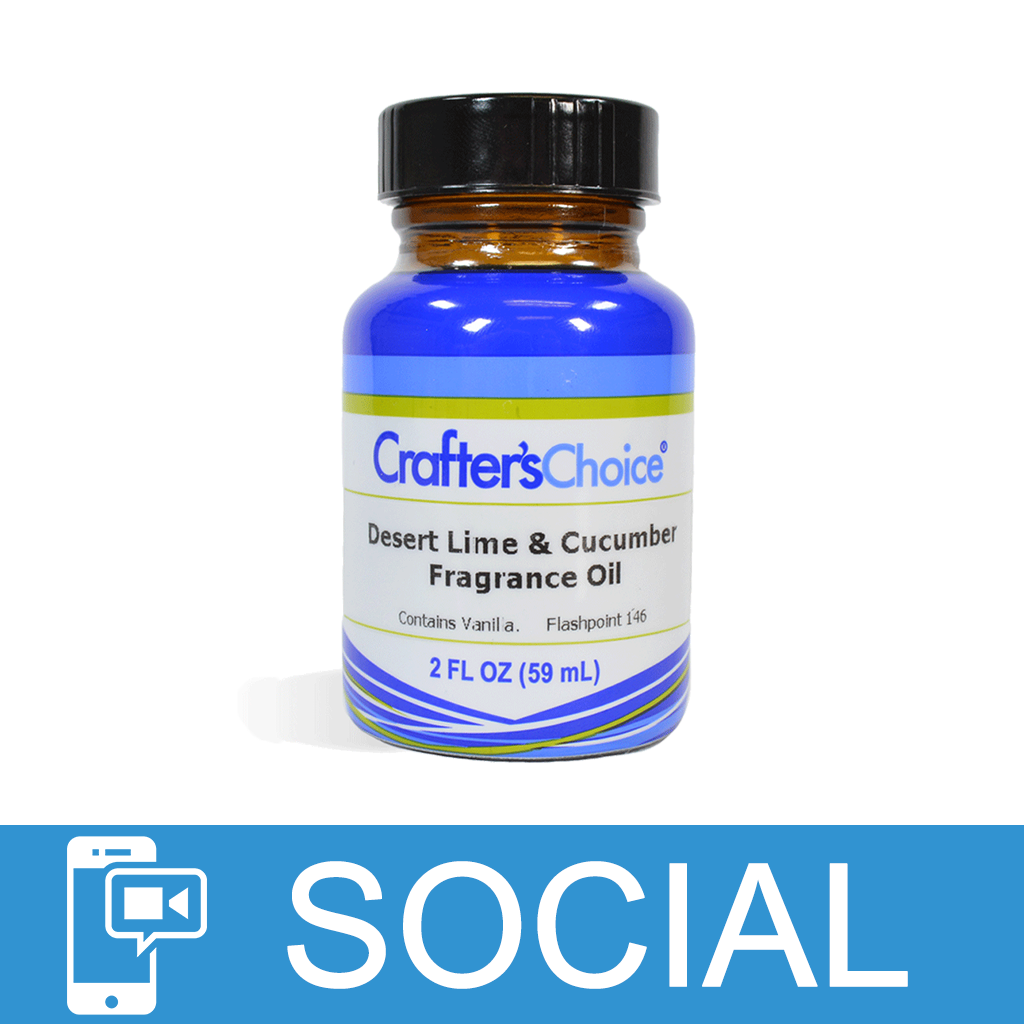
Calculating the burn time of candles, whether container, pillar, or votive types, is essential for manufacturers and users who want to ensure optimal performance. This guide will help you understand how to determine the burn time of any candle with straightforward steps. The burn time of a candle can be affected by several factors, including the type of wax, the size and material of the wick, and environmental conditions such as air drafts and room temperature. Before calculating the burn time, ensure your candle is placed on a level, heat-resistant surface away from drafts, and the wick is trimmed to about 1/4 inch. Supplies Needed Candle Digital Scale Step 1: Weigh your candle using the digital scale to determine the starting weight in ounces or grams, and record this weight.Step 2: Light the candle and note the starting time of the test burn.Step 3: Allow the candle to burn for approximately 3-4 hours, then extinguish it. Record the time elapsed during the test burn.Step 4: Weigh the candle again to find the final weight after burning.Step 5: Calculate the amount of wax consumed during the test burn by subtracting the final weight from the starting weight (e.g., 16 oz starting weight—15 oz final weight = 1 oz wax consumed).Step 6: To determine the burn rate, divide the time of the test burn by the amount of wax consumed (e.g., 4 hours of test burn ÷ 1 oz wax consumed = 4 hrs burned per ounce).Step 7: Multiply the hours burned per ounce by the candle's total starting weight to estimate the total burn time (e.g., 4 hours burned per oz x 16 oz = 64 hours of total approximate burn time). Understanding how long a candle will burn is crucial for safety and efficiency. It helps users plan how long to use a candle before replacing it and ensures they get the most out of their purchase. Additionally, accurate burn time calculations are vital for manufacturers during product development and quality control. To maximize the burn time of your candles, consider the following tips: Always trim the wick to about 1/4 inch before lighting. Avoid placing candles in drafty areas, which can cause them to burn unevenly and more quickly. Use candles at room temperature, as very cold or sweltering conditions can affect burn efficiency. Longer test burns provide more accurate data for calculating burn time, so consider extending the duration of your test burns if possible. By following these guidelines, you can accurately calculate and maximize the burn time of your candles, ensuring safety and enhancing the enjoyment of your candle products.
Video Newsletter: Sampling New Crafter’s Choice Fragrances
Article

Video Newsletter: Sampling New Crafter’s Choice Fragrances
Wholesale Supplies Plus just got in 18 all new Crafter’s Choice fragrances. You’ve been asking for Debbie May to sample all the new fragrances and give her first impressions and reviews and we delivered! Listen as Debbie talks about the top, middle, and bottom note of each fragrance and gives you her honest, unedited opinion of them.
Creamy Rose Blush Video

Article

Creamy Rose Blush Video
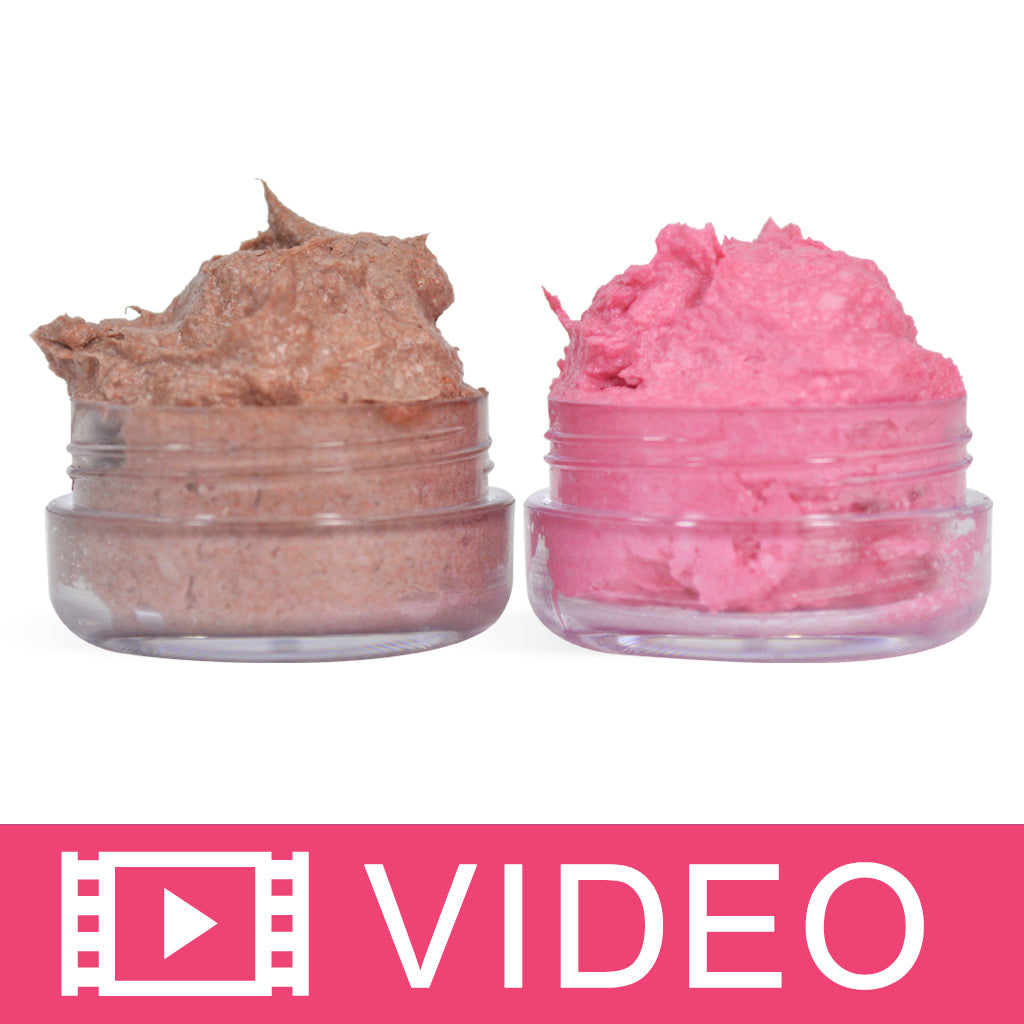
Learn how to make creamy blush in this short video. Shea butter, aloe vera gel and emulsifying wax are used to create the base for this DIY blush. Different red and pink micas add the color. We used Pink Bubble Gum Mica Powder, Pink Peach Spakle Mica Powder, and Crimson Sparkle Mica Powder in this recipe. The two different pinks combine to make the more vibrant pink colored rose blush while the crimson mica is used to create the red rose blush.
Fragrance Oil to Wax Ratio

Article

Fragrance Oil to Wax Ratio
This essential read is tailored for small business owners and enthusiasts in the soap and candle making industry. We'll take you through the nuances of selecting the best fragrance oils, determining the ideal type of wax for maximum scent retention, and providing you with an exclusive list of the finest fragrance oils for candle making. Perfect for both beginners and experienced artisans, this guide is your key to crafting candles that not only look beautiful but also captivate with their enchanting aromas. Join us in exploring the art and science of candle making, where quality ingredients and expert knowledge come together to create something truly extraordinary.
Ramp Up To The Holidays

Article

Ramp Up To The Holidays
Ramp up for the yuletide season using this holiday soap making guide.