Articles

Layered DIY Mason Jar Candles

Article

Layered DIY Mason Jar Candles

Mason jar candles are quick and easy to make, offering plenty of room for creativity due to their larger capacity. In this candle-making tutorial, we show you how to pour three layers of different colors and scents. You can customize these candles for seasons, holidays, special occasions, parties, shower favors, decorations, or simply to complement your home’s decor. Layered mason jars are also great containers for learning how to make candles. Before you start making your diy mason jar candles, gather the following materials:Materials List: Container Candle WaxSuggestions: Golden Soy Wax 415 Golden Soy Wax 464 (used in this tutorial) KY PureSoy 100% Soy Wax KY Soy 115 16 oz Plain Mason Jar with Lid Candle Fragrance Oils (3) Candle Dyes (3) Wick Stickers 51-32-18C Pre-Tabbed Cotton Wick Wick Bar Digital Scale Pour Pitcher Thermometer Presto Pot or double boiler to melt wax Metal Spoon to stir wax Safety goggles Apron to protect clothing Wax paper, old newspapers, or aluminum foil Follow these step-by-step instructions to create beautiful layered candles:Step 1:Prepare your work surface. Cover the counter with wax paper, old newspapers, or aluminum foil to make cleanup easier.Step 2:Prepare the mason jar by attaching the wick (using a wick sticker) to the bottom center inside of the jar. Apply pressure to ensure good adhesion. Use the wick bar to keep the wick straight and centered in the jar.Step 3:Melt the GB 464 soy candle wax in a double boiler or Presto pot, using a thermometer to monitor the temperature. Melt the wax to approximately 185°F. Occasionally stir the wax to ensure it melts evenly and completely.Step 4:Place the pour pitcher on the digital scale and tare. Once the wax is completely melted, transfer approximately 4 oz of wax to the pour pitcher with a ladle.Step 5:Tare the scale again and add 0.4 oz of candle fragrance oil to the wax. Stir until the fragrance oil is completely mixed into the wax – about 2 minutes. Add single drops of candle colorant until the desired color is achieved and stir. To test the color, add a few drops of the colored wax onto a white surface, like a paper plate, and let cool – this will give you a better idea of what the candle will look like when it cools. If the wax is not dark enough, add a bit more color, mix, and test again. Dyed candle wax appears darker when melted.Step 6:Let the wax cool to approximately 130 – 140 degrees.Step 7:Fill the pre-wicked jar approximately 1/3 of the way full. Set it aside to allow the layer to cool completely. When the layer is cooled, repeat Steps 4 and 5 with the next fragrance/color combination. Place it aside and allow the layer to cool completely. Once again, repeat Steps 4 and 5 with the final fragrance/color combination.Step 8:Once the candle is completely cool, trim the wick to approximately 1/4 inch and place the lid on the jar. Do not add the lid until the candle has cooled completely, otherwise, condensation will form inside.Tip:Soy wax needs time to cure before burning to achieve optimal scent throw. Let the completed candle cure for 7-14 days before burning. Cover the counter with wax paper, old newspapers, or aluminum foil to make cleanup easier. Wear safety goggles for eye protection. You do not want to be splashed in the eye with hot wax! Remember with wax – safety first. Waxes used in making candles are similar to cooking oils – they are flammable and poured at high temperatures. With certain precautions, accidents can be avoided. NEVER HEAT WAX ABOVE 210°F. For safety, wax should be melted in a double boiler. Wax should NEVER be heated directly over an open flame or burner. Direct heating can cause wax to explode and result in serious injury. Use a thermometer to ensure proper wax pouring temperature. Never leave hot wax unattended. Keep children and pets away from the area where wax is being melted and poured. Never pour water on a wax fire. Water will cause the fire to spread. To extinguish a fire in a pan, cover the pan with its lid. Use a dry chemical fire extinguisher. Never pour melted wax into the sink or other drains.
Best Gourmand Scents for Homemade Projects

Article

Best Gourmand Scents for Homemade Projects
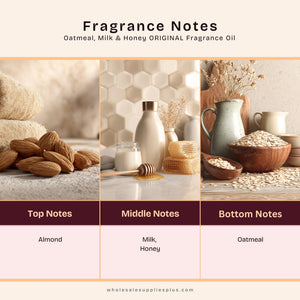
Creating homemade candles, soaps, and other crafts allows you to customize everything, including the scent profile. If you’re looking to add a delicious twist to your DIY projects, you might consider using gourmand scents. In this blog, we'll explore what a gourmand scent is, why it's so popular, and the best options for your homemade projects. Whether you're making candles, soaps, or any other fragrant product, there's a gourmand scent that's perfect for you. Gourmand scent refers to a fragrance that is reminiscent of edible and indulgent treats. Think of scents that evoke the smell of desserts, candies, baked goods, or fresh fruits. Common gourmand notes include vanilla, caramel, chocolate, honey, and various fruits. These scents are often warm, cozy, and comforting, making them an excellent choice for homemade products designed to create a welcoming atmosphere. You may wonder, what is the difference between sweet and gourmand? While both types of scents can share similarities, gourmand fragrances specifically aim to mimic the aroma of edible items. Sweet scents can range from floral to fruity, but they don't necessarily resemble a specific food or dessert. Gourmand, on the other hand, is all about creating a deliciously edible experience that appeals to the senses. It’s the difference between a simple sugary sweetness and the scent of freshly baked cookies right out of the oven. Gourmand scents have gained popularity due to their warm, comforting, and often nostalgic qualities. They can evoke memories of favorite desserts or holiday treats, making them a favorite choice for creating a cozy atmosphere. Gourmand scents are also highly versatile, blending well with other fragrance types, such as floral or woody, to create complex and unique profiles. This popularity has made them a go-to choice for homemade projects, particularly candles and soaps. When it comes to candles, gourmand scents are perfect for creating a cozy and inviting environment. Here are three fantastic choices for your next candle-making project: Vanilla: A timeless gourmand favorite, vanilla provides a sweet, creamy base that can be the heart of any candle. It’s perfect on its own or blended with other scents to add depth and warmth. Pumpkin: Capture the essence of fall with the spicy and sweet aroma of pumpkin. It’s a cozy scent that fills any space with a sense of comfort, making it ideal for seasonal or year-round candles. Chocolate & Hot Cocoa: This rich, decadent scent brings to mind cozy winter nights by the fire. It’s perfect for adding a sense of indulgence to any candle, making it a great gift or treat for yourself. Creating your own soap opens up the opportunity to add fun and unique fragrances. Here are three gourmand scents that work wonderfully for soap-making: Honey, Milk & Oatmeal: A soothing and gentle blend, this fragrance is perfect for soaps. It provides a creamy, comforting scent that feels luxurious and calming on the skin. Almond & Nut: This rich, nutty scent adds a touch of warmth to any soap project. It’s both sweet and slightly earthy, offering a well-rounded fragrance that is both indulgent and sophisticated. Pear & Peach: A fresh and fruity gourmand option, pear and peach bring a sweet yet refreshing aroma to soaps. It’s a fantastic choice for a light and uplifting scent that still hints at a touch of sweetness. Whether you’re crafting candles, soaps, or other homemade goods, these best gourmand scents will elevate your projects with their irresistible aromas. Explore the world of gourmand fragrances, and find the perfect scent to make your next DIY project truly delightful!
Emulsifiers

Article

Emulsifiers
What the heck are emulsifiers, and why are they necessary? Oil and water want to hang out together as much as the headbangers and preppies did back in my day, so if we want to make a lotion, we need to create optimal conditions to make it work. This consists of three things – good chemistry, in the form of an emulsifier used at the appropriate usage rates; proper mixing, using either a hand mixer or a stick blender; and lots of energy in the form of heat.
Chemistry of Bath Bombs

Article

Chemistry of Bath Bombs
What makes the simple combination of citric acid and baking soda in a bath bomb fizz and bubble, releasing all kinds of wonderful fragrances and colors? It’s all about the chemistry, of course – in this case, an acid-base reaction. 
If An Avocado Could Talk

Article

If An Avocado Could Talk
Ever wonder what an avocado would say to you if it could talk? We think we know just what it would say!
DIY Natural Laundry Detergent Powder Recipe: Clean and Green Laundry Solution

Article

DIY Natural Laundry Detergent Powder Recipe: Clean and Green Laundry Solution
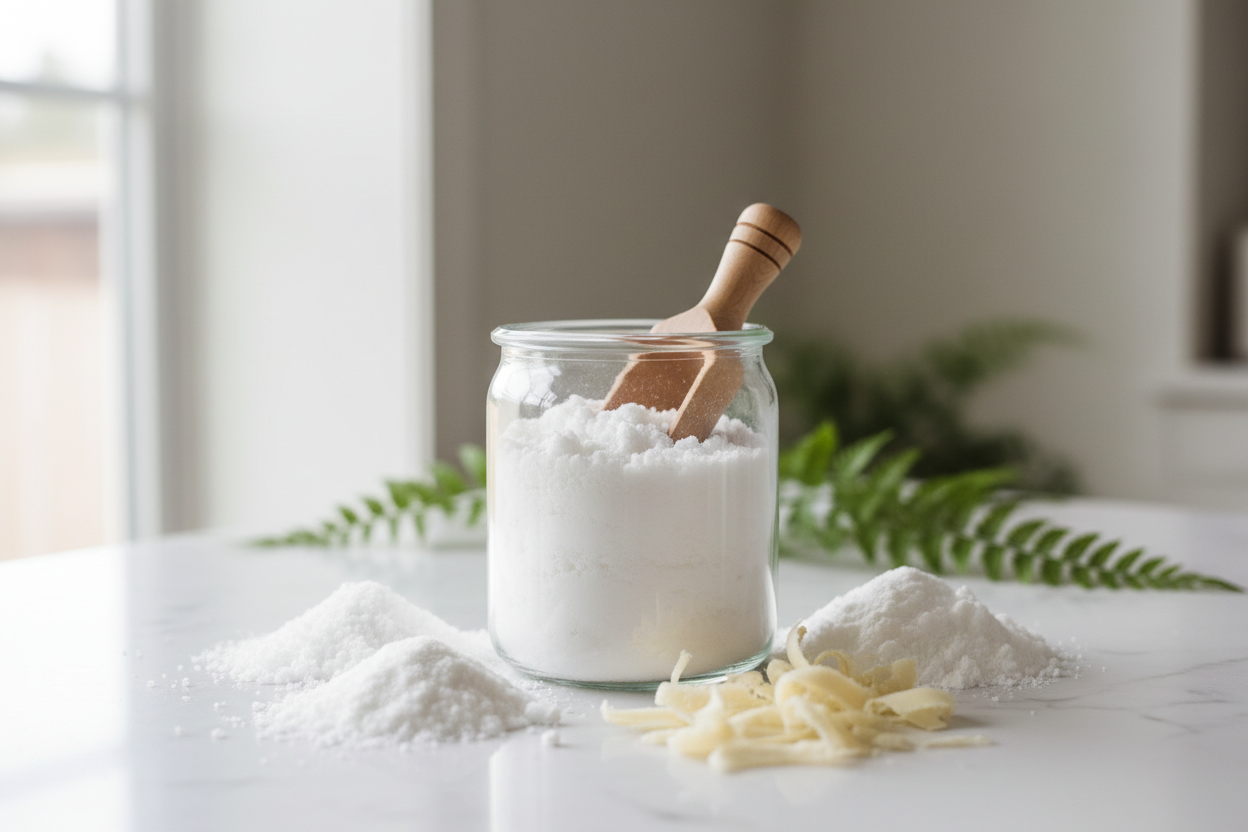
Looking for an effective, eco-friendly way to handle your laundry? This DIY laundry detergent powder is just what you need! It's super easy to make and helps you avoid all the harsh chemicals in store-bought detergents. Try this natural laundry detergent recipe to keep your clothes fresh and your family safe from unwanted toxins. Safe and Natural: Many store-bought detergents contain chemicals that can irritate sensitive skin. This homemade laundry detergent powder is made from natural ingredients, offering a gentler clean. Cost-Effective: Making your own detergent helps you save money over time, with each batch costing far less than a bottle of commercial detergent. Eco-Friendly: DIY options often reduce plastic waste, making this a great choice for the environment. Washing Soda: This helps to soften hard water and boost the cleaning power. Baking Soda: Helps neutralize odors and maintain freshness in fabrics. Borax: A natural mineral that works as a powerful cleaner and stain remover. Bar Soap (grated): You can use natural soap like Castile or Fels-Naptha, which helps break down dirt and oils. Grate the Soap: Start by grating one bar of soap. This will serve as the base for the detergent. Mix Dry Ingredients: Combine 1 cup of washing soda, 1 cup of borax, and ½ cup of baking soda in a large bowl. Add Grated Soap: Add the grated soap to the dry mixture and mix everything well. Store in an Airtight Container: Once mixed, store your homemade powder laundry detergent in an airtight container. For a standard load of laundry, use about 2 tablespoons of your DIY powder laundry detergent. For larger loads or extra dirty clothes, you can add a bit more as needed. Gentle on Clothes: This detergent is tough on stains but gentle on fabrics, making it perfect for everyday laundry. Customizable: Want a scent boost? Add a few drops of your favorite essential oil to the mixture. No Fillers: Commercial detergents often contain fillers that don't actually clean your clothes. This homemade laundry detergent powder is free from unnecessary additives. Making your own natural laundry detergent is not only rewarding but also ensures that you're using a product that is both safe for your family and kind to the environment.
How to Support a Cause as a Small Business

Article

How to Support a Cause as a Small Business
The life of a small business owner can be demanding, exhausting, and at times, discouraging. When you weave philanthropic passions into business, you can establish a connection to a cause greater than material profits, and in turn, fuel your determination to succeed. Here’s why contributing to causes through your business can help you grow your own potential—and a few ideas on how to get started.
All About E-Commerce

Article

All About E-Commerce
It's hard to imagine a business these days that doesn't have a website. Even the decades-old, traditional brickand- mortar retailers have an online presence. For a new business just getting started, it's the fastest, easiest, cheapest way to carve a product niche that you intend to capture. This article is a brief introduction to the basics of e-commerce and what you'll need to conduct business through the internet.
How to Make Candle Carvings

Article

How to Make Candle Carvings
Discover the art of candle carving, where the only limit is your imagination! Whether you craft the pillar candle yourself or start with a store-bought one, this non-traditional approach to candle-making allows for personalized decorations. Carved candles can enhance home decor or serve as bespoke gifts for birthdays, holidays, bridal showers, or baby showers. They also make a unique addition to any gift basket. To begin your candle carving project, you will need the following supplies: Pre-poured pillar candle of any size Embossing Tool (available at craft stores like Michael’s, Hobby Lobby, or online platforms like Amazon) Craft paint Paint brushes (one for detailed work and a larger one for cleaning) Pre-printed graphic or lettering sized to fit your pillar candle Tip: Start with simple designs to gain confidence and comfort in the technique of candle carving. Step 1: Start by tracing your chosen design onto the candle. If you're confident in your artistic skills, you can use a pre-printed graphic or hand-draw directly onto the candle or paper. Hold the graphic firmly against the pillar candle and trace the design using the embossing tool, applying enough pressure to leave an indent in the wax. Keeping the graphic steady is crucial, as shifting it can distort the design.Step 2: Use the embossing tool to carve out the design following the indents. As you work, use the larger paintbrush to gently remove any excess wax, avoiding pressing too hard. A depth of about 1/10 inch is sufficient for most designs. Step 3: Use craft paints to fill in your design once the carving is complete. Choose colors that complement the occasion or decor scheme. Allow the paint to dry thoroughly before handling or displaying the candle. Safety Tips for Candle CarvingWhen carving candles, it’s important to maintain safety to prevent accidents. Ensure your workspace is free of flammable materials, and always work in a well-lit, stable environment. Keep your tools sharp and handle them with care to avoid slips. Never leave a lit candle unattended, especially if the carvings create thin sections that may burn faster.With these techniques and tips, you can create beautiful, customized carved candles that add a personal touch to any setting or occasion. Enjoy the process of bringing your artistic visions to life through candle carving.
Tips for Room Diffusers & Aromatherapy

Article

Tips for Room Diffusers & Aromatherapy
If you’re looking for a way to fill a room with long-lasting fragrance, you really can’t get much better than a room diffuser, which is especially great for aromatherapy and all its benefits. We know it can be tough to get started crafting new products, so we’ve put together some tips to give you a head start.
Video Newsletter Farmer's Market Inspiration

Article

Video Newsletter Farmer's Market Inspiration
In this Video Newsletter, we talk all about adding fruit and veggie powder to your recipes, farmer's market fragrances, fruit butters, new recipes, fun inspiration, a sneak peek into what's coming, and much more!
Proteins In Our Products

Article

Proteins In Our Products
Proteins and amino acids are amongst my favorite ingredients because you get so much for using so little! There’s a reason I have a shelf devoted to hydrolyzed proteins like oat, wheat, soy, rice or quinoa, and amino acids like silk or pisum sativum: When used as low as 2% in your products, they can film form, hydrate and condition your hair and skin, in addition to increasing mildness or reducing irritation in cleansers and shampoos.