Articles

NEW Surplus, Ducks, Molds and Vita Burst Beads Video
Article

NEW Surplus, Ducks, Molds and Vita Burst Beads Video
In this Facebook Live video, Debbie May, CEO of Wholesale Supplies Plus, shares some new surplus items, showcases some jars that are on sale now (10/20/2017), and shares new products.
Shark Week Bath Bombs Video!

Article

Shark Week Bath Bombs Video!
Debbie is out sick for this episode of Soaping in Slippers so the marketing team took over. Amaris teachs us how to make shark inspired bath bombs, Mattie talks about the upcoming issue of Handmade Magazine and Sue shares her favorite shark related fragrance oils. Tune in!
Simple Secrets: Detailing Melt & Pour Soaps
Article

Simple Secrets: Detailing Melt & Pour Soaps
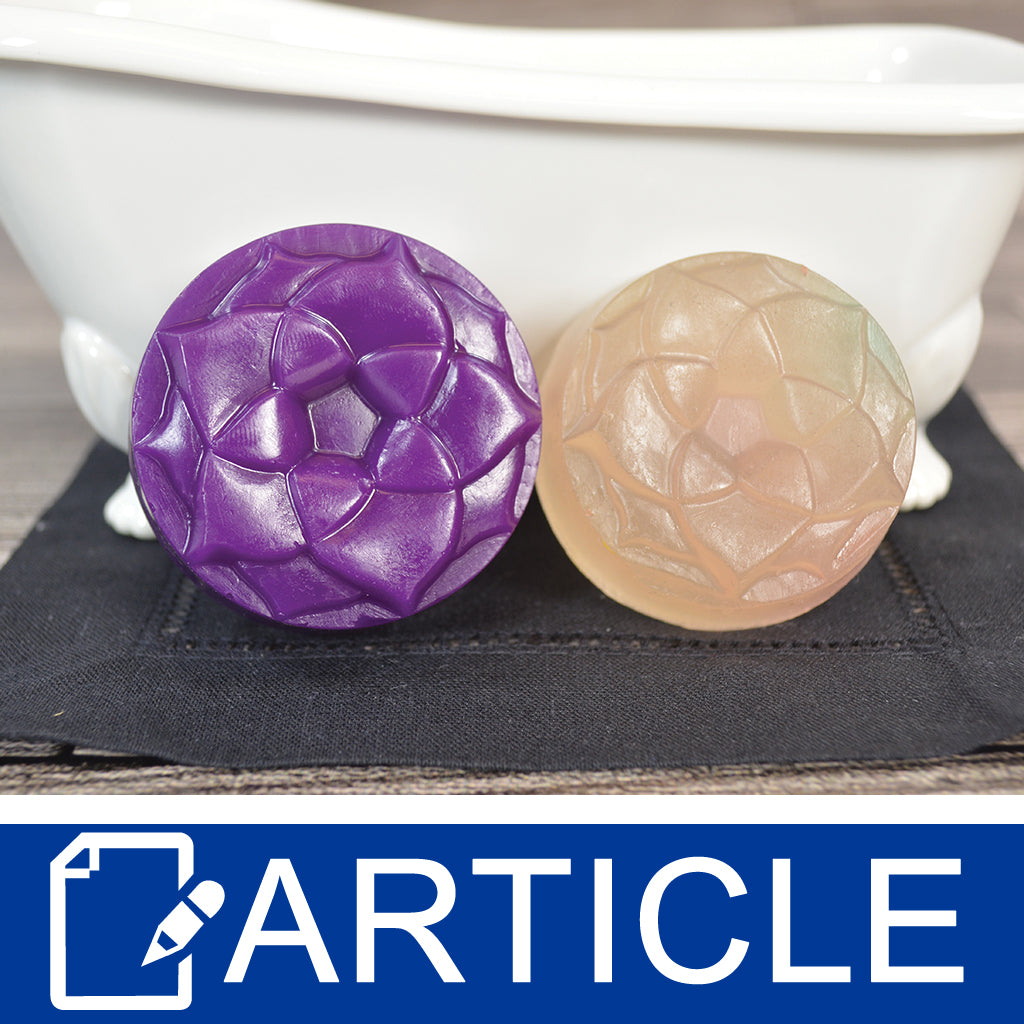
Milky Way Molds™ are known all over the world for having unsurpassed detail. Giving color to these details is not only attractive but often just enough to get customers to pay top dollars for a bar of soap. This article looks at three popular techniques used to detail soap molds.
The Chemistry of Color Morphing

Article

The Chemistry of Color Morphing

It’s unbelievably frustrating to create a brightly colored handmade soap only to see the color morphing over time into something completely different, something dull or muted and boring. What causes these changes? 
Manufacturing Claims- Made In The USA

Article

Manufacturing Claims- Made In The USA
With the revival of manufactring in the U.S., many more companies are advertising their products as "Made in USA." According to new surveys, more americans would rather buy products made in America, rather than products that were manufactured overseas. It is important, however, to not falsley advertise your products.
Baking Soda: Can it Be Used in Cold Process Soap?

Article

Baking Soda: Can it Be Used in Cold Process Soap?
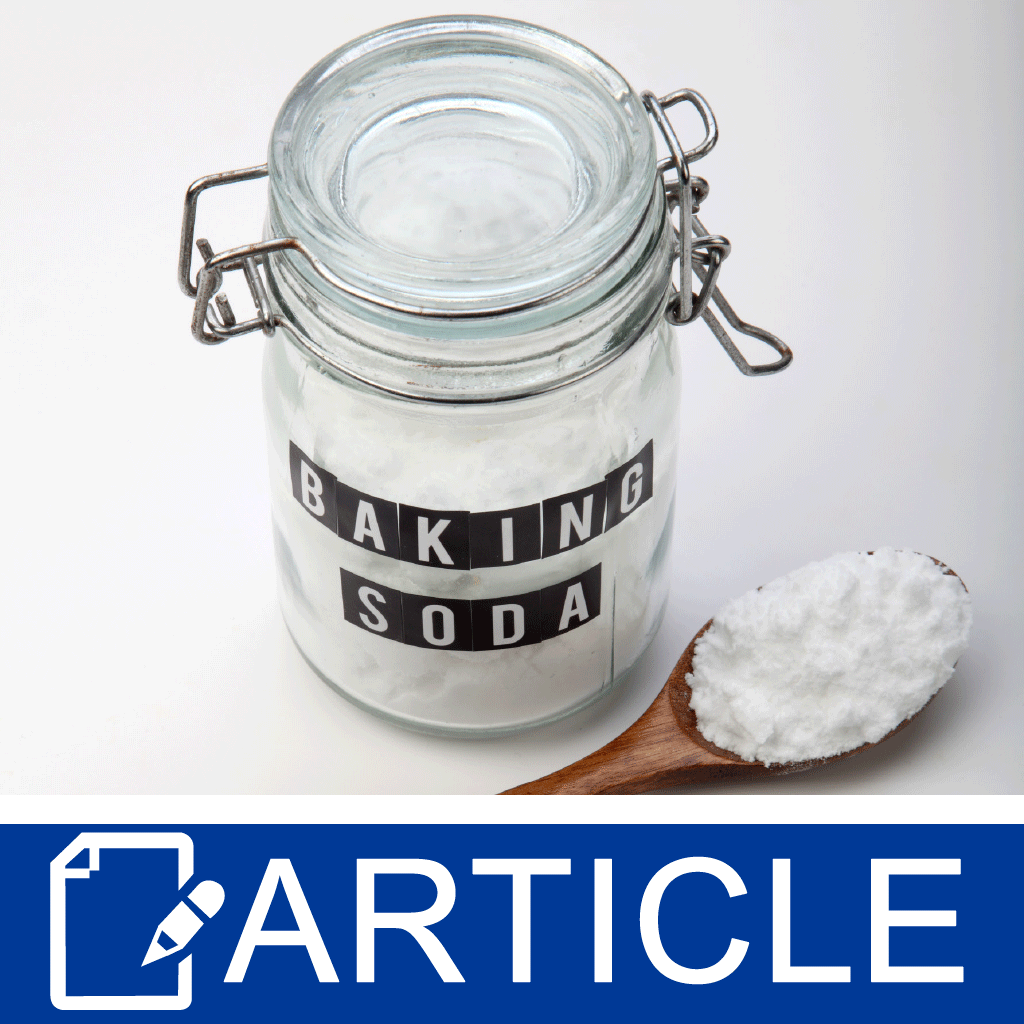
What do soda pop, baking soda and washing soda have in common? Carbon dioxide. The same gas that you exhale every minute of your life. The same gas that plants take from the air and replace with oxygen. The same gas present in carbonated soft drinks. “Carbonated water” is simply a solution of carbon dioxide in water. It is slightly acidic, and so it is also called “carbonic acid.”
Squiggle 2" Column Silicone Soap Mold Video
Article

Squiggle 2" Column Silicone Soap Mold Video
This video demonstrates how easy it is to make a 2" squiggle shaped soap using the Crafter's Choice Squiggle 2" Column Silicone Soap Mold. The squiggle soap looks great embedded into a larger loaf of soap! Use them on their own for interesting designs or with a daisy or tulip for a full flower. Perfect for spring, Mother's Day, and Valentine's Day.
Hydrolized Rice Protein

Article

Hydrolized Rice Protein
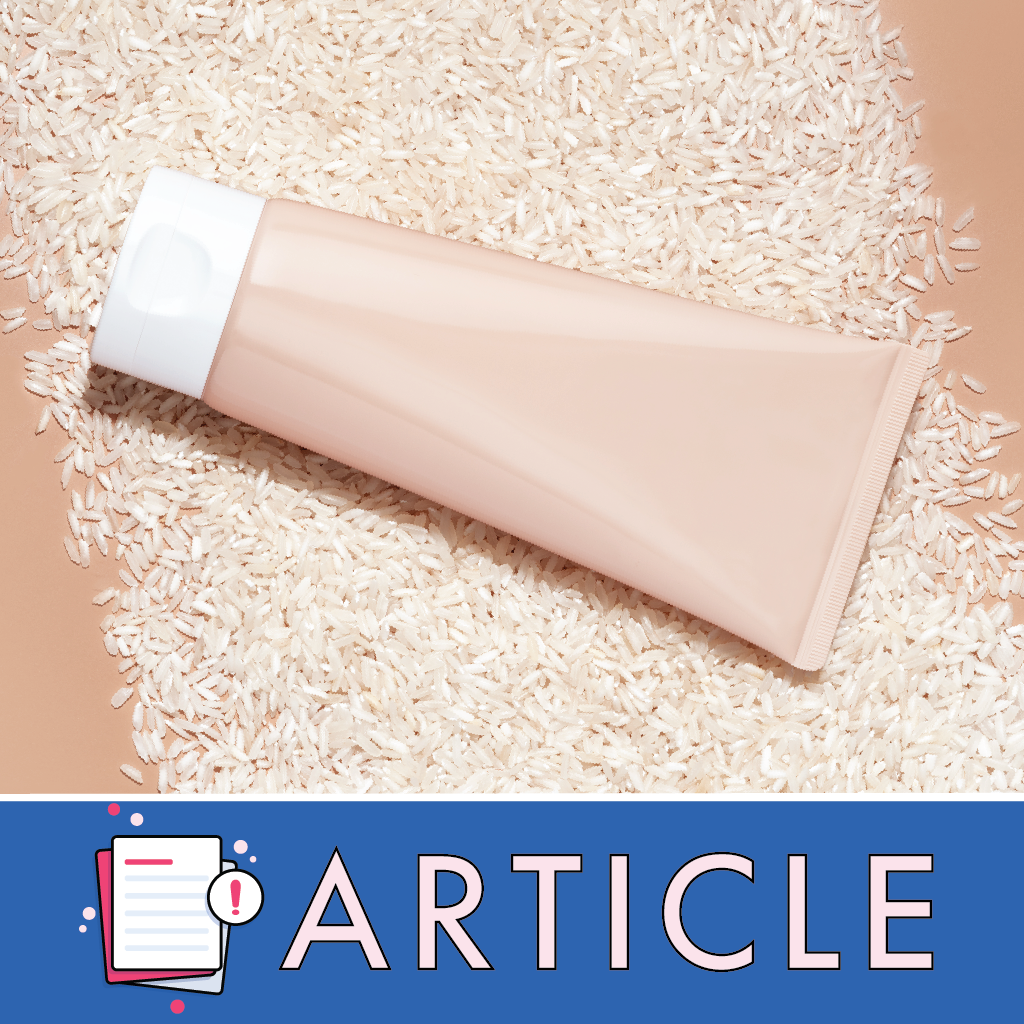
Hydrolized Rice Protein is an additive ingredient for cosmetics largely known for use in skin and haircare products.
Stay Organized and Sane During the Busy Season

Article

Stay Organized and Sane During the Busy Season
Do the busy fall/winter seasons sneak up on you year-after-year? It may be simply due to a little lack of preparation on your part. Ramp up now by getting organized, making decisions and doing a little research. From finding happy solutions for the demands of family, to hiring seasonal help, there are many things you can do now to make this season productive, organized and profitable. 
Best Essential Oils for Candle Making

Article

Best Essential Oils for Candle Making
When it comes to creating high-quality candles, the choice of essential oils plays a crucial role. While some may question the compatibility of essential oils with candle making, it's essential to understand that not all essential oils are created equal. Wholesale Supplies Plus emphasizes the importance of using the best essential oils for candle making to ensure a delightful and long-lasting fragrance.
Creating Your Credibility

Article

Creating Your Credibility
For startups, building your business credibilty may seem like a challenge, but with these quick tips you'll be on your way to building a customer base.
Kaolin Clay Mask Recipe: A Gentle Detox for All Skin Types

Article

Kaolin Clay Mask Recipe: A Gentle Detox for All Skin Types
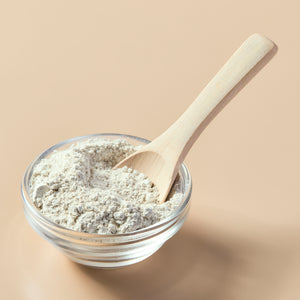
If you're looking for a gentle yet effective detox for your skin, a Kaolin clay mask is the perfect solution. Kaolin clay is known for its mild exfoliating and cleansing properties, making it suitable for even the most sensitive skin. This DIY clay mask is easy to make at home and offers numerous benefits for a wide range of skin types. In this guide, we’ll explore what makes Kaolin clay so special and how you can create your own Kaolin clay face mask to refresh and rejuvenate your skin. Kaolin clay, also known as white clay or China clay, is a soft, fine-textured clay that has been used in skincare for centuries. Unlike other clays, Kaolin is particularly gentle and has a lower pH, which means it won’t strip your skin of its natural oils. It’s rich in minerals like silica and works by absorbing excess oil, removing impurities, and exfoliating dead skin cells. Thanks to its mild nature, Kaolin clay is suitable for all skin types, including dry, sensitive, and mature skin. Incorporating Kaolin clay into your skincare routine can offer a variety of benefits: Gentle Detoxification: Kaolin clay is believed to draw out toxins, dirt, and impurities from the skin without causing irritation or dryness. Oil Control: Its absorbent properties make it excellent for balancing oily skin by reducing excess sebum production, which can help prevent breakouts. Exfoliation: The fine texture of Kaolin clay provides a mild exfoliation that helps slough off dead skin cells, leaving your skin feeling soft and smooth. Soothes Irritation: Because of its gentle nature, Kaolin clay can help soothe irritated or inflamed skin, making it ideal for sensitive or reactive skin. Improved Skin Tone: Regular use of Kaolin clay face masks can help brighten your complexion by improving circulation and removing dead skin cells that can make your skin look dull. Creating your own Kaolin clay mask at home is simple, and you only need a few basic ingredients: Kaolin Clay: The star ingredient, known for its detoxifying and exfoliating properties. Water or Rose Water: Rose water adds a soothing element to the clay when mixed with it, but plain water works just as well. Aloe Vera Gel (Optional): This gel adds moisture and helps to soothe the skin, especially for those with sensitive or dry skin. Honey (Optional): Honey, known for its antibacterial and moisturizing properties, can give your mask a nourishing boost. Essential Oils (Optional): Depending on your skin's needs, a few drops of essential oils like lavender or tea tree oil can add extra benefits. Here’s how to make a simple yet effective Kaolin clay mask at home: Measure the Ingredients: In a small bowl, combine 1 tablespoon of Kaolin clay with 1 tablespoon of water or rose water. Adjust the amounts if needed to achieve a smooth, paste-like consistency. Add Optional Ingredients: If you’d like to add moisture or additional benefits, mix in ½ teaspoon of aloe vera gel and/or ½ teaspoon of honey. You can also add 1-2 drops of essential oil if desired. Mix Thoroughly: Stir the ingredients together until you form a smooth paste. The mixture should be thick enough to spread easily but not too runny. Apply the Mask: Using clean fingers or a brush, apply a thin, even layer of the mask to your face, avoiding the eye and mouth areas. Let It Sit: Allow the mask to sit for 10-15 minutes. You don’t want the mask to dry out completely, as this can cause unnecessary dryness, especially for sensitive skin. Rinse Off: After 10-15 minutes, gently rinse the mask off with warm water, using circular motions to help exfoliate the skin as you remove it. Moisturize: After patting your skin dry, apply your favorite moisturizer to lock in hydration and soothe the skin. For optimal results, here are some tips on how to use a Kaolin clay mask:Frequency: Use the mask once or twice a week to keep your skin balanced and refreshed. Overuse can cause dryness, especially if you have sensitive skin. Application Tips: Always apply the mask to clean skin, so the clay can properly absorb excess oil and impurities without interference from surface dirt or makeup. Moisturize After Use: Because clay masks can remove oil from the skin, it’s important to follow up with a good moisturizer to replenish hydration. Patch Test: If you’re trying Kaolin clay for the first time, it’s a good idea to do a patch test on a small area of skin to ensure you don’t have any sensitivities or allergies to the clay. Q: Is Kaolin clay good for all skin types?A: Yes, Kaolin clay is known for being one of the gentlest clays, making it suitable for all skin types, including sensitive, dry, and mature skin.Q: How often can I use a Kaolin clay mask?A: You can use a Kaolin clay mask once or twice a week. For those with very dry or sensitive skin, once a week may be sufficient to avoid over-drying.Q: Can I use Kaolin clay if I have acne-prone skin?A: Yes, Kaolin clay’s oil-absorbing properties can help balance oily skin and reduce breakouts. However, it's always best to monitor how your skin responds, especially if you have active acne.Q: What’s the difference between Kaolin clay and other clays?A: Kaolin clay is much gentler than other clays like bentonite or French green clay, making it ideal for sensitive skin. It’s also less drying, which is why it’s popular for more frequent use.