Article
A Comprehensive Guide to Soap Colorants
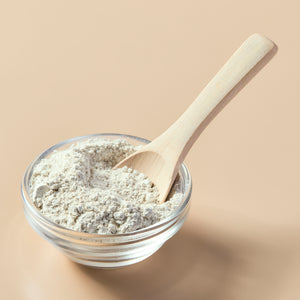
Dive into the world of soap coloration, where mere basics evolve into masterpieces, thanks to the array of modern soap colorants available today. This guide aims to demystify the selection and application of these colorants, helping you bring your imaginative designs to life. Micas are exceptionally approachable colorants, offering a spectrum of bright hues. They are produced by attaching lab-generated pigments to naturally sourced mica or a synthetic counterpart, fluor phlogopite. Despite their origins, both lab-created and natural micas deliver identical performance. Available in various micron sizes, the sparkle of mica increases with the size of its particles, while smaller microns yield a smoother, more opaque appearance.Micas are oil-soluble pigments unsuitable for some water-based formulations such as room sprays, shampoos, or body washes due to their tendency to settle rather than disperse evenly.However, micas excel in cold-process soap making thanks to their ease of use. They integrate effortlessly into the soap batter, allowing for direct mixing, though some designs may require extensive blending. For optimal dispersion, it's recommended to pre-mix mica in a lightweight oil—like olive, sweet almond, or rice bran oil—at a ratio of one teaspoon of mica to one tablespoon of oil for each pound of soap. This technique allows for adjustable mica levels based on the desired design outcome.Micas are also effective in melt-and-pour soap, where they should be pre-dispersed in 91% Isopropyl Alcohol instead of oil, using ½ teaspoon of mica per 1 ½ teaspoon of alcohol for each pound of soap. This method results in either sparkly or pearly finishes, with the degree of opacity influenced by the soap base's color.A minimal amount of mica is recommended for lotions and whipped body butter to avoid overly sparkly skin—unless that's the goal. A small amount of mica adds sparkle to lip products without significantly altering color. It's crucial to verify the safety of micas for specific uses, especially for lip products and bath bombs, due to potential restrictions on certain colorants.Micas offer versatility in creating new shades, allowing for lightening with Titanium Dioxide or darkening with activated charcoal. They can be mixed with other colorants like neons or oxides for more variety. Oxides and Ultramarines offer a higher level of color intensity compared to micas, though they require more careful handling. The striking color in certain soaps, such as those featuring Ultramarine Blue, is a testament to their vibrancy.To prevent the formation of specks in your products, oxides and ultramarines must be thoroughly mixed with oil before use. Mix 1 teaspoon of the colorant (ultramarines, chromium oxide, or hydrated chromium oxide) with 1 tablespoon of oil for coloring one pound of cold processed soap. Use only half of this amount or even less for brown oxide and red oxide. When using these pigments in melt-and-pour soap, halve the quantity you'd use in cold-process soap and disperse in glycerin or isopropyl alcohol.However, it's advised not to use ultramarines and oxides in bath bombs or liquid soaps due to their potential to emit sulfurous odors. Ultramarines, chromium oxide, and hydrated chromium oxide are not safe for lip products or bath bombs. On the other hand, red oxide, yellow oxide, and brown oxide are considered safe for lip products and can be used to add color. Crafted by attaching a polymer to a pigment, neon pigments offer a vivid palette similar in application to ultramarines and oxides. However, for those seeking a more understated effect, using these pigments in smaller quantities is advisable. Begin with a mix of ¼ teaspoon of pigment with ¾ teaspoon of oil (1:3 ratio) for each pound of cold process soap to gauge the intensity of the color. For melt-and-pour soap, use a comparable amount of neon pigment dissolved in glycerin or isopropyl alcohol. Neon pigments are also excellent for enhancing the vibrancy of micas. Titanium Dioxide is a staple pigment in soap making, prized for its dense, white opacity and natural origins. It's universally deemed safe across all product types, though its application in bath bombs might seem less conventional. For cold-process soap, Titanium Dioxide can be mixed with water or oil in a 1:3 ratio. It tends to blend more effortlessly with water, requiring stick blending to integrate smoothly into the soap batter. Mixing it with oil demands patience to eliminate lumps, yet once achieved, it incorporates smoothly into the batter without further blending. A single teaspoon is sufficient to lighten one pound of soap.Overusing Titanium Dioxide can lead to "glycerin rivers," giving the soap a crackled look. Adjusting the water content in your recipe can help mitigate this issue. However, it's incapable of correcting the darkening effects of high vanillin content in fragrance oils, though it can address minor discolorations or naturally enhance the whiteness of a recipe. It may also slightly accelerate the tracing process.In melt-and-pour soap making, Titanium Dioxide can be dispersed in glycerin using the same 1:3 ratio. While not always necessary due to the availability of white melt and pour bases, it offers an option for achieving a specific white or opaque effect.Beyond soap, Titanium Dioxide is a common ingredient in commercial sunscreen formulations. Homemade products, however, should not be considered a substitute for professionally tested sun protection, nor should they be marketed as such. Titanium Dioxide is excellent for lightening and adding opacity in cosmetics, particularly in lip products. Adding a small amount to mica-colored lip products can enhance their opacity and make the colors pop. Incorporating clays into your soap and cream formulations offers a delightful, natural option for coloring and enhancing texture. Like how you might utilize coconut carbon in a cold process and melt and pour soaps, clays can be substituted directly. For vibrancy, consider blending a bit of mica with clays. They also contribute to a more luxurious lather by providing a silky slip. Given the varying intensity of colored clays, it's wise to incorporate them cautiously initially. An example of their use is soap creation with Antique Rose Brazilian Clay, demonstrating their effectiveness as a colorant.Exploring the Role of Clays in Body ProductsWhen adding clays to lotions and scrubs, it's important to note that they can present challenges in terms of preservation. Adhering to Good Manufacturing Practices (GMP) and preserving at the highest permissible levels are essential. Additionally, removing ingredients from your formula that are notoriously difficult to preserve, such as botanicals or honey, is advisable. While clays are technically usable in lip products, they tend to affect the texture, making such applications generally undesirable adversely.Clays are a valuable ingredient in bath bombs, not only for their coloring effect but also for their ability to harden the mixture. If your recipe already includes kaolin clay (like in our From Scratch Bath Bomb Recipe), you can replace up to a quarter of the kaolin with a colored clay variant. However, use colored clays judiciously to avoid unexpectedly darkening your bath bombs. They shouldn't leave stains on your bathtub when used in minimal amounts (0.25% or less). Water-soluble liquid colorants are an excellent choice for coloring any water-containing product, offering the advantage of being non-staining and easily washable. By incorporating them drop by drop into cold process soap batters and melt and pour soap, you can finely tune the color to your liking. Due to their high concentration, a modest amount—less than half a teaspoon per pound of soap—is sufficient for achieving the intended color intensity. In the case of melt-and-pour soap, just a few drops per pound are necessary. It’s also important to note that water-soluble colors can morph in cold process soap, because they often don’t hold up to the higher pH levels in cold process soap. When attempting to use the types of colorants in cold process soap, you’ll always want to test first with a small test batch or bar.Water-soluble liquid colorants are the optimal coloring solution for water-based personal care products such as lotions, shampoos, body washes, and scrubs. Initiating with one or two drops per pound of product is recommended, as these colorants are potent, and a small quantity can have a significant impact. They are not, however, appropriate for products without water content, like lotion bars, lip balms, or whipped body butter.When it comes to bath bombs, water-soluble liquid colorants are particularly useful because they do not leave stains in the bathtub. Replacing some water in your recipe with these colorants is a viable strategy. For the most vivid results, consider blending the colorant with 99% isopropyl alcohol as the wetting agent. Using the colorant judiciously is essential, as an excessive amount can prematurely trigger the bath bomb's reaction, akin to the effect of too much water.To maintain the vibrancy of products colored with water-soluble liquid colorants, store them away from direct sunlight to avoid fading. An illustrative comparison shows liquid soap exposed to sunlight on a windowsill for a month fading significantly compared to soap stored in a less exposed location. Q: Can mica colorants be used in all types of soaps?A: Mica colorants are ideal for oil-based soaps such as cold-process and melt-and-pour varieties. They could be more effective in water-based formulations due to their