Articles

How to Grow from the Road

Article

How to Grow from the Road
Setting up a temporary presence at local’s farmers markets, festivals and trade shows can be an inexpensive way to expand the amount of potential customer’s you can reach—and allow you to revel in a little summer fun while you work!  In fact with the many mobile tools that are now financially and operationally accessible to small business owners, there’s no reason not to hit road as a means to grow your business this summer. Here’s how
Magnesium Hydroxide Deodorant Recipe

Article

Magnesium Hydroxide Deodorant Recipe

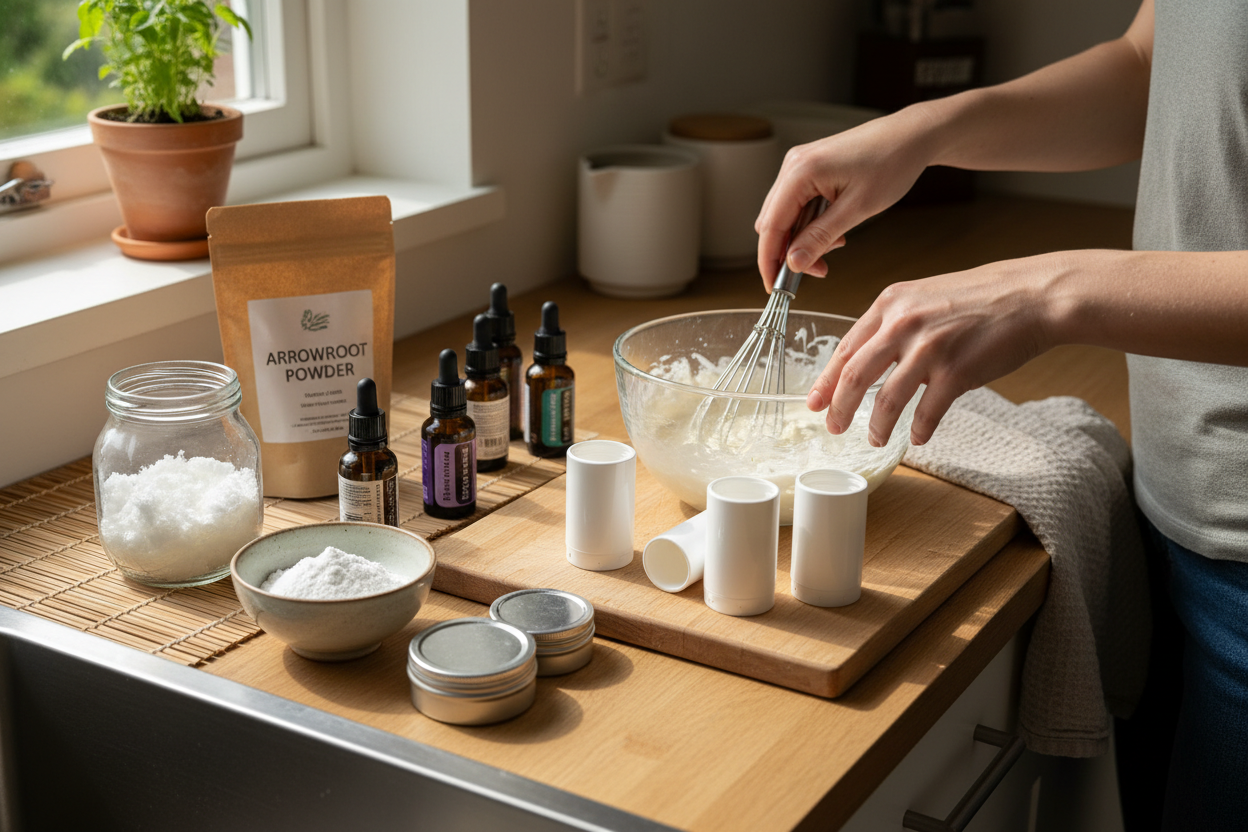
Finding an effective, natural deodorant can be a challenge, especially if you’re looking for one free of harsh chemicals. That’s where magnesium hydroxide deodorant comes in. This gentle, skin-friendly ingredient neutralizes odors while maintaining your body’s natural balance, making it perfect for those with sensitive skin. In this guide, we’ll explore the benefits of magnesium hydroxide, why it’s a game-changer in natural deodorants, and how to make your own homemade deodorant with magnesium hydroxide. Magnesium hydroxide is a mineral compound that works as a natural alternative to aluminum in deodorants. Unlike aluminum-based antiperspirants that block sweat glands, magnesium hydroxide allows your body to sweat naturally while neutralizing odor-causing bacteria on the skin’s surface.Here’s why it’s an excellent choice for deodorants: Gentle on Skin: Magnesium hydroxide is non-irritating and less likely to cause redness or itching compared to baking soda, which can be abrasive for sensitive skin. Neutralizes Odor: It effectively combats odor by creating an environment where odor-causing bacteria can’t thrive, keeping you fresh all day. Non-Toxic: Free of synthetic chemicals, magnesium hydroxide is safe for long-term use and aligns with the growing demand for clean, natural products. Why opt for a DIY deodorant with magnesium hydroxide? Here are the benefits: Customizable Formula: You can tailor the scent, texture, and strength to suit your preferences. Cost-Effective: Homemade deodorants are often cheaper than store-bought options, especially high-quality natural ones. Skin-Friendly Ingredients: You control what goes into your deodorant, ensuring it’s free of allergens, synthetic fragrances, and harsh chemicals. Eco-Friendly: Making your own deodorant reduces waste, especially if you use reusable or biodegradable packaging. To create a magnesium hydroxide deodorant recipe, you’ll need a few simple ingredients: Magnesium Hydroxide Powder: The star ingredient, responsible for neutralizing odors. If you’re wondering how much magnesium hydroxide to use in deodorant, 2-3 tablespoons is ideal for most recipes. Coconut Oil: Acts as a base, providing a smooth texture and additional antibacterial properties. Arrowroot Powder or Cornstarch: Helps absorb moisture and keeps the formula smooth. Shea Butter (Optional): Adds a creamy consistency and nourishes the skin. Essential Oils (Optional): Choose oils like lavender, tea tree, or peppermint for fragrance and added antibacterial benefits. Vitamin E Oil (Optional): Acts as a natural preservative and skin conditioner. Gather the following tools to ensure a smooth process: Mixing Bowls: For combining ingredients. Measuring Spoons: To ensure accurate quantities. Whisk or Spoon: To blend the ingredients thoroughly. Double Boiler or Heatproof Bowl: For melting solid ingredients like shea butter and coconut oil. Deodorant Containers or Jars: Use empty deodorant tubes, small glass jars, or tins for storage. Here’s how to make your own homemade deodorant with magnesium hydroxide: Melt the Base Ingredients: In a double boiler, combine 3 tablespoons of coconut oil and 2 tablespoons of shea butter. Heat gently until fully melted, then remove from heat. Add Dry Ingredients: Stir in 2-3 tablespoons of magnesium hydroxide powder and 1 tablespoon of arrowroot powder or cornstarch. Mix well to ensure a smooth consistency. Incorporate Optional Add-Ins: Add 5-10 drops of your favorite essential oil and 1 teaspoon of vitamin E oil if desired. Stir until everything is evenly combined. Cool and Whisk: Let the mixture cool slightly, then whisk it to achieve a creamy texture. Transfer to Containers: Pour the mixture into deodorant tubes, jars, or tins. Allow it to set at room temperature or in the fridge until firm. Using your DIY deodorant with magnesium hydroxide is simple, but here are a few tips for the best results: Apply to Clean Skin: Ensure your underarms are clean and dry before applying deodorant to maximize its effectiveness. Use a Small Amount: A pea-sized amount is usually sufficient. Spread it evenly across the underarm area. Allow to Absorb: Let the deodorant absorb into your skin for a few minutes before dressing to avoid transfer onto clothing. Store Properly: Keep your deodorant in a cool, dry place. If your home is warm, consider storing it in the fridge to maintain its consistency. Q: How much magnesium hydroxide should I use in deodorant?A: Use 2-3 tablespoons of magnesium hydroxide powder per batch for an effective and skin-safe deodorant.Q: Is magnesium hydroxide safe for sensitive skin?A: Yes, magnesium hydroxide is one of the gentlest deodorant ingredients, making it an excellent choice for sensitive skin. It’s less likely to cause irritation compared to baking soda-based deodorants.Q: How long does homemade deodorant with magnesium hydroxide last?A: Stored properly in an airtight container, your deodorant can last up to six months. Adding vitamin E oil can help extend its shelf life.Q: Does magnesium hydroxide deodorant stop sweating?A: No, magnesium hydroxide deodorant does not block sweat glands like antiperspirants. Instead, it neutralizes odor while allowing your body to sweat naturally.Q: Can I add other ingredients to customize my deodorant?A: Absolutely! You can add ingredients like kaolin clay for additional detoxifying benefits or beeswax to create a firmer texture for stick deodorants.
Presenting for Success

Article

Presenting for Success
Everyone has a presentation style that’s unique and there’s no reason to change what’s working for you. If you think your presentation style and methods could use some enhancement, here are a few tips to consider.

Article

4 Men’s Skincare Trends in 2023

Men's skincare trends are fueled by a continuing surge in spending by this often overlooked market. A recent study revealed that the men's skincare market was expected to reach $13 billion by the end of 2022 — a $10 billion increase since 2016. If your skincare company isn’t already catering to men, you’re leaving money on the table.Luckily, you don't have to reinvent the wheel in your business. By focusing on these rising trends in the natural men's skincare vertical, you can quickly expand your product line to include the most sought-after items.
5 Questions Before Hobby to Business

Article

5 Questions Before Hobby to Business
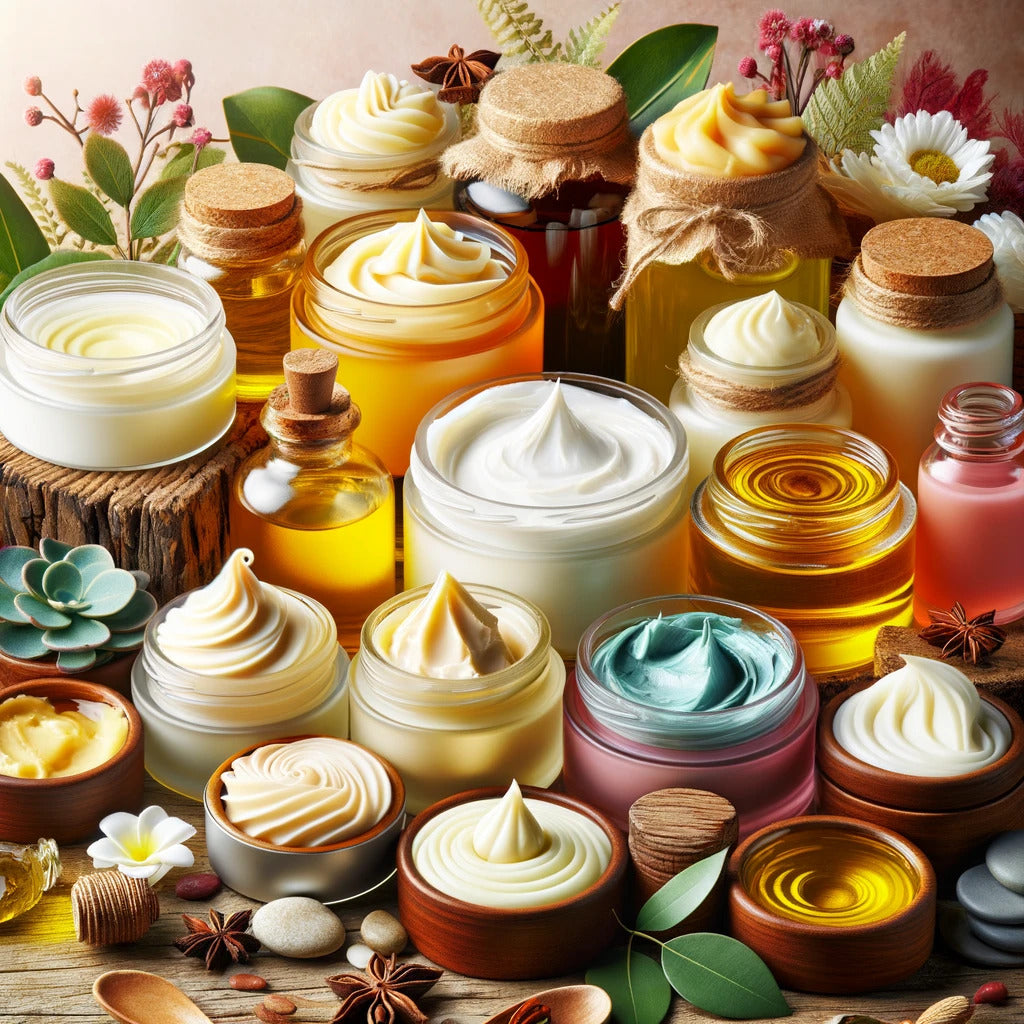
You began making those luxurious body creams and beautifully scented candles for a reason; what was it? Relaxation? Meaningful gifts? A creative outlet? Probably all of the above and more, right?And now you not only enjoy the outcome of your creative prowess but select friends and family members feel quite fortunate to garner the benefits these decadent treats. You never planned on it, but now you’re thinking, why not go big and spread a little happiness to people everywhere? Why not make it an official business?This decision is all fine and well, but you’ll want to be as prepared as possible for the challenges that most certainly lie ahead. Begin by asking yourself these five questions to position the reality of entrepreneurship versus hobbyist more clearly in your mind.
Butters & Solid Oils - What To Know & How To Use Them

Article

Butters & Solid Oils - What To Know & How To Use Them
Solid oils and hard butters, including cocoa butter, shea butter, mango butter, and coconut oil, are essential to many skincare and soap-making recipes. They are valued for their rich textures and healthful properties, stemming from their saturated and unsaturated fatty acids composition. These elements contribute to their solidity at room temperature and enhance their effectiveness in skincare products. Cocoa ButterCocoa butter is notable for its hard, brittle texture and natural chocolate scent. It's composed mainly of palmitic (25-30%) and stearic (35%) acids, along with oleic acid (30%). This combination creates a protective barrier on the skin to prevent moisture loss, qualifying it as one of the few FDA-approved occlusive agents. Cocoa butter also includes 0.3-0.4% phytosterols, has a shelf life of 2-3 years, and melts at 93°F (34°C). Slow melting and rapid cooling are crucial to prevent graininess. Ideal for thickening products like soaps and body creams, cocoa butter is less interchangeable with shea or mango butters due to its distinct properties.Mango ButterMango butter, which strikes a balance between the consistency of shea and cocoa butter, is firm yet scoopable and feels dry due to its high oleic (46%) and stearic acid (42%) content. It boasts anti-inflammatory and antioxidant properties from tannins and polyphenols such as caffeic and gallic acids, making it perfect for non-greasy lotion formulations. Refined mango butter is odorless and versatile with a 2-3 year shelf life and an 86°F (30°C) melting point.Shea ButterShea butter is softer than cocoa and mango butters and is enriched with oleic (40-55%) and stearic (35-45%) acids, vitamin E, and phytosterols, including antimicrobial agents. The FDA recognizes it as a barrier ingredient, so it excels in occlusive applications but may be too rich for oily skin. Shea butter contributes to a creamy lather in soaps and is available in refined and unrefined forms.Coconut OilA mainstay in soap production, coconut oil is high in lauric (48%) and myristic (18%) acids, which are known for effectively penetrating the hair shaft. It transitions from solid to liquid below 76°F (24°C), with a hydrogenated variant melting at 92°F (33°C), suitable for warmer climates. Despite its potential comedogenic properties, it's a popular choice for moisturizing body and lip care products.Palm OilPalm oil remains solid due to its high palmitic (48%) and oleic (40%) acids content. It's essential in creating a stable, creamy lather in soap making and serves as a vegan substitute for lard. Proper melting and stirring are necessary to avoid a grainy texture. Palm oil has a two-year shelf life and melts at 95°F (35°C). It is generally used at a maximum of 25% in soap formulations to moderate trace acceleration. Storage in cool, dark places is essential to prevent rancidity and maintain quality. Airtight containers help preserve the integrity of these ingredients, typically extending their shelf life to 2-3 years.Creative Uses for Butters and Oils in DIY ProjectsBeyond traditional applications, these versatile ingredients can be transformed into whipped body butters, exfoliating bars, and even homemade cosmetics like foundation sticks and lipsticks, unlocking extensive possibilities for personal care creativity. An ice cream scoop is excellent for handling hard butters and oils like coconut oil. Spoons often prove inadequate for this task due to their thin handles, making it difficult to exert sufficient force without bending. Similarly, spatulas may need to be more flimsy to cut into the dense textures of these materials effectively. Therefore, we recommend an ice cream scoop or a sturdy paddle as the ideal tools for efficiently scooping out hard butters and oils, ensuring ease of use and preventing damage to kitchen utensils. Understanding and utilizing the unique properties of butters and solid oils can significantly enhance the effectiveness of homemade skincare and soap products. By selecting the appropriate type based on its fatty acid composition, melting point, and specific benefits, crafters can create products that are effective and tailored to specific skincare needs. Proper storage, handling, and blending methods further ensure these ingredients maintain their beneficial properties and contribute to the quality and appeal of DIY skincare creations. Whether you are formulating a rich body butter, a moisturizing lip balm, or a luxurious soap, these natural butters and oils are invaluable resources for any home or professional crafter aiming to produce high-quality, nourishing, and delightful skincare products.
Workplace Health & Safety

Article

Workplace Health & Safety
If you’re a sole proprietor working out of your home, workplace safety probably isn’t high on your priority list.  The subject typically arises when you start to expand past your humble beginnings, thereby exposing yourself to liability issues that you never considered.  Beyond that, laws are in place that require employers to provide a hazard-free workplace.
Vanilla Browning in Cold Process Soap

Article

Vanilla Browning in Cold Process Soap
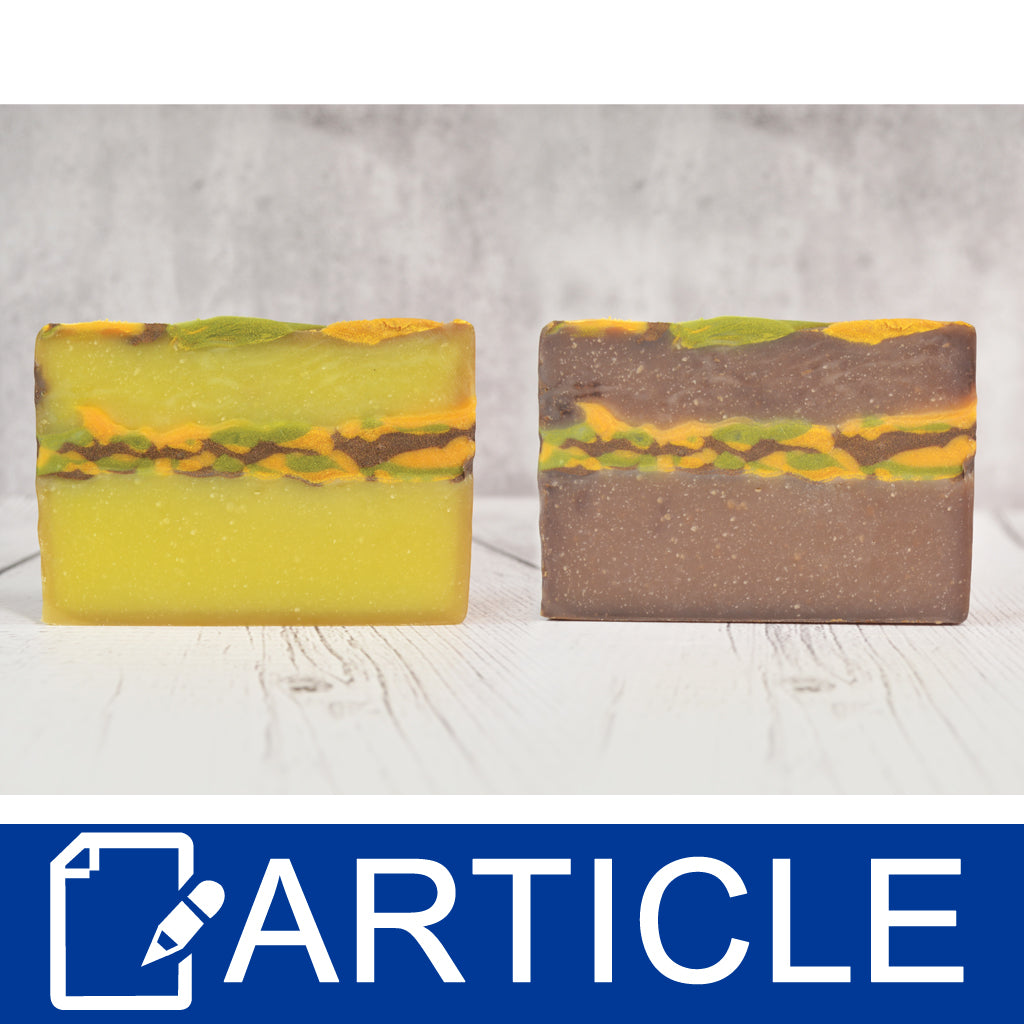
Brown happens. Leaves turn brown in the fall. Grass turns brown when it's dry. Bite into an apple; the white flesh turns brown over the course of half an hour. Brown is the natural color of vegetable matter if you just wait long enough, and vanilla is no exception. Vanilla beans are harvested while they are green and odorless. The scent of vanilla comes when they are dried in the sun, where they turn dark brown. The beans are steeped in alcohol, resulting in the familiar brown vanilla extract.

Article

Exploring the Benefits of Argan Oil for Skin and Hair
Argan oil has long been valued in beauty and skincare formulations for its lightweight, conditioning properties. Often referred to as "liquid gold," this versatile oil is a favorite among DIY crafters looking to add a touch of moisture and smoothness to their handmade products. Whether used in soaps, lotions, or hair treatments, the benefits of argan oil make it a valuable ingredient for a wide range of formulations. Extracted from the kernels of the argan tree, native to Morocco, argan oil is known for its smooth application and ability to absorb quickly into the skin and hair. Unlike heavier oils, it is believed to provide hydration without leaving behind a greasy residue, making it a sought-after ingredient in luxury beauty products.With its silky texture and conditioning qualities, argan oil uses and benefits extend beyond skincare—it's also a popular choice for hair treatments, soaps, and body care formulas. Many crafters choose argan oil when formulating skincare products because it has been known to help skin feel soft, nourished, and smooth.Lightweight Moisturizing PropertiesAmong the widely recognized argan oil benefits for skin is its ability to deliver moisture without feeling heavy. Many people prefer argan oil in lotions and face creams for its smooth finish and quick absorption.Helping Skin Appear More SuppleArgan oil is often used to enhance the look of dry or mature skin, as it has the potential to create a more refreshed, hydrated appearance. It is frequently included in face creams, body butters, and after-shower oils to support a soft, radiant look.Reported Soothing PropertiesThis plant-derived oil has been known to provide a comforting, soothing feel when applied to dry or sensitive skin. Many DIY beauty enthusiasts incorporate argan oil into body lotions, lip balms, and hand creams for an extra conditioning boost. Beyond skincare, argan oil benefits for hair make it a favorite for hair treatments, deep-conditioning masks, and styling products.Enhancing the Appearance of Dry HairOne of the most often reported argan oil benefits is its ability to help hair appear smoother and shinier when used in styling and conditioning treatments. Many hair care enthusiasts choose argan oil for its lightweight texture, which has the potential to reduce the look of frizz without weighing hair down.Supporting a Healthy-Looking ScalpArgan oil is often included in scalp treatments and hair masks because it is reported to provide a nourishing, soothing effect. Many DIY formulators add argan oil to their handcrafted shampoos and scalp serums to create a more luxurious, spa-like hair care experience. Argan oil is a versatile ingredient that works well in many handmade personal care products. Some popular argan oil uses and benefits in DIY formulations include: Cold Process & Melt & Pour Soaps: Adds a moisturizing touch to soap formulations. Body Lotions & Creams: Helps create a smooth, silky finish in hydrating products. Hair Serums & Leave-In Conditioners: Used to help hair appear softer and shinier. Lip Balms & Cuticle Oils: Provides a lightweight conditioning effect for dry areas. From skincare to hair care, the benefits of argan oil make it a standout ingredient for those looking to create high-quality, nourishing beauty products. Whether you’re exploring argan oil benefits for hair or incorporating it into body care formulations, this lightweight yet conditioning oil is reported to be a valuable addition to many handcrafted creations.Looking for premium-quality argan oil? Browse our selection of high-quality carrier oils and unscented bases and start crafting today!

Article

Benefits of Annatto Seeds
Annatto seeds, derived from the achiote tree, are a vibrant and versatile ingredient widely used in natural soap and skincare formulations. Known for their bold, reddish-orange color, they offer both aesthetic and functional benefits, making them a favorite among crafters and skincare enthusiasts. In this guide, we’ll explore the benefits of annatto seeds and creative uses of annatto seeds in handmade products. Annatto seeds are small, red seeds harvested from the pods of the tropical achiote tree (Bixa orellana). Traditionally used as a natural food dye, these seeds are also a powerhouse ingredient in handmade bath and body products. They’re prized for their natural coloring properties and subtle antioxidant effects.Common Forms: Whole Annatto Seeds: Ideal for infusions and decorative purposes. Annatto Seed Powder: Perfect for evenly dispersing color in products like soaps, lotions, and scrubs. Annatto seeds offer a range of benefits for handmade bath, body, and skincare products: Natural Coloring: Annatto seeds produce a vibrant reddish-orange hue, perfect for enhancing the appearance of soaps, bath bombs, and creams without synthetic dyes. Rich in Antioxidants: Annatto contains carotenoids, which may help protect skin from environmental stressors when incorporated into skincare formulations. Exfoliation: When ground into powder, annatto seeds can act as a mild exfoliant in scrubs and soaps. Skin Conditioning: Infused annatto oil may provide subtle skin-nourishing properties, leaving skin feeling soft and smooth. Annatto seeds are a versatile ingredient for a variety of projects. Here are some common ways to use them:1. Soap Making Infuse olive oil or another carrier oil with annatto seeds to create a naturally tinted base for cold or hot process soaps. Add annatto seed powder directly to the soap batter for speckled, exfoliating effects. 2. Skincare Products Blend annatto seed powder into scrubs for a natural color boost and gentle exfoliation. Infuse the seeds into oils for use in body lotions, butters, or balms. 3. Bath BombsUse annatto seed powder to create warm, sunset-like tones in bath bombs while keeping the formulation skin-safe and natural. Infusion Method: Combine 1–2 tablespoons of annatto seeds with 1 cup of a carrier oil (like olive or sunflower oil). Let the mixture steep for 24–48 hours, shaking occasionally. Strain the seeds and use the infused oil as a base in your soaps or lotions. Direct Addition:For a speckled look, add annatto seed powder directly into soap or scrub formulations, using 1 teaspoon per pound of product. Water-Soluble Colorant:Steep annatto seeds in hot water to create a water-based infusion for products like liquid soap or bath soaks. What Makes Annatto Seeds a Good Natural Dye?The vibrant carotenoids in annatto seeds provide a safe, natural alternative to synthetic colorants. These pigments are especially effective in oil-based formulations.Can Annatto Seeds Cause Allergies?While annatto seeds are generally safe for most skin types, always perform a patch test for new products to rule out sensitivities.How Long Does Annatto Infusion Last?Annatto-infused oils typically have the same shelf life as the carrier oil used. Store in a cool, dark place to maintain freshness.Are Annatto Seeds Vegan?Yes! Annatto seeds are entirely plant-based, making them a vegan-friendly choice for natural formulations. From their vibrant coloring properties to their subtle skincare benefits, annatto seeds are a must-have for natural product makers. Whether you’re crafting beautifully tinted soaps, nourishing lotions, or exfoliating scrubs, the uses of annatto seeds are nearly endless. Get high-quality annatto seed powder from Wholesale Supplies Plus to elevate your creations with this versatile ingredient.

Article

Refreshing Facial Spritz Recipe Video
This video demonstrates how to make a refreshing facial spritz. Facial mists are thought to hydrate and brighten the skin, and many users also use it to set makeup. They are wonderful for hot summer days, and make a nice wedding favor for tropical destination weddings!
Best Fragrance Oil Blends

Article

Best Fragrance Oil Blends
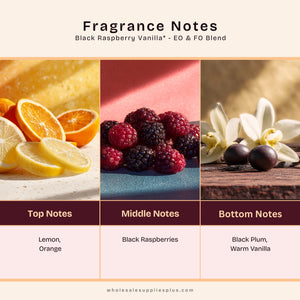
As a soap and candle making enthusiast, mastering the art of fragrance oil blending can elevate your creations to new aromatic heights. Crafting the perfect scent involves understanding the complexities of different notes, as well as the delicate balance required to create harmonious fragrance oil blends. Whether you're a seasoned artisan or just starting out, our comprehensive guide to fragrance oil blending will provide you with the necessary insights to create captivating and unique scents that will set your products apart.