Articles

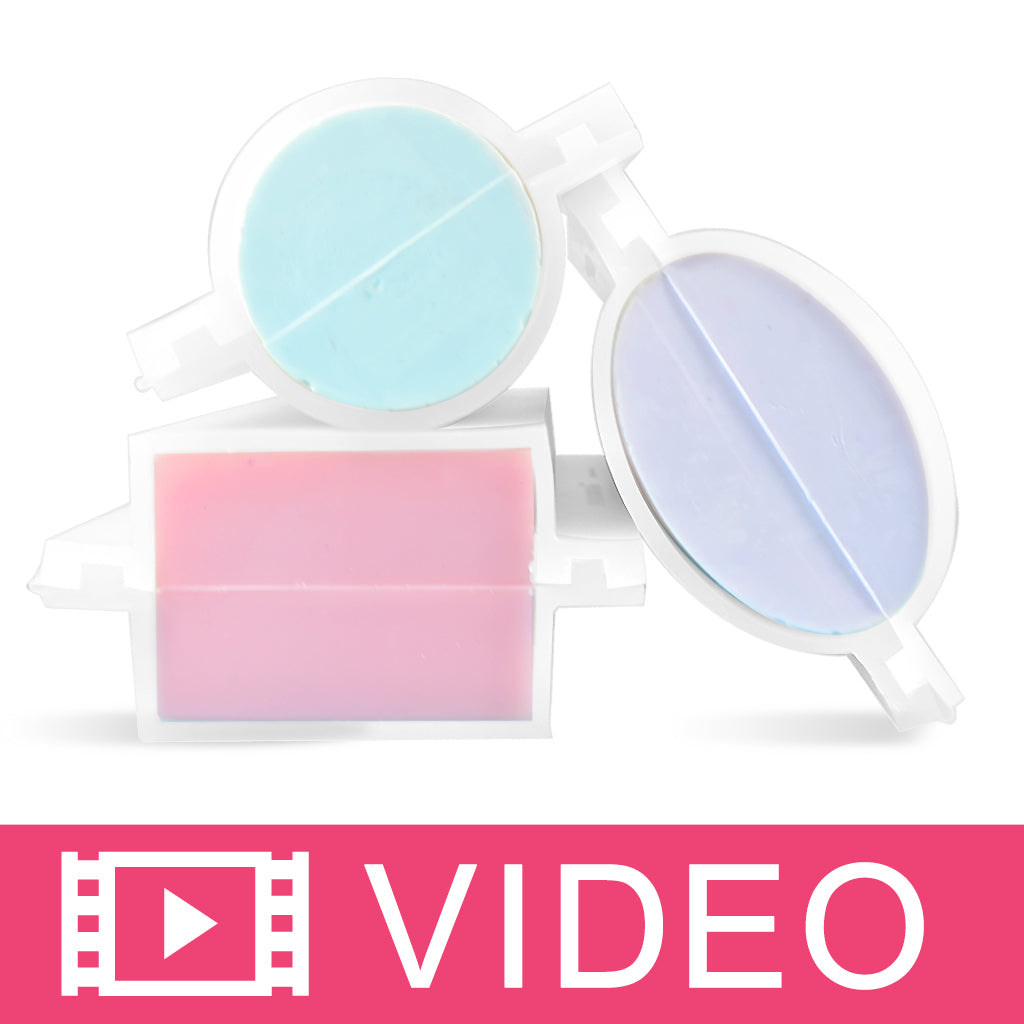
Using Loaf Column Molds Video

Article

Using Loaf Column Molds Video

Create unique soap creations with Crafter's Choice Loaf Column Silicone Soap Molds. These molds create long vertical loaves of soap, which allows soap makers to easily place and embed different shapes and designs. We enjoy using the smaller column molds and mini column molds in conjunction with the loaf molds. In this video, we show tricks and tips for using loaf column molds. Watch this video to learn how to properly use loaf column silicone soap molds!
Autumn Leaves and Snowy Trees: Holiday Fragrance Trends for 2022

Article

Autumn Leaves and Snowy Trees: Holiday Fragrance Trends for 2022
Pretty soon, trees will be ablaze with the bright colors of fall. Not long after that, the first snowflakes will float down and holiday planning will be up and running. As seasons change, so too does your product line, and it never hurts to take a look ahead and forecast what fragrances your customers will go nuts for this holiday season. We’re always here to help our maker community, so we’ve rounded up the hottest trends we’re seeing in the fragrance industry for Fall and Winter 2022.
Tulip 1 1/2" Column Silicone Soap Mold Video
Article

Tulip 1 1/2" Column Silicone Soap Mold Video
This video demonstrates how easy it is to make a 1 1/2" tulip shaped soap using the Crafter's Choice Tulip 1 1/2" Column Silicone Soap Mold. The tulip looks great embedded in a large loaf with the Crafter's Choice Squiggle Column Silicone Soap Mold. Perfect for spring, Mother's Day, and Valentine's Day.
Marketing Tips: Mother's Day Sales

Article

Marketing Tips: Mother's Day Sales
Mother's Day offers a huge selling opportunity for soapers and handmade artisans. People spend a lot of money buying Mother’s Day gifts each year and handmade bath and body products are among some of the most popular items consumers plan to buy. We want to help you have the most successful Mother’s Day season yet, so here are some facts, figures, tips and tricks to sell your products for Mother’s Day.
Everything You Need To Know About Colorants
Article

Everything You Need To Know About Colorants
Colorants are what elevate a simple soap to sophisticated art. Modern colorants allow soap and bath product creators to make vibrant, eye-catching products. Understanding how to properly use colorants is crucial for creating the products you envision. At Elements Bath and Body we have a wide array of colorants to make all of your most vivid dreams come true! This guide will explain the different colorants that are sold here at Elements and how to properly (and safely!) use them.
Video Newsletter: All About Salts

Article

Video Newsletter: All About Salts
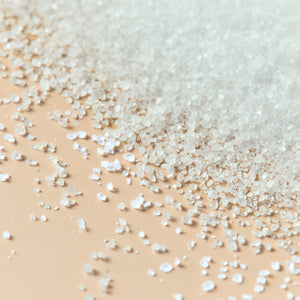
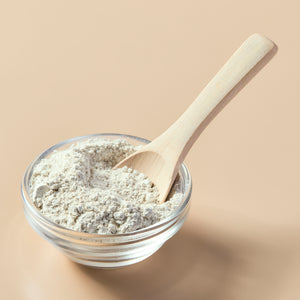
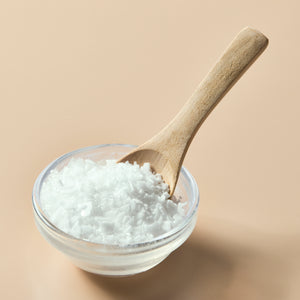
Learn all about the different types of salt that Wholesale Supples Plus carries, where they come from and how to use them. From Dead Sea Salt and Dendritic Salt to Black Sea Salt and Pink Himalayan Salts, the formulation possibilities are endless. 
Bubbles, Bubbles, No Toil and No Trouble
Article

Bubbles, Bubbles, No Toil and No Trouble
Sugar is found in many forms and is also a natural element in countless edibles. Glucose, fructose and sucrose not only up the lather but they also contain incredible antioxidant compound and antibacterial properties. It is important to keep in mind that the addition of sugar in your cold process soap recipe raises the temperature at which the batter moves from a liquid to a solid state. In a sense, it sets in motion the gelling process. Knowing that recipes with sugars are heat sensitive, you should be conscious of your time and temperature.
Craft Show Pricing Tips

Article

Craft Show Pricing Tips
Pricing your handmade soap products is difficult as it is, but determining prices for craft or trade shows can be even harder. Here are a few tips on how to determine prices for products if you are new to the craft show scene.
Honey Laundering Guidelines For Formulators
Article

Honey Laundering Guidelines For Formulators
Skincare manufacturers have used honey in everything from moisturizers to bar soaps to facial and lip treatments. One reason they use honey is for its wholesome, all-natural image. But there's much more to this sweet ingredient than meets the eye.
Homemade Dishwasher Tablets  Video

Article

Homemade Dishwasher Tablets Video
Learn how to make homemade dishwasher tablets in this short video. Dishwasher tablets are made of sodium carbonate, sodium borate, vinegar, salt, and lemon essential oil. This DIY dishwasher tablet project is very easy to make and only takes about a half hour.
Body Butter vs Lotion

Article

Body Butter vs Lotion
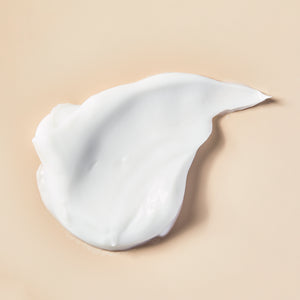
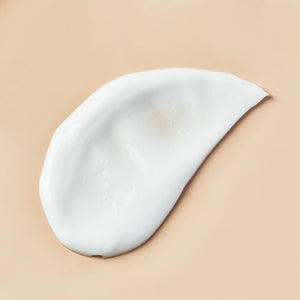
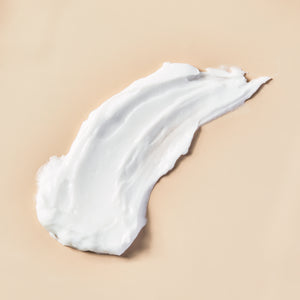
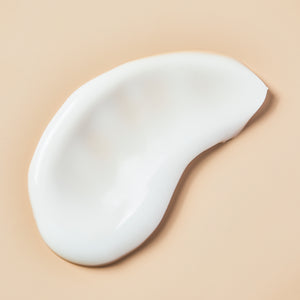
When it comes to keeping your skin hydrated and nourished, two popular options often come to mind: body butter and lotion. Both products serve the same basic purpose of moisturizing the skin, but they differ significantly in texture, ingredients, and usage. In this guide, we’ll explore the key differences between body butter and lotion to help you decide which one is best for your skincare needs. Is body butter lotion? Body butter is a rich, thick moisturizer made primarily from natural oils and butters, such as shea butter, cocoa butter, or mango butter. It is known for its dense texture and is often used to deeply moisturize and hydrate the skin, especially on areas prone to dryness, such as elbows, knees, and feet.Body butter is typically free from water or contains very little water, which gives it a more concentrated consistency compared to lotions. It’s designed to provide long-lasting hydration by creating a protective barrier over the skin, sealing in moisture and preventing dryness. This makes body butter ideal for use during colder months or for people with very dry skin. Lotion, on the other hand, is a lighter, more fluid moisturizer that contains a higher percentage of water along with oils, emulsifiers, and other hydrating ingredients. Its thinner consistency allows it to absorb more quickly into the skin, making it a convenient option for everyday use.Lotion is great for those who want a light, non-greasy moisturizer that provides hydration without feeling too heavy. Because of its water content, lotion tends to provide more immediate hydration but may need to be reapplied more often than body butter to maintain moisture throughout the day. Several key differences between body butter and lotion make each product unique in its purpose and performance: Texture: Body butter has a thicker, creamier texture, while lotion is lighter and more fluid. Body butter takes longer to absorb into the skin, whereas lotion is quickly absorbed, leaving little to no residue. Ingredients: Body butter is typically made with natural butters and oils, making it richer and more concentrated. Lotion, in contrast, contains more water, which gives it a lighter consistency. Moisturizing Power: Due to its dense formula, body butter offers more intense moisturization, making it better suited for extremely dry skin. Lotion provides a lighter layer of hydration that’s ideal for normal to slightly dry skin. Absorption Time: Lotion absorbs quickly into the skin, making it perfect for when you need to moisturize on the go. Body butter, with its thicker consistency, takes longer to absorb, so it’s better used when you have more time to let it soak in. Longevity: Because of its high oil content, body butter provides long-lasting moisture and is often applied less frequently than lotion. Lotion, while fast-absorbing, may need to be reapplied throughout the day to maintain hydration. Each product offers its own set of benefits depending on your skincare needs:Benefits of Body Butter: Intense Hydration: Body butter is ideal for those with very dry skin or areas prone to roughness, such as elbows, knees, and heels. Its rich texture locks in moisture for extended periods, making it perfect for overnight use or during dry, cold weather. Nourishing Ingredients: Body butter often contains vitamins, antioxidants, and fatty acids from natural butters and oils, which can help repair and nourish the skin. Protective Barrier: The thick consistency of body butter creates a barrier on the skin, preventing moisture loss and protecting against environmental damage like wind and cold air. Benefits of Lotion: Lightweight Hydration: Lotion is great for everyday use, offering lightweight hydration that’s suitable for normal to slightly dry skin. Its fast-absorbing formula makes it ideal for busy mornings or on-the-go moisture. Non-Greasy: Lotions are often preferred by those who don’t like the greasy feel that thicker moisturizers can leave behind. Ideal for Warmer Weather: Lotion’s lighter consistency makes it more comfortable to use in warmer weather when you don’t need heavy moisturization. Knowing when to use body butter vs lotion depends on your skin’s needs and the environment. Here’s a quick guide on when to opt for each:Use Body Butter If: You have very dry or rough skin that needs intense hydration. You’re dealing with seasonal dryness during the winter months. You want a rich, luxurious moisturizer to apply at night or after a bath. You have specific areas of your body (elbows, heels, knees) that are prone to dryness and need extra care. Use Lotion If: You prefer a lighter moisturizer that absorbs quickly. You need a product for everyday use that won’t feel greasy or heavy. You live in a warmer climate where a lightweight moisturizer is sufficient. You’re looking for a moisturizer to use on your face or areas prone to oiliness. Q: Is body butter better than lotion?A: It depends on your skincare needs. Body butter offers more intense hydration and is better for very dry skin, while lotion is lighter and ideal for everyday use on normal to slightly dry skin.Q: Can I use body butter as a lotion?A: Yes, you can use body butter in place of lotion, especially if your skin needs extra moisture. However, because body butter is thicker, it’s best used on areas that need more intense hydration or as a nighttime treatment.Q: What is Body Butter Used For?A: Due to its richer, thicker formula, body butter is best suited for very dry or rough skin. Lotion can work for mildly dry skin but may not provide the long-lasting hydration that body butter offers.Q: Can I use body butter and lotion together?A: Yes! You can layer body butter over lotion for extra hydration or use lotion during the day and body butter at night for more intensive moisturization.

Article

Is Coconut Oil Good for Your Skin? Benefits & Best Uses
Coconut oil has become a staple in skincare thanks to its deeply moisturizing and nourishing properties. But is coconut oil good for your skin? Whether you’re looking for a natural way to hydrate dry skin, protect against environmental stressors, or soothe irritation, the benefits of coconut oil for skin are worth exploring. Here’s why this natural oil is a must-have for your skincare routine. One of the most well-known coconut oil benefits for skin is its ability to deeply hydrate. This versatile oil acts as a natural emollient, helping to lock in moisture and keep the skin soft and smooth. Key benefits include: Intense hydration – Coconut oil forms a protective barrier to prevent moisture loss. Soothes dry, flaky skin – Ideal for those dealing with seasonal dryness or rough patches. Boosts skin elasticity – The fatty acids in coconut oil help maintain suppleness. Creates a smooth texture – Helps soften rough or uneven skin. Explore our Natural Butters & Oils for skin care for more moisturizing solutions. Beyond hydration, coconut oil offers a range of protective and healing benefits. It contains natural antibacterial and antifungal properties, making it an excellent addition to skincare routines. Here’s how it helps: Protects the skin barrier – Strengthens the skin’s natural defense against pollutants. Reduces inflammation – Helps calm redness and irritation from dry or sensitive skin. Fights bacteria – The antimicrobial properties can help prevent minor skin infections. Speeds up healing – Beneficial for soothing minor cuts, burns, or irritations. Looking for more skin-protecting ingredients? Check out our Skincare Additives. While coconut oil has numerous benefits, its effectiveness can vary depending on skin type. Here’s what you need to know before incorporating it into your routine: Dry skin – Ideal for intense hydration and replenishing lost moisture. Sensitive skin – Can be soothing, but patch testing is recommended. Oily or acne-prone skin – May clog pores for some individuals; consider lighter alternatives like jojoba oil. Aging skin – Helps with hydration and reducing the appearance of fine lines. Not sure what works best for you? Explore our Facial Oils & Serums for different skin types Incorporating coconut oil for skin into your routine is simple and can be done in multiple ways: Moisturizer – Apply a small amount to damp skin for lasting hydration. Makeup remover – Gently dissolves makeup while nourishing the skin. Lip balm – Soothes dry, cracked lips with a natural shine. Body scrub – Mix with sugar or salt for an exfoliating treatment. After-sun care – Helps calm sunburned skin and restore moisture. 1. Can coconut oil clog pores?It depends on your skin type. While coconut oil is highly moisturizing, it may not be the best choice for oily or acne-prone skin.2. How often should I use coconut oil on my skin?Daily use is fine for dry skin, but those with combination or oily skin may prefer occasional use.3. Can coconut oil help with eczema?Yes! Its anti-inflammatory and moisturizing properties may help soothe eczema-prone skin.4. Is coconut oil safe for sensitive skin?Generally, yes, but patch testing is recommended to check for any potential irritation.With so many benefits of coconut oil for skin, it’s no surprise that it’s a popular choice for natural skincare. Whether you need deep hydration, skin protection, or a simple, effective moisturizer, coconut oil is a versatile solution. Explore our Skincare Essentials to find more nourishing options!