Articles

Body Butter vs Lotion

Article

Body Butter vs Lotion

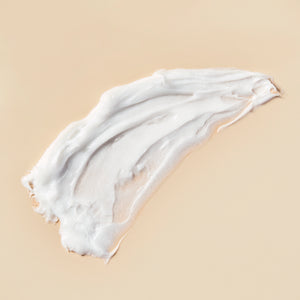
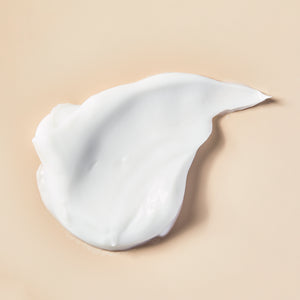
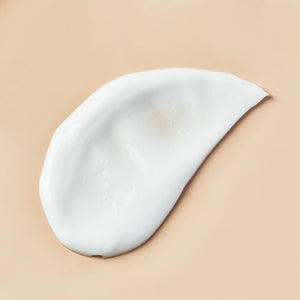
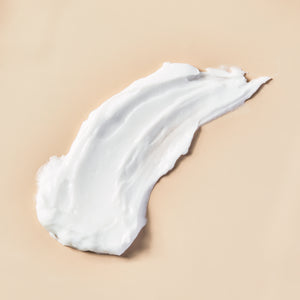
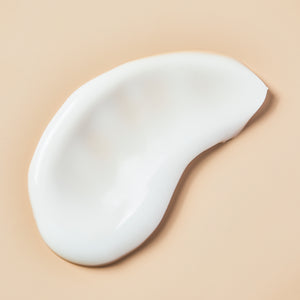
When it comes to keeping your skin hydrated and nourished, two popular options often come to mind: body butter and lotion. Both products serve the same basic purpose of moisturizing the skin, but they differ significantly in texture, ingredients, and usage. In this guide, we'll explore the key differences between body butter and lotion to help you decide which one is best for your skincare needs. Is body butter lotion? Body butter is a rich, thick moisturizer made primarily from natural oils and butters, such as shea butter, cocoa butter, or mango butter. It is known for its dense texture and is often used to deeply moisturize and hydrate the skin, especially on areas prone to dryness, such as elbows, knees, and feet.Body butter is typically free from water or contains very little water, which gives it a more concentrated consistency compared to lotions. It's designed to provide long-lasting hydration by creating a protective barrier over the skin, sealing in moisture and preventing dryness. This makes body butter ideal for use during colder months or for people with very dry skin. Lotion, on the other hand, is a lighter, more fluid moisturizer that contains a higher percentage of water along with oils, emulsifiers, and other hydrating ingredients. Its thinner consistency allows it to absorb more quickly into the skin, making it a convenient option for everyday use.Lotion is great for those who want a light, non-greasy moisturizer that provides hydration without feeling too heavy. Because of its water content, lotion tends to provide more immediate hydration but may need to be reapplied more often than body butter to maintain moisture throughout the day. Several key differences between body butter and lotion make each product unique in its purpose and performance: Texture: Body butter has a thicker, creamier texture, while lotion is lighter and more fluid. Body butter takes longer to absorb into the skin, whereas lotion is quickly absorbed, leaving little to no residue. Ingredients: Body butter is typically made with natural butters and oils, making it richer and more concentrated. Lotion, in contrast, contains more water, which gives it a lighter consistency. Moisturizing Power: Due to its dense formula, body butter offers more intense moisturization, making it better suited for extremely dry skin. Lotion provides a lighter layer of hydration that's ideal for normal to slightly dry skin. Absorption Time: Lotion absorbs quickly into the skin, making it perfect for when you need to moisturize on the go. Body butter, with its thicker consistency, takes longer to absorb, so it's better used when you have more time to let it soak in. Longevity: Because of its high oil content, body butter provides long-lasting moisture and is often applied less frequently than lotion. Lotion, while fast-absorbing, may need to be reapplied throughout the day to maintain hydration. Each product offers its own set of benefits depending on your skincare needs:Benefits of Body Butter: Intense Hydration: Body butter is ideal for those with very dry skin or areas prone to roughness, such as elbows, knees, and heels. Its rich texture locks in moisture for extended periods, making it perfect for overnight use or during dry, cold weather. Nourishing Ingredients: Body butter often contains vitamins, antioxidants, and fatty acids from natural butters and oils, which can help repair and nourish the skin. Protective Barrier: The thick consistency of body butter creates a barrier on the skin, preventing moisture loss and protecting against environmental damage like wind and cold air. Benefits of Lotion: Lightweight Hydration: Lotion is great for everyday use, offering lightweight hydration that's suitable for normal to slightly dry skin. Its fast-absorbing formula makes it ideal for busy mornings or on-the-go moisture. Non-Greasy: Lotions are often preferred by those who don't like the greasy feel that thicker moisturizers can leave behind. Ideal for Warmer Weather: Lotion's lighter consistency makes it more comfortable to use in warmer weather when you don't need heavy moisturization. Knowing when to use body butter vs lotion depends on your skin's needs and the environment. Here's a quick guide on when to opt for each:Use Body Butter If: You have very dry or rough skin that needs intense hydration. You're dealing with seasonal dryness during the winter months. You want a rich, luxurious moisturizer to apply at night or after a bath. You have specific areas of your body (elbows, heels, knees) that are prone to dryness and need extra care. Use Lotion If: You prefer a lighter moisturizer that absorbs quickly. You need a product for everyday use that won't feel greasy or heavy. You live in a warmer climate where a lightweight moisturizer is sufficient. You're looking for a moisturizer to use on your face or areas prone to oiliness. Q: Is body butter better than lotion?A: It depends on your skincare needs. Body butter offers more intense hydration and is better for very dry skin, while lotion is lighter and ideal for everyday use on normal to slightly dry skin.Q: Can I use body butter as a lotion?A: Yes, you can use body butter in place of lotion, especially if your skin needs extra moisture. However, because body butter is thicker, it's best used on areas that need more intense hydration or as a nighttime treatment.Q: What is Body Butter Used For?A: Due to its richer, thicker formula, body butter is best suited for very dry or rough skin. Lotion can work for mildly dry skin but may not provide the long-lasting hydration that body butter offers.Q: Can I use body butter and lotion together?A: Yes! You can layer body butter over lotion for extra hydration or use lotion during the day and body butter at night for more intensive moisturization.

Article

Is Coconut Oil Good for Your Skin? Benefits & Best Uses

Coconut oil has become a staple in skincare thanks to its deeply moisturizing and nourishing properties. But is coconut oil good for your skin? Whether you're looking for a natural way to hydrate dry skin, protect against environmental stressors, or soothe irritation, the benefits of coconut oil for skin are worth exploring. Here's why this natural oil is a must-have for your skincare routine. One of the most well-known coconut oil benefits for skin is its ability to deeply hydrate. This versatile oil acts as a natural emollient, helping to lock in moisture and keep the skin soft and smooth. Key benefits include: Intense hydration – Coconut oil forms a protective barrier to prevent moisture loss. Soothes dry, flaky skin – Ideal for those dealing with seasonal dryness or rough patches. Boosts skin elasticity – The fatty acids in coconut oil help maintain suppleness. Creates a smooth texture – Helps soften rough or uneven skin. Explore our Natural Butters & Oils for skin care for more moisturizing solutions. Beyond hydration, coconut oil offers a range of protective and healing benefits. It contains natural antibacterial and antifungal properties, making it an excellent addition to skincare routines. Here's how it helps: Protects the skin barrier – Strengthens the skin's natural defense against pollutants. Reduces inflammation – Helps calm redness and irritation from dry or sensitive skin. Fights bacteria – The antimicrobial properties can help prevent minor skin infections. Speeds up healing – Beneficial for soothing minor cuts, burns, or irritations. Looking for more skin-protecting ingredients? Check out our Skincare Additives. While coconut oil has numerous benefits, its effectiveness can vary depending on skin type. Here's what you need to know before incorporating it into your routine: Dry skin – Ideal for intense hydration and replenishing lost moisture. Sensitive skin – Can be soothing, but patch testing is recommended. Oily or acne-prone skin – May clog pores for some individuals; consider lighter alternatives like jojoba oil. Aging skin – Helps with hydration and reducing the appearance of fine lines. Not sure what works best for you? Explore our Facial Oils & Serums for different skin types Incorporating coconut oil for skin into your routine is simple and can be done in multiple ways: Moisturizer – Apply a small amount to damp skin for lasting hydration. Makeup remover – Gently dissolves makeup while nourishing the skin. Lip balm – Soothes dry, cracked lips with a natural shine. Body scrub – Mix with sugar or salt for an exfoliating treatment. After-sun care – Helps calm sunburned skin and restore moisture. 1. Can coconut oil clog pores?It depends on your skin type. While coconut oil is highly moisturizing, it may not be the best choice for oily or acne-prone skin.2. How often should I use coconut oil on my skin?Daily use is fine for dry skin, but those with combination or oily skin may prefer occasional use.3. Can coconut oil help with eczema?Yes! Its anti-inflammatory and moisturizing properties may help soothe eczema-prone skin.4. Is coconut oil safe for sensitive skin?Generally, yes, but patch testing is recommended to check for any potential irritation.With so many benefits of coconut oil for skin, it's no surprise that it's a popular choice for natural skincare. Whether you need deep hydration, skin protection, or a simple, effective moisturizer, coconut oil is a versatile solution. Explore our Skincare Essentials to find more nourishing options!
De-Odorizing Skincare

Article

De-Odorizing Skincare

The resolutions of a new year often lead consumers to simplify and detoxify their lives and beauty routines. One natural way to clean up that routine is by going odorless with skincare products.
Homemade Gifts for Moms

Article

Homemade Gifts for Moms

When it comes to celebrating moms, few things are as meaningful as a gift made with love and care. Homemade gifts for mom offer a personal touch that store-bought presents simply can't match. Whether you're preparing for Mother's Day, a birthday, or just want to show appreciation, crafting your own diy Mother's Day gifts can make the moment even more special. At Wholesale Supplies Plus, we offer a variety of supplies to help you create beautiful and practical gifts for the moms in your life. Here are some easy and thoughtful homemade things for mom that you can make right at home. Candles are a classic gift that moms love, and making your own adds a personal touch. Creating scented soy candles is not only easy but also fun to customize. Choose from a variety of fragrances like lavender, vanilla, or sandalwood, and pair them with decorative containers to make the candles extra special. Add a handwritten label or ribbon to complete this beautiful homemade gift for mom. For a relaxing gift, nothing beats homemade bath bombs. Moms who love to unwind with a bath will appreciate these soothing treats. You can use essential oils like eucalyptus, peppermint, or chamomile to create bath bombs with relaxing and healing properties. Add a little color and dried flower petals for an extra special touch. This is one of the most thoughtful diy Mother's Day gifts that can be made by both adults and kids. Homemade soaps are an excellent way to create a custom gift that feels both luxurious and personal. You can experiment with different soap bases and scents to make something unique for mom. Whether it's a floral scent like rose or a refreshing citrus blend, handmade soaps make for perfect homemade gifts for mom. They're also a great option for kids to help make as part of their Mother's Day gift ideas homemade for kids. For moms who enjoy skincare, a DIY sugar scrub is a fantastic gift idea. Sugar scrubs gently exfoliate the skin, leaving it feeling soft and refreshed. You can make these using natural ingredients like coconut oil, honey, and essential oils. A DIY sugar scrub makes for an easy yet luxurious diy Mother's Day gift that will help mom indulge in some self-care. Custom perfume rollers are another thoughtful and unique gift idea. You can easily make a signature scent for your mom by blending different essential oils. With simple ingredients and customizable scents, this is a great homemade thing for mom that she'll appreciate every day. Moms are always on the go, and a nourishing hand cream can be just the gift to help them pamper themselves. You can create your own hand creams using shea butter, cocoa butter, and essential oils to offer deep hydration and soothing benefits. This is a great project for both kids and adults, making it one of the best Mother's Day gift ideas homemade for kids. Creating homemade gifts for mom is a wonderful way to show appreciation and love. Whether it's diy Mother's Day gifts like bath bombs and candles, or homemade things for mom like sugar scrubs and soaps, these thoughtful presents are sure to bring a smile to her face. With the wide selection of supplies available at Wholesale Supplies Plus, making personalized, homemade gifts has never been easier. Start crafting today and make this Mother's Day (or any special occasion) one to remember!
How to Make Body Butter: A Luxurious DIY Skincare Recipe

Article

How to Make Body Butter: A Luxurious DIY Skincare Recipe

Body butter is a rich, nourishing moisturizer that deeply hydrates the skin and leaves it feeling soft and supple. While store-bought body butters are widely available, making your own allows you to customize the ingredients and use natural, skin-friendly products. This DIY body butter recipe is easy to follow and results in a luxurious, whipped texture that will leave your skin glowing. Let's dive into the benefits of body butter and how you can make your own at home. Body butter is more than just a moisturizer—it offers several key benefits for your skin: Deep Hydration: Body butter is formulated with rich oils and butters that deeply penetrate the skin, providing long-lasting hydration. It's especially beneficial for dry, rough patches like elbows, knees, and feet. Skin Protection: Body butter's natural ingredients create a protective barrier over the skin, shielding it from environmental damage, such as wind, cold, and pollution. Softens Skin: Regular use of body butter helps improve skin texture, leaving it soft and smooth. It's great for soothing and healing dry, flaky skin. Promotes Glowing Skin: Homemade body butter can help restore a natural glow to your complexion by nourishing the skin with vitamins and antioxidants. You'll need a few essential ingredients to make homemade body butter for glowing skin. Most of these can be found at your local grocery store or online: Shea Butter or Cocoa Butter: These are the base ingredients that give body butter its rich texture. Both are deeply moisturizing and packed with vitamins. Coconut Oil or Almond Oil: These oils help soften the skin and enhance the moisturizing properties of the butter. They also add a subtle scent. Jojoba Oil or Olive Oil: Adds extra nourishment and helps balance the body butter's texture, making it easier to apply and absorb. Essential Oils (Optional): Add a few drops of your favorite essential oils for fragrance and additional skincare benefits. Lavender, peppermint, and vanilla are popular choices. Vitamin E Oil (Optional): This acts as a natural preservative and offers antioxidant properties that help nourish and protect the skin. Before starting, make sure you have the right equipment on hand: Mixing Bowls: You'll need a heatproof bowl for melting the ingredients and a separate bowl for whipping the butter. Hand Mixer or Stand Mixer: A hand mixer or stand mixer is essential for whipping the body butter to a light, fluffy texture. Double Boiler or Heatproof Bowl and Pot: This is necessary for melting the butters and oils without direct heat. Storage Jars: Use airtight glass jars to store your finished body butter. Small mason jars or tins work well for this. Follow this step-by-step guide to create your own luxurious body butter at home: Measure the Ingredients: In a heatproof bowl, combine ½ cup of shea butter or cocoa butter with ¼ cup of coconut oil and ¼ cup of almond oil or jojoba oil. Melt the Ingredients: Using a double boiler, gently melt the butter and oils together over low heat. Stir occasionally until fully melted. Cool the Mixture: Once melted, remove the bowl from the heat and allow the mixture to cool. You can place it in the fridge for about 20-30 minutes until it reaches a semi-solid state. Whip the Mixture: Using a hand mixer or stand mixer, whip the semi-solid mixture for about 5-7 minutes until it becomes light and fluffy. If it's still too soft, refrigerate for another 5-10 minutes and whip again. Add Essential Oils and Vitamin E (Optional): If you'd like to add fragrance or extra skin benefits, mix in 10-15 drops of essential oil and 1 teaspoon of vitamin E oil. Whip again to ensure the ingredients are evenly distributed. Transfer to Jars: Spoon the whipped body butter into your storage jars and secure with an airtight lid. Store in a cool, dry place. To get the most out of your DIY body butter, it's important to use it the right way: Apply After Showering: The best time to apply body butter is after a warm shower or bath when your skin is still slightly damp. This helps lock in moisture and leaves your skin feeling soft and hydrated. Focus on Dry Areas: Pay extra attention to areas that tend to get dry, such as your elbows, knees, and heels. Body butter is especially effective in keeping these areas smooth and moisturized. Use Sparingly: A little body butter goes a long way. Because it's more concentrated than regular lotion, you only need a small amount to cover a large area. For Nighttime Use: Body butter is rich and takes a little longer to absorb than lightweight lotions, making it perfect for nighttime application. Massage it into your skin before bed for overnight hydration and wake up with soft, glowing skin. Q: How long does homemade body butter last?A: If stored in a cool, dry place in an airtight container, homemade body butter can last up to six months. The addition of vitamin E oil can help extend its shelf life.Q: Can I add fragrance to my body butter?A: Yes, you can add essential oils to customize the scent of your body butter. Popular choices include lavender, peppermint, vanilla, and citrus oils. Make sure to start with a few drops and adjust to your preference.Q: Is body butter suitable for all skin types?A: Body butter is great for dry and normal skin types due to its rich, moisturizing properties. If you have oily or acne-prone skin, use it sparingly or opt for lighter oils like jojoba oil in your recipe.Q: Can I use body butter on my face?A: While body butter is excellent for moisturizing the body, it may be too heavy for the face, especially if you have oily or acne-prone skin. It's best to use a facial moisturizer designed for your skin type.
Wholesaling to Hospitality

Article

Wholesaling to Hospitality

Do you have a successful retail product line? Do customers love your products and seek them out? If you answered yes but aren’t wholesaling to hotels, bed and breakfasts or vacation rentals, you might be leaving money on the table. There are a number of strategies to consider when it comes to wholesaling but the commonality is that wholesale prices are usually about half retail prices.

Article

Vanilla Amber Roll On Perfume Recipe Video

This video demonstrates how to make Vanilla Amber Roll On Perfume. This simple recipe is made with fractionated coconut oil and fragrance - that's it! The fractionated coconut oil allows for easy application that absorbs well into skin while the Vanilla Noir Fragrance Oil adds an alluring scent. Watch this video to learn more.

Article

Eucalyptus Spearmint Bubbly Foot Soak Recipe Video

This video demonstrates how to make a sensational eucalyptus spearmint foot soak. Workers that spend many hours on their feet will enjoy the pampering benefits of a bubbling foot soak. A wonderful addition to your product line that's suitable all-year round!
Trends: How Do You Know What To Follow?
Article

Trends: How Do You Know What To Follow?

In 1989, Lush co-founder, Mo Constantine, gained inspiration from a little, fast-fizzing tablet that had been on the market since 1931—Alka-Seltzer. Soon after his initial fascination with the antacid, the first bath bomb hit the market. Since that time, Lush has grown into an international brand respected for not only its superior products but for ethical buying practices and social and corporate responsibility. The Lush brand is known for its trendsetting image and enjoys what some call a cult-like following. Since Lush released the bath bomb many companies, small and large, have followed the trend, practically creating an industry in and of itself.
Sweet Tips on Incorporating Honey in Soap Making

Article

Sweet Tips on Incorporating Honey in Soap Making

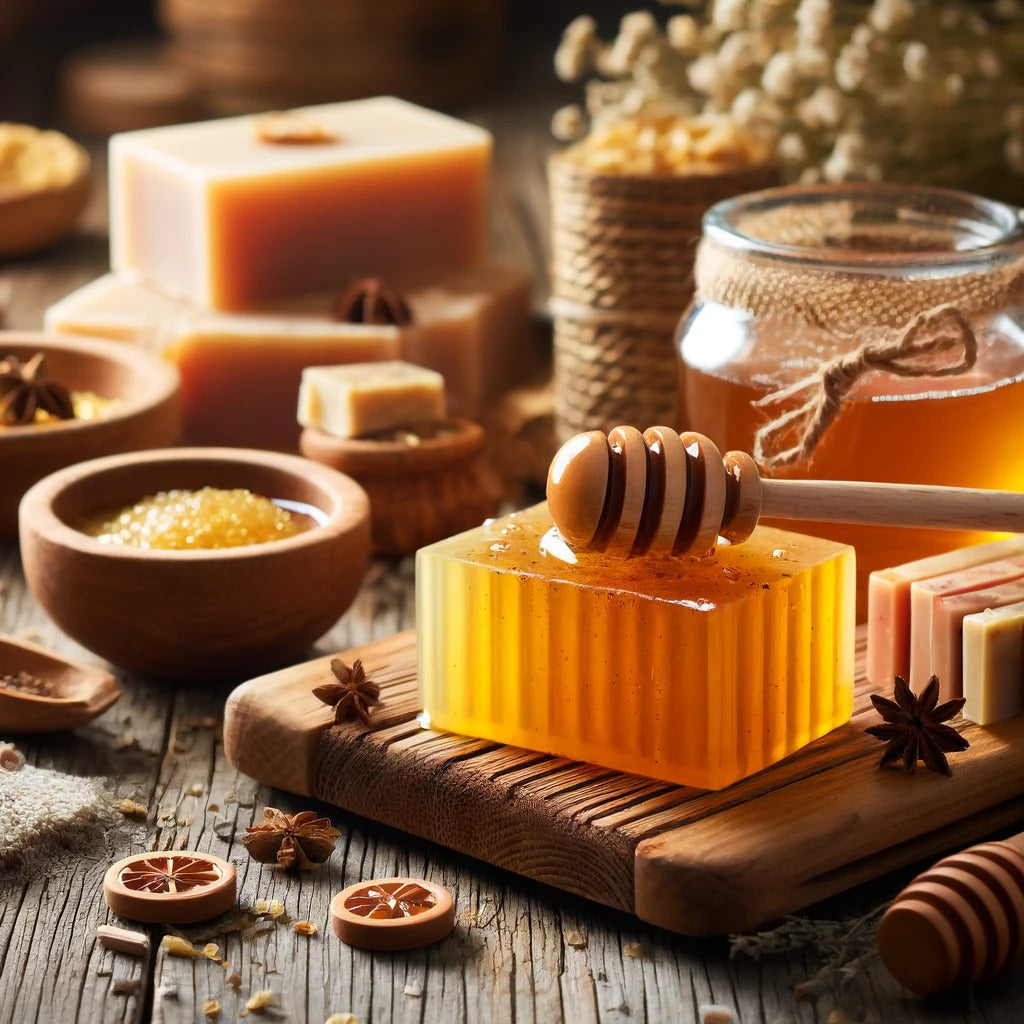
Incorporating honey into your soap recipes not only boosts the lather quality but also brings the moisturizing benefits of a natural humectant, which helps attract moisture to the skin. This makes honey soap particularly nourishing. However, it's important to use honey judiciously in cold process (CP) soap making. About a teaspoon per pound of soap base is ideal to avoid overheating or scorching your batch, which could lead to issues like cracking or even a volcanic reaction in the soap. Honey is versatile and can also be used in melt-and-pour soap recipes, though the amount should be reduced to between 1/8 to 1/2 teaspoon per pound to prevent issues like glycerin dew or a spongy texture. When adding honey to your soap, whether it's a honey soap recipe for cold process or melt and pour, the method is key. For CP soap, integrate the honey once you have reached light trace to ensure even distribution without overheating. In melt and pour, the honey should be stirred in gently after the base is fully melted. If using beeswax to harden your CP soap bars — a common practice in honey soap making — remember to melt the beeswax with your hard oils, but keep the usage rate between 2-5% to maintain good lather production. Creating visually appealing honey soaps, such as those with a honeycomb effect, can be done without specialized equipment. One creative method involves using bubble wrap. Place a piece of small-sized bubble wrap either at the bottom of your mold or on top of the poured soap in a slab or log mold. Once the soap has cooled and set, this will leave a beautiful honeycomb pattern on the surface of the bars, enhancing the artisanal appeal of your honey soap.As you explore the rewarding process of making honey soap, you may find yourself interested in expanding your repertoire. Check out our soap-making recipes or dive deeper into natural soap additives for additional benefits. These resources are designed to help you refine your craft and discover new techniques and ingredients to enhance your homemade soaps.
All About Lavender

Article

All About Lavender

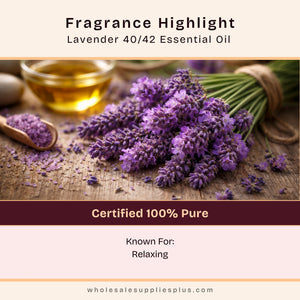
The lavender plant has been used for over 2500 hundred years and was even found in the tomb of Tutankhamen, better known as King Tut. Ancient Romans washed their body and clothes in lavender and it’s believed that lavender derived its name from the latin word lavare, which means, “to wash.” The clean, fresh sweet scent of lavender (Lavandula angustifolia) is such a soothing and familiar aroma that it is still incredibly popular today.
Fragrance Formulator: Midwest Region Scents

Article

Fragrance Formulator: Midwest Region Scents

Fragrance Fomulator oils have a specific molecular composition, which allows them to be successfully used as single note scents or blended for custom formulations. This revolutionary system has been designed by a team of scientists to allow consumers to develop their own unique scents for soaps and cosmetics. Set yourself apart from your competition with your own blends. Below are some of our custom blends that were inspired by the Midewest region of the USA!