Articles

Choking Hazards and Labeling

Article

Choking Hazards and Labeling
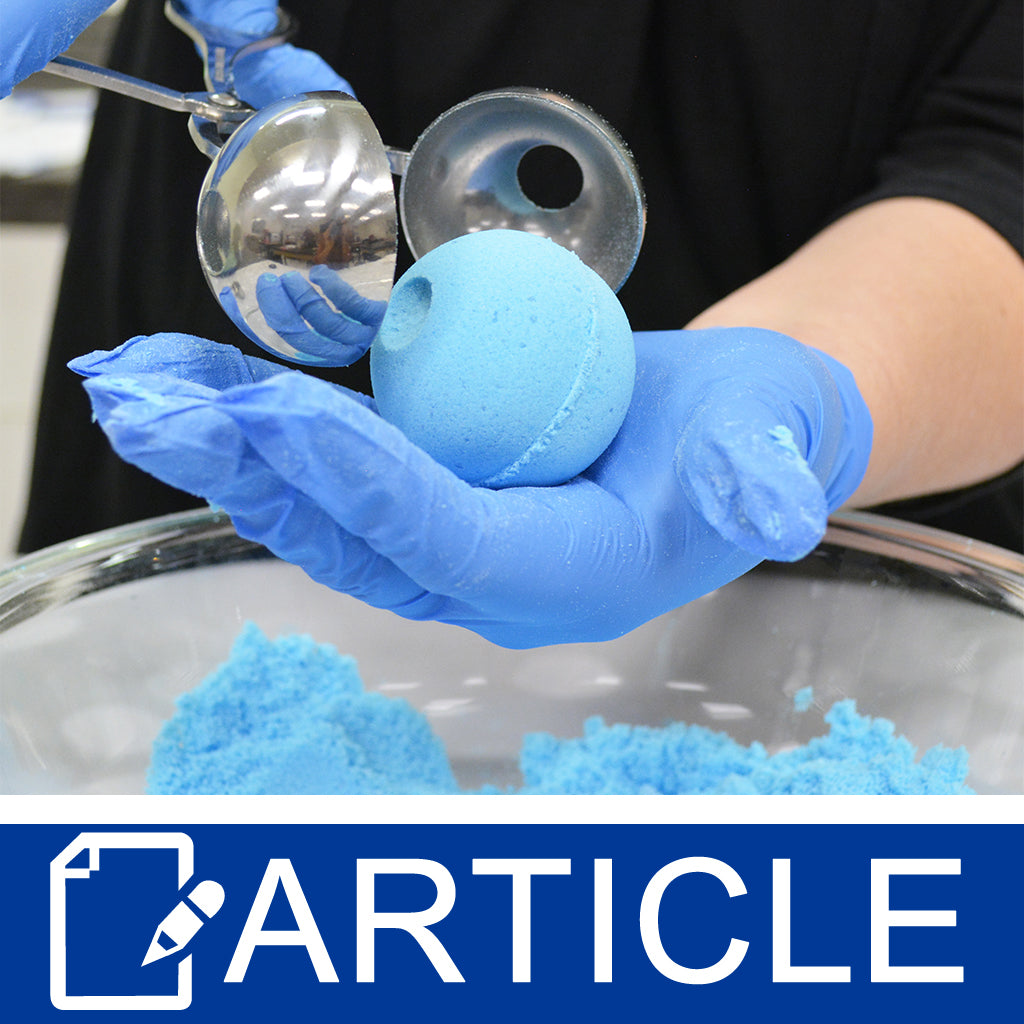
The global baby personal care market is currently valued at around USD 56 billion and is expected to grow at an annual rate of approximately 7% from 2016 to 2024. Increased awareness among consumers regarding child hygiene is a primary factor driving the increase in the baby personal care market.
How to Create the Dripping Honey Look

Article

How to Create the Dripping Honey Look
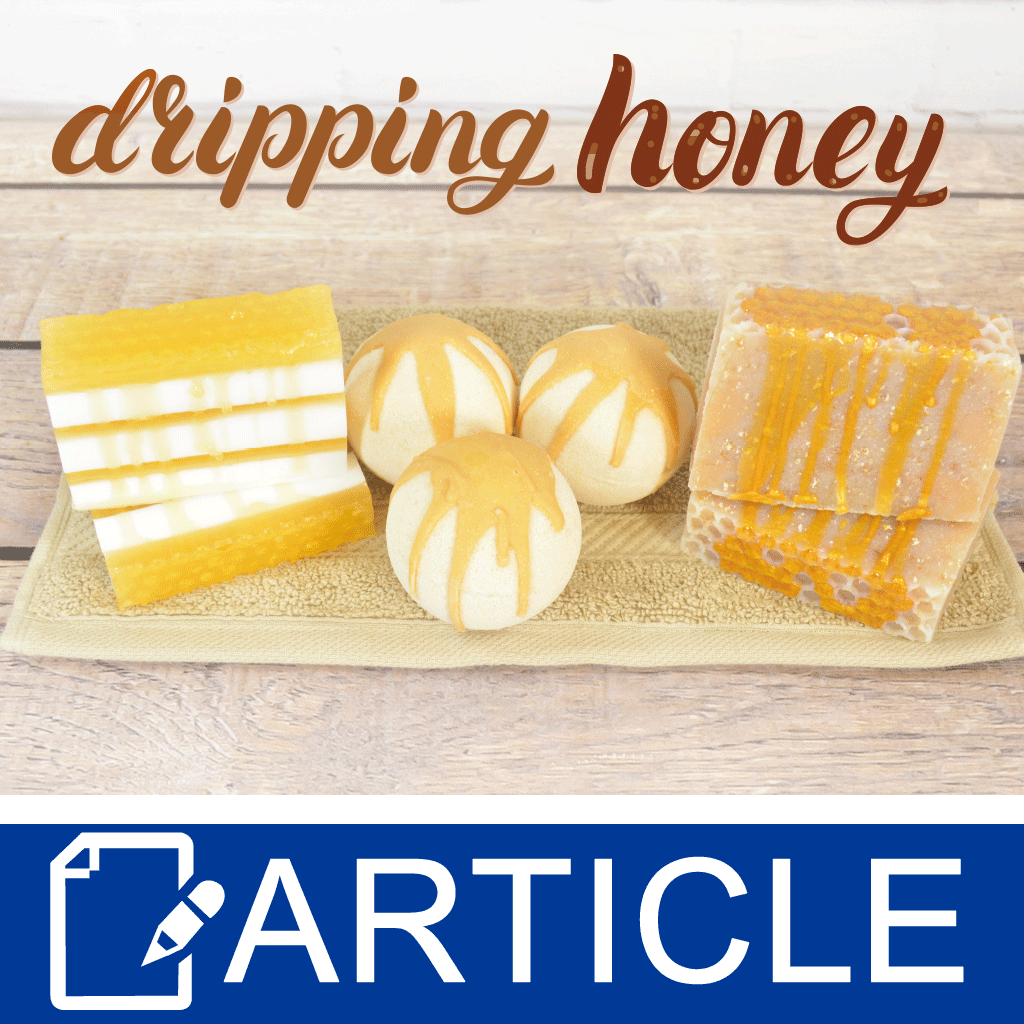
We love the smell of honey scented personal care products and the look of dripping honey pairs nicely with this trend! Real honey is too messy and sticky to drip on the side, so we combined ingredients to look and drizzle like honey. We placed bath bombs, MP soap and CP soap on trays and then drizzled the ‘honey’ on top. It worked best to move back and forth pouring mostly on the sides of the product from the top. We tried pouring only on top with the hope the excess would trickle down the sides, but we ended up with a lot of ‘honey’ on top and almost none on the sides. We also found using a soap cutter to cut the soap bars from the excess soap on the tray worked well. Each honey drizzle was made from different ingredients that paired best with the product.
Vanilla Color Stabilizer - Everything You Need To Know
Article

Vanilla Color Stabilizer - Everything You Need To Know
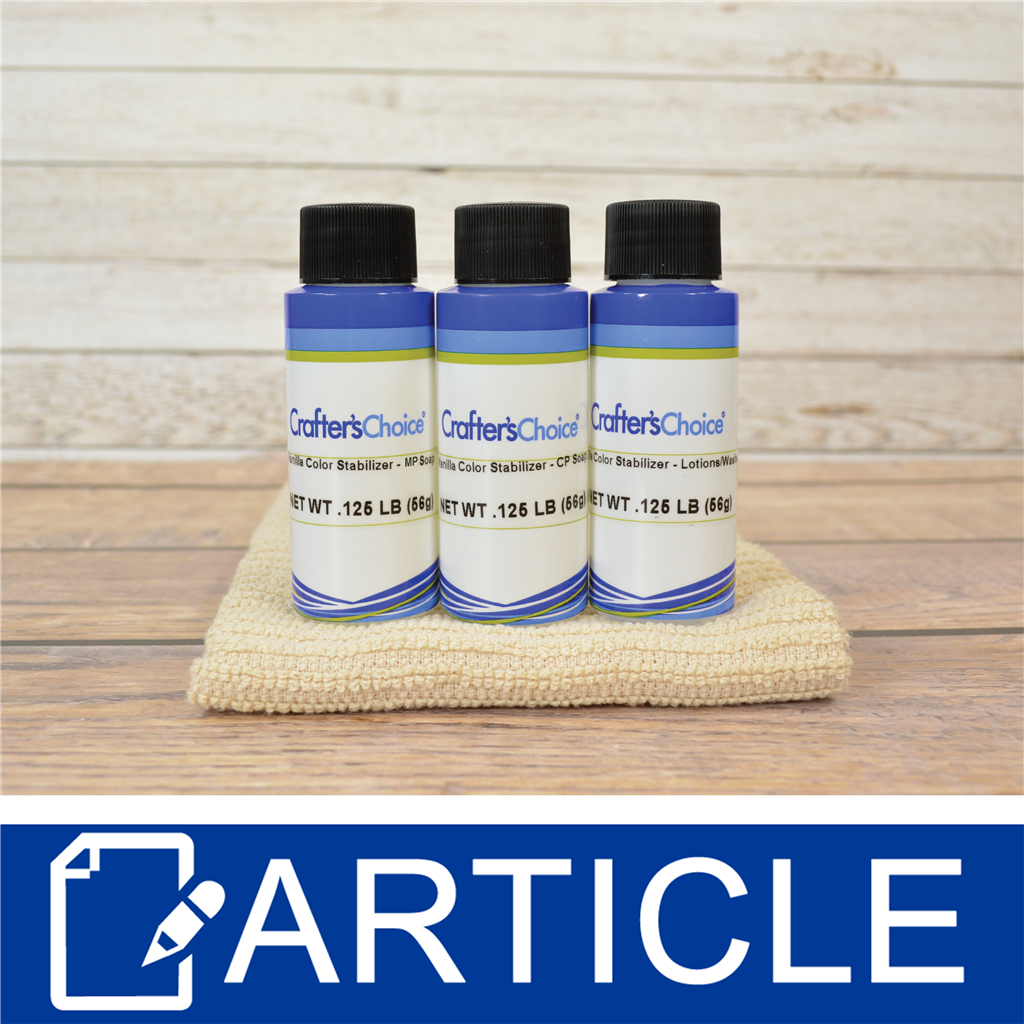
Vanilla Color Stabilizer (VCS) is a fragrance technology designed specifically for the soap and cosmetic industry. It is used in soap and cosmetics to prevent/reduce the browning of product due to vanilla content in fragrance oil. Vanilla Color Stabilizer is a proprietary blend that can be listed as “fragrance” on your label. This is because when you mix it with your chosen fragrance oil, you are technically creating a new fragrance.
Simple Secrets: Gelling CP Soap

Article

Simple Secrets: Gelling CP Soap

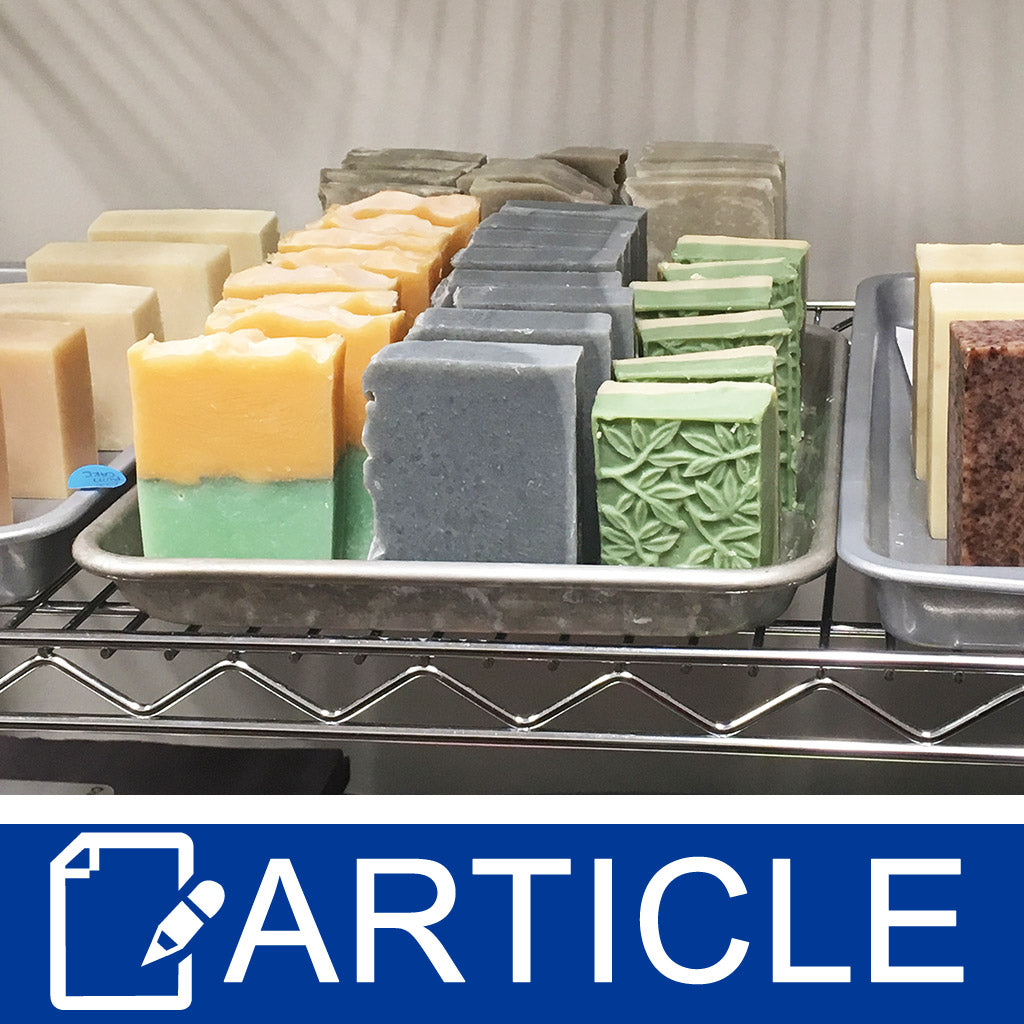
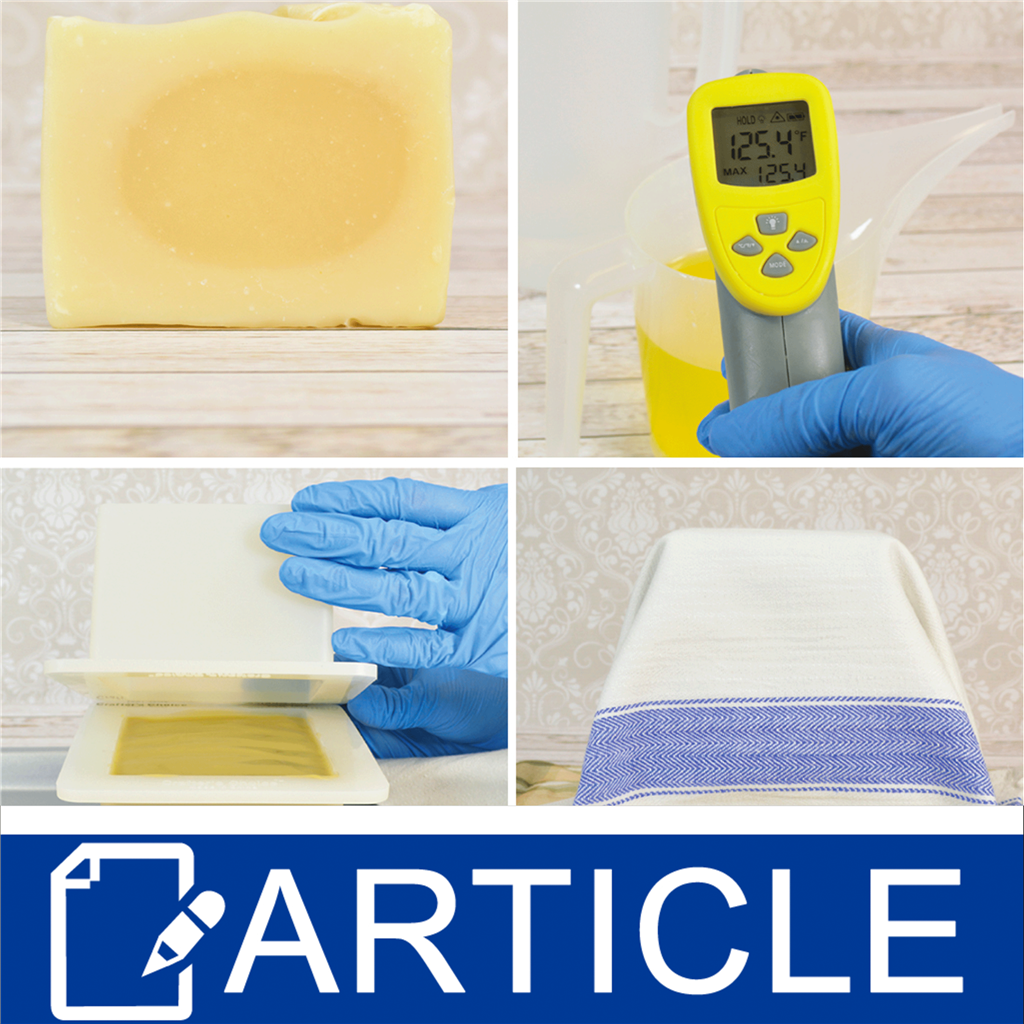
What Is Gelled Soap?Most of us learn about gelling the first time we experience a partial gel. A partial gel happens when the inside of your soap heats up enough to become gelatinous and translucent while the outside retains a cooler temperature. The resulting soap has a circle throughout it where the inside circle is brighter and the outside edges are muted. The problem is purely aesthetic. Generally, soap makers try to avoid partial gel by either gelling their soap completely or preventing the soap from gelling at all. In this column, we will discuss three ways you can force gel phase.
The Chemistry Of Hair Care

Article

The Chemistry Of Hair Care
How do shampoo, conditioner and other styling products keep our hair bouncin’ and behavin’? 
All About Gel Candles: What is a Gel Candle
Article

All About Gel Candles: What is a Gel Candle
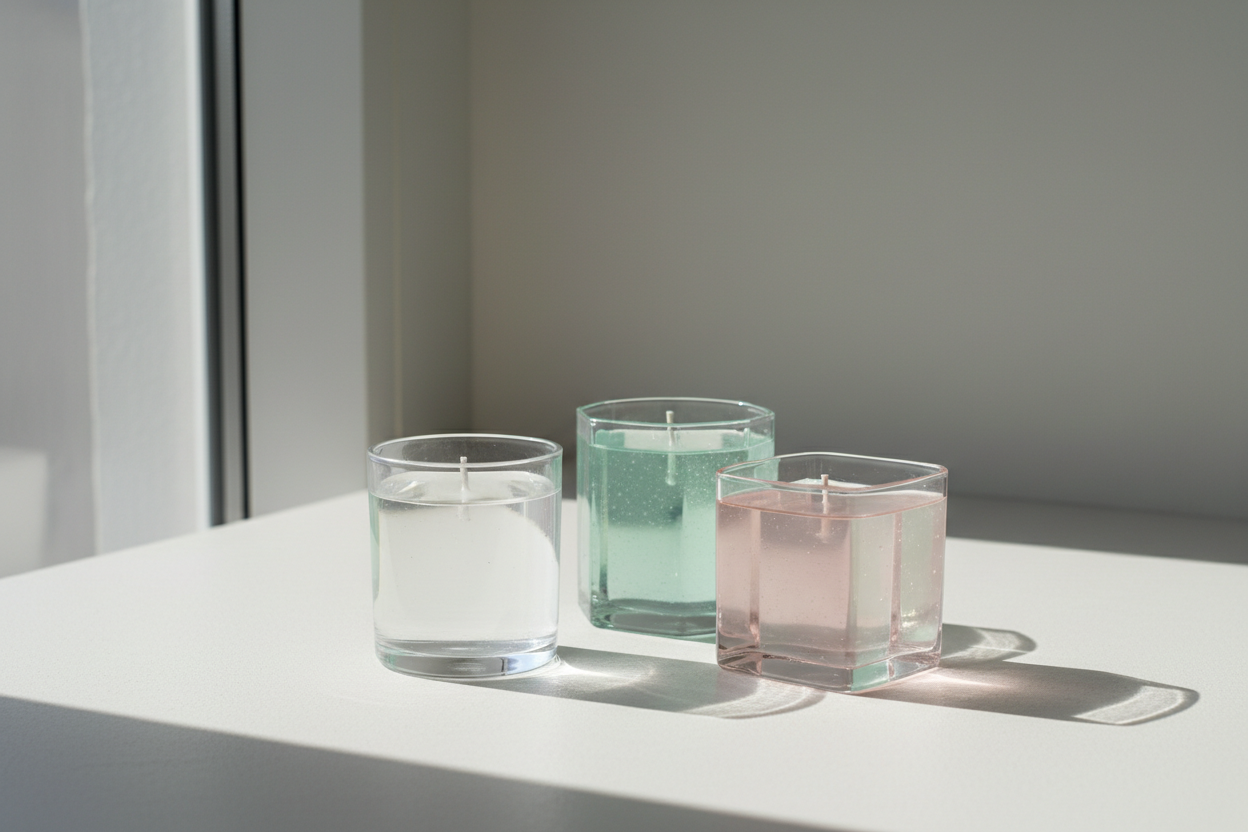
What is a Gel Candle?Gel candles are crafted from a unique combination of polymer resin and mineral oil, carefully cut to ensure safety with respect to the flash point. When this gel is combined with a wick in a container, it creates exquisite transparent candles. The clarity of the gel allows it to emit about 40% more luminescence than regular paraffin wax, offering endless creative possibilities for candle makers. Mixing and Blending IngredientsTo make your own gel wax, you’ll need to mix the compound ingredients of mineral oil and resin. Ensure you follow safety guidelines, as Penreco holds the patent for gel wax (US Patent 5,879,694). Here are the basic temperature guidelines for working with gel: Mixing and blending: 203-221°F Pouring: 185-203°F Loss of air bubbles: 167-185°F Gel structure formation: 140-167°F Oven temperature for air bubble removal: 131-158°F Selecting Glassware and WicksChoose glassware that can withstand hot liquids, such as votive glasses, tumblers, and brandy snifters. Avoid thin glassware to prevent breaking. When selecting wicks, zinc-cored wicks are recommended as they stand straight in hot gel. Trim wicks to less than 1/4" above the gel surface to ensure safe burning.Adding Fragrance OilsUse only non-polar fragrance oils with a flash point of 170°F or higher. Non-polar fragrances are essential for maintaining the safety and stability of the gel. Penreco recommends the following scent percentages for their Versagel™: Low Density Gel: 0-3% Medium Density Gel: 3%-5% High Density Gel: Up to 6% Embedding ObjectsFor decorative purposes, use nonflammable items such as seashells, glass figures, marbles, and ceramic figures. Avoid using flammable materials like wood, plastic, and dried flowers. Dip objects in gel wax before embedding to prevent bubbles. Long-Lasting BurnGel candles burn at least twice as long as paraffin wax candles. However, to maintain a good melt pool, larger wicks are required. Ensure thorough testing of your candles before selling to ensure consistent quality and performance.Higher LuminescenceDue to the clarity of the gel, these candles emit about 40% more luminescence than paraffin wax candles, making them an attractive and bright addition to any space. Are Gel Candles Safe?Yes! When using non-polar fragrance oils, the correct wick, and following recommended procedures, gel candles are as safe as any other candle. Always use caution with naked flames and educate others on candle safety.How Long Do Gel Candles Burn?Gel candles burn at least twice as long as paraffin wax candles. Ensure larger wicks are used to sustain a good melt pool. Mass-produced gel candles in discount stores may fizzle out quickly due to small wicks.Can I Make Gel Wax Myself?Making gel wax requires buying and mixing mineral oil and resin. Penreco’s specific cut of mineral oil ensures safety regarding the flash point. Market-available mineral oil may not meet these safety standards, so the end product’s safety rests with you.What Grade of Gel is Best?There are three grades of gel: high (HP), medium (MP), and low (LP). The medium grade (MP) is most popular for its balance of fragrance capacity and firmness. High grade (HP) holds more fragrance and is stiffer, allowing for heavier embeds and less shifting during shipping.Do I Need Specific Glassware?Use glassware suitable for hot liquids, such as votive glasses, tumblers, and champagne flutes. Avoid using wood and plastic materials, as they can be porous or melt.Can I Use Any Candle Fragrance Oil?No. Only use non-polar fragrance oils with a flash point of 170°F or higher. Polar fragrances can lower the flash point of the gel, making it unsafe. Ensure thorough mixing to avoid scent pockets and flares.How Do I Get Rid of Bubbles?Hotter pours and preheating glassware can help reduce unwanted bubbles. Use metal spoons for stirring and pour gently to minimize bubbles. A heat gun or pencil torch can remove surface bubbles after pouring.How Do I Package and Label My Candles?Packaging should be professional and attractive, using materials like cello bags, tulle, and shrink wrap. Labels should include your company name, contact information, candle weight, burn time, scent name, price, and burning/caution instructions.By following these guidelines and best practices, you can create beautiful, safe, and long-lasting gel candles. Enjoy the process and let your creativity shine!
Rosemary In Skincare

Article

Rosemary In Skincare
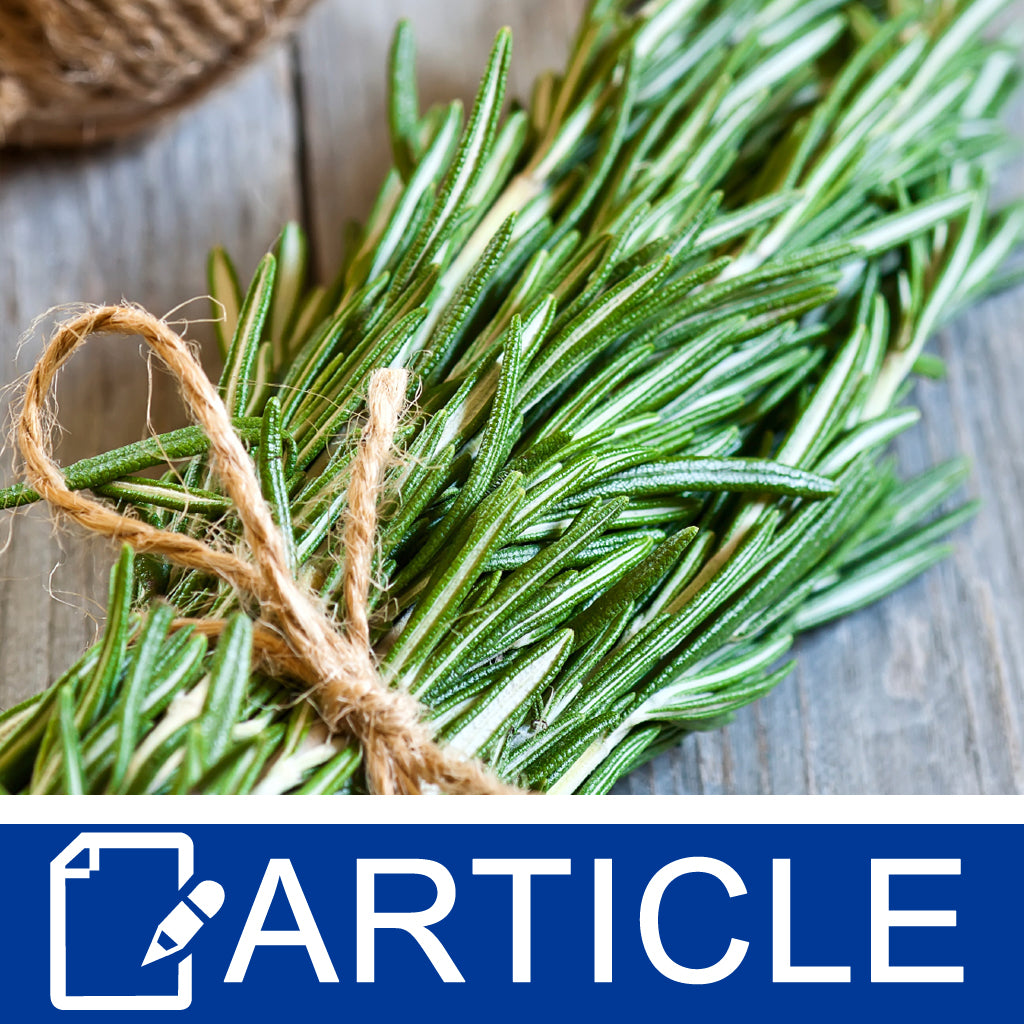
Rosemary is widely known for its use as a culinary herb. Rosmarinus officinalis is a woody, perennial with fragrant, needle-like leaves (similar to evergreen trees) and small white, pink, purple or blue flowers. Native to the Mediterranean, rosemary is a member of the mint family. Rosemary is often used as a decorative plant in gardens where it may exhibit pest control effects, while the leaves are frequently harvested and used to flavor various foods.
Best Candle Making Kits

Article

Best Candle Making Kits
Candle making is a timeless craft that allows you to create personalized, high-quality candles right at home. Whether you're a beginner or an experienced enthusiast, choosing the right candle making kit is essential for a successful and enjoyable experience. In this guide, we'll explore the best candle making kits, providing details on their contents, skill levels, and specific features. Additionally, we'll share easy instructions for a basic candle making kit and discuss the benefits of crafting candles at home.
How To Choose Scents That Sell

Article

How To Choose Scents That Sell

Next to packaging, a product’s scent is one of the most important components a consumer considers when forming a positive or negative opinion. When choosing a fragrance for your brand it’s necessary to convey a distinct message, know what you want the consumer to feel and understand what fragrances have already worked for other, similar brands.
How To Add Hours To Your Work Week, Really!

Article

How To Add Hours To Your Work Week, Really!
How many times a day would you say you’re distracted from your work? Five? Ten? If you have children at home, probably a lot! Any idea how costly these distractions really are? U.S. businesses lose nearly $600 billion a year, according to a Basex study.Money aside, frequent interruptions and other distractions increase stress, which may lead to depression and other illnesses. Never underestimate the destructive power of stress.Let’s break this down. Did you know that a five-minute interruption robs you of much more than a mere five minutes? Nope.  It takes the human brain about seven to refocus, so you’re looking at a whopping twelve minutes!

Article

Secret Garden Bath Tea Recipe Video
This video demonstrates how to make bath tea. Use bath teas for their skin loving ingredients and natural aromas to create a spa-esque bath-time experience. The Epsom salt used in this recipe is thought to make you look better, feel better, and have more energy. Customers will love it!
Embracing Natural Ingredients in Skincare: Carrot & Lemongrass Soap

Article

Embracing Natural Ingredients in Skincare: Carrot & Lemongrass Soap
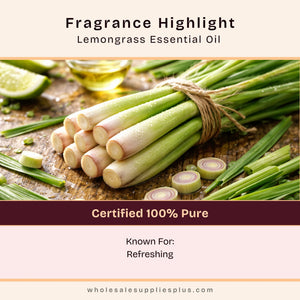
Embracing natural ingredients in skincare goes beyond the simple act of cleaning; it's about nourishing your skin with what nature has to offer. The integration of ingredients like carrot and lemongrass into your skincare regimen brings a holistic approach to beauty, focusing on long-term health and rejuvenation. Carrots, rich in vitamins and antioxidants, provide deep nourishment and protect the skin from environmental stressors, while lemongrass, with its refreshing and cleansing properties, offers a bright, clear complexion and a soothing aroma. Together, these ingredients create a synergistic effect, enhancing each other's benefits and offering a comprehensive skincare solution. This approach not only aligns with a more sustainable and eco-friendly lifestyle but also taps into the ancient wisdom of using natural elements for beauty and wellness. By incorporating these elements into homemade soap, you embrace a practice that is both artful and beneficial, turning routine cleansing into a nurturing ritual that supports the skin's natural balance and radiance. It's important to highlight that the inclusion of carrot offers more than just superficial advantages. Carrots are a powerhouse of nutrients, including vitamin A from beta-carotene, which is believed to be crucial for skin health. This vitamin is known to assist in repairing skin tissue and protecting against the sun's harsh rays, and helps reduce signs of aging to provide a natural glow. Moreover, carrots contain vitamins C and E, known for their ability to moisturize and heal the skin, respectively. Vitamin C boosts collagen production, improving elasticity and firmness, while vitamin E provides a protective barrier against environmental damage. The natural antioxidants in carrots fight against free radicals, and are said to reduce the appearance of fine lines and wrinkles, making carrot soap an excellent choice for maintaining youthful, radiant skin. When crafted into a soap, these nutrients are gently delivered to the skin with each use, and are known to offer a therapeutic and rejuvenating experience that goes beyond mere cleansing. When it comes to the benefits of lemongrass in soap, this natural ingredient stands out not only for its refreshing and uplifting aroma but also for its potential skin care properties. Lemongrass oil is said to tighten and tone the skin, contributing to a clearer and more youthful appearance. Its astringent qualities have the potential to help minimize pores and control oil production, making it an excellent choice for those with oily or acne-prone skin. Furthermore, the antiseptic and antibacterial effects of lemongrass are known to help in combating skin infections and can aid in the healing process of wounds. By incorporating lemongrass into your homemade soap, you're not just getting the benefit of a pleasant scent; you're also leveraging its full spectrum of potentially skin-enhancing qualities. This makes lemongrass bar soap an ideal solution for maintaining healthy, vibrant skin. Can I use this soap recipe for sensitive skin?Yes, the natural ingredients in this carrot and lemongrass soap recipe are generally suitable for sensitive skin. However, always patch test before full application.How long does homemade soap last?Properly cured and stored, homemade soap can last several months. Ensure it's kept dry between uses to extend its lifespan.Can I add other natural ingredients to this soap recipe?Absolutely! Feel free to experiment by adding other natural ingredients like honey or oats for added skin benefits. Just ensure to adjust the recipe accordingly to maintain the balance of oils and lye.