Articles

Easter Eggs in Basket MP Soap Recipe Video

Article

Easter Eggs in Basket MP Soap Recipe Video
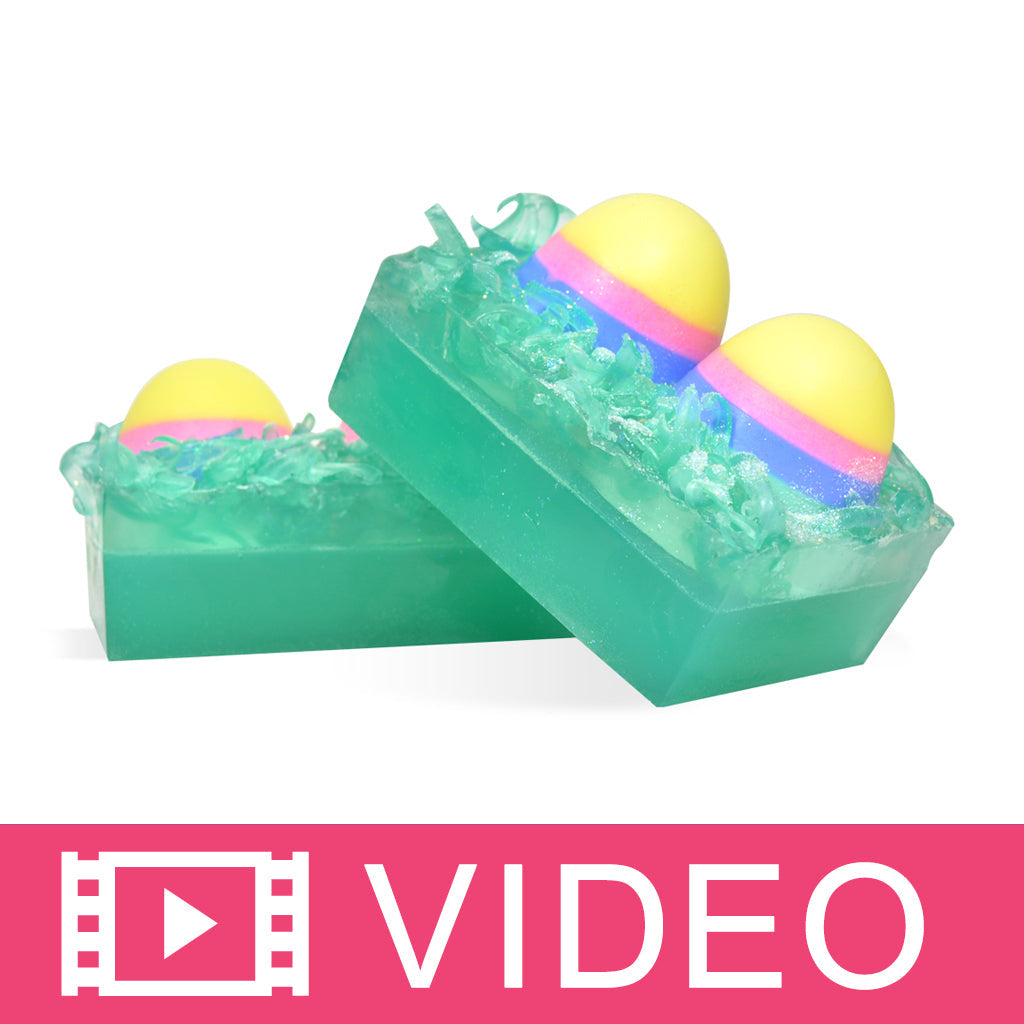
Learn to make Easter eggs in a basket melt and pour soap. This cute soap has two colorful soap eggs sitting on top of teal grass-like soap. The bright colors are appealing to children, and parents will love to include this in their child's Easter basket. Celebrate spring and Easter with this fun and festive recipe!
Tips for a Successful Group Fundraising

Article

Tips for a Successful Group Fundraising
My husband, Raymond, and I started offering our free youth programs, Rated T for Teen, through our local library in 2005. We started with a monthly games night, but expanded the next year to include a weekly craft group, and monthly video games and anime clubs. Initially, we had financial support from the library, but we had to find another way to raise money to pay for the games, food, craft supplies, and more.
The Soapmaking Melting Pot

Article

The Soapmaking Melting Pot
The world of handcrafted soap is delightfully diverse. There are hard core enthusiasts who are not satisfied until they make their own lye from wood ashes. There are children crafting soap from kits sold in the toy department of big box stores. There are family operations producing soap in 100-lb blocks, cutting, packaging, and shipping their own unique creations to far-flung reaches of the country, and even the world. There are hobbyists cooking soap in crock pots for family and friends. What everyone in this melting pot shares is a love and respect for the miracle of soap. 
New Products! Spa Socks, Matcha, Unicorn Molds & More

Article

New Products! Spa Socks, Matcha, Unicorn Molds & More
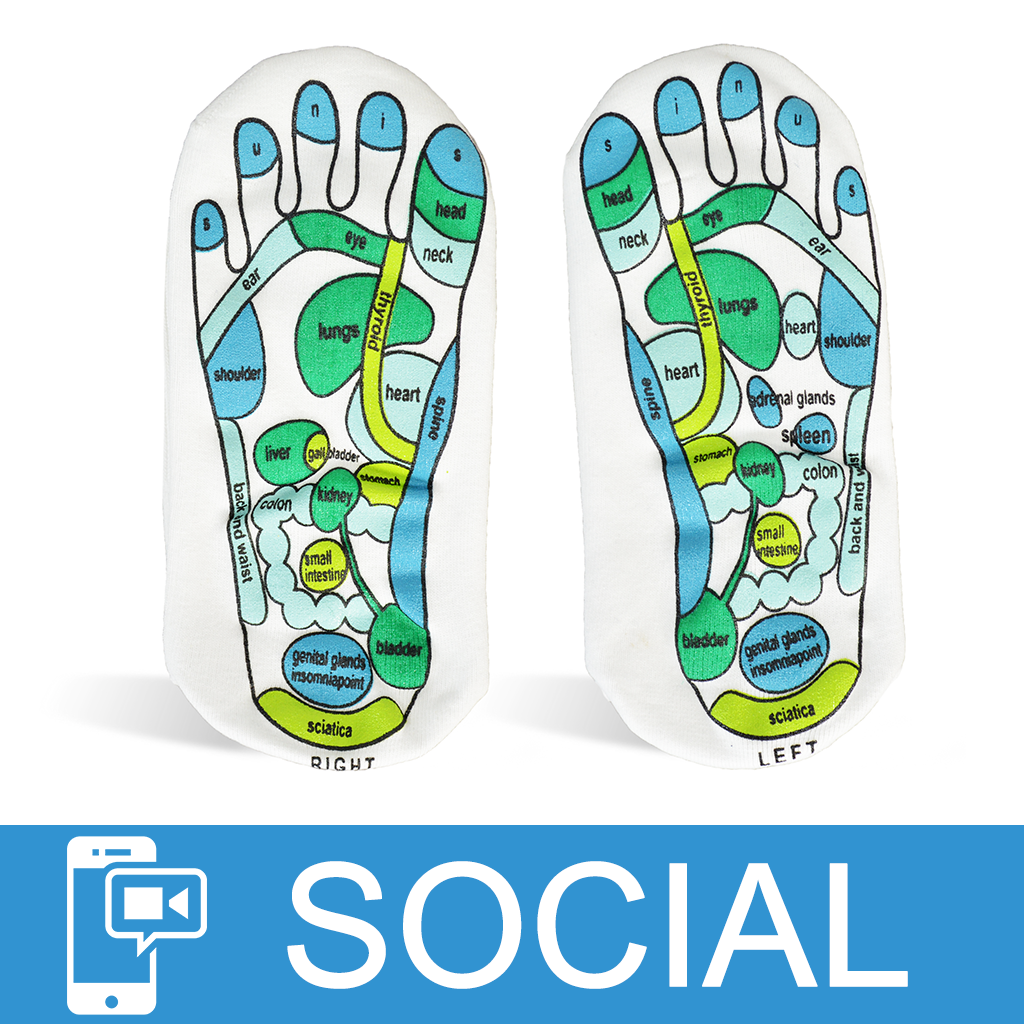
Debbie May, president of Wholesale Supplies Plus, talks about new products! The purchasing department has been working hard to bring you the products you requested. Spa socks, galaxy glitter, lavender powder, matcha powder, green tea powder, Jojoba milk, Wilton sprinkles, new molds, new 8 oz. fragrances and off spec soap are all discussed in this video. Debbie also talks about Handmade Conference 2018 and gives you the scoop on what to expect!
Formulating Cosmetics For The Lips

Article

Formulating Cosmetics For The Lips
Physiologically unique, the lips are predisposed to be the driest spot on our face or body. While the face is covered in a relatively thick, protective layer of skin, the lips are vulnerable in comparison. The top corneum layer of the lip is about 3-4 layers thick (very thin) when compared to typical facial skin that generally has 15 to 16 layers.
What Is Jojoba Milk?

Article

What Is Jojoba Milk?
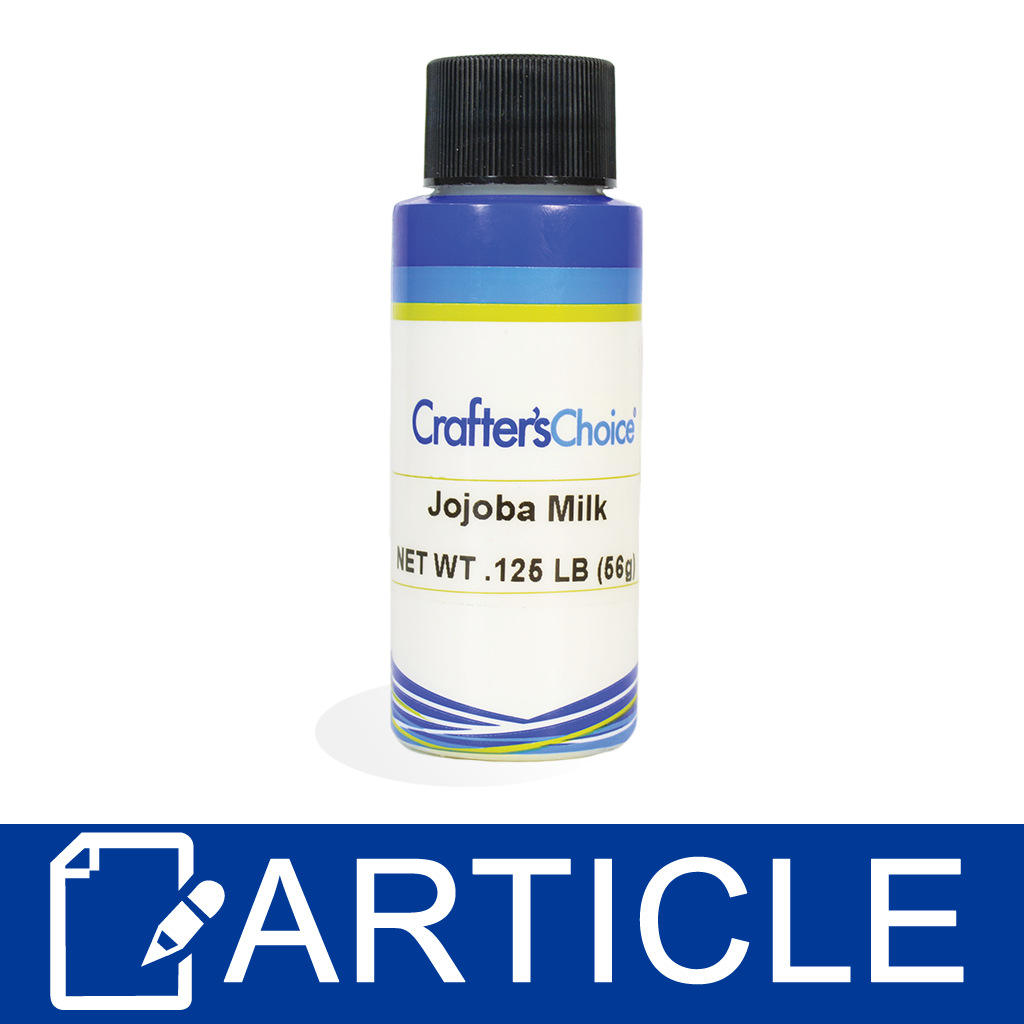
While Jojoba in and of itself is not new to the soaping industry, Jojoba Milk is a slightly more exotic ingredient that few crafters know about. It’s actually an emulsion of Jojoba Oil and skin loving additives that create a smooth and creamy, milk-like fluid.
How to Build and Manage Your Online Reputation

Article

How to Build and Manage Your Online Reputation
In addition to popular social media tools like Google +, Facebook, Twitter, and FourSquare, there are many inexpensive ways to tell your prospects and customers what your business does, where you’re located, and what other customers think. Need proof behind the power of online word of mouth marketing?
Jumpstart Our Business Startups (JOBS) Act

Article

Jumpstart Our Business Startups (JOBS) Act
The JOBS act signed into law in April 2012 is designed to enable businesses to raise startup and operating capital. It reduces the burden of certain securities regulations to promote equity “crowdfunding” as a viable funding source.

Article

What is Castile Soap? A Guide for Crafters

Castile soap is a traditional, natural soap made with 100% olive oil, water, and lye. Known for its creamy lather and gentle cleansing properties, it’s ideal for people with sensitive skin or allergies. With just a few simple ingredients, castile soap is highly versatile, offering a minimalist yet effective approach to skincare. While many castile soap bars are left fragrance-free and color-free to suit sensitive skin, they can also be customized with scents and colors for a personalized touch. This guide will walk you through what castile soap is, what it’s made of, and how to make your own. At its core, castile soap is made of: Olive Oil: The star ingredient, responsible for the soap’s gentle and moisturizing properties. Water: Helps dissolve the lye and incorporate it into the soap batter. Lye: A necessary component for the saponification process, which turns oils into soap. The simplicity of these ingredients makes castile soap hypoallergenic and widely tolerated. For eco-conscious consumers, it’s also an excellent choice because it uses plant-based oils instead of animal fats. Choosing the right olive oil affects the appearance, texture, and curing time of your soap. Here’s a breakdown: Refined A Olive Oil: Produces the whitest soap bars but takes longer to trace during the soap-making process. Pomace Olive Oil: A cost-effective option that creates creamy white soap and reaches trace relatively quickly. Extra Virgin Olive Oil: Results in a slightly yellow bar and requires more time to reach trace, but it’s prized for its purity. Pro Tip:Always buy olive oil from a reputable supplier to ensure it’s 100% pure and not diluted with cheaper oils. Quality olive oil contributes to the overall performance and feel of your finished soap. Castile soap offers a range of benefits, making it a favorite among soap makers and users alike: Gentle Cleansing: Perfect for sensitive skin, including babies and those prone to allergies. Moisturizing: The high olive oil content leaves skin feeling soft and hydrated. Versatile: Can be used as body soap, shampoo, facial cleanser, or even household cleaning products. Customizable: Easily tailored with essential oils, natural colorants, and exfoliants like oatmeal or clay. One of the greatest appeals of castile soap is its versatility. Common uses include: Skincare: Use as a gentle face wash or body bar. Haircare: Create a mild shampoo bar for a nourishing cleanse. Household Cleaning: Melt down and dilute for use as a natural dish soap or surface cleaner. Because olive oil-based soaps are naturally softer during the initial stages, using a water discount is highly recommended. Reducing the amount of water speeds up the hardening process, making it easier to unmold and cut the soap. A ratio of 1.5 parts water to 1 part lye works well for most castile recipes. Some soap makers also add sodium lactate for extra firmness. Unlike traditional cold process soaps that cure in 4–6 weeks, castile soap requires an extended curing period due to its high liquid oil content. Allow at least six months for the soap to fully cure and develop optimal hardness. For the best results, let the bars cure for up to a year. This extended time ensures a firm, long-lasting bar with a balanced pH. Can I Add Other Oils to Castile Soap?Traditional castile soap uses 100% olive oil, but some modern adaptations include small amounts of coconut or castor oil for added lather. Keep in mind, this technically makes it a "Bastille soap" rather than true Castile.Is Castile Soap Vegan?Yes! Castile soap is entirely plant-based and free from animal fats, making it a vegan-friendly choice.What Are Common Mistakes When Making Castile Soap? Skipping the Water Discount: Leads to a very soft soap that’s difficult to unmold. Rushing the Curing Process: Premature use results in a bar that dissolves too quickly. Not Properly Mixing: Olive oil takes longer to trace, so patience is key. Can I Add Fragrance or Color to Castile Soap?Yes! Essential oils, fragrance oils, and natural colorants like clays or plant powders can be added for customization. Just ensure that any additives are skin-safe.Why is My Castile Soap Slimy?Pure castile soap can feel slimy during use because of its high olive oil content. Extended curing time and proper storage help reduce this texture. Understanding what castile soap is and what it’s made of is the first step in mastering this timeless soap-making tradition. Its gentle cleansing, moisturizing properties, and adaptability make it a favorite for both beginners and experienced crafters. Whether you’re creating bars for personal use or to sell, Castile soap is a wonderful addition to any soap maker’s repertoire.For high-quality ingredients like olive oil, hyaluronic acid, and other soap-making essentials, Wholesale Supplies Plus has you covered. Explore our selection of products to start crafting your perfect bar of castile soap today!
Ways to Connect With Customers Through Email

Article

Ways to Connect With Customers Through Email
Email marketing can be one of the most cost-effective means of reaching your customers, an effective strategy starts with getting your email noticed among the sea of electronic communications. Here are four clever ways to connect with your customers through email.
Simple Secrets: Creating Custom Molds

Article

Simple Secrets: Creating Custom Molds
Why Create Custom Molds?Special occasions often call for special molds. While there are many different love and wedding mold options available for weddings, sometimes you're looking for something more personalized. Ordering a custom mold is an option (usually a pricey one), but you can also make one yourself! In this short article, we will show you how we made our own molds to create these guest-sized soaps.
Melt and Pour Soap Ingredients

Article

Melt and Pour Soap Ingredients
It is very important to educate yourself and your customers about what is in your products. Consumers are becoming more and more wary of reading labels and learning about the ingredients that make up their body care purchases, especially when purchasing handmade items. The following are some of the more common MP Soap Base ingredients.