Articles

Shampoo Bars: Should You Go Solid?

Article

Shampoo Bars: Should You Go Solid?
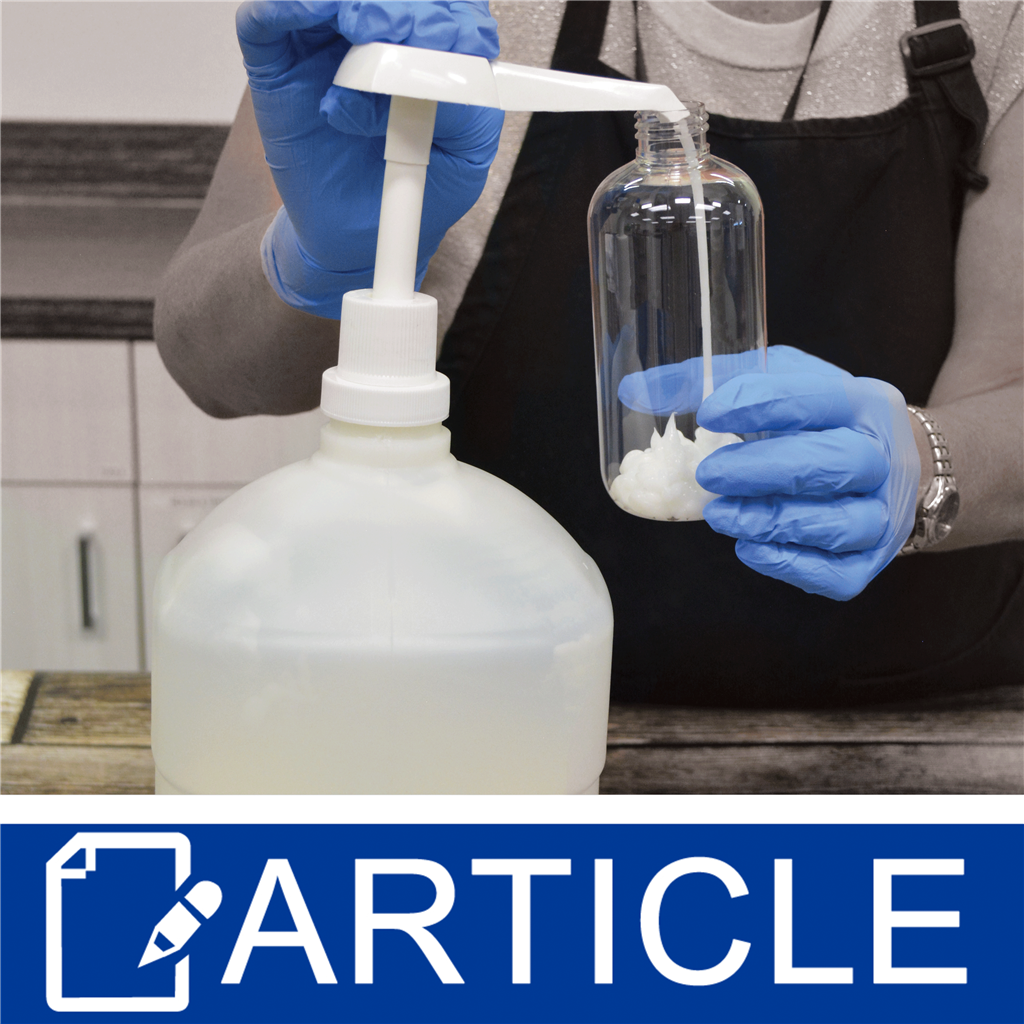
Shampoo bars are one of my favorite things in life. Pretty dramatic, but true! It’s incredibly hard to find shampoo designed for oily hair, and after my first use, my hair felt clean for the first time in years! Not only are they package-less and environmentally friendly, but you’ll find you use far less product as it goes exactly where you want it to go instead of slipping through your fingers. It’s a must around the house and on vacation to act as a 3-in-1 shampoo, conditioner and body wash.
Filling Lotion Bottles - Tips and Tricks

Article

Filling Lotion Bottles - Tips and Tricks
Lotion is a popular product and can be an easy addition to your product line. Unfortunately the most difficult part of lotion making can often be the final step, packaging. Although this may not be a big issue when you are making small batches, it can be especially tricky when you start producing on a larger scale. Here are some of our favorite tips and tricks for filling those pesky lotion bottles! 
New What Are the Benefits of Kaolin Clay?
Article

New What Are the Benefits of Kaolin Clay?
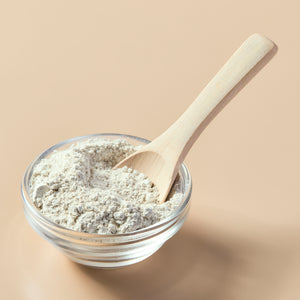
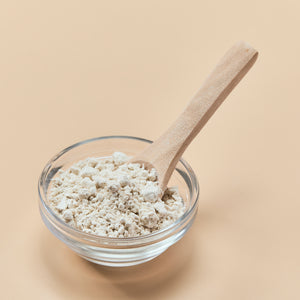
Kaolin clay has been used for centuries in skincare and wellness routines, prized for its gentle yet effective properties. This versatile clay is known for its ability to cleanse, soothe, and improve skin and hair texture. Kaolin clay, or white clay, is a naturally occurring mineral rich in silica and other trace minerals. This soft, fine clay is mined from the earth and is named after the region of Kao-ling in China, where it was first discovered. It has a mild, smooth texture, making it ideal for sensitive skin and various DIY skincare applications. So, what is kaolin clay used for? It is often used as a base for masks, scrubs, and other gentle skincare treatments because it can draw out impurities without stripping the skin of its natural moisture. The benefits of kaolin clay for skin are numerous, making it a popular ingredient in many natural skincare products: Gentle Exfoliation: Kaolin clay is an excellent exfoliant, removing dead skin cells and leaving the skin smooth without irritation. Oil Absorption: It helps to balance oily skin by absorbing excess sebum, making it ideal for those who struggle with shine and clogged pores. Soothing Properties: Kaolin clay is known for its anti-inflammatory properties, which can help to calm redness and irritation, especially in sensitive skin. Purifying Effects: Kaolin clay can help detoxify the skin by drawing out impurities, pollutants, and toxins, giving it a healthy, refreshed glow. Beyond skincare, kaolin clay benefits extend to hair care as well. Here’s how it can help improve your hair and scalp: Cleansing the Scalp: Kaolin clay acts as a natural cleanser, helping to remove buildup from hair products and excess oils from the scalp. Improving Scalp Health: Kaolin clay can help reduce dandruff and promote a balanced environment for hair growth by gently exfoliating the scalp. Volumizing Effect: Kaolin clay's light, airy nature can add volume and body to hair, making it a great addition to DIY dry shampoos and hair masks. Incorporating kaolin clay into your skincare routine is simple and effective. Here are a few DIY recipes using kaolin clay: Kaolin Clay Face Mask: Mix 1 tablespoon of kaolin clay with 2 tablespoons of rose water. Apply to clean skin and let it sit for 10-15 minutes before rinsing off. This mask helps to soothe and brighten the complexion. Gentle Exfoliating Scrub: Combine 1 tablespoon of kaolin clay with 1 teaspoon of finely ground oats and a few drops of honey. Use as a gentle scrub to smooth rough patches. Detoxifying Hair Mask: Mix 2 tablespoons of kaolin clay with 2 tablespoons of apple cider vinegar and enough water to form a paste. Apply to the scalp and roots, leave on for 10 minutes, then rinse thoroughly. When comparing kaolin clay to other clays, such as bentonite or French green clay, its gentle nature sets it apart: Mildness: Kaolin clay is softer and less drying than bentonite clay, making it suitable for sensitive or dry skin. Lower Absorption: Unlike stronger clays like French green clay, kaolin is less likely to cause irritation, making it a better choice for those new to clay masks. Versatility: Its lightweight texture makes it ideal for blending with other ingredients, allowing it to be used in everything from face masks to hair treatments. Is kaolin clay suitable for all skin types? Yes, kaolin clay is known for being gentle and is suitable for all skin types, including sensitive and dry skin. How often should you use a kaolin clay mask? One to two times a week is sufficient for most skin types to reap its benefits without overdrying. Can kaolin clay help with acne? Yes, it can. It absorbs excess oils and gently exfoliates the skin, helping to keep pores clear. What is the difference between kaolin clay and bentonite clay? While both clays have purifying properties, kaolin clay is milder and better for sensitive skin. In contrast, bentonite clay has a more substantial detoxifying effect and is better suited for oily or acne-prone skin. Kaolin clay is a versatile and gentle ingredient that offers a range of benefits for skin and hair. Whether you’re looking to add a bit of extra care to your skincare routine or want to create your own natural treatments, understanding how to use kaolin clay can transform your approach to beauty. Try incorporating it into your favorite recipes and enjoy the benefits for yourself!
Ashes To Ashes

Article

Ashes To Ashes
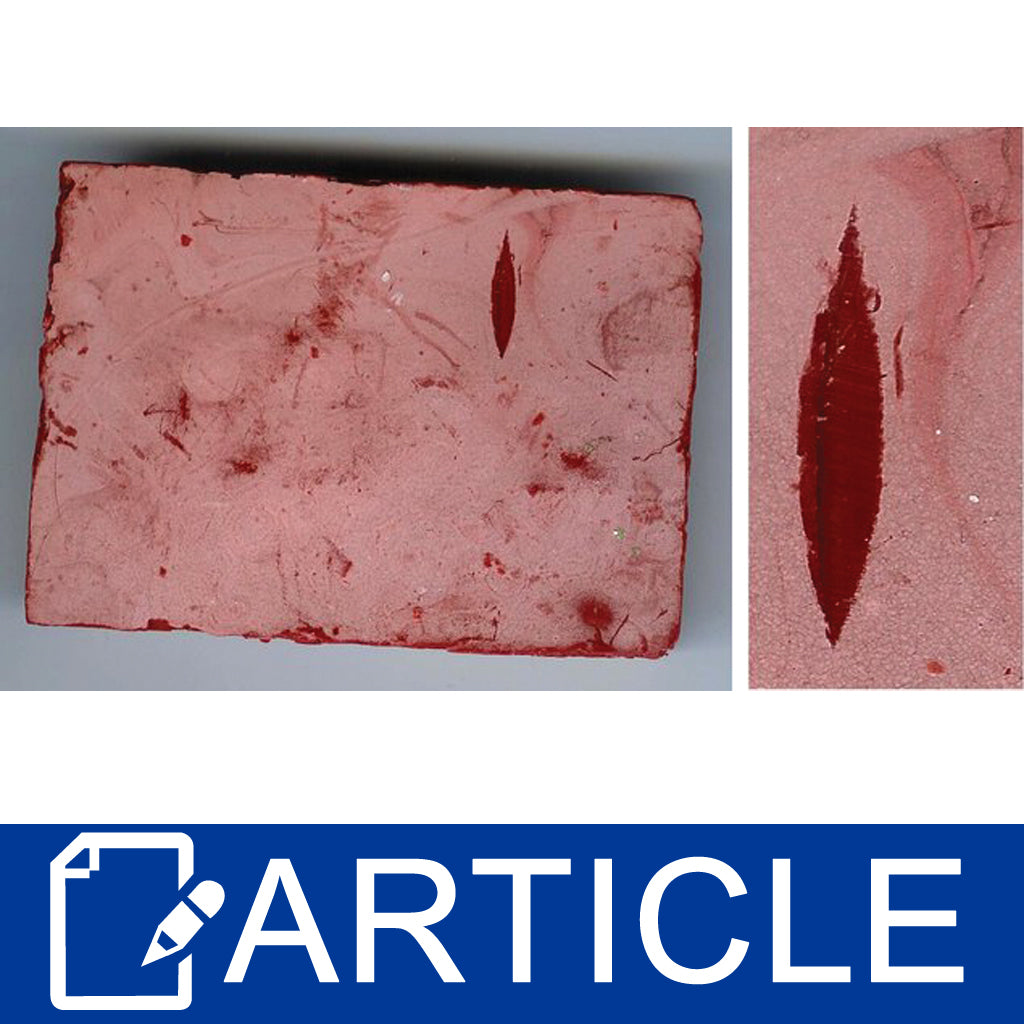
Handcrafted soapmakers sometimes encounter a layer of white crystals that appears on the surface of soap, a phenomenon they call “soda ash.” One might imagine that the term “ash” describes the ashy appearance of this layer, but it actually goes back to the dawn of industrial chemistry. Long before there were giant multinational corporations or huge manufacturing complexes, alkaline materials (lyes) were produced in the service of three commodities: glass, paper, and soap.
Edible Vs. Lip Safe - What's the Difference?
Article

Edible Vs. Lip Safe - What's the Difference?
If you have been a consumer or formulator of cosmetics for any length of time, you have likely run across cosmetic products claiming to be "made with edible ingredients." Some companies even claim their products are "so natural; you could eat them." To examine what this means, we first need to define "edible." Edible is defined as something fit to be eaten (often used to contrast with non-edible or poisonous examples). Products that are intended to be consumed are regulated by the Food division of the Food & Drug Administration. These items are not regulated quite the same as cosmetics.
Formulating Made Easy- Body Splash

Article

Formulating Made Easy- Body Splash

Body splashes are a great way to achieve a perfumey fragrance with a lighter strength. Here are some tips for formulating your own body splash recipe!
Labeling Products for Retail

Article

Labeling Products for Retail
For many, the transition between their hobby becoming a small business is fairly seamless. Once you begin selling your products, however, you need to be well versed in the regulations regarding how products must be labeled.
Cucumber For Skincare

Article

Cucumber For Skincare
Cucumbers are scientifically known as Cucumis sativus and belong to the same botanical family as melons (including watermelon and cantaloupe) and squashes (including summer squash, winter squash, zucchini and pumpkin). Cucumber is very high in water content and very low in calories, making it a popular staple at health clubs and spas. It is a creeping vine that bears cylindrical fruits that are used as culinary vegetables. Having an enclosed seed and developing from a flower, botanically speaking, cucumbers are classified as pepoes, a type of botanical berry. Much like tomatoes and squash they are often also perceived, prepared and eaten as vegetables. Even though the long, dark green, smooth-skinned garden cucumbers are familiar vegetables in the produce sections of most grocery markets, cucumbers actually come in a wide variety of colors, sizes, shapes and textures. You can find white, yellow, and even orange-colored cucumbers, and they may be short, slightly oval, or round in shape. Their skins can be smooth and thin, or thick and rough. The human olfactory response to cucumbers seems to vary. Most people report a mild, almost watery flavor or a light melon taste, while others sense a bitter taste with perfume qualities, attributable to the chemical compound, cucurbitacin.
Everything's Coming Up Rosy

Article

Everything's Coming Up Rosy
Roses aren't just a pretty flower. They are packed full of nutrients and other qualities that make them a great treatment for abraisons, burns and numerous other skin conditions.
The Buzz on Beeswax

Article

The Buzz on Beeswax
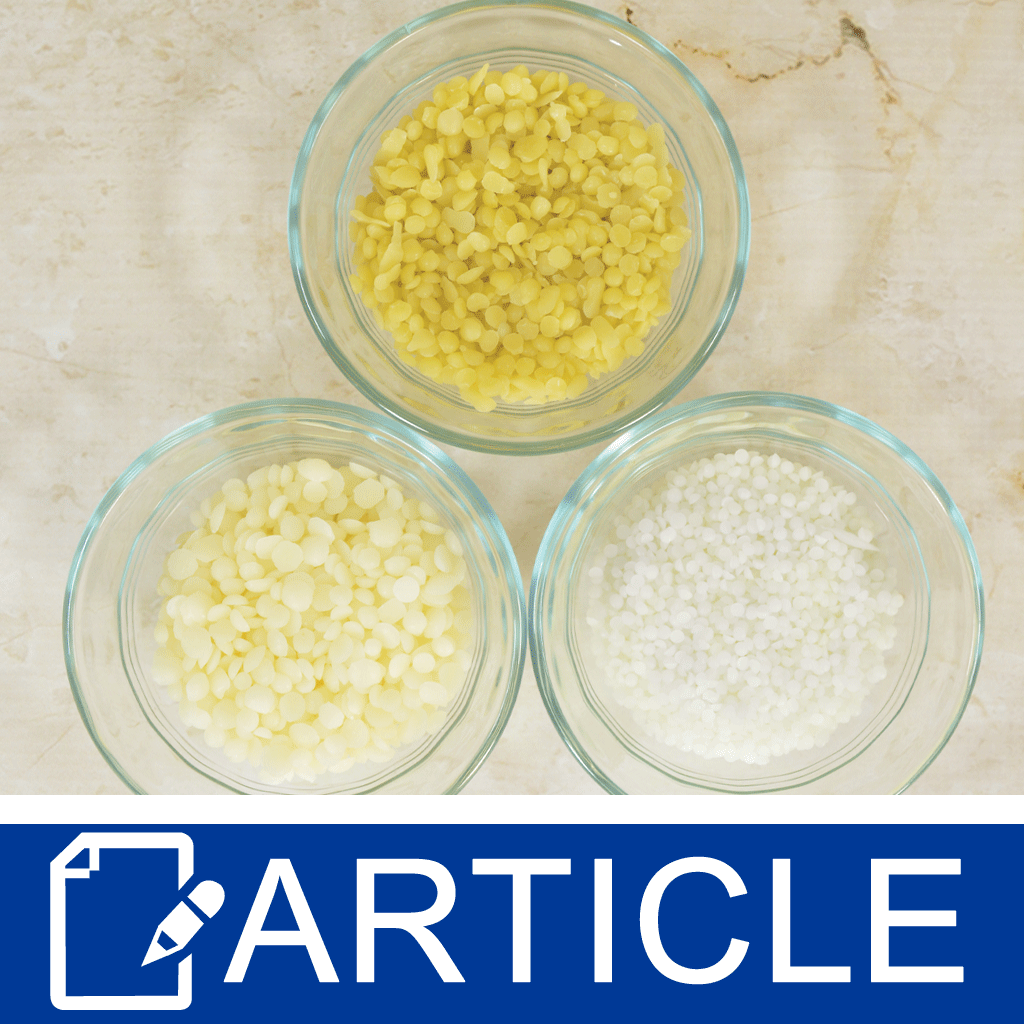
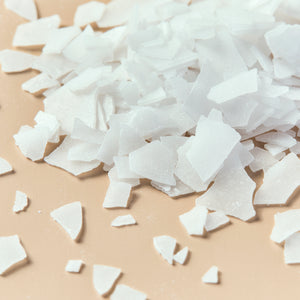
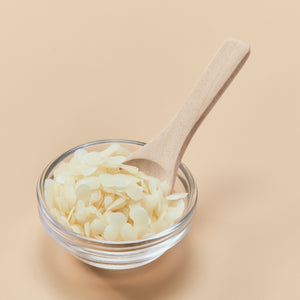
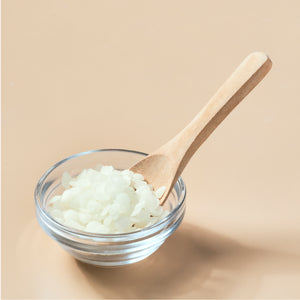
Typically, beeswax is used to naturally harden formulations or to serve as a base. Crafter’s Choice offers 3 different types of beeswax: Beeswax - Ultra Refined & Bleached, Beeswax - Yellow Pastilles, and Beeswax – Ivory. Each of these three waxes can be used in the same way, to harden or be a base. Choosing between the three really comes down to preference, but there are a few differences between each. Here is what makes each type unique:
The Importance of "I" in Customer Service

Article

The Importance of "I" in Customer Service
Customer service can be challenging, but by keeping this simple rule in mind you can avoid offending your customers, while simultaneaously creating return customers!
How To Make Change Manageable

Article

How To Make Change Manageable
When we list our excuses out loud they often sound ridiculous. What are your excuses? Let’s examine your goals for the New Year. How can you set yourself up for success, rather than revisit failure?