Articles

How To Lose A Customer

Article

How To Lose A Customer
Your competition wants your customers. So if you’re spending most of your time trying to gain new customers, step back and take a look at what you’re doing to hold onto the ones you already have.It costs far more to attract new customers than to keep the existing ones. Marketing and advertising expenses alone exceed anything you might do to reward loyal customers. More importantly, it costs nothing to avoid the kind of mistakes that would cause a customer to leave you.
All About Natural

Article

All About Natural
There’s no definition for the word “natural” – it can be applied to any cosmetics – but there are some ingredients homecrafters avoid when it comes to making plant based products. 
Tropical Treats For Skin & Hair Care

Article

Tropical Treats For Skin & Hair Care
With the start of a new season, artisans can bring the tropics to customers with a few exotic ingredients. Mango butter and coconut oil can be great additions to any summer product. Not only are they well-known for their tropical origin, but they also possess hair and skin loving properties. Formulating products with these fruity favorites will send customers on a vacation with their skin and hair care.
How to Use a Vegetable Peeler to Create Soap Roses

Article

How to Use a Vegetable Peeler to Create Soap Roses
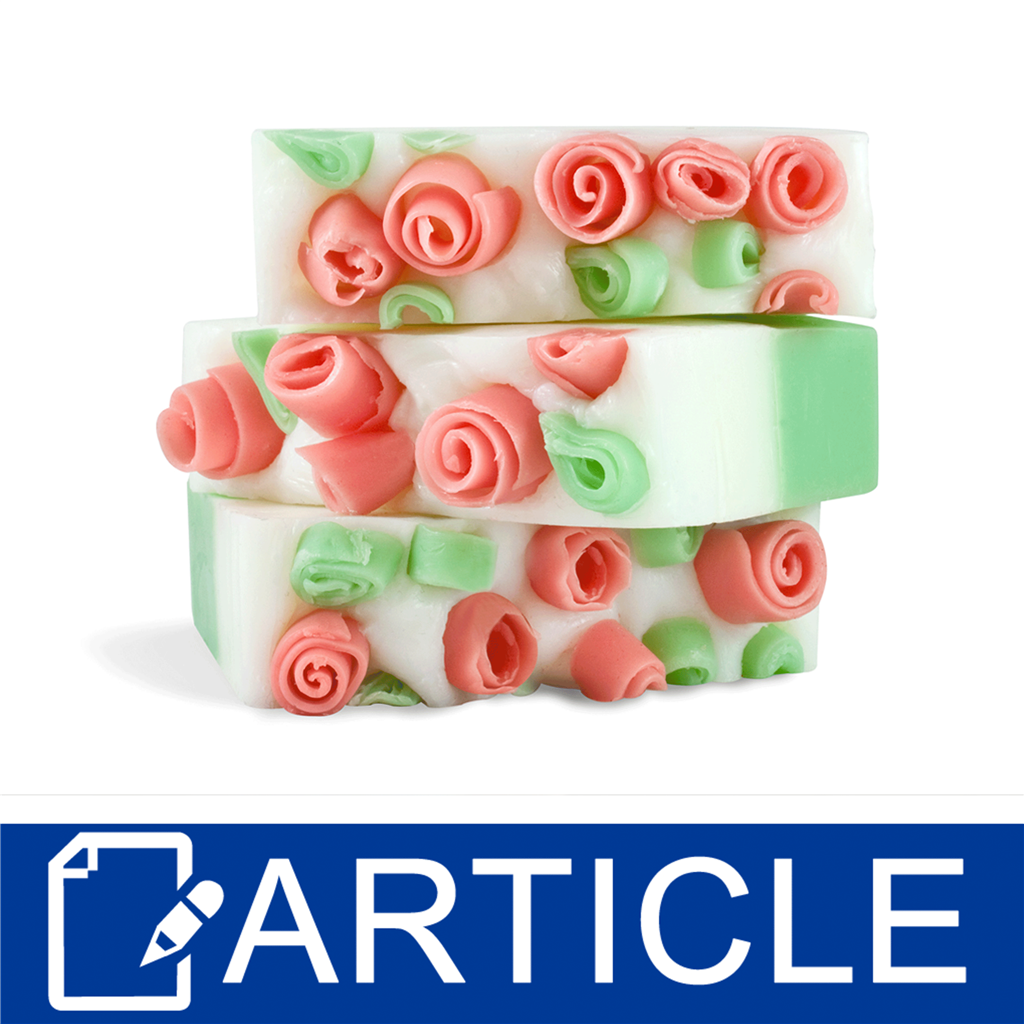
Looking for inspiration for your next soap bar? Look no further than your kitchen drawers! Many kitchen gadgets can be used to create unique and ornate designs in soap. One of our favorites is the vegetable peeler. When a vegetable peel is used on melt and pour soap the thin soap slice naturally curls. These curls can then be used to decorate your soaps! Read more to learn how we used a vegetable peeler to create the cute rose design seen in the pictured soap.
Holiday Rejuvenation Tips for the Busy Entrepreneur

Article

Holiday Rejuvenation Tips for the Busy Entrepreneur
With an already demanding schedule, the holiday season can take an extra toll on not only you but also your business. Here are some tips to remind you to also give back to yourself during this time of the year. It will not only be beneficial to you but also to your business by making you a more effective and productive entreprenuer.
Trend Alert: All About Avocado

Article

Trend Alert: All About Avocado
Avocado is a hot trend that keeps popping up in the bath and body industry. They are thought to be good for the skin and come in a variety of different forms from oil and butters to powders and fragrances. Join Debbie May as she talks all about how the avocado trend is entering the handmade bath and body industry and learn how to incorporate avocado oil, avocado butter blend, and avocado powder into your products!
White Chocolate Lavender Fragrance Trend

Article

White Chocolate Lavender Fragrance Trend
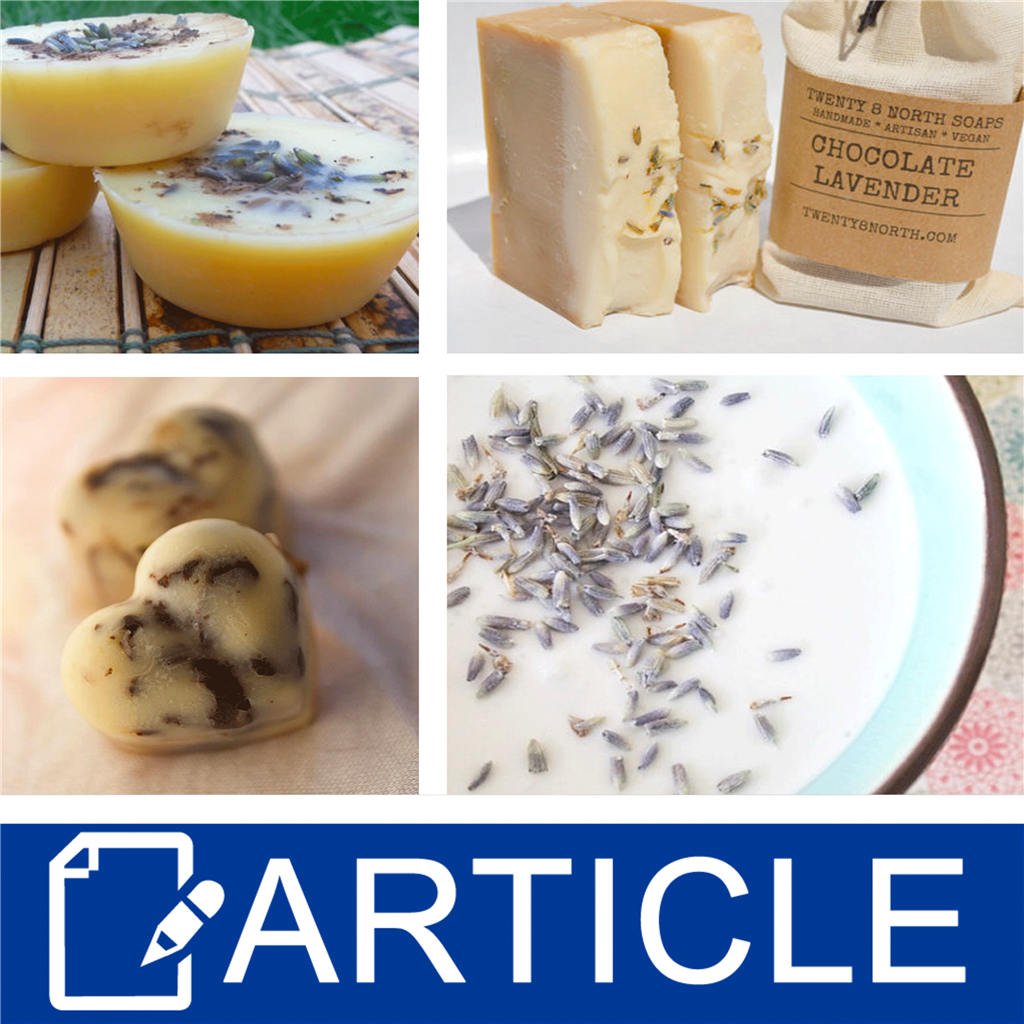
Throughout the month we've discussed the growing popularity of white chocolate based fragrances and shared our scent trend forecast for Spring 2016. This week we are continuing our discussion but focusing specifically on blending white chocolate fragrance with fresh lavender. This natural herbal fragrance is thought to promote calm and relaxation. When blended with sweet, creamy notes of white chocolate, the fragrance of fresh lavender acts as a complement and tones down the sweetness. Due to the herbal nature of lavender, the handmade products you create don't necessarily need to be food or bakery inspired. We recommend creating bath melts, bath bombs, handmade soaps and gentle hand and body lotions. Follow along this week to learn more about why we love blending white chocolate and lavender fragrance. Find inspiration from the pastel color palette ranging from dark purples to milky whites. Share with us any products you create that our on target with our fragrance trend forecast. 
Decode Your Label: Bath Fizzy

Article

Decode Your Label: Bath Fizzy
Everything you want to know about your Bath Fizzy label!
Using Color Trends to Gain a Competitive Advantage

Article

Using Color Trends to Gain a Competitive Advantage
Color is a powerful tool when marketing your products. Being able to spot trends in consumer behavior can be a useful tool in your marketing to target consumers.
Cold Process/Oven Process Soap Tutorial

Article

Cold Process/Oven Process Soap Tutorial
CP/OP stands for Cold Process Oven Process. This method speeds up saponification by placing the soap in a low-heat oven, reducing the need for a long cure time. Unlike traditional cold process soap, CP/OP soap can be ready to use much sooner. Pros: Reduced cure time: CP/OP soap can be used after a short time in the oven, though a two-week cure is still recommended for harder bars. Great for meeting deadlines or restocking quickly. Cons: Not ideal for new recipes or unfamiliar ingredients, as some can cause overheating. Fragrance oils with low flash points may burn off. Colors may morph or fade under prolonged heat. Use an oven thermometer to maintain a temperature between 175-200°F. Ensure your mold is heat-safe; use untreated lumber for wooden molds. Always wear safety gear when handling lye. Step 1: Prepare Ingredients Measure oils and butters. Measure water and lye separately. Slowly add lye to water, stirring until clear. Step 2: Heat Oils and Butters Heat the oils and butters to melt completely. Cool to 100-120°F. Step 3: Mix Lye and Oils Pour the lye mixture into the melted oils. Stir and blend to a light trace. Step 4: Add Fragrance Add fragrance oil, stirring to avoid acceleration. Blend to a thick pudding consistency. Step 5: Pour and Mold Pour the mixture into lined molds. Create desired top designs. Set oven to 175-200°F. Place the filled molds in the oven for 2 hours. Turn off the oven and leave the soap inside for 12 hours. Remove soap from the oven and molds. Cut into bars and allow a two-week cure time. Ensure your fragrance oils have a high flash point to avoid losing scent. Experiment with designs, but be mindful of how colors may change. Always test the pH/zap of your soap before using or distributing. This cold process oven process homemade soap method is a great way to make soap quickly and efficiently, perfect for both beginners and experienced soap makers. Enjoy your CP/OP soap making journey! What are the benefits of using the cold process oven process method?Using the cold process oven process method offers several benefits: Accelerated curing time: The oven heat speeds up saponification, allowing you to unmold and use the soap sooner. Reduced soda ash: The controlled heat helps prevent the formation of soda ash on the soap's surface. Enhanced fragrance retention: The steady temperature can help lock in the fragrance, resulting in a stronger scent in the final product. This makes cold process oven process soap making a convenient option for those looking to expedite the soap curing process. Can I use any soap mold for the cold process oven process method?While most soap molds can be used for the cold process oven process, it's essential to ensure that your mold is oven-safe. Silicone molds are generally a good choice as they can withstand the oven's heat and make it easy to remove the soap once it has set. Avoid using molds that may warp or melt at higher temperatures to ensure the safety and quality of your cold process oven process homemade soap.How can I customize my cold process oven process soap recipe?Customizing your cold process oven process soap recipe is easy and allows for creativity. You can: Add different oils and butters to vary the moisturizing properties. Use natural colorants, like clays or botanical powders, to achieve different hues. Incorporate essential oils or fragrance oils for unique scents. Add exfoliants like ground oats or poppy seeds for added texture. Experimenting with various ingredients will help you create personalized and unique cold process oven process soap that meets your preferences and needs. Can I use natural additives in my cold process oven process soap?Yes, you can use a variety of natural additives in your cold process oven process soap to enhance its properties and appearance. Common natural additives include: Herbs and botanicals, like lavender buds or chamomile flowers, for texture and visual appeal. Natural clays, like kaolin or bentonite, for color and skin benefits. Honey or oatmeal for added moisturization and exfoliation. These additives can be incorporated into your cold process oven process recipe to create customized soaps with unique benefits.
The "Natural" Skincare Conundrum

Article

The "Natural" Skincare Conundrum
Everyone's definition of "natural" is different, however, According to the FDA there is no true definition of "natural". Therefore, using this term is by no means legal. Take the extra precautions to protect your products and brand by using the correct terminology.
Calculating Fragrance Oil Amounts Video

Article

Calculating Fragrance Oil Amounts Video
This video demonstrates how to use simple math to calculate the fragrance quantity for your recipe. Before making a calculation you will need to know how much base you are using (MP Soap Base, Lotion Base, Shower Gel Base, etc.) and the fragrance percentage you are using. If you are unsure about the fragrance percentage, watch the Simple Secrets video titled "Determining Fragrance Amounts" to determine a safe and effective percentage for your recipe. If math isn't your strong suit, you may enjoy this helpful percentage conversion chart: https://www.wholesalesuppliesplus.com/PDFS/ConversionChart.pdf