Article
Raindrop Swirl Soap Recipe - Handmade Swirl Techniques
Dive into the world of soap making with this captivating Raindrop Swirl Soap Recipe. This intermediate-level project combines the artistry of swirl techniques with the science of cold process soap making, offering both a challenge and a delightful reward for soap makers. Perfect for those looking to elevate their soap-making skills, this guide provides a comprehensive step-by-step approach to creating beautiful, swirled soap bars that are as unique as they are beautiful. Swirling soap is an art form that allows for endless creativity, and the Raindrop Swirl technique is a stunning way to incorporate intricate patterns into your homemade soap. This tutorial will take you through the process, from preparation to the final cure, ensuring that each step is clear and manageable.
Difficulty: Intermediate
Yield: 10 Bars
Swirl soap recipes require a balance between fluidity and thickness. This Raindrop Swirl recipe is optimized for swirling, providing a perfect canvas for your creativity.
Prep Time / Clean Up: 45 Minutes
Perform Time: 1 Hour 30 Minutes
Total Time: 2 Hours 15 Minutes
Cure Time: 4-6 Weeks
Patience is key in soap making. This raindrop swirl soap requires time and care, from preparation through to the curing process, ensuring each bar is a masterpiece.
Goggles
Extra Long Disposable Nitrile Gloves (easily found in dishwashing section at local supermarket)
Digital Scale
Digital Thermometer or Infrared Thermometer
Stick Blender
Mini Cordless Mixer (optional)
2 Quart Glass Mixing Bowl or Microwavable Plastic Bowl
2 12 oz Squeeze Bottles (if you have smaller ones, use those and refill)
2 x Funnel Pitchers
6 Small Containers (for holding lye, sodium lactate, fragrance oil, mica, and 2 titanium dioxide mixtures)
4 Spatulas, 3 regular and 1 skinny (to fit in squeeze bottles)
Pipettes
Measuring Spoons
1 Ziploc® Bags (quart freezer bag if possible, but not necessary, use what you have)
Fine Mesh Strainer (stainless steel)
Paper Towels
10” Silicone Loaf Mold with Dividers
Skewer or Chopstick
Heating Pad (optional)
Timer (optional)
Cardboard Box That Fits over Mold (optional)
Towels/Blankets (optional)
20 oz Olive Oil (59%) (plus around 1-1/2 oz for mixing colorants)
12 oz Coconut Oil (36%)
1.7 oz Castor Oil (5%)
6.7 oz Cold Distilled Water (20% Water as a percentage of oil weight)
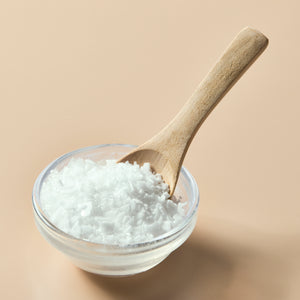
4.8 oz Sodium Hydroxide (Lye) (6% Super Fat/Lye discount)
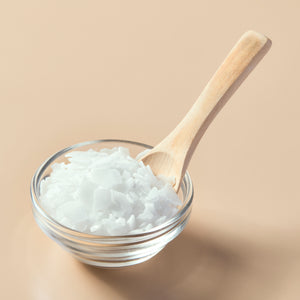
2 teaspoons Sodium Lactate 60% (optional) (helps soap to harden and release from mold sooner (1 teaspoon per pound of oils) If not available, dissolve 1/4 teaspoon salt per pound of hard (saturated) oils in distilled water. For this recipe use a scant 1/4 teaspoon.)
2 oz. Manuka Lavender Body Wrap Fragrance Oil or any other fragrance oil that doesn’t discolor or accelerate (1 oz. per pound of oils)
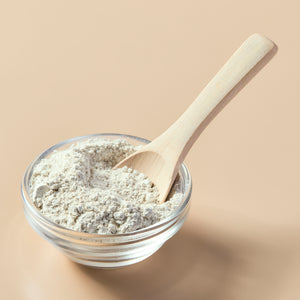
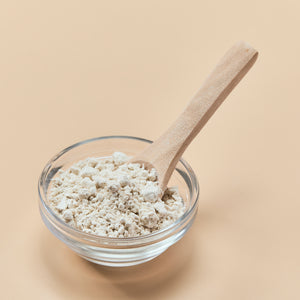
2 teaspoons Titanium Dioxide
3/4 teaspoon Coral Mica
Embarking on the journey to create the mesmerizing Raindrop Swirl Soap, one must delve into the nuanced world of soap crafting with precision and creativity. This intermediate-level project not only challenges but also delights soap makers with its intricate patterns and swirling techniques. Let's break down the process step by step, infusing it with tips and ensuring every detail is covered for the most informative and enriching experience.Step 1: Lye Solution PreparationBegin your soap-making adventure by accurately measuring the cold distilled water into a funnel pitcher, gearing up with safety equipment including goggles and gloves, and working in a ventilated area. Gradually add the lye to water, stirring gently to prevent splashes and avoid inhaling any fumes. Incorporate the sodium lactate into the lye solution, enhancing the soap's hardness and ease of release from the mold. Allow this mixture to cool in a secure location.Step 2: Oil Solution MixtureHeat the coconut oil in a large bowl until fully melted, using short bursts in the microwave for efficiency. In a separate pitcher, combine the measured castor and olive oils, then blend these with the melted coconut oil. Stirring thoroughly, create a harmonious oil base for your soap.Step 3: Colorants and Additives PrepFor the raindrop effect, mix the Coral Sparkles Mica with olive oil in a bowl until smooth. Prepare the titanium dioxide with olive oil in a sealable bag, ensuring a lump-free mixture through thorough kneading. Divide the titanium dioxide blend into two portions, setting them aside for later use. Introduce the Manuka Lavender Body Wrap Fragrance Oil into this mixture, ensuring the scent is evenly distributed throughout the oil base.Step 4: Mold PreparationEnsure your silicone loaf mold is clean and ready, setting the stage for the pouring and swirling to come.Step 5: Combining SolutionsOnce the temperatures of the lye and oil mixtures align between 85°-95°F, carefully combine them, straining the lye solution to avoid any undissolved particles. Using a stick blender, mix until you reach emulsification, ensuring the soap batter remains at a thin trace, ideal for intricate swirling.Step 6: Color Division and AdditionFill two funnel pitchers with 12 ounces of batter each. One of these will be colored with coral colorant. The second should be colored with some of the titanium dioxide mixture. The remaining titanium dioxide is used for the remaining soap batter.Step 7: Pouring the BatterIf using a heating pad, plug it in and set it aside to let warm while you return to the soap batter. Aim for a light trace consistency, similar to a runny milkshake, before transferring the colored batters into squeeze bottles for precision pouring. Add the larger portion of white soap batter to your mold. Create the raindrop effect by alternating squirts of colored batter into the base, penetrating the surface to form beautiful patterns. Tapping the mold releases trapped air bubbles, ensuring a smooth finish.Step 8: Creating the SwirlWith a skewer or chopstick, gently swirl the soap in diagonal patterns, then randomize your movements to enhance the raindrop effect. This step is where creativity shines, allowing each soap maker to imprint their signature style. It’s important to remember to keep the skewer only on the surface of the soap– if inserted too deeply into the soap, the raindrop pattern will not appear!Step 9: Gel Phase and CuringPlace the mold on a heating pad and cover it to encourage the gel phase, which intensifies the colors and improves the soap's texture. Monitor and adjust the heating to maintain a warm environment, aiding the soap's curing process. After 48 hours, remove the insulation but keep the soap undisturbed, ensuring a complete cure.Step 10: Unmolding and Final TouchesOnce fully set, gently unmold the soap. If it resists, give it more time to firm up. Slice the soap into bars, and if desired, bevel the edges for a polished look. Allow the bars to cure for 4-6 weeks, finalizing their transformation into luxurious, swirled masterpieces.Throughout this detailed guide, the focus remains on precision, safety, and creativity. By following these steps, soap makers can achieve stunning raindrop swirls that captivate and charm, showcasing the blend of art and science that is soap making.
Achieving Thin Trace: For best results, work with your soap batter at a thin trace to ensure the colors can easily swirl together without becoming muddled.
Color Selection: Choose contrasting colors for the most striking visual effect. The coral mica against a titanium dioxide backdrop creates an eye-catching contrast.
Temperature Control: Keeping your ingredients within the 85°-95°F range helps maintain the batter's fluidity, crucial for swirling.
Patience is a Virtue: Rushing the process can lead to premature thickening of your batter or uneven swirls. Take your time to achieve the best results.
This Raindrop Swirl Soap Recipe is a testament to the creativity and skill involved in soap making. Whether you're a seasoned soap maker or looking to expand your repertoire, this project offers the perfect blend of technical skill and artistic expression. Embrace the challenge, and enjoy the beautiful, unique bars of soap that result from your efforts. Happy soap making!