Help & How Tos

Determining Fragrance Oil Amounts Video

Article

Determining Fragrance Oil Amounts Video
Ever wonder how much fragrance oil you should add? This video demonstrates how to figure out how much to use! When determining how much fragrance to use, the product base, fragrance oil and packaging all need to be taken into account. Different bases, fragrances and packaging have different usage rates making it important to think about each one in each recipe you make. Improper calculations may result in unsafe products; technical problems such as glycerin dew on soap, runny lotion, thin shower gel, bitterness in lip products; and/or malfunctions with packaging such as warping. If math isn't your strong suit, you may enjoy this helpful percentage conversion chart: https://www.wholesalesuppliesplus.com/PDFS/ConversionChart.pdf
Simple Secrets: Tips for Dealing With Grainy Shea Butter

Article

Simple Secrets: Tips for Dealing With Grainy Shea Butter
There is nothing more pleasurable for your customers than using a creamy lotion on their skin that contains luxurious shea butter. But one of the biggest challenges when formulating with shea butter is its natural tendency to become grainy when it cools. This happens because shea butter contains several different fatty acid profiles. When these acids are melted and slowly return to a solid state with cooling, they have a tendency to clump together causing small granules. Luckily, there are a few ways to avoid grainy shea butter and earn five-star reviews on all your shea-based products.
My First Time Making Lip Balm (Video Tutorial)

Article

My First Time Making Lip Balm (Video Tutorial)
Join me, an absolute beginner, as I learn how to make lip balm in this DIY video tutorial! In this video, I use the Lip Balm Kit from Elements Bath and Body. This kit came complete with everything an absolute newbie like myself needs—from the premade base to the flavor oils (which I got to pick when ordering) to all the containers and tools I needed.This is my second project to date, my first one was learning to make Melt & Pour Soap (you can find that video here) which was a super fun experience even with a few mess-ups along the way! I can’t say that my lip balm recipe video creation was flawless either, but it was fun, and I was very happy with the end result.I hope that in watching this DIY lip balm video, you can learn from my mistakes, join me in my moments of triumph, and just enjoy the experience as I jump into the world of lip balm making for the very first time!I hope that by the end of watching this, if you are just starting out yourself or maybe still just thinking about giving it a try, you will feel more confident to try making Lip Balm yourself because I assure you, “If I can do it, so can you!”In this how to make lip balm video, I use the pre-made, customizable Lip Balm Kit. If you prefer, you may also purchase each ingredient and supply it on its own. Find the links below: Lip Balm Base Lip Flavor Oils Lip Smacking Sweetener Oil Lip Balm Pots, Tubes and Caps Pipettes Measuring Cups Thermometer (optional)
How to Make Jelly Jar Candles

Article

How to Make Jelly Jar Candles
This is a great project to learn how to make jelly jar candles. Container candles, especially those made in jelly jars for candles, are the easiest to start learning with and are always pleasant to have around, especially for test burning! You can make these for yourself or as gifts because you have the ability to customize the scents and colors. Experiment and have fun learning how to make a jelly jar candle! 7 oz of Container WaxSuggestions: Golden Brands 415 Golden Brands 464 KY Soy 115 8oz Smooth Jelly Jar with Lid Candle Fragrance Oil Candle Dye Wick Stickers 51-32-18C Pre-Tabbed Cotton Wick Wick Bar Digital Scale Pour Pot Thermometer Presto Pot or Double Boiler to melt wax Metal Spoon to stir wax Safety goggles Apron to protect clothing Wax paper, old newspapers, or aluminum foil Step 1: Prepare the Work SurfaceCover the counter with wax paper, old newspapers, or aluminum foil to make clean-up easier. This will help prevent wax spills from getting on your countertops.Step 2: Prepare the Jelly JarUsing a wick sticker, attach the wick to the bottom center of the inside of the candle jelly jar. Apply pressure to ensure good adhesion. Use the wick bar to keep the wick straight and centered in the jar.Step 3: Melt the WaxMelt the soy candle wax in a double boiler or Presto Pot with a thermometer to ensure temperature control. Melt the wax to approximately 170°-175°F. Occasionally stir the wax to ensure it completely melts and reaches the correct temperature.Step 4: Measure the WaxPlace the pour pot on the digital scale and tare it. Once the wax is completely melted, transfer 7 ounces of wax to the pour pot using a ladle.Step 5: Add Fragrance and ColorAdd 0.70 oz of fragrance oil to the wax. Stir until the fragrance oil is fully incorporated into the wax – this should take about 2 minutes. Add drops of candle dye until the desired color is achieved, and stir well to distribute the color evenly.Step 6: Pour the Wax into the Jelly JarLet the wax cool to approximately 160°F. At this temperature, the wax will have a thick, slushy appearance. Fill the pre-wicked jelly jar to the fill line, which is about 6.2 oz of wax. Set the jar aside to cool completely.Step 7: Trim the Wick and Attach the LidOnce the candle has completely cooled, trim the wick to about 1/4” and attach the lid to the jelly jar candle. Do not add the lid until the candle has completely cooled to avoid condensation forming inside the jar. Soy wax needs time to cure before burning to allow for a good scent throw. Let your completed jelly jar candle cure for 7-14 days before lighting it.Tip: Remember, "The longer it sits, the stronger it gets!" This allows the fragrance to fully bind with the wax for a stronger, longer-lasting scent. Cover the counter with wax paper, old newspapers, or aluminum foil to make cleanup easier. Be sure to wear safety goggles for eye protection. Hot wax can splash, and safety should always come first. Waxes used in making candles are similar to cooking oils – they are flammable and poured at high temperatures. NEVER HEAT WAX ABOVE 210°F. Always use a double boiler to melt wax. Heating wax directly over an open flame or burner can cause it to explode, leading to serious injury. Never leave hot wax unattended, and keep children and pets out of the area where wax is being melted and poured. Never pour water on a wax fire. Water will cause the fire to spread. Use a dry chemical fire extinguisher to put out a fire, and never pour melted wax down the sink or other drains. Jelly jars for candles are ideal because they are durable, affordable, and have a charming, vintage look. These candle jelly jars make excellent gifts and can be repurposed after the candle burns out. Their wide openings also allow for a good burn and strong scent throw, making them a popular choice for container candles.Whether you're making a jelly jar candle for yourself or as a gift, the possibilities are endless. Customize your candles with different fragrances and colors to create a unique and personalized product. Jelly jars are easy to find and add a classic, homey touch to any candle project.
How to Make Wax Melts & Wickless Candles

Article

How to Make Wax Melts & Wickless Candles
Wickless candles and wax melts are fantastic ways to infuse your home with delightful aromas without the flame. These products are super easy to make and serve as perfect gifts or products for your candle business. Whether you’re new to the world of candle making or a seasoned pro, this guide will walk you through creating your own homemade wax melts and wickless candles. Wickless candles, as the name suggests, are candles that melt without a wick. These are typically used in conjunction with a wax warmer, which gently heats the wax without an open flame. People prefer wickless candles for several reasons: they are safer around children and pets, they do not produce soot, and they can be used in places where open flames may be prohibited, such as offices or dorm rooms.To use a wickless candle, simply place it on the warmer and let the heat release the fragrance. This method is great for continuous scent distribution without monitoring a burning candle. Selecting the Right Wax and Fragrance OilsThe choice of wax and fragrance oils is critical to making your homemade wax melts recipe stronger. Paraffin wax is often preferred for wax melts due to its ability to hold a higher percentage of fragrance oil. However, for those looking for a more natural alternative, soy wax is a great choice, though it may hold scents more subtly.When choosing fragrance oils, opt for high-quality, concentrated oils designed for candle making. The general rule of thumb is to use about 10% fragrance oil by weight. However, you can experiment with up to 12% if you find the scent isn't strong enough, but be mindful as too much oil can affect the texture of the wax.Perfecting the Pouring ProcessTemperature plays a key role in how well the fragrance binds and sets within the wax. Heat your wax to the recommended temperature by the manufacturer, usually around 185°F (85°C). Add your fragrance oil once the wax reaches this temperature, stirring consistently for approximately 2 minutes to ensure an even distribution.Pour the wax into molds at about 160°F (71°C). Pouring at a too-high temperature can cause the fragrance to evaporate, while too low can result in an uneven set.Curing Your Wax MeltsCuring is often an overlooked step in the wax melt-making process. After pouring your melts, allow them to cure in a cool, dry place away from direct sunlight for about 48 hours. This waiting period helps the scent oils fully bond to the wax, intensifying the fragrance when used. Accuracy is Key: Always use a digital scale to measure your wax and fragrance oils to ensure consistency in your wax melt recipe. Test Your Scents: Since different scents and oils can react differently with various types of wax, it’s wise to make small test batches to ensure the scent throws effectively before going into full production. Keep It Clean: Ensure all equipment is clean and dry before starting. Residues or water droplets can affect the final product's quality. Innovative Molding: Don’t be afraid to get creative with molds. Silicone molds come in various shapes and designs, allowing you to customize the look of your wax melts or wickless candles. Temperature Monitoring: Keep a reliable thermometer handy to check the temperature of your wax throughout the process. This will help in achieving the best results. INFORMATION Difficulty: Beginner Yield: 8.5 oz or 4 x Tart Clamshells TIMING Prep Time / Clean Up: 15 Minutes Perform Time: 1 Hour Total Time: 1 Hour 15 Minutes SUPPLIES Double Boiler (for melting wax) Pipettes (for fragrance oil) Spoon or Stirring Stick Glass Measuring Cups (to fit total amount of ingredients) Digital Scale Glass Container(s) of Your Choice (to fit a total of 8.5 oz.) or 4 x 6-Cavity Clamshell Mold Digital Thermometer or Infrared Thermometer INGREDIENTS 6 oz Beeswax 2 oz Coconut Oil Fragrance Oil of Your Choice (One Ounce to One Pound is a common rule of thumb, so 0.5 oz. is used for this recipe or 6%) DIRECTIONSStep 1Heat beeswax to 185°F/85°C. (Do NOT exceed 200°F/93°C as this may discolor and/or burn your wax.) One important thing to note about working with beeswax is that it can become flammable if overheated. That is why a double boiler and not a direct stove top or microwave melting is important.Step 2Add coconut oil and stir until just melted.Step 3Add your selected Fragrance Oil and stir to re-melt any wax that has solidified because of the addition of room-temperature fragrance. Remove from heat. (Add fragrances with higher flash points at 185°F/85°C and fragrances with lower flash points at 160°F/71°C.)Step 4Once the fragrance is mixed thoroughly pour into glass container(s) or tart clamshells.Step 5If you desire a smooth top, re-melt the top using a heat gun. Be very careful near the plastic edges. The plastic will melt if you get the heat gun too close, or if you hold the heat gun in one place too long.You can make more if you like! This recipe makes 8.5 oz in total. (The photo below is a double batch).Allow to solidify at room temperature and cure for 24-48 hours and enjoy!TO USEPlace a glass container on an electric warming plate or a few tarts in a tart warmer. Enjoy the beautiful scent! When not in use, simply seal the container to seal in the fragrance. Reheat when you wish. To figure out the amount of wax base needed, fill your glass container with water to the desired level and then weight the water. This recipe is 25% coconut oil and 75% beeswax. If you need 5 oz. total, just multiply by 25% and 75% to get 1.25 oz. coconut oil and 3.75 oz. beeswax. To figure out the amount of fragrance, simply multiply 6% by 5 oz. to get 0.3 oz.
Minty Bath Salts Recipe Video

Article

Minty Bath Salts Recipe Video
This video demonstrates how to make Minty Bath Salts. In our recipe, we combine three different salts (Coarse Grain Dead Sea Salt, Fine Grain Dead Sea Salt and Dendritic Salt) with Green Oil Locking Mica Shimmer and Raw Sugar & Mint Fragrance Oil. This scent smells amazing and pairs well with the green color! We finish the product by packaging in Kraft Window Tin Tie Bags. Watch this video to learn more.
Basic Body Lotion Recipe Tutorial

Article

Basic Body Lotion Recipe Tutorial
Creating your own body lotion at home is not only a rewarding experience but also a fantastic way to ensure your skin care routine is packed with the nourishing benefits of natural oils and butters. This guide is tailored for those looking to craft a homemade body lotion that's both luxurious and beneficial to the skin. By the end of this tutorial, you will have a basic understanding of the body lotion formula, including key ingredients and the step-by-step process to make your very own homemade body lotion. Embarking on your lotion-making journey starts with understanding the importance of selecting high-quality body lotion ingredients. This recipe features shea butter and avocado oil as the stars for their exceptional skin-nurturing properties. Shea butter is renowned for its phytosterols, including cinnamic acid, which boasts anti-inflammatory benefits, making it an excellent choice for sensitive skin. Avocado oil, a treasure trove of nutrients and polyphenols, offers a medium-heavy feel that's perfect for combating dry skin without leaving a greasy residue. This versatility means you can easily swap these oils and butters with alternatives like coconut oil or grapeseed oil to tailor the lotion to your skin's needs.The recipe also incorporates emulsifying wax, a crucial ingredient that binds oil and water together to form a stable emulsion, ensuring your homemade body lotion has a smooth and consistent texture. Unlike beeswax, emulsifying wax is specifically designed for lotion making, making it a non-negotiable component of your body lotion formula.For those crafting lotions for dry skin, the addition of humectants like glycerin and sodium lactate is key. These ingredients draw moisture into the skin, providing hydration and a plump appearance. This recipe uses crystallized sodium lactate; however, if you have the liquid form, simply adjust the measurements accordingly.Customization comes into play with the choice of fragrance. Whether you prefer the natural scent of essential oils or the varied aromas of fragrance oils, this step allows you to personalize your handmade body lotion recipe to suit your preferences. Difficulty: Intermediate Yield: 4 x 4 oz Bottles Crafting your own body lotion is a process that combines creativity with science. The outcome is a product that not only moisturizes and soothes the skin but also reflects your personal touch. Prep Time / Clean Up: 15 Minutes Perform Time: 1 Hour Total Time: 1 Hour, 15 Minutes Making your own lotion at home is a straightforward process that doesn't require extensive time. From preparation to bottling, you can have your homemade body lotion ready in just over an hour. Digital Scale Digital Thermometer Immersion Blender 2 x Funnel Pitchers Large pot or skillet Wire Rack to fit inside pot Spatula Spray Bottle w/ 70% Isopropyl Alcohol Pipettes (for preservative and essential oil) Paper Towels Stovetop or Portable Burner Timer Disposable Piping Bag or Zip Top Bag 4 x 4 oz Cosmo Oval Bottles 4 x Disc Caps Heated Oil Ingredients: Shea Butter (5%) Avocado Oil (16%) Emulsifying Wax (5%) Stearic Acid (2%) Heated Aqueous Ingredients: Glycerin (3%) Sodium Lactate Crystals (2%) Distilled or Deionized Water (64%) Cool Down Ingredients: Fragrance Oil or Essential Oil (2%) Germaben II Preservative (1%) These ingredients ensure your DIY body lotion is moisturizing, nourishing, and safe for use, with preservatives included to extend shelf life and maintain product integrity. Preparation: Begin by sanitizing your workspace and tools with 70% isopropyl alcohol. This step is crucial to prevent contamination and ensure the longevity of your homemade body lotion. Heating Ingredients: Use a double boiler to heat the oil and aqueous ingredients separately to 158°F (70°C) and hold for 20 minutes. This process sterilizes the ingredients and prepares them for emulsification. Creating the Emulsion: Carefully combine the heated ingredients, using an immersion blender to mix until a stable emulsion forms. This step is critical for achieving the smooth texture characteristic of professional-grade body lotions. Adding Cool Down Ingredients: Once the mixture cools to below 115°F (45°C), add the cool down ingredients, including your choice of essential oil for fragrance and Germaben II to preserve the lotion. Bottling: Transfer the lotion into bottles using a piping bag or zip-top bag. This method minimizes air bubbles and ensures a clean transfer Enjoy Your Handmade Body Lotion: Cap the bottles and label them with the date and ingredients. Your homemade body lotion is now ready to use or gift to friends and family. Ingredient Substitutions: Feel free to experiment with different oils and butters to customize the lotion to your skin type. Coconut oil is an excellent choice for its moisturizing properties, while grapeseed oil is lighter, making it ideal for oily or acne-prone skin. Storage: Store your lotion in a cool, dry place. Shipping Options: For small business owners looking to sell their homemade body lotions, explore shipping options that ensure your products arrive in perfect condition. Insulated packaging and fast shipping can prevent exposure to extreme temperatures. Creating your own homemade body lotion is not only a fun and creative endeavor but also a step towards embracing natural, skin-loving ingredients. Whether you're crafting lotion for personal use or as part of a small business, this basic body lotion recipe is a great starting point. Enjoy the process and the satisfaction of using a product you made with your own hands, tailored to your skin's needs.
Simple Secrets: How To Achieve The Perfect Curl In MP Soap

Article

Simple Secrets: How To Achieve The Perfect Curl In MP Soap
Goal: The Perfect CurlSoap made with curls is often the source of conversation with shoppers. Potential buyers love to pick up bars of soap and try to figure out how the soap is made. Curls can be small or large. The techniques are not that different. This Perfecting the Craft article will help you with the most common problems.
How to Make an Exfoliating Sugar Scrub

Article

How to Make an Exfoliating Sugar Scrub
Customers love sugar scrubs for their gentle exfoliating properties, and cosmetic makers love them for how easy they are to make! In this short article we will discuss how to make this popular exfoliating scrub.
Making Avocado Rose Face Mask

Article

Making Avocado Rose Face Mask
Who wouldn't want to make and use this Avocado Rose Face Mask? Avocado powder, egg whites powder and honey powder combine with rose water essential hydrosol to make a spa-worthy face mask you won't want to take off!
How to Blend Essential Oils: A Beginner's Guide

Article

How to Blend Essential Oils: A Beginner's Guide
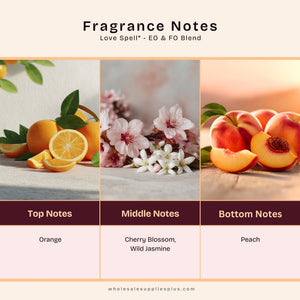
Discover the art of blending essential oils to enhance your homemade soaps, bath bombs, lotions, and more. Crafting unique fragrance combinations using Essential Oils (EO) is a natural way to imbue your products with delightful scents, offering a creative outlet for personal or brand expression. This guide aims to simplify the process, covering essential oil safety, balanced EO blend creation, and a hands-on tutorial for making a perfume roll-on. While we acknowledge the potential therapeutic benefits of essential oils, this guide focuses solely on their aromatic use, adhering to safety guidelines for product creation without making unverified health claims. Essential oils are concentrated extracts from various plant parts, such as roots, seeds, bark, berries, leaves, and flowers. They are not soluble in water. They can be obtained through expression, where the oil is pressed directly from the plant material. This method is commonly used for citrus essential oils derived from the rinds, which are abundant in oil and often produced as a byproduct of the citrus industry.However, most essential oils are acquired through steam distillation, a technique where heated plant material releases fragrant steam. This steam is then condensed into hydrosol (water-based) and the essential oil, which floats on top. Hydrosols are fragrant and have various uses, including in-room sprays, facial mists, and lotions. For instance, rose hydrosol, or rose water, is utilized in Middle Eastern cuisine. The production of essential oils is resource-intensive, requiring large amounts of plant material for a relatively small yield. For example, it takes five pounds of peppermint leaves to produce just one ounce of essential oil and an astonishing 180 pounds of roses for the same quantity of rose essential oil, equivalent to about 60,000. This intensive process contributes to the wide range of essential oil prices.Absolutes and concretes are other plant extracts that are available on the market. Absolutes are obtained by initially extracting the plant material with a solvent such as hexane to produce concrete. This concrete is then processed with ethanol to produce a highly concentrated absolute. Due to their expensive production process, absolutes are primarily used in perfumery and are generally too costly for inclusion in soaps, lotions, and bath products. Essential oil blending requires careful consideration of each oil's chemical composition and volatility. Storage in dark, airtight containers is crucial to maintain their integrity. This section also addresses the importance of dilution in carrier oils to ensure safe application, emphasizing that even natural products can pose risks if misused. Understanding the maximum usage thresholds and adhering to International Fragrance Association (IFRA) guidelines is paramount for creating safe and enjoyable blends. Blending essential oils safely is an art that necessitates respect for their potency and potential skin sensitivities. This part of the guide details how to dilute essential oils appropriately for various applications, from personal care products to household cleaners, using tools like eocalc.com for precise calculations. Special attention is given to photosensitizing oils, which require careful consideration to avoid adverse reactions from sun exposure.Creating Your First Essential Oil Blend: Simple Recipes for BeginnersHere, readers are introduced to fragrance notes—top, middle, and base—and how they combine to create balanced, appealing scents. Through practical exercises like the wooden skewer method and crafting a roll-on perfume, beginners can experiment with blending without waste. This section encourages creativity and personal preference while guiding starting ratios and adjustments based on sensory feedback. While the primary focus is on the aromatic qualities of essential oil blends, a brief mention of their potential therapeutic benefits acknowledges the broader interest in essential oils for well-being. However, it reiterates the importance of making medical claims about homemade products with proper certification and testing adhering to regulatory standards. Proper storage and handling of essential oil blends extend their shelf life and preserve their fragrances. By following these guidelines, enthusiasts can ensure their creations remain effective and enjoyable for as long as possible.In conclusion, blending essential oils is a fulfilling practice that combines creativity with natural beauty. By understanding the fundamentals of essential oil properties, safety guidelines, and blending techniques, even beginners can start crafting personalized scents for various uses, enhancing everyday life with the power of nature's aromas.
Making Blueberry Slushie Soaps

Article

Making Blueberry Slushie Soaps
Making Blueberry Slushie Soaps is a blast! These slushie soaps are the perfect addition to your summer product line. They look cool and refreshing - just like the real thing!