Articles

F is For Fluid Ounce...

Article

F is For Fluid Ounce...
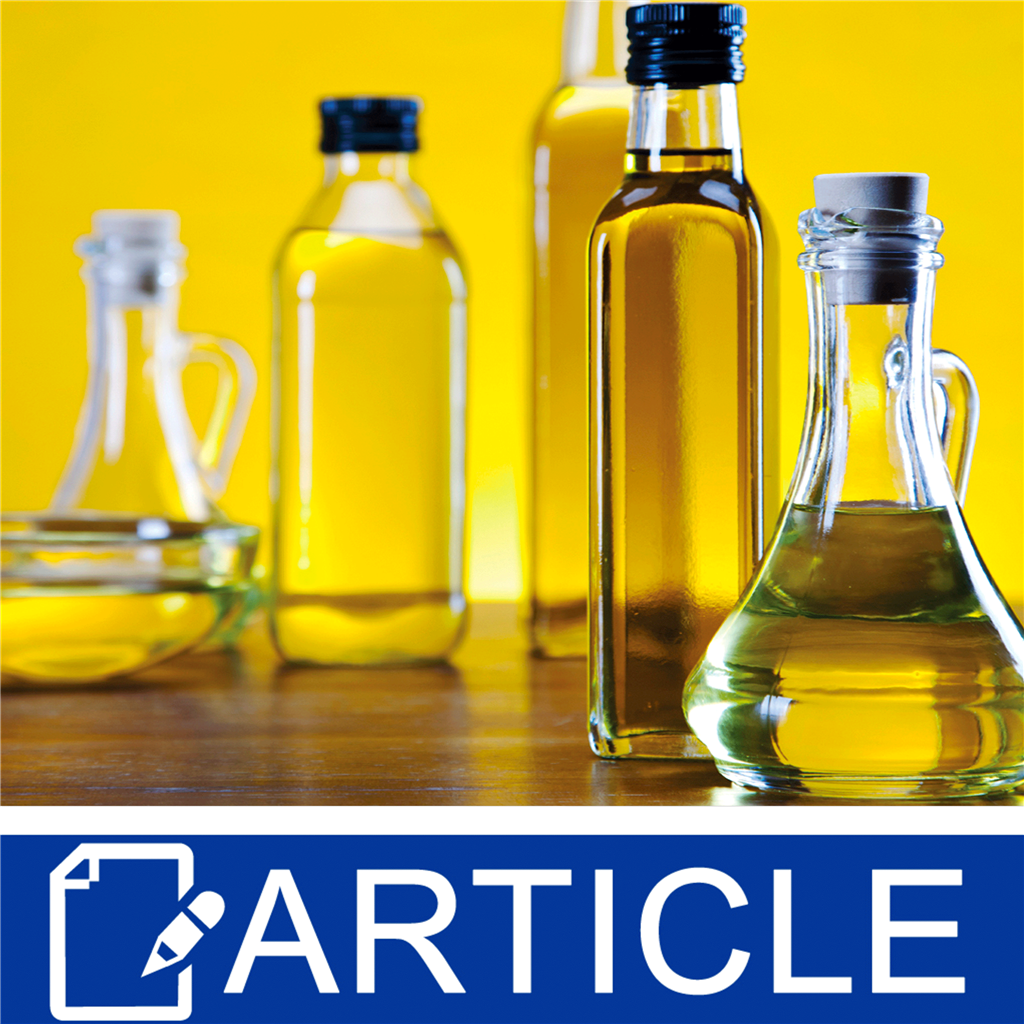
Did you know that a gallon of water and a gallon of glycerin does not weigh the same? This is because glycerin has a higher specific gravity than water. The specific gravity of water is 1.0 and the specific gravity of glycerin is much higher at 1.263. The higher the specific gravity, the heavier the liquid.
Formulating Cosmetic Scrub Products

Article

Formulating Cosmetic Scrub Products
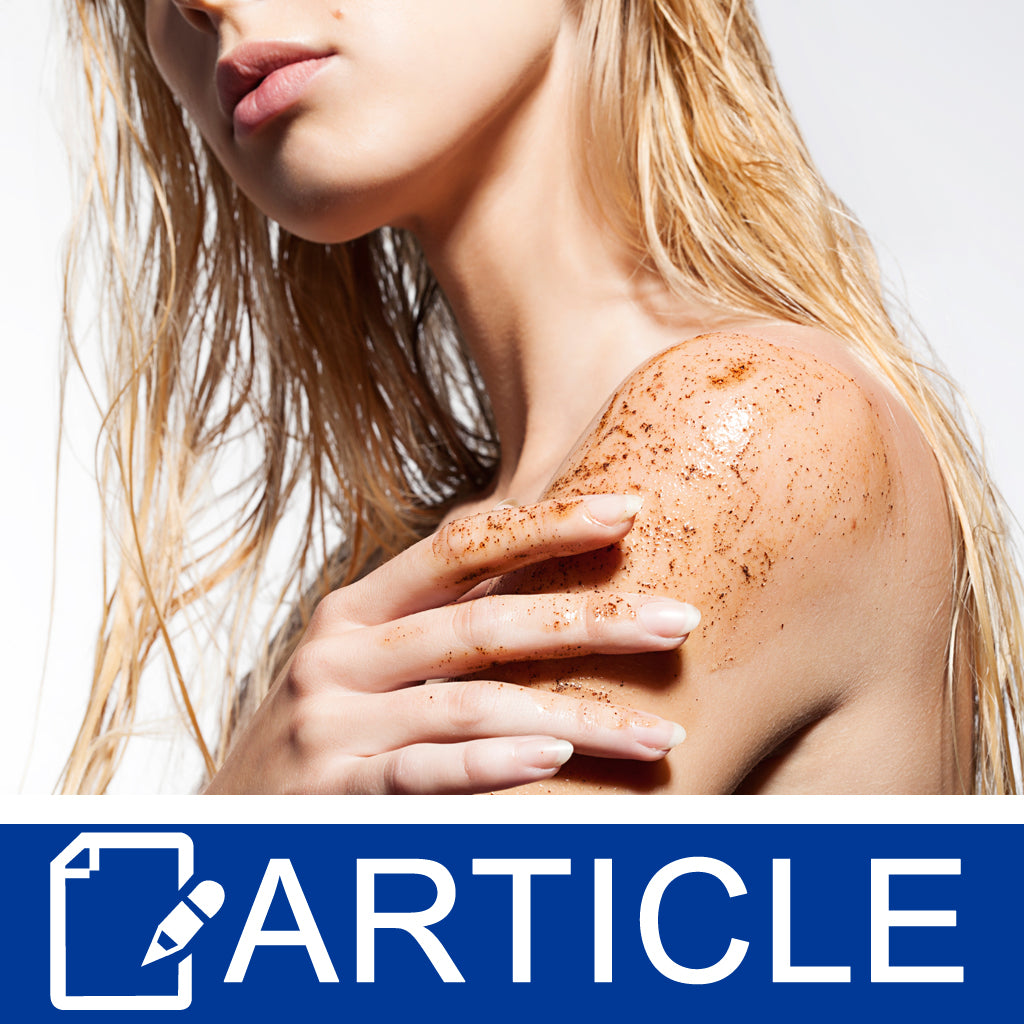
A cosmetic scrub is a polish or a gel containing tiny coarse granules or abrasive materials along with various additives to exfoliate the outermost layer of skin. Scrubs can be divided into the following types by their composition:
A Gentle Introduction To The Science Of Saponification
Article

A Gentle Introduction To The Science Of Saponification
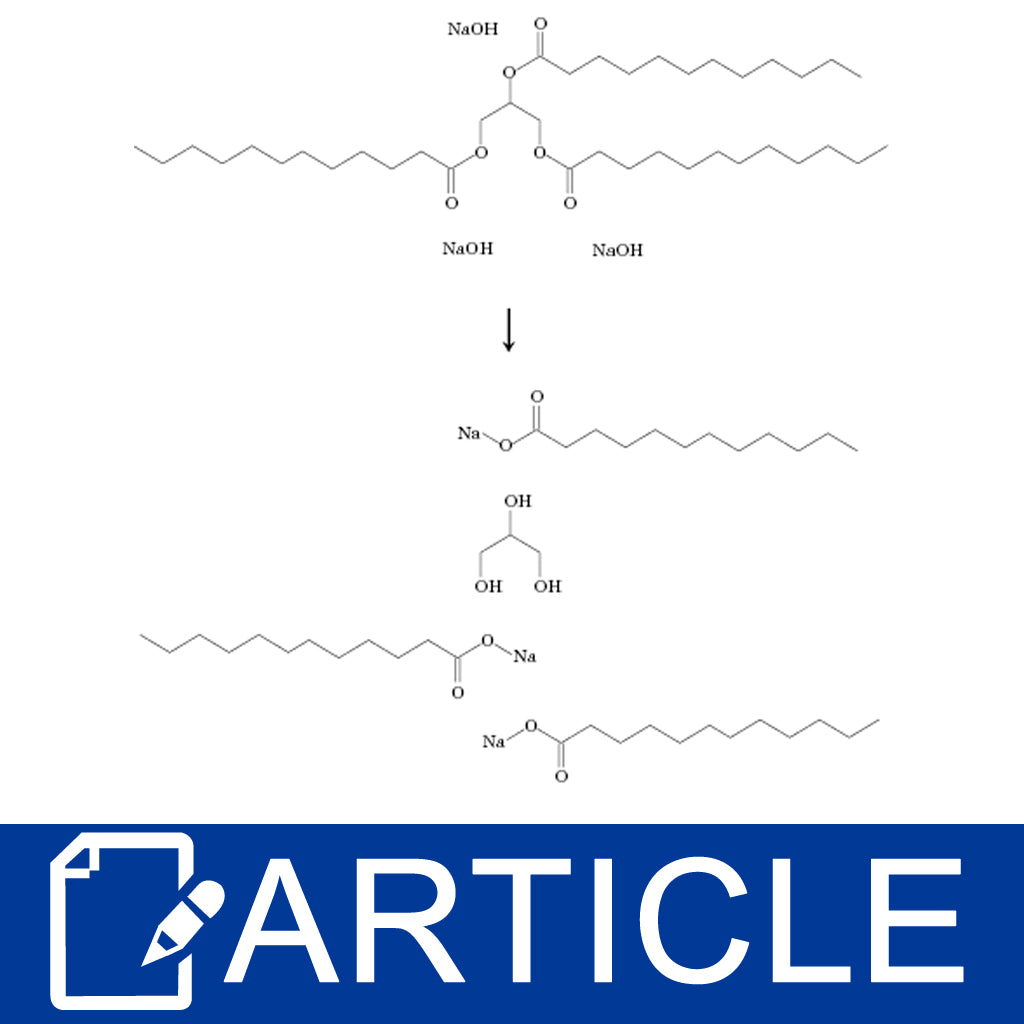
As I was shopping for Christmas presents, I saw a man on the side of the road selling bird feeders made from old hub caps. At a shop, I saw some wall hangings in which the cheerful messages were  spelled out in letters cut from old license plates. And at a gallery, there was an end table made from the rear axle of a truck. What do these things have in common? Crafters often take things apart and put the pieces together in new and interesting ways, and I trust that such activities come as no surprise to readers of Handmade Magazine.
Choosing A Preservative

Article

Choosing A Preservative
Choosing a preservative is one of the most important things you can do to produce a beautiful and safe homemade product. The first task is to determine if it requires one. If it doesn’t contain water – if it’s an anhydrous product composed entirely of oil soluble ingredients - and won’t be exposed to water, you don’t need a preservative. It’s a good idea to include an anti-oxidant like Vitamin E or rosemary oleo extract to extend the shelf life of your oils and butters, but you don’t need to worry about contaminants like bacteria, mold, or yeast because they need water to grow. Products like whipped butters, lotion bars, lip balms, salves, and other oil only products fall into this category.
Biggest Lie You Tell Yourself and The Real Truth

Article

Biggest Lie You Tell Yourself and The Real Truth
Running a business can be addictive; it is capable of occupying every corner of your mind and seeping into every aspect of your life. How often are your thoughts on business when your child is asking for attention? How many invitations do you turn down, and on a scale of 1 through 10 how overwhelmed are you on a typical day? See what I mean? Addictive! 
Gardening: 8 Reasons To Get Your Hands Dirty
Article

Gardening: 8 Reasons To Get Your Hands Dirty
As my children were growing up I would tell them that all I wanted for Mother’s Day was a day off to work in the garden. Although it can be strenuous work there’s nothing like the renewed energy and spirit that comes from having your hands in the soil or, in my case, soil and water. One-third of my backyard is occupied by a beautiful koi pond--born of grief and healing the summer after my husband passed away some years ago.
Formulating With Cardamom

Article

Formulating With Cardamom
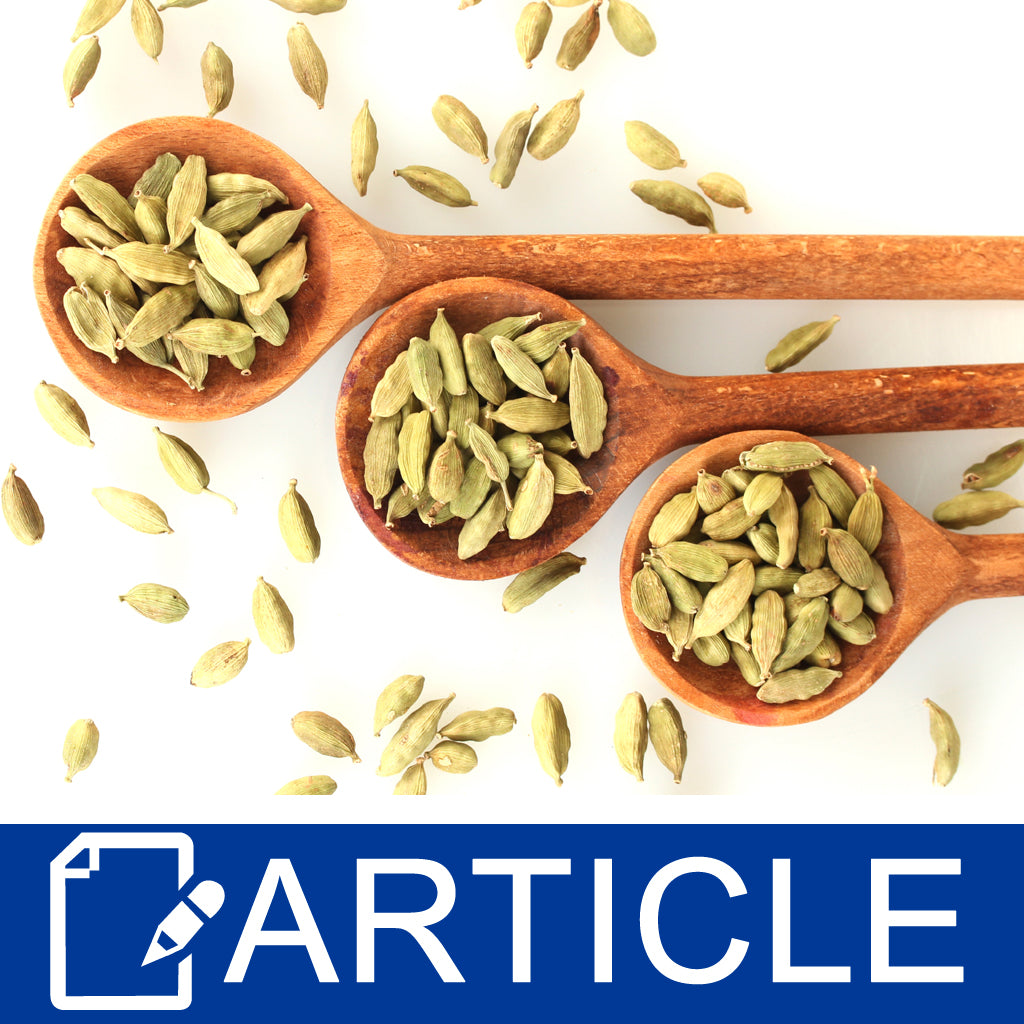
Cardamom is a spice made from the seeds of several plants in the genera Elettaria and Amomum in the family Zingiberaceae. The Zingiberaceae family is a highly aromatic family of plants, with most being prized for their exotic spicy aromas and tastes. Cardamom is a close relative to ginger. Both genera of cardamom are native to India. They are recognized by their small seed pods, triangular in cross-section and spindle-shaped, with a thin, papery outer shell and small black seeds. Cardamom is the world's third-most expensive spice, surpassed in price per ounce only by vanilla and saffron. Cardamom is widely used as a flavoring and spicy ingredient in curries, candy products and herbal digestive aids.
Guide to the Best Ingredients for Curly Hair
Article

Guide to the Best Ingredients for Curly Hair
Curly hair care products are all about achieving a balance of hydration, strength, and definition. Whether you're a small business owner, soap maker, or DIY enthusiast, selecting the best ingredients for curly hair is crucial for creating products that effectively enhance curls’ natural beauty. This guide will introduce you to good ingredients for curly hair, the best natural ingredients, and ingredients to avoid in curly hair formulations. Curly hair tends to be drier and more prone to frizz, which makes moisture retention, nourishment, and gentle cleansing essential. Curly hair care products should prioritize hydrating and emollient-rich ingredients that help lock in moisture without weighing down the curls. Here are some of the top ingredients for curly hair care products, with a focus on natural ingredients that nourish and enhance curls: Shea ButterShea butter is one of the best natural ingredients for curly hair, providing deep moisture without clogging hair follicles. Its emollient properties work well in creams, leave-ins, and conditioners to prevent frizz and increase curl definition. Aloe VeraAloe vera is a hydrating ingredient that helps lock in moisture and soothes the scalp. It’s great for lightweight hydration and works well in leave-in conditioners, curl creams, and styling gels. HoneyHoney is a humectant, which means it draws moisture into the hair. This makes it ideal for deep conditioners and hair masks to enhance softness and shine. Coconut OilCoconut oil penetrates deeply into the hair shaft, providing strength and hydration. It’s perfect for curly hair, as it helps reduce protein loss and add shine, making it ideal in curl creams and conditioners. Avocado OilAvocado oil is rich in vitamins and nutrients that strengthen and hydrate hair. It’s lightweight but effective, working well in leave-in conditioners and styling products for curly hair. Jojoba OilJojoba oil closely resembles the natural sebum of the scalp, making it one of the best ingredients for curly hair. It provides moisture without heaviness, helping to balance and condition curls. Argan OilKnown as “liquid gold,” argan oil is a lightweight, nutrient-rich oil that adds softness and shine. It’s ideal for smoothing curls without weighing them down and is effective in serums, curl creams, and conditioners. Hydrolyzed ProteinsCurly hair benefits from hydrolyzed proteins, such as silk or keratin proteins, which help strengthen hair and improve elasticity. These proteins are great in strengthening treatments and masks, especially for high-porosity curls. A gentle shampoo for curly hair should cleanse without stripping moisture. Look for sulfate-free cleansers and natural ingredients that maintain the hair’s natural oils: Coco Betaine: A mild surfactant derived from coconut oil, it cleanses without being harsh. Aloe Vera: Provides hydration and soothes the scalp, balancing the shampoo’s cleansing action. Glycerin: A humectant that helps retain moisture, glycerin is great for curly hair shampoos to prevent dryness. Honey: Adds gentle moisture and shine, making it a great addition for curly hair types. To create effective curly hair products, avoid these ingredients, which can dry out curls or lead to buildup: Sulfates: Harsh cleansing agents like sodium lauryl sulfate strip natural oils, leaving curly hair prone to dryness and frizz. Silicones: Although they add temporary shine, silicones like dimethicone can cause buildup over time, weighing down curls and preventing moisture absorption. Drying Alcohols: Short-chain alcohols like isopropyl alcohol can dry out curly hair. Look for fatty alcohols, such as cetyl alcohol or stearyl alcohol, which are moisturizing. Parabens: These preservatives can lead to buildup, weighing down curls and potentially causing irritation. Wholesale Supplies Plus offers high-quality ingredients perfect for curly hair care formulations. From nourishing oils and humectants to mild cleansers, you can find everything needed to create products that enhance and define curls. Choose the best ingredients for curly hair, focusing on moisture-rich, curl-friendly options that keep hair hydrated, soft, and frizz-free.
How to Use Rose Hip Powder in Soap

Article

How to Use Rose Hip Powder in Soap
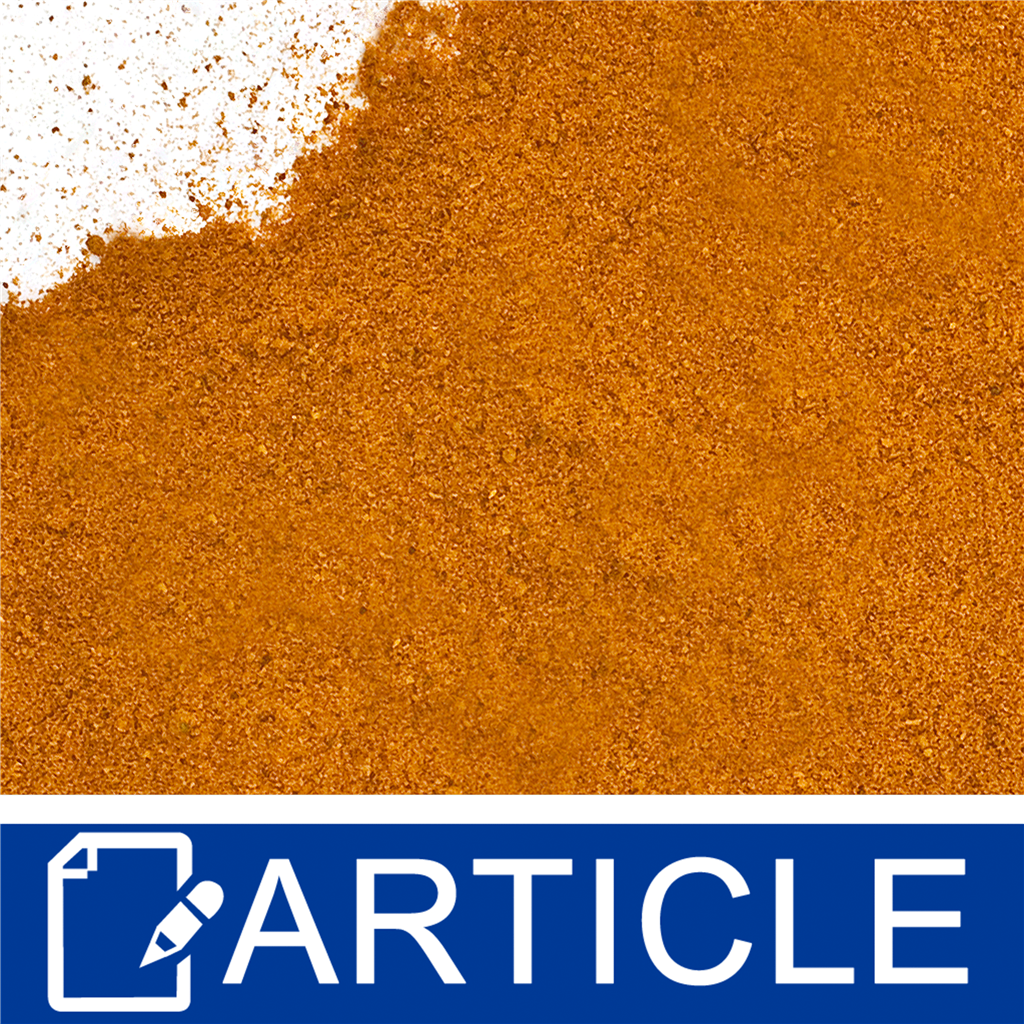
Adding Natural Powders to soaps is becoming increasingly popular as more and more people are becoming more cognizant of products. Rose Hip Powder is an all-natural powder derived from the fruit of roses that your customers will love! The powder produces colors ranging from burgundy to tan to brown depending on usage amounts and your recipe and adds an abundance of features to your soap including a gentle exfoliation. Let's learn how to use it!
Making Hair & Beard Pomade

Article

Making Hair & Beard Pomade
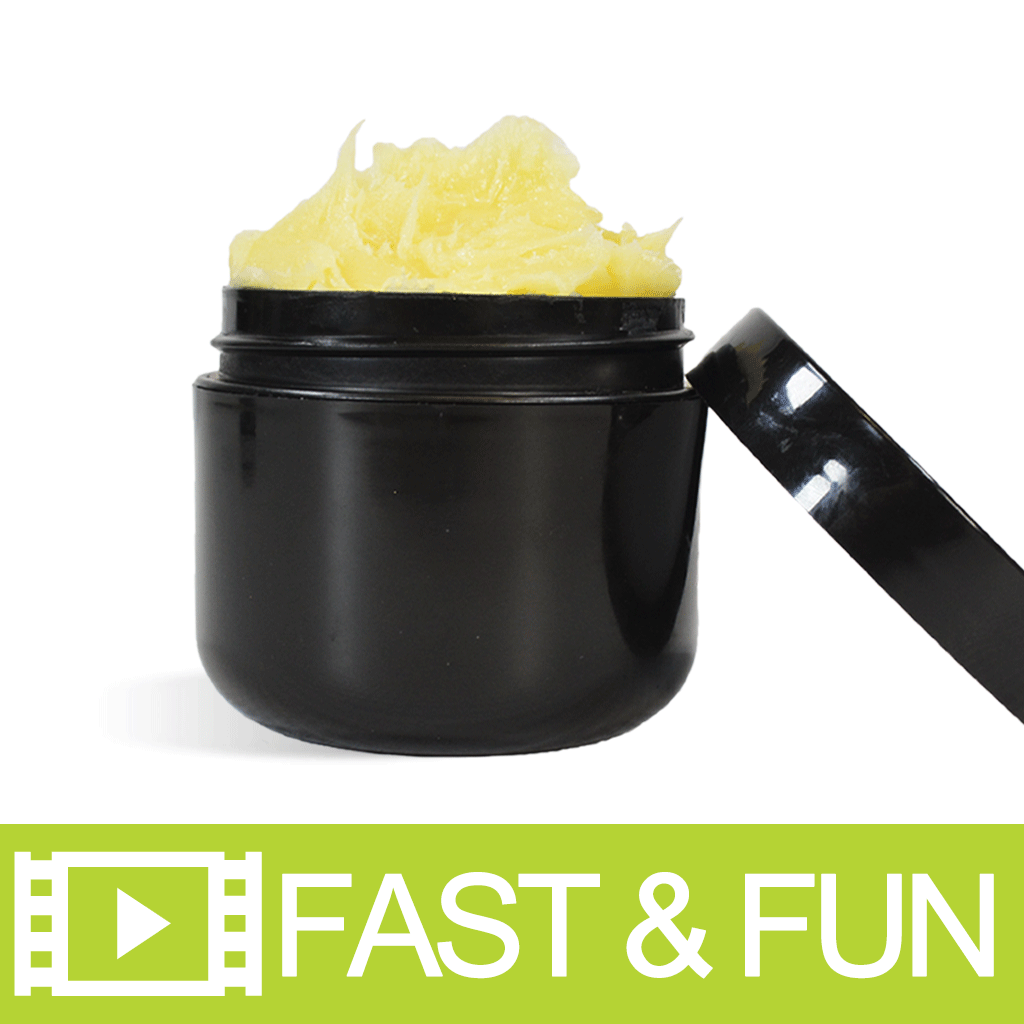
Watch the unique process behind making Hair & Beard Pomade! This pomade can be used every day to look styled and groomed, a great addition to an men's product line.
Ditch These Bad Business Habits and Start Fresh

Article

Ditch These Bad Business Habits and Start Fresh
The onset of spring means fresh starts and new beginnings. Why not apply some of its inspiration to ditch some of your bad behaviors—and start spring off on the right foot? Here are common business mistakes small business owners make—and how to replace them, and start fresh.
Simple Secrets: Blending Custom Colors

Article

Simple Secrets: Blending Custom Colors
The GoalWhile soap and cosmetic suppliers carry a plethora of different colors, sometimes the exact hue you are looking for isn't an option. This is when you create your own custom colors by blending different powders together to create the perfect shade to complement your soap and fragrance. We blended neon powders to create the pictured orange and green colors for our Muddled Melon scented melt and pour soap.Cantaloupe Orange: 3 micro scoops Neon Yellow Hello Powder + 1 micro scoop Neon Orange You Glad PowderCantaloupe Green: 2 micro scoops of Neon Yellow Hello Powder + 1 micro scoop of Blue Bye Your Powder