Articles

Crafting Your Own Minty Foot Bath Bombs for Soothing Relief

Article

Crafting Your Own Minty Foot Bath Bombs for Soothing Relief
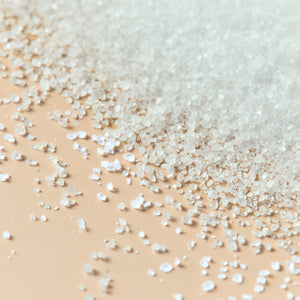
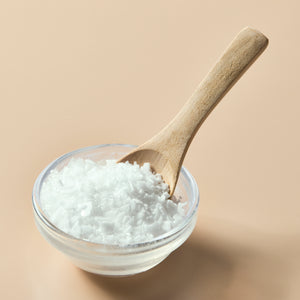
Creating a refreshing treat for your feet has never been easier with this minty foot bath bomb recipe. Pamper yourself with homemade spa-like luxury that invigorates your feet and your entire mood. Below, we've outlined everything you need to know to create these effervescent wonders at home. Minty foot bath bombs are a delightful way to end your day. They combine the enthusiasm of bath bombs with the cooling and refreshing properties of mint. These bombs are designed to soothe tired, aching feet while providing a spa-like experience in the comfort of your home. Whether you're an athlete, standing all day at work, or just looking for a way to relax, these minty foot bombs are a perfect treat. To get started, you'll need the following ingredients: 1 cup baking soda 1/2 cup citric acid 1/2 cup Epsom salt 1/4 cup cornstarch 1/4 cup coconut oil (melted) 10-15 drops of peppermint essential oil A few drops of green food coloring (optional for that minty look) Witch hazel or water in a spray bottle (for binding) Molds (silicone molds or plastic Christmas ornaments work great) Step 1. Mix Dry Ingredients: In a large bowl, whisk together baking soda, citric acid, Epsom salt, and cornstarch.Step 2. Add Wet Ingredients: Slowly mix in the melted coconut oil and peppermint essential oil to the dry mixture. Add the food coloring and mix until you achieve your desired color.Step 3. Bind Together: Spritz the mixture with witch hazel or water sparingly, stirring continuously until the mixture holds together when squeezed.Step 4. Mold: Pack the mixture tightly into your molds. If using a two-part mold, press the halves together firmly.Step 5. Dry: Allow the bombs to dry in their molds for at least 24 hours before gently removing them. Minty foot bath bombs are not just about relaxation; they offer several benefits: Soothing Relief: The Epsom salt helps to relieve muscle aches and pains. Refreshing: Peppermint essential oil is cooling and refreshing, helping to rejuvenate tired feet. Moisturizing: Coconut oil moisturizes and softens the skin, making your feet smooth. Ensure your mixture has the right consistency before molding. It should be damp but not wet. Press the mixture firmly into molds to prevent crumbling. Allow ample time for drying to ensure your bombs are appropriately set. Prepare: Fill a basin or foot spa with warm water. Drop: Place one minty foot bath bomb into the water and allow it to dissolve. Soak: Immerse your feet in the minty, fizzy water for 15-20 minutes. Dry and Moisturize: Pat your feet dry and follow up with a moisturizer for an extra treat. With this minty foot bath bomb recipe, you're well on your way to giving your feet the care and attention they deserve. Enjoy the refreshing, soothing experience at home and enter a world of comfort and relaxation.
Saffron In Skincare

Article

Saffron In Skincare
Saffron is a culinary spice derived from the stigma of the flower of Crocus sativus ("saffron crocus"). The saffron crocus plant grows up to 8–12" and bears up to four flowers. Each flower displays three bright crimson stigmas, which are the distal end of a carpel. These stigmas, called threads, are collected and dried for use mainly as a seasoning and coloring agent in culinary products.
Sugar, A Sweet Treat For Formulators

Article

Sugar, A Sweet Treat For Formulators

The most common use of sugar in cosmetics is in sugar scrubs, but there are more skin benefits to sugar than you may think. Try some in your formulas today!
Melody Of Scent: Blending Essential Oil By Aromatic Note
Article

Melody Of Scent: Blending Essential Oil By Aromatic Note
Creating your own essential oil blends can be exciting and incredibly satisfying. As you work with aromatics, you’ll soon learn there are many perspectives from which to blend essential oils, depending on your intended outcome. 
Benefits & Detoxing with Bentonite Clay in Soap
Article

Benefits & Detoxing with Bentonite Clay in Soap
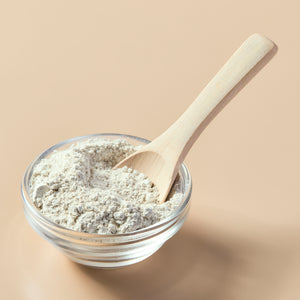
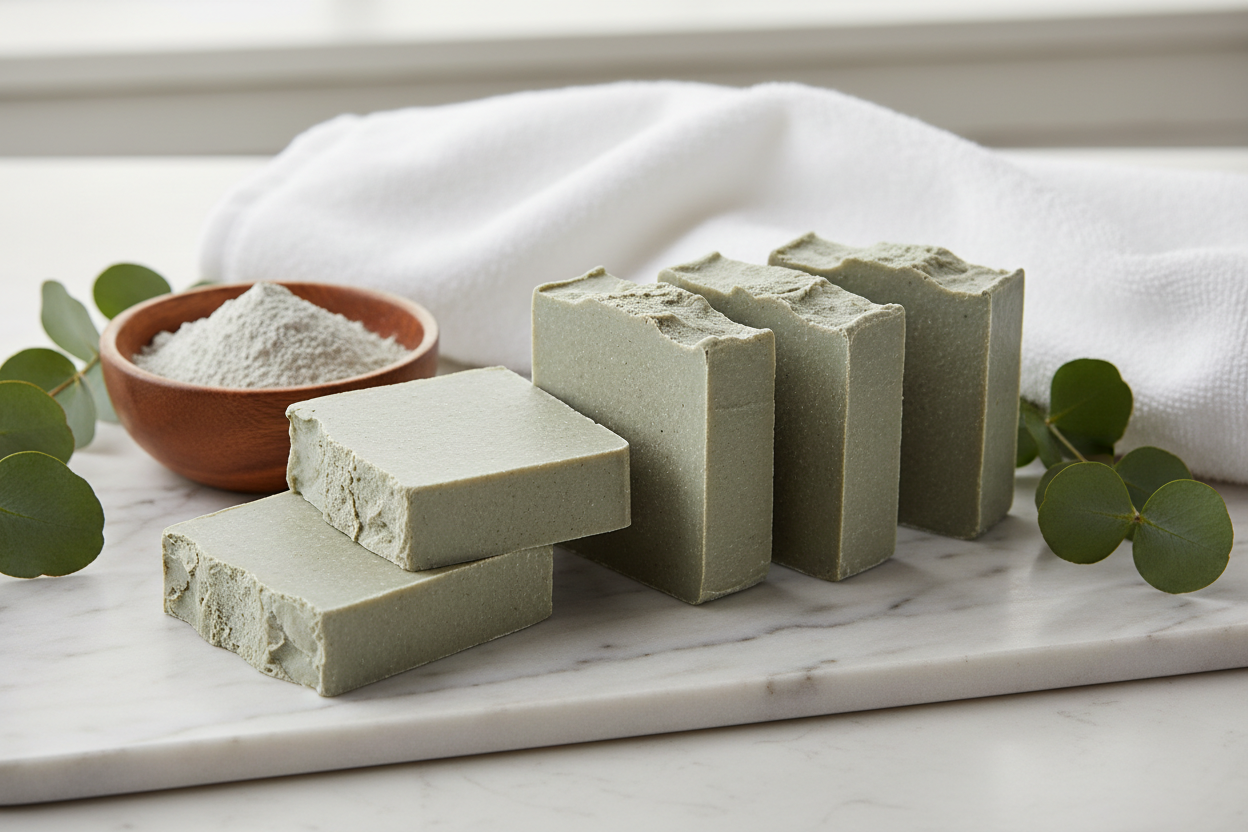
Bentonite clay has been used for centuries for its detoxifying properties and ability to promote clearer, healthier skin. As a popular ingredient in natural skincare products, it’s no wonder that bentonite clay has found its way into soap making. Incorporating this powerful clay into your soap can elevate your skincare routine and offer a soothing, detoxifying cleanse. In this blog, we’ll explore the benefits of a detox with bentonite clay in soap and how you can integrate it into your soap-making process. Bentonite clay is a natural substance formed from volcanic ash that has aged over time. It is primarily composed of montmorillonite, a mineral with a highly absorbent and swelling structure. When mixed with water, bentonite clay expands and develops an electrical charge, which makes it highly effective at drawing out toxins and impurities from the skin. This makes it a go-to ingredient in detox products, such as face masks, body treatments, and now, soaps. Adding bentonite clay to soap offers a variety of skincare benefits. Here are some of the key bentonite clay soap benefits: Detoxification: Bentonite clay has powerful detoxifying properties that help pull impurities, toxins, and heavy metals from the skin, leaving it cleaner and clearer. Oil Absorption: The clay effectively absorbs excess oil, making it ideal for people with oily or acne-prone skin. Gentle Exfoliation: Bentonite clay provides a mild exfoliation, helping to remove dead skin cells and promote smoother skin without being too abrasive. Soothing Effect: The clay has calming properties that can reduce inflammation and irritation, making it suitable for sensitive or irritated skin. Mineral-Rich Nourishment: Bentonite clay is rich in essential minerals like silica, calcium, magnesium, and potassium, which can help replenish and revitalize the skin. One of the most appealing properties of bentonite clay soap is its ability to detox the skin. But how exactly does this process work?When wet, bentonite clay acts like a sponge, swelling up and creating a negatively charged surface. This negative charge attracts positively charged toxins, impurities, and heavy metals, binding them to the clay. As the clay is washed off the skin, it takes these impurities with it, effectively detoxing with bentonite clay. This makes it an excellent choice for those looking to purify their skin and achieve a deep cleanse, especially when incorporated into a soap used regularly. While bentonite clay offers a range of benefits, it’s particularly effective for certain skin types: Oily Skin: Bentonite clay’s ability to absorb excess oil makes it perfect for individuals struggling with oily or combination skin. It helps regulate sebum production while maintaining a healthy moisture balance. Acne-Prone Skin: The detoxifying and exfoliating properties of bentonite clay help unclog pores, reduce acne breakouts, and soothe inflamed skin. Sensitive Skin: Thanks to its soothing nature, bentonite clay can be used on sensitive or reactive skin types to calm irritation and redness without causing further aggravation. Dull or Tired Skin: For those looking to revive their complexion, bentonite clay can help remove dead skin cells and promote a more radiant, refreshed look. If you're a soap maker or someone interested in creating natural skincare products, incorporating bentonite clay into your soap recipes is a simple process. Here's how: Choose the Right Amount: When adding bentonite clay to soap, use about 1-2 teaspoons of clay per pound of soap base. Too much clay can make the soap crumbly, so be mindful of the quantity. Mix with Water or Oil: Before adding bentonite clay to your soap mixture, blend it with a small amount of water or oil to form a smooth paste. This helps distribute the clay evenly throughout the soap. Add to Melted Soap Base: If you’re using a melt-and-pour soap base, simply stir the clay paste into the melted soap. For cold-process soap, add the clay after the lye-water mixture has been combined with the oils. Essential Oils for Extra Benefits: Consider adding essential oils like tea tree or lavender to complement the detoxifying properties of bentonite clay and enhance the soap's benefits. Let It Cure: After pouring your soap into molds, let it cure for the recommended time, depending on the soap-making method you’re using. This ensures the soap sets properly and is ready for use. Q: Can bentonite clay be used on all skin types?A: While bentonite clay is generally safe for most skin types, it’s especially beneficial for oily, acne-prone, or sensitive skin. If you have very dry skin, use bentonite clay sparingly, as its oil-absorbing properties could exacerbate dryness.Q: How often should I use bentonite clay soap?A: It’s safe to use bentonite clay soap daily, but if you notice any dryness or irritation, consider reducing usage to a few times a week, especially if you have sensitive skin.Q: Does bentonite clay soap expire?A: Bentonite clay itself doesn’t expire, but the soap may have a shelf life depending on the oils and ingredients used. Be sure to store your soap in a cool, dry place to extend its shelf life.
Soaping in Slippers - Avocado Melt & Pour Soap and More

Article

Soaping in Slippers - Avocado Melt & Pour Soap and More
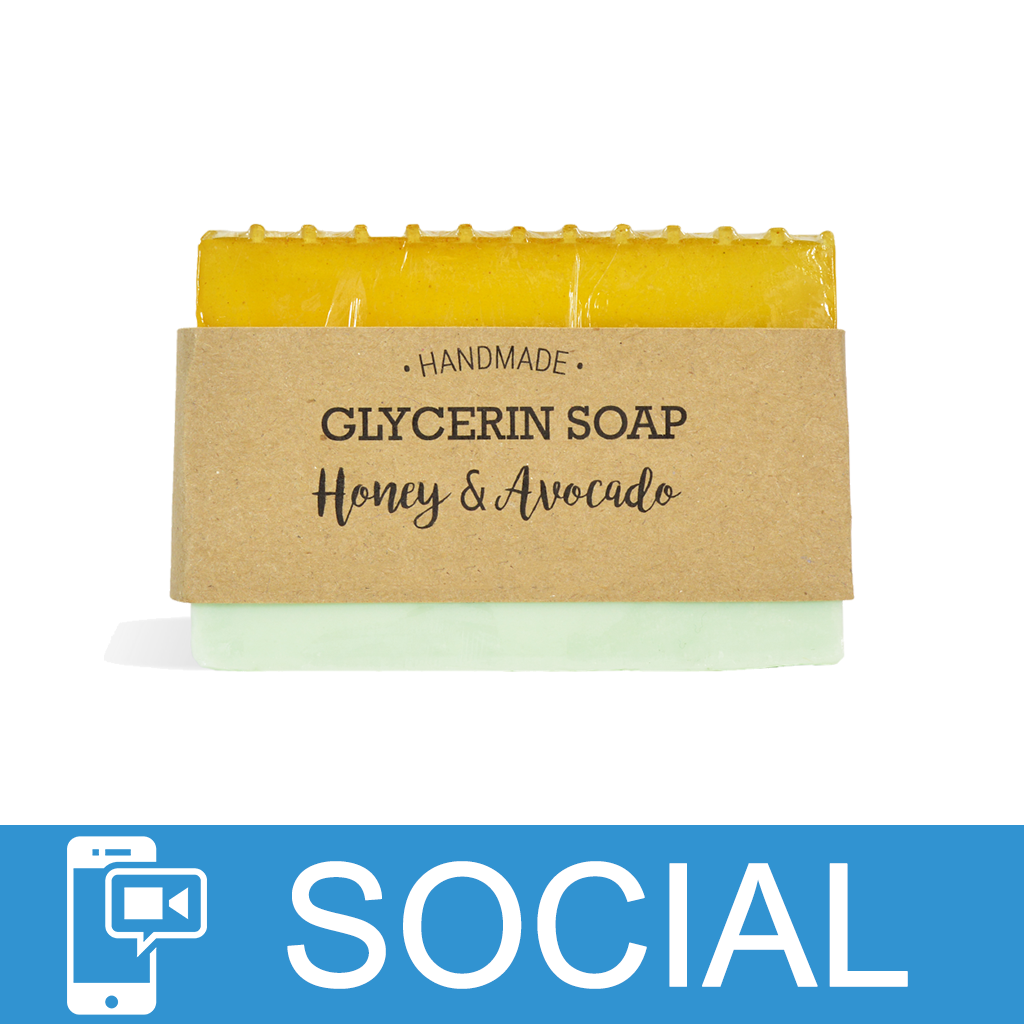
Join Debbie May from WSP in her home as she makes Avocado Melt & Pour Soap, Scrubby Hand Soap and more! She answers questions about soap bases and teaches you how to troubleshoot when Melt & Pour layers don't stick after unmolding. 
7 Simple Ways to Increase Cash Flow

Article

7 Simple Ways to Increase Cash Flow

Adding inventory and bulking up your advertising budget are not the only ways to increase cash flow. Don’t forget that sometimes the best resource for increased cash flow is right at your fingertips: your existing customer base and prospect list. Here are some things you can do to attract your current customers to increase cash flow.
Simple Secrets: Incorporating Wine Into Cold Process Soap

Article

Simple Secrets: Incorporating Wine Into Cold Process Soap
GoalThe use of wine in soap adds market appeal and some believe the sugar content adds a luxurious lather. Caution must be exercised when using alcoholic beverages in soap because this is an advanced soap making technique that if done improperly can lead to a soap volcano or seized soap. We took extra care in creating these lovely bars of soap made with Merlot. In this article, we will share tips and tricks for creating Wine Soap.
Sun Safety with Essential Oils: Understanding Phototoxicity
Article

Sun Safety with Essential Oils: Understanding Phototoxicity
Phototoxicity (photoirritation) is a chemically induced skin irritation that requires light and does not involve the immune system. It is a type of photosensitivity.
Facebook Live Video Newsletter: Making Lip Balm from Scratch with Strawberry Powder

Article

Facebook Live Video Newsletter: Making Lip Balm from Scratch with Strawberry Powder
In this Video Newsletter, Debbie May demonstrates how to make lip balm from scratch using the Crafter's Choice Strawberry Powder. She also give a tutorial on how to use the Crafter's Choice Lip Tube Filling Tray and does a sneak peek into new products coming to Wholesale Supplies Plus. 
DIY Sugar Cookie Scrub Recipe for Glowing, Smooth Skin

Article

DIY Sugar Cookie Scrub Recipe for Glowing, Smooth Skin
There’s something truly special about the comforting scent of freshly baked sugar cookies, especially during the holiday season. Imagine capturing that delightful aroma in a skincare product that not only smells amazing but also leaves your skin soft, smooth, and glowing. That’s exactly what you get with a DIY sugar cookie body scrub! This easy-to-make scrub is perfect for indulging your senses while exfoliating and moisturizing your skin. In this blog, we’ll guide you through the benefits of using a sugar cookie scrub, how to make your own at home, and tips for customizing it to perfection. Here’s why you’ll love incorporating this sugar cookie scrub into your skincare routine: Gentle Exfoliation: The fine sugar granules in a sugar cookie scrub effectively remove dead skin cells, revealing a brighter and smoother complexion underneath. This helps to prevent clogged pores and keep your skin looking fresh. Deep Moisturization: The rich oils used in this scrub, like coconut or almond oil, deeply hydrate your skin, leaving it soft and supple. It’s a perfect way to combat dry, winter skin. Aromatherapy: The warm, comforting scent of vanilla and sugar in this scrub creates an aromatherapeutic experience that can uplift your mood and bring a sense of coziness, especially during the colder months. Skin Softening: With regular use, a sugar cookie scrub helps soften rough patches on the skin, making it feel as smooth as the dough of your favorite cookies. To create the perfect sugar cookie scrub, you’ll need a few key ingredients that not only provide skincare benefits but also mimic the delightful scent of freshly baked cookies: Sugar: The primary exfoliant in this scrub, sugar gently buffs away dead skin cells. Brown sugar can be used for a softer texture, while granulated sugar offers a slightly more vigorous scrub. Coconut Oil: This rich, moisturizing oil is perfect for binding the scrub together while deeply hydrating your skin. It also adds a subtle, sweet scent that complements the sugar cookie aroma. Vanilla Extract: For that authentic sugar cookie scent, vanilla extract is a must. It adds warmth and sweetness to the scrub, making it smell just like a batch of cookies fresh from the oven. Almond Oil: Almond oil enhances the moisturizing properties of the scrub and provides a silky texture that glides easily over the skin. Optional Additives: For an extra festive touch, consider adding a pinch of cinnamon or nutmeg. These spices not only enhance the scent but also offer additional skin benefits, like boosting circulation. Ready to indulge in the sweet, skin-softening benefits of a sugar cookie scrub? Follow these simple steps to create your own batch: Gather Your Ingredients: Start by measuring out 1 cup of sugar, 1/2 cup of melted coconut oil, 1 teaspoon of vanilla extract, and 2 tablespoons of almond oil. If you’re adding spices, a small pinch will do. Mix the Ingredients: In a mixing bowl, combine the sugar and oils. Stir until the sugar is fully coated and the mixture reaches a consistent, spreadable texture. Add Vanilla and Spices: Stir in the vanilla extract and any optional spices, ensuring they are evenly distributed throughout the scrub. Transfer to a Jar: Once everything is well mixed, spoon the scrub into a clean, airtight jar. Be sure to label it with the contents and date, especially if you plan to gift it. Enjoy Your Scrub: To use, apply the sugar cookie scrub to damp skin, massaging gently in circular motions. Rinse off with warm water, and enjoy the lingering scent of sugar cookies on your skin. To get the most out of your DIY sugar cookie scrub, follow these tips for use and storage: Gentle Application: Use the scrub on damp skin, applying in gentle, circular motions to avoid irritation. It’s perfect for use in the shower or bath. Frequency: For most skin types, using the scrub 1-2 times per week will keep your skin smooth without over-exfoliating. Proper Storage: Store your scrub in an airtight container, away from direct sunlight, to keep it fresh. If stored properly, it should last for up to 3 months. Use a Clean Scoop: To avoid introducing water or bacteria into the scrub, always use a clean spoon or scoop to remove it from the jar. Gift Presentation: If you’re gifting the scrub, consider packaging it in a decorative jar with a ribbon and a handwritten label. It makes for a charming, homemade holiday gift. Q: Can I use this sugar cookie scrub on my face?A: While the scrub is gentle, it’s best suited for body use. The skin on your face is more delicate, so consider using a scrub specifically formulated for facial exfoliation.Q: How often should I use the sugar cookie scrub?A: For most skin types, using the scrub once or twice a week is ideal. This frequency allows for effective exfoliation without causing irritation.Q: Will the vanilla extract stain my skin?A: Vanilla extract typically does not stain the skin, especially when used in the small amounts required for this scrub. However, if you’re concerned, you can perform a patch test first.Q: Can I use a different type of oil in my sugar cookie scrub?A: Absolutely. You can substitute almond or coconut oil with other oils like jojoba or grapeseed oil, depending on your skin’s needs and your personal preference.In conclusion, a DIY sugar cookie scrub is a delightful way to pamper yourself and enjoy the sweet, nostalgic scent of freshly baked cookies. With just a few simple ingredients, you can create a luxurious scrub that leaves your skin soft, smooth, and glowing. So why not treat yourself (or a friend) to a batch of this deliciously fragrant sugar cookie scrub?
Substituting Oils in Soap + Cosmetic Recipes

Article

Substituting Oils in Soap + Cosmetic Recipes
When I first started making bath & body products, nothing captivated me more than emulsified products like lotions and hair conditioners. I spent days scouring my favourite fora, suppliers’ sites, and manufacturers’ formularies looking for recipes I could try next. I’d find a lotion recipe entitled something lovely like “Sweet almond & aloe body cream”, rush down to my local supplier to buy all the ingredients, then rush back to my workshop to make it. Then I’d find another one, “Apricot kernel & shea butter hand lotion” or “Grapeseed oil & mango butter foot soother”, and I couldn’t wait to get all the ingredients to make those, too.