Articles

What is Your Money Story?

Article

What is Your Money Story?
Do you resent “rich people”? You may be surprised to know that could be the reason that your business isn’t flourishing and profitable. Individuals who view wealthy people in a negative light are not likely to be successful themselves. Here are some simple, time-saving techniques that can get you on your way to positive thinking and ultimately success! 
Ingredients & Products for High Porosity Hair

Article

Ingredients & Products for High Porosity Hair
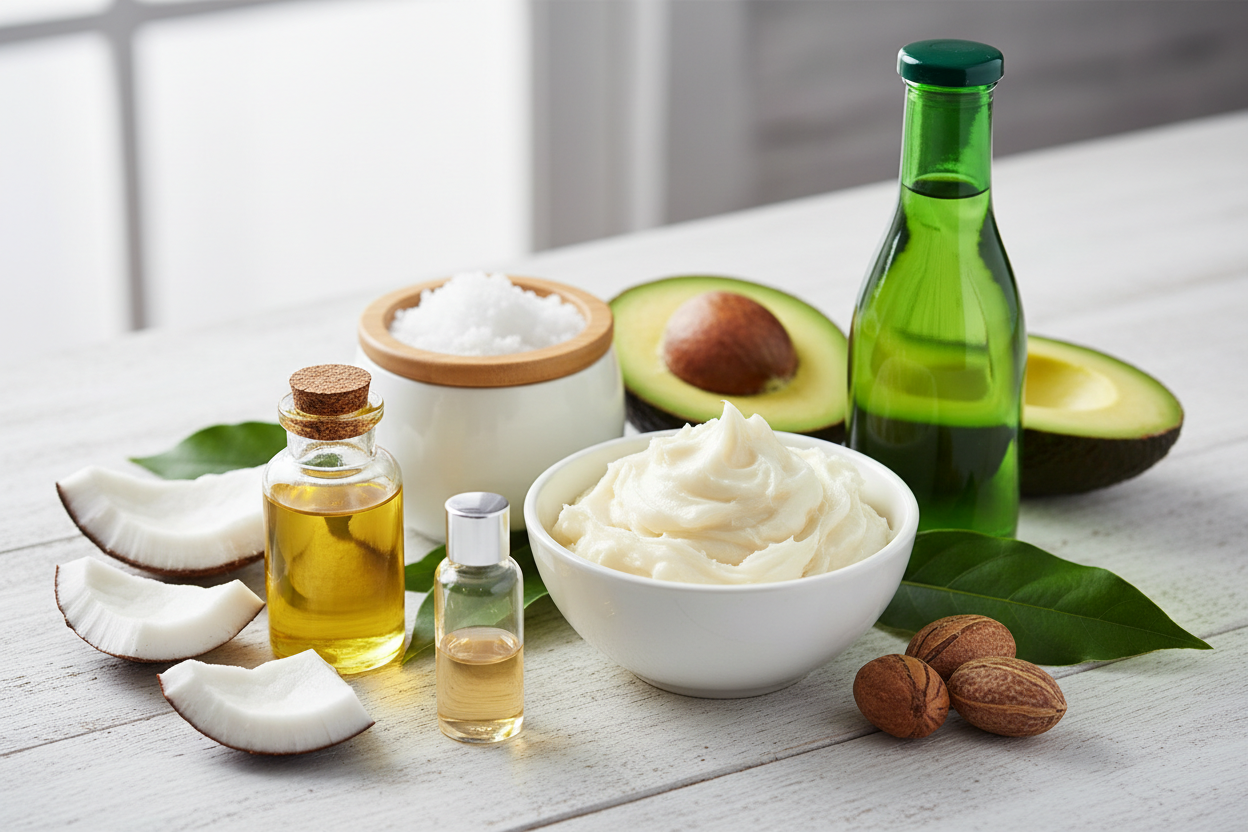
High-porosity hair has cuticles that are more open, allowing moisture to enter easily but also escape quickly. This guide will introduce you to the best ingredients for high-porosity hair, what to avoid, and effective hair products. For small business owners, soap makers, and DIY enthusiasts, this resource will help you create high-quality products designed for high-porosity hair. High-porosity hair often results from damage, environmental exposure, or naturally loose cuticle layers. While it absorbs moisture well, it can quickly lose hydration, leading to dryness and frizz. Products for high-porosity hair should focus on sealing moisture in and strengthening the hair’s structure to prevent further damage. When crafting hair products for high-porosity hair, prioritize ingredients that is believed to offer deep hydration and can help form a barrier: Shea ButterShea butter is a rich emollient that helps seal moisture into high-porosity hair, providing lasting hydration and protection. Castor OilKnown for its thick, occlusive properties, castor oil is ideal for high-porosity hair. It locks in moisture and smooths the hair cuticle, making it perfect for deep conditioners and sealing oils. Coconut OilCoconut oil penetrates the hair shaft and helps strengthen high-porosity hair. It also provides a protective layer that reduces protein loss. Avocado OilRich in nutrients and fatty acids, avocado oil is absorbed well and provides moisture retention, which is beneficial for hair products. Hydrolyzed ProteinsHigh-porosity hair benefits greatly from protein treatments. Ingredients like hydrolyzed keratin or silk protein can help strengthen hair strands, reducing breakage and filling in gaps. To ensure maximum benefit, avoid ingredients that may exacerbate dryness or leave hair vulnerable to damage: Alcohol-Based Ingredients: Some alcohols, like ethanol or isopropyl alcohol, can dry out high-porosity hair. Light Oils (such as grapeseed oil): While great for low-porosity hair, light oils don’t provide the moisture retention high-porosity hair needs. Harsh Sulfates: Sulfates strip the hair of natural oils and can leave high-porosity hair overly dry and fragile. 1. Moisturizing ShampooFor high-porosity hair, a sulfate-free shampoo with moisturizing ingredients like coconut oil or shea butter helps cleanse without over-drying.2. Rich Deep ConditionerLook for ingredients such as castor oil, avocado oil, and hydrolyzed proteins. Deep conditioners for high-porosity hair should focus on moisture retention and cuticle repair.3. Leave-In ConditionerA leave-in conditioner containing rich emollients like shea butter or castor oil helps keep hair moisturized between washes. Lightweight sprays may not be as effective for high-porosity hair, which needs more substantial hydration.4. Protein TreatmentsRegular protein treatments are essential for high-porosity hair. Hydrolyzed keratin, wheat protein, and silk protein are ideal for strengthening hair and filling in cuticle gaps.5. Sealing Oils and ButtersSealing oils and butters, like castor oil or shea butter, are perfect finishing steps for high-porosity hair care. They help lock in moisture, reducing frizz and preventing moisture loss. Wholesale Supplies Plus offers a wide selection of premium ingredients tailored to high-porosity hair needs. From shea butter and coconut oil to hydrolyzed proteins and rich emollients, you’ll find everything you need to craft products that seal moisture in and strengthen. Prioritize moisture-retentive and strengthening ingredients to meet the needs of this hair type effectively.
Sprucing Up Every Day Products For The Holidays
Article

Sprucing Up Every Day Products For The Holidays
The holiday season offers plenty of opportunities to showcase your products as the perfect gift for your customers' family, friends, teachers, and more. The good news is that you don't need to create a completely new product line of homemade holiday soaps. Instead, you can make a few tweaks to your existing packaging and marketing strategies to excite your customers and prime them to choose your soaps for their holiday gift giving. Follow these three tips to get your shop ready for the holiday season this year. 
Some Like it Hot: HP vs CP Soaping

Article

Some Like it Hot: HP vs CP Soaping

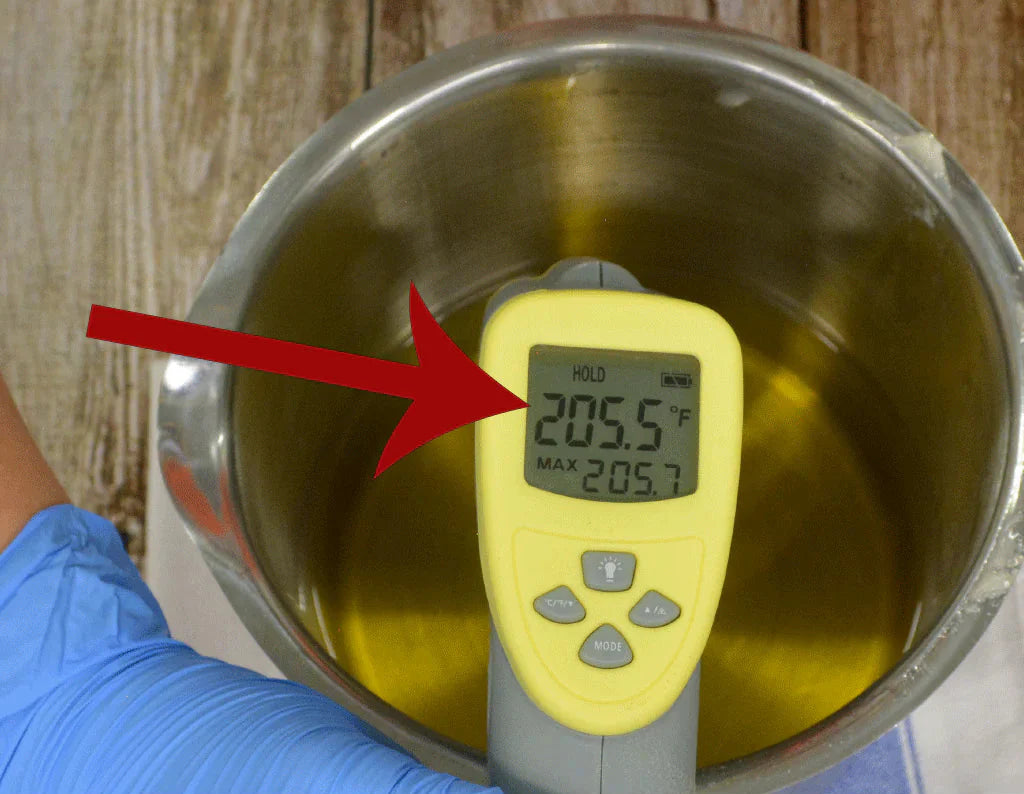
Cold Process and Hot Process soaps are often grouped together (CP/HP) because the methods and chemistry are quite similar. The most obvious distinction is that in the Cold Process, oils are heated prior to adding the lye. In the Hot Process, the oils continue to be heated after the lye is added. But the more important functional distinction is that the saponification reaction is incomplete when a CP soap is poured into the mold. In fact, at heavy trace CP soap is only about 10% saponified. HP soap, on the other hand, is heated until saponification is complete, and only then is it poured into the mold.
Coffee House Culture & The Handmade Industry
Article

Coffee House Culture & The Handmade Industry
Whether it’s a local mom-and-pop cafe or an established national brand such as Starbucks, the coffee shop industry is becoming increasingly popular. The general public has favorite specialty coffee brands and beverages. This coffee house culture is influencing trends throughout external markets including the handmade soap and cosmetic industry. Many handmade artisans are successfully tapping into these trends that are popularized by the coffee house atmosphere. And this niche market has a growing demand for coffee house inspired products in the handmade beauty industry.
Using Vanilla Color Stabilizer for MP Soap Video

Article

Using Vanilla Color Stabilizer for MP Soap Video
Vanilla affects the color of soap, and can be found in many fragrances. Crafter's Choice® Vanilla Color Stabilizer for MP Soap counteracts the color change; keeping your soap just as you intended! Watch this video to learn more about using vanilla color stabilizer.
Residual Income

Article

Residual Income
Residual income can continue the flow of money after the original business transaction has  been occured. Here are some active and passive types of income that your company can utilize.
Facebook Live Video Newsletter: Making Silky Hair Oil

Article

Facebook Live Video Newsletter: Making Silky Hair Oil
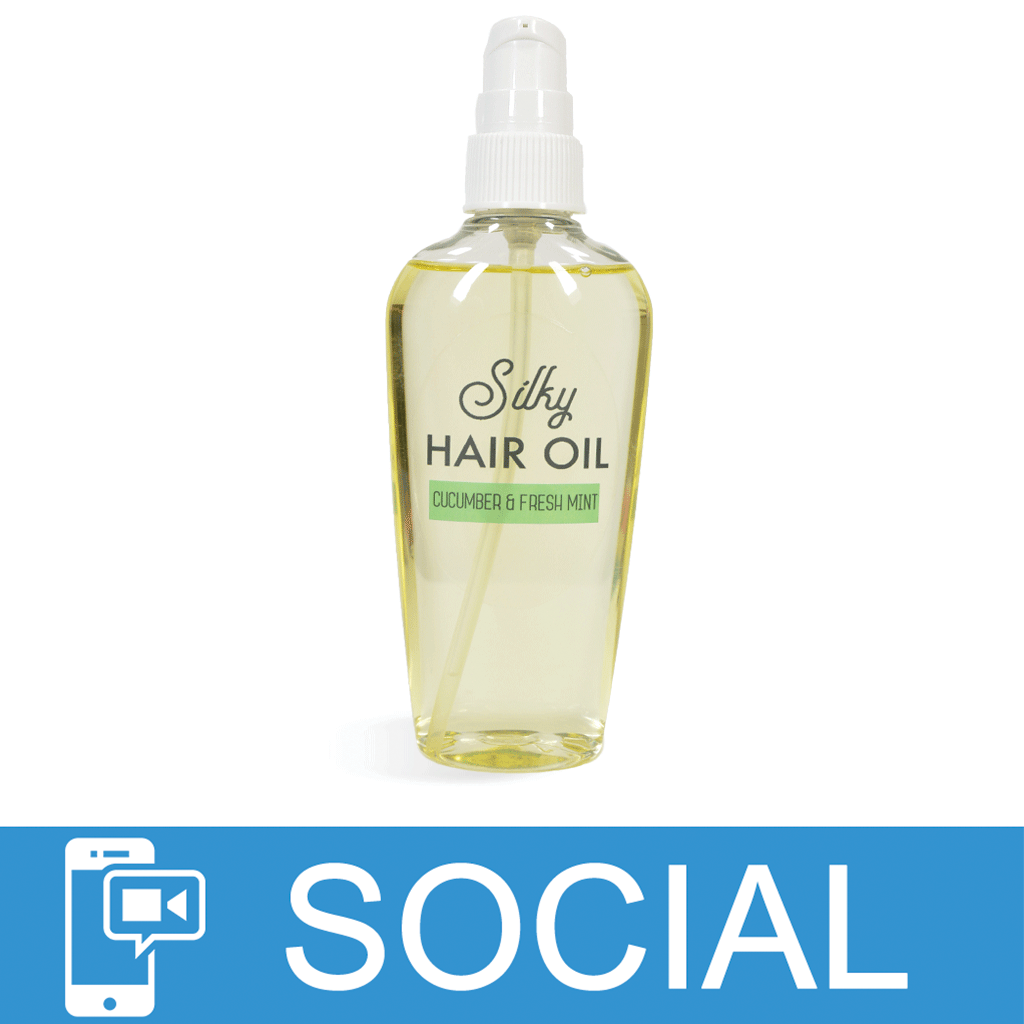
In this Facebook Live Video Newsletter, Debbie Shows you how to make Silky Hair Oil without Cyclomethicone. She also goes over the details of the July 13, 2018 sale and shows new products including stainless steel bath bomb molds, a new Crafter's Choice spatula, and magnesium stearate. 
How About These Apples

Article

How About These Apples
The importance of apples not only for eating but in our skin-care products, too!
Simple Secrets: Embedding MP Soap Into CP Soap

Article

Simple Secrets: Embedding MP Soap Into CP Soap
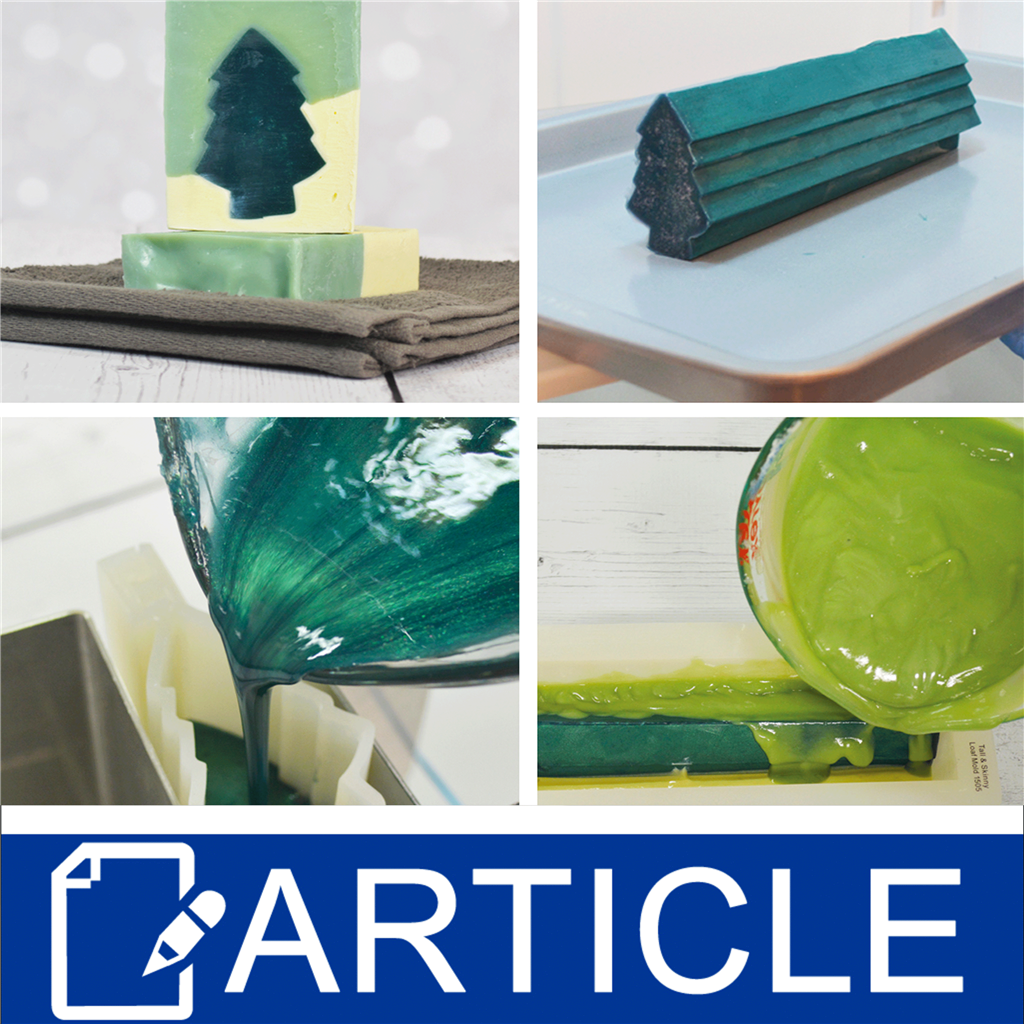
Goal:Soap embeds allow soap makers to add fun shapes and designs to soaps. Silicone column molds are often used to create the desired shape, and then the soap column is embedded into a loaf. When the finished soap is cut, the column shape will appear in each soap slice. There are a variety of column molds available from simple shapes such as circles or hearts to more elaborate shapes such as butterflies or gingerbread men. In this article, we will share some tips for embedding melt and pour soap embeds into cold process soap loaves.
Making Basic Lotion at Home

Article

Making Basic Lotion at Home
Daily handwashing can cause your hands to become dry, chapped and even cracked. Keeping hands moisturized is a very important task, especially during cold and flu season, to keep hands from becoming raw and losing the skin barrier. If you run out of lotion and want to make some on your own, don't be intimidated! Making your own lotion is very easy and uses many ingredients that you may already have at home. Here is some useful information for lotion making beginners and a basic recipe to follow!
Bath and Body Product Trends for a Winter of Wellness

Article

Bath and Body Product Trends for a Winter of Wellness
You didn’t imagine it. That was the first dusting of snow you saw on the ground this morning. While you weren’t looking, winter went ahead and just moved on in like it always does. Sure, it’s cold and windy, but those conditions really make you appreciate the warmth and comfort of your own home, being with loved ones or just spending some time on yourself refocusing, recharging and working out how to add the coolest winter products to your line. After a wholly hectic holiday season and a couple trips to the mall exposing your skin to bitterly cold winds, you’ve probably got your own insights on what your customers are looking for in a winter bath and body product. If not, we’ve gone ahead and circled a few of the major winter trends we’re seeing in the market right now, just to give you a jump on your next line. All things considered; these trends all point to one thing: a winter of wellness, focused on mindfulness and self-care.