Articles

Simple Secrets: Anchoring Fragrances In CP Soap
Article

Simple Secrets: Anchoring Fragrances In CP Soap
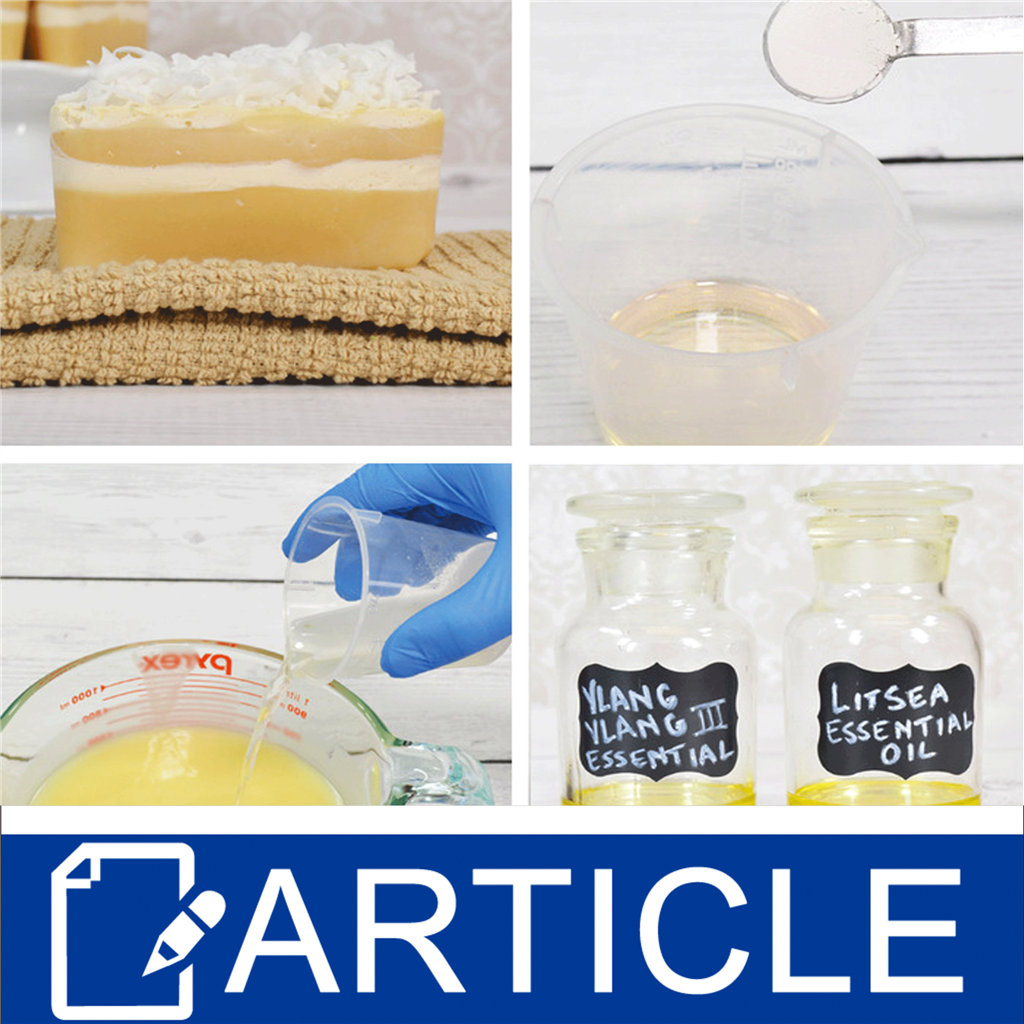
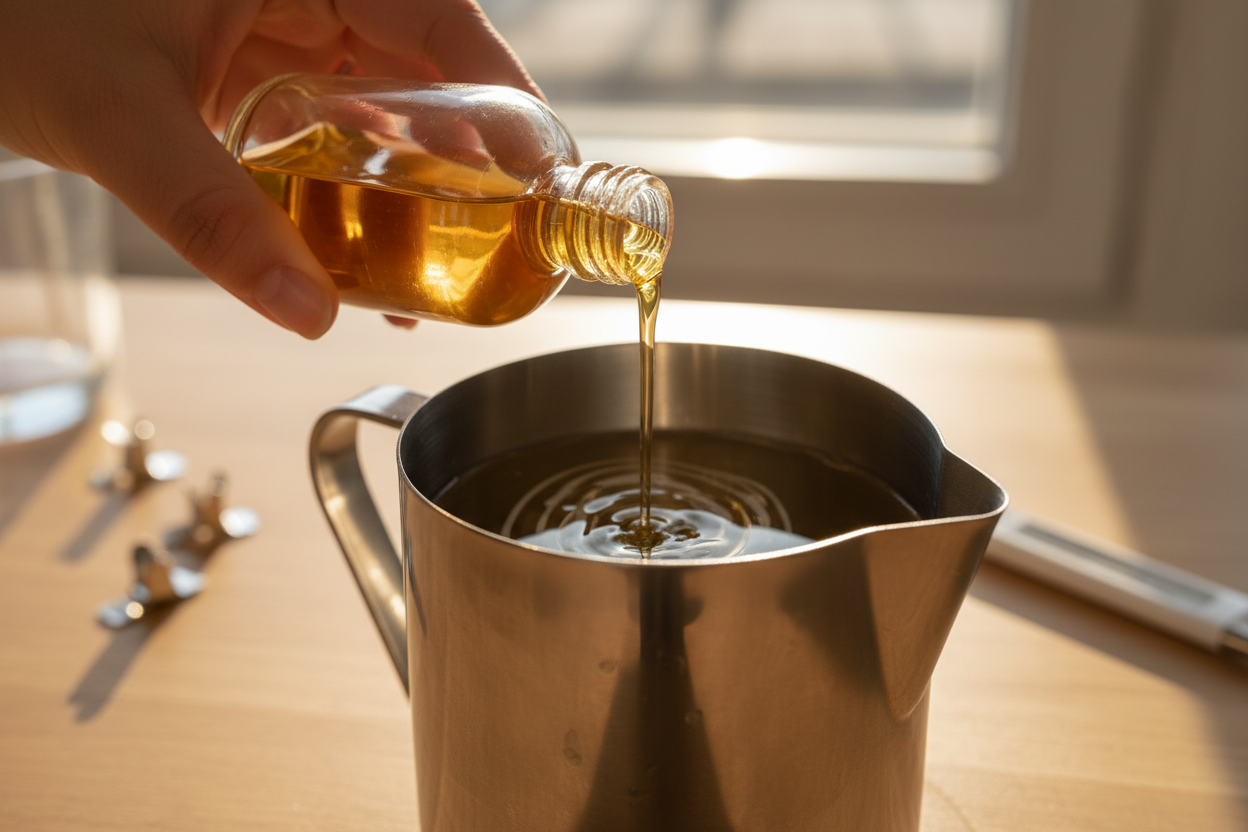
Why Anchor Fragrances?Cold process soap creates a hostile environment for fragrances including fragrance oils and essential oils. The searing temperature of raw soap coupled with the hostile chemical reaction of saponification challenges all fragrance notes to hang on until the end. Unfortunately, not all fragrance notes last the minutes, weeks or months after saponification. Some burn off almost instantly, some hibernate coming out once the smoke has cleared and some hold on like the warriors they are. Coconut fragrances, orange essential oil and light floral essential oils and fragrances are infamous for disappearing in soap whereas patchouli, ylang ylang and litsea cubeba fragrances are known to last. We can anchor problematic fragrances to help with their battle. Here are three suggestions for making the strongest smelling soap.
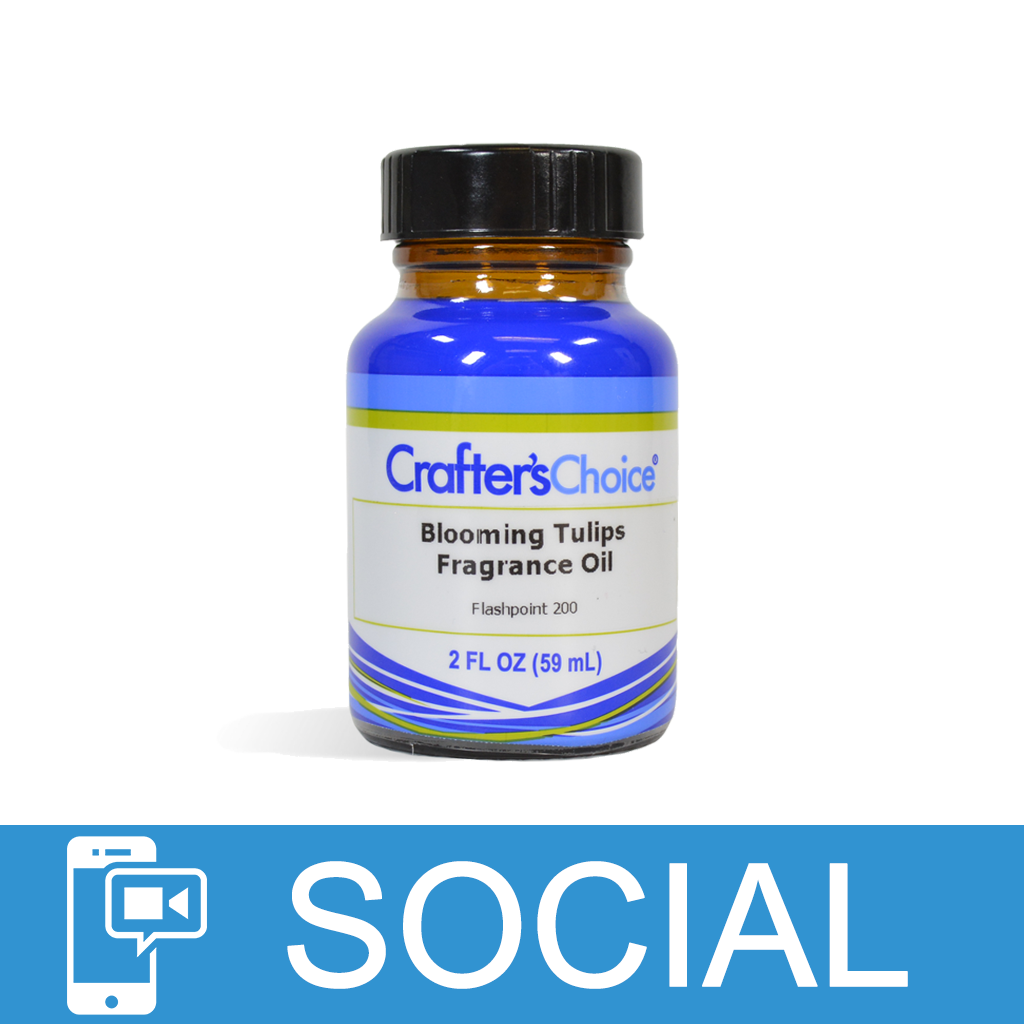
Springtime Tulips Facebook Live: Floral Fragrances, Color, and NEW Molds

Article

Springtime Tulips Facebook Live: Floral Fragrances, Color, and NEW Molds
Join Debbie May for a Springtimetime Tulips Facebok Live. Learn about our favorite spring fragrances, yellow colorants, and see some brand new Milky Way Molds.
The Dangers of DIY Sunscreen

Article

The Dangers of DIY Sunscreen
Formulating sunscreen is complicated, challenging and expensive. In the United States, cosmetics that claim an SPF are viewed as over-the-counter drugs and highly regulated. SPF (Sun Protection Factor) is a measure of a sunscreen's ability to prevent Ultraviolet B (UVB) rays from damaging the skin. Here's how SPF works:  If it takes 20 minutes for your unprotected skin to start turning red, using an SPF 15 sunscreen theoretically prevents reddening 15 times longer, or about five hours.
Incorporating Honey & Beeswax Into Cold Process Soap

Article

Incorporating Honey & Beeswax Into Cold Process Soap
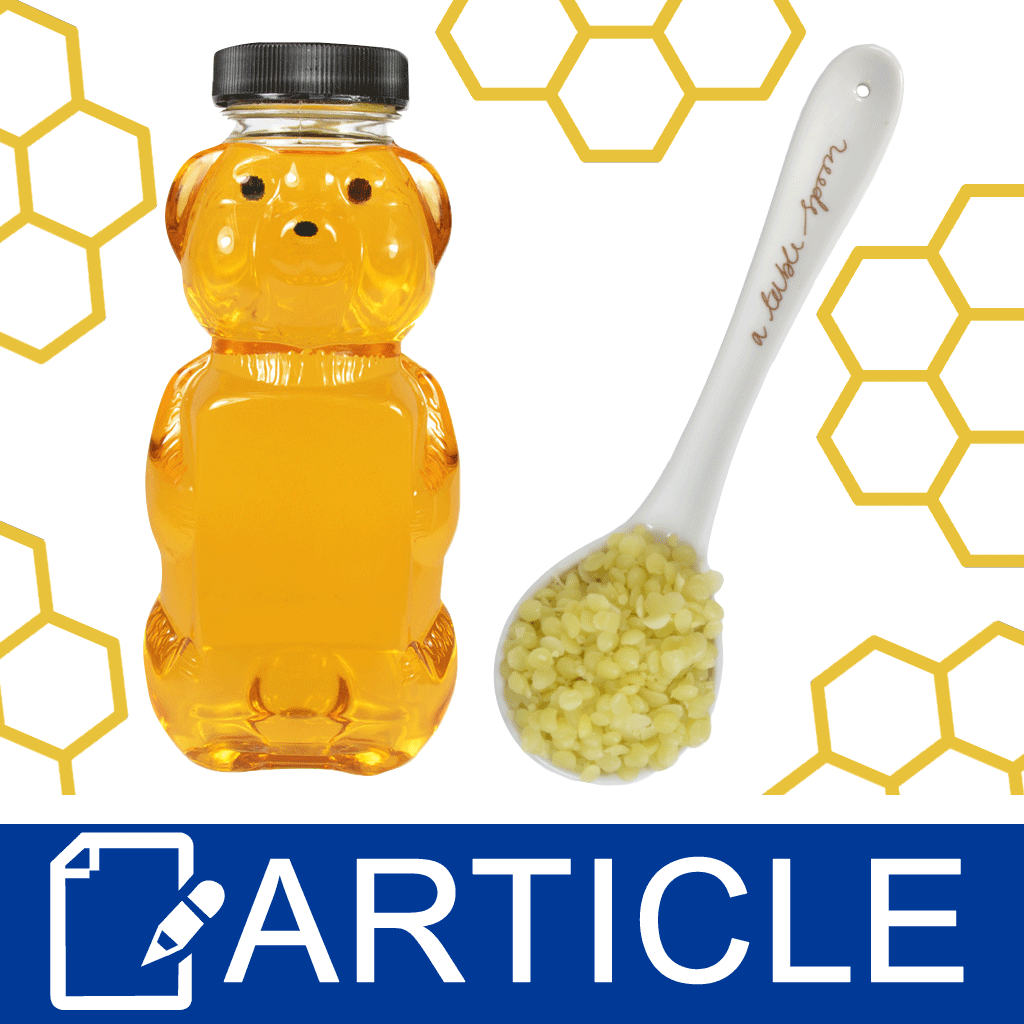
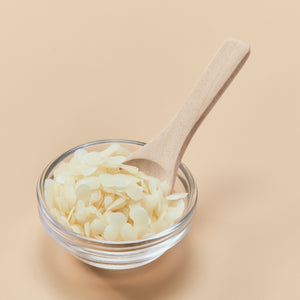
Here we have answered some common Q&A's about incorporating Honey & Beeswax into CP Soap!
How to Get Unstuck in 6 Simple Steps

Article

How to Get Unstuck in 6 Simple Steps
Have you ever gotten stuck to the point where your ideas are not flowing as easily as usual. Here are six simple steps to take to unstick your mind!
DIY Mini Lotion Bars: Easy-to-Make Moisture-Rich Chips

Article

DIY Mini Lotion Bars: Easy-to-Make Moisture-Rich Chips
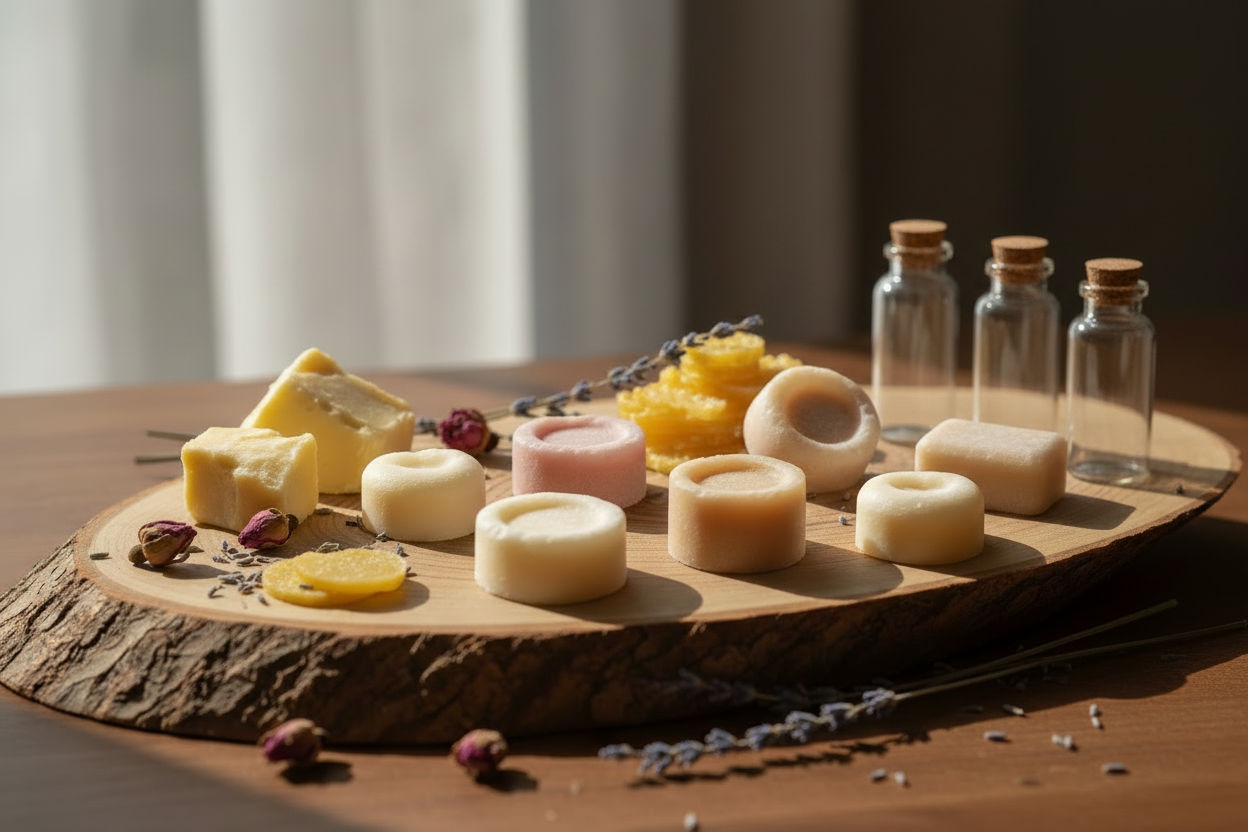
Creating your own mini lotion bars is a fantastic way to keep your skin hydrated on the go. These small, moisture-rich chips of solid lotion are easy to make and even easier to apply. Whether you store them in a portable lip balm tin or a larger cosmetic jar, they’re perfect for whenever your skin needs a little extra love. In this guide, we’ll walk you through the process of making these convenient mini lotion bars at home. Before you start, gather the following supplies: Microwave or Electric Mini Melting Pot: For melting the ingredients. Large Microwave-Safe Glass Container: To hold your mixture. 3 Cups/Bowls: For measuring and holding ingredients. Spoon for Stirring Rubber Gloves: For handling the mixture safely. Silicone Baking Pan: To mold your lotion into thin sheets. Digital Scale: For accurate measurements. Disposable Pipette: To add fragrance oil precisely. Shea Butter (Unrefined) White Beeswax Pastilles Apricot Kernel Oil Fragrance Oil This recipe follows a simple 1:1:1 ratio of: 1/3 Beeswax 1/3 Butters (Shea Butter) 1/3 Oils (Apricot Kernel Oil) This balance ensures your mini lotion bars have the perfect consistency, melting just right with the warmth of your hands while providing deep moisture. Step 1: Measure IngredientsUsing your digital scale, measure out 2.5 ounces each of Beeswax, Shea Butter, and Apricot Kernel Oil. Accurate measurements are key to achieving the right texture for your mini lotion bars.Step 2: Combine Beeswax and Shea ButterPlace the measured Beeswax and Shea Butter into a large microwave-safe glass container.Step 3: Melt in the MicrowaveSlowly melt the Beeswax and Shea Butter in the microwave, heating in 30-second intervals. Stir between each interval to ensure even melting.Step 4: Add Apricot Kernel OilWhen the Beeswax and Shea Butter are halfway melted, add the Apricot Kernel Oil to the mixture. Continue melting as in Step 3, stirring between intervals.Step 5: Final Melt and StirOnce the mixture is nearly melted, with small chunks of butter or wax remaining, remove it from the microwave. Stir thoroughly—the remaining chunks will melt and help cool the mixture slightly.Optional Melting Methods: Electric Mini Melting Pot: If you have one, add the measured ingredients to the pot instead of using the microwave. Stovetop Method: Place the ingredients in a small stainless steel pot and insert it into a larger pot filled with water (double boiler method). Heat slowly.Important: Never heat oils or butters directly over a flame to avoid burning. Step 6: Add Fragrance OilUsing a disposable pipette, add 2 ml of body-safe fragrance oil to the melted mixture. Stir gently to incorporate the fragrance. Keep the fragrance load at 1% (no more than 2 ml) since this is a leave-on product.Step 7: Pour into Silicone PanSlowly pour the melted mixture into a silicone baking pan, creating a thin sheet of solid lotion.Step 8: Let the Mixture HardenAllow the mixture to set until it is completely hardened. You can place the pan in the freezer to speed up the process, but wait until the mixture is slightly firm before moving the pan to avoid spills.Step 9: Remove and Break into ChipsOnce the mixture is fully hardened, gently remove the solid lotion sheet from the pan. Break it into small chips—size them according to your preference. Store your mini lotion bars in a container of your choice, such as a small tin or jar. When you’re ready to use, simply remove a chip and warm it in your hands (especially if it’s cold). The lotion will begin to melt, allowing you to smooth it over your skin. These mini lotion bars are particularly effective on rougher areas like elbows, knees, and heels. Just let the lotion soak in and enjoy the moisturizing benefits! Q: How long do mini lotion bars last?A: Mini lotion bars can last up to 6 months if stored properly in a cool, dry place. The absence of water in the recipe helps extend their shelf life, making them a durable skincare option.Q: Can I customize the fragrance in my mini lotion bars?A: Absolutely! Feel free to experiment with different body-safe fragrance oils to create a scent that suits your preferences. Just remember to keep the fragrance load at 1% for safety.Q: Are mini lotion bars safe for sensitive skin?A: Yes, mini lotion bars made with natural ingredients like Shea Butter, Beeswax, and Apricot Kernel Oil are generally safe for sensitive skin. However, if you have any concerns, do a patch test before using the lotion bars all over your body.Creating your own mini lotion bars is a simple yet rewarding process that allows you to enjoy the benefits of natural, homemade skincare. Not only are these mini lotion bars easy to make, but they also provide a luxurious, moisturizing experience that you can take with you wherever you go. Whether you’re making them for yourself or as thoughtful gifts, these moisture-rich chips are sure to become a favorite in your skincare routine!
Orange Peppermint Deodorizing Spray

Article

Orange Peppermint Deodorizing Spray

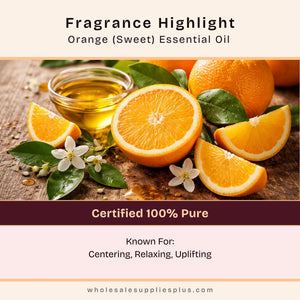
Discover the refreshing and invigorating aroma of peppermint and orange with this delightful DIY Peppermint Orange Deodorizing Spray recipe brought to you by Wholesale Supplies Plus. This aromatic spray combines the zesty energy of orange with the cool freshness of peppermint, creating a scent that not only deodorizes but also uplifts and revitalizes your living space. Perfect for freshening up rooms, linens, and even clothing, this easy-to-make spray is a great alternative to store-bought air fresheners. With this peppermint orange deodorizing spray, you're not just freshening up your home—you're creating an environment that boosts well-being, promotes positivity, and offers a welcoming aroma to anyone who enters. Here's some additional information, benefits, and tips to enhance your experience with this homemade delight. The peppermint orange room spray is more than just a pleasant scent; it's a carefully chosen blend that harnesses the unique benefits of both peppermint and orange essential oils. Peppermint, known for its cooling and calming effects, can help reduce stress and boost energy. Orange, with its bright and cheerful aroma, promotes a positive mood and provides a sense of warmth and comfort. Together, they create a balanced fragrance that invigorates the senses and enhances mental clarity. Using orange and peppermint essential oils in your homemade deodorizing spray not only leaves your space smelling fresh but also offers several health benefits. The orange and peppermint essential oil benefits include antimicrobial properties, making them effective in eliminating airborne bacteria and improving indoor air quality. Additionally, their uplifting scents can help alleviate anxiety and depression, making your home not just a clean space, but a serene haven. Creating a homemade peppermint orange deodorizing spray is not just about mixing essential oils with water; it's an art that combines science, aesthetics, and wellness. Here's an expanded look at the key tips to ensure your creation retains its efficacy and charm. Regarding essential oils, the adage "you get what you pay for" couldn't be truer. High-quality, pure essential oils are the backbone of any effective aromatherapy spray. These oils are extracted in a way that preserves the full spectrum of their chemical compounds, ensuring you benefit from their maximum therapeutic potential.Purity: Look for essential oils that are 100% pure, with no additives, fillers, or synthetic ingredients. This purity ensures that you're bringing the true essence of peppermint and orange into your home without any unwanted chemicals.Potency: The potency of an essential oil can significantly impact its efficacy. High-quality oils are distilled at the right temperatures and pressures to maintain their potent aromatic and therapeutic properties. This means a little goes a long way in creating a scent that's not only pleasant but also beneficial for your wellbeing. Water and oil are notorious for their reluctance to mix. However, shaking your spray bottle vigorously before use creates a temporary emulsion, evenly distributing the essential oils throughout the water. This simple action ensures that each mist contains a consistent blend of water and oil, maximizing the fragrance and effectiveness of your spray with every use.Consistency: Regular shaking before each use maintains the consistency of the scent and prevents the oil from separating and floating to the top.Dispersion: A well-shaken bottle ensures the fine mist carries a balanced aroma, allowing the essential oils to evenly disperse in the air and over surfaces. Essential oils are sensitive to environmental changes, particularly light and heat, which can alter their chemical composition and reduce their effectiveness.Cool Storage: Keeping your spray in a cool environment helps slow down the oxidation process, preserving the oils' integrity and extending their shelf life.Darkness: Light, especially sunlight, can degrade essential oils over time. Storing your spray in a dark place, or using amber or blue glass bottles, protects the oils from UV radiation. The choice of container for your peppermint orange deodorizing spray isn't just about aesthetics; it's about preservation and safety.Chemical Reaction: Certain essential oils, especially citrus oils like orange, have compounds that can react with plastic, leading to the breakdown of the container and contamination of your spray.Preservation: Glass is impermeable, meaning it won't interact with the oils or allow air or contaminants to seep through. This helps maintain the purity and potency of the spray.Sustainability: Beyond preserving the quality of your spray, glass bottles are a more sustainable option. They can be reused and recycled indefinitely, reducing plastic waste and supporting environmental sustainability.By adhering to these enhanced tips, you'll ensure that your homemade peppermint orange deodorizing spray remains a pure, potent, and pleasant addition to your home, offering a revitalizing way to freshen your space while embracing the therapeutic benefits of aromatherapy. Is the peppermint orange spray safe for pets?While peppermint and orange essential oils are generally safe, pets can be more sensitive to essential oils than humans. It's best to use the spray sparingly and ensure the room is well-ventilated. Avoid direct application to pets or their bedding.Can I use this spray on fabrics?Yes, the peppermint orange deodorizing spray can be lightly misted on fabrics. However, it's always a good idea to do a patch test first to ensure the fabric doesn't react adversely to the oils.Can I add other essential oils to the peppermint orange mixture?Certainly! While peppermint and orange provide a fantastic base, feel free to experiment by adding other essential oils like lavender or eucalyptus for additional benefits and fragrances. Just be mindful of the overall scent profile and the properties of the oils you choose to add.
Vanilla - Not So Plain Jane

Article

Vanilla - Not So Plain Jane
Vanilla comes from the orchid family and is known as Vanilla planifolia. It is the only edible fruit of that family and is the largest family of flowering plants in the world. The current annual demand for vanilla in the United States is 2200 tons. Nearly 300 tons of vanilla beans are used in the U.S. every year just for preparing cola-type drinks.
Fragrance Oil Testing in Cold Process Soap

Article

Fragrance Oil Testing in Cold Process Soap
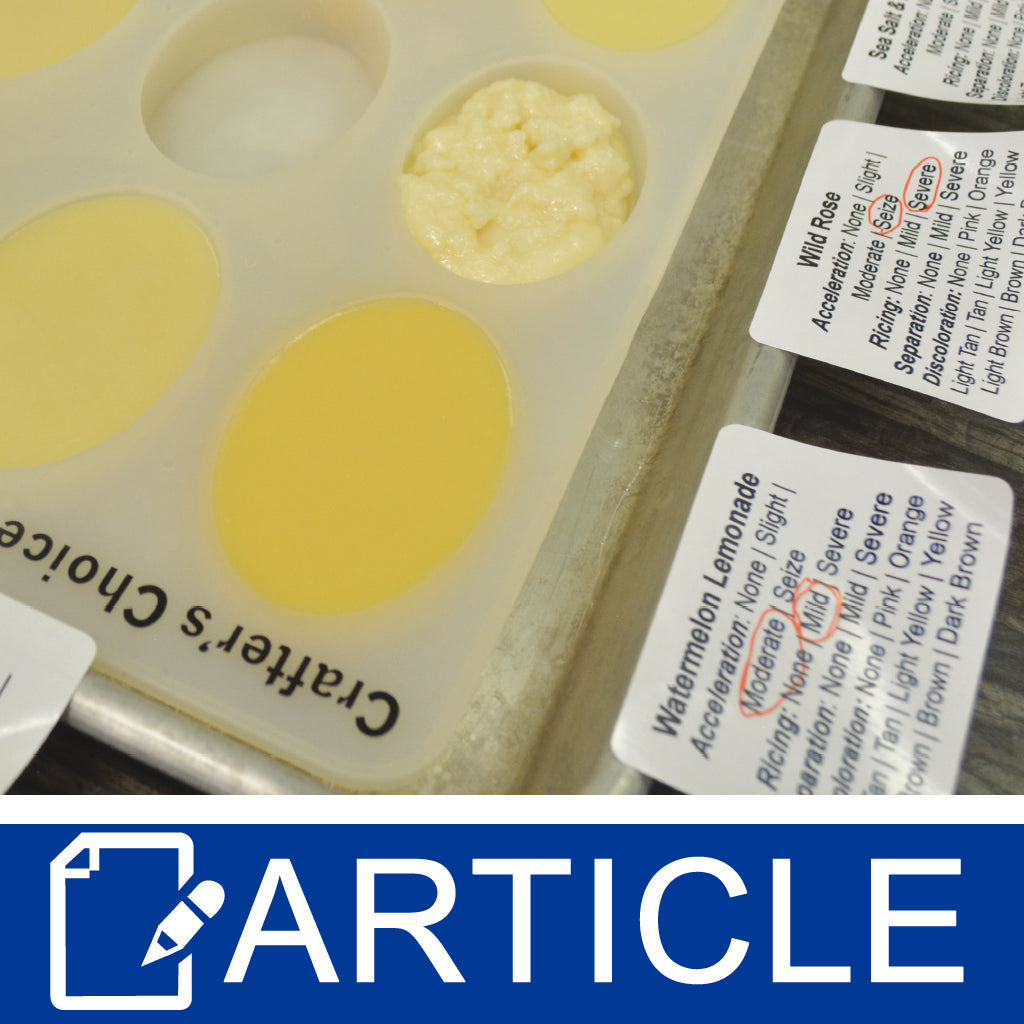
Fragrance oils can drastically change the outcome of cold process soap recipes. Fragrance oils may quicken trace, cause an uneven texture, cause separation or discolor the soap. Fortunately, soap suppliers provide performance results for cold process soap. In this article, we will explain how fragrance oils are tested and what the results mean.
Fragrance Oil vs. Essential Oil

Article

Fragrance Oil vs. Essential Oil
In the realm of soap and candle making, the choice between fragrance oils and essential oils is a pivotal decision that can significantly impact the quality and character of your creations. At Wholesale Supplies Plus, we understand the importance of making informed choices in crafting products that stand out. Let's delve into the world of fragrance oils and essential oils to help you navigate this crucial decision.
How To Be Happy & Productive In Your Home Office

Article

How To Be Happy & Productive In Your Home Office
If you work from a home office others may believe that you are living the dream. If you’re one of the lucky ones, you too feel like you’re living the dream. But it didn’t come without a cost, did it? As you may have realized by now, working from home can be lonely—it takes a lot of discipline. Pat yourself on the back if you’ve successfully fallen into a productive routine that also meets your requirements for socialization. You may be participating in what others may see as a dream, but studies show that, for some, it’s anything but. 
Alcohol In Cosmetics - Is It Legally Safe To Sell?

Article

Alcohol In Cosmetics - Is It Legally Safe To Sell?
Many perfumes, linen sprays and other cosmetics recommend alcohol as a component of the formulation. Blogs and Pinterest recipes often recommend beverage alcohol (like vodka or Everclear) for these types of "recipes." Vodka can be useful, cheap and readily available when formulating for personal use; but, did you know that beverage alcohol can't be a component of cosmetics you plan to sell? The law regarding beverage alcohol in cosmetics and toiletries is finite. You may not legally sell finished skincare products manufactured with beverage alcohol.