Help & How Tos

Best Fragrance Oils for Soap Making

Article

Best Fragrance Oils for Soap Making
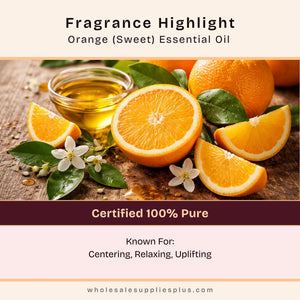
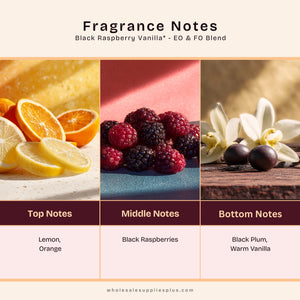
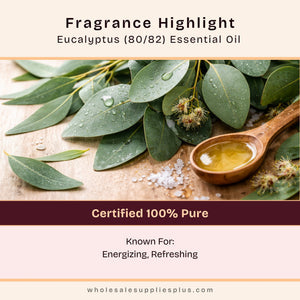
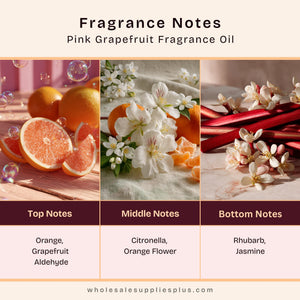
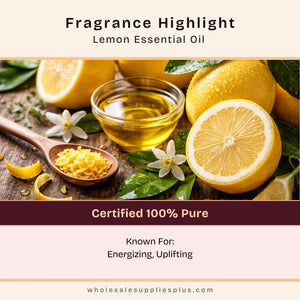
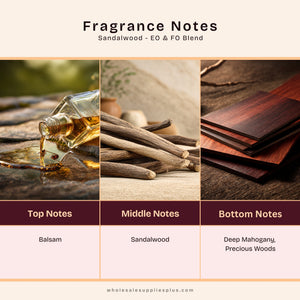
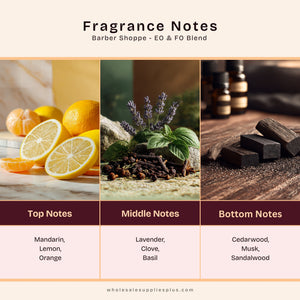
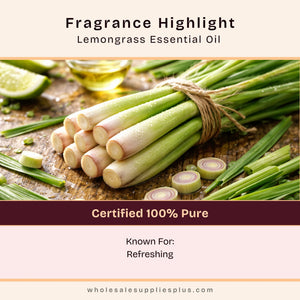
When it comes to crafting the perfect soap, the right fragrance can make all the difference. Whether you're a seasoned soap-making professional or a passionate hobbyist, choosing the best fragrance oils for soap is crucial for creating a product that appeals to the senses. At Wholesale Supplies Plus, we understand the significance of selecting the ideal scents for your soap creations. Let's delve into the world of captivating fragrances and explore what makes them essential for soap making. What Scent of Soap is Most Popular Before diving into the realm of fragrances, it's essential to understand the most popular scents in the soap-making industry. From the delicate allure of lavender to the invigorating freshness of citrus, certain scents have stood the test of time for their widespread appeal. Other favorites include the calming aroma of chamomile, the warm and cozy scent of vanilla, and the refreshing essence of eucalyptus. These timeless fragrances continue to captivate soap enthusiasts and customers alike, making them an evergreen choice for your soap creations. Which is Better for Soap Fragrance Oil or Essential Oil When it comes to scenting soap, the eternal debate between fragrance oils and essential oils persists. Each type offers unique advantages, depending on the desired outcome. Fragrance oils provide a broader spectrum of scents, allowing for an extensive range of choices for soap makers. On the other hand, essential oils, derived from natural plant sources, offer a more organic and holistic approach to fragrance. The key lies in understanding the difference between the two and leveraging their distinct properties to achieve the desired soap aroma. Choosing the Best Fragrance Oil for Soap Making DiscolorationWhen selecting the ideal fragrance oils for soap making, it's crucial to consider factors like discoloration. Various soap-making ingredients can lead to discoloration, notably vanillin found in numerous fragrance oils. Over time, vanillin oxidation can turn soap products brown, with higher vanillin percentages resulting in darker hues. Fragrances with lower vanillin content may cause slight discoloration, while those with high vanillin content can darken the soap significantly, resembling the shade of dark chocolate. To counter this, we offer vanilla color stabilizers that aid in slowing down oxidation and addressing this discoloration concern.Soaping MethodAnother significant consideration is the choice of soaping method when incorporating fragrance oils. While most body-safe fragrance oils function well in melt and pour soap crafting, meticulous attention is required for cold process soap making. It's crucial to scrutinize whether the fragrance oil prompts acceleration, separation, or ricing and how it endures throughout the saponification process. These aspects play a pivotal role in determining the compatibility and effectiveness of the fragrance oil in cold process soap making. Best Fragrances for Soap Making At Wholesale Supplies Plus, we've curated a collection of the best fragrance oils for soap making. These selections have been carefully chosen to provide an unparalleled olfactory experience for both the soap creator and the end user. From the invigorating burst of citrus to the comforting embrace of floral scents, our range includes options that cater to every preference and mood. However, we understand that even the best fragrance oils can present challenges if not used appropriately. If you happen to add too much fragrance oil, we have expert advice on how to rectify this common predicament, ensuring that your soap maintains its intended appeal. Popular Soap Scents Beyond the timeless favorites, several soap scents have gained significant popularity in recent years. The rejuvenating aroma of lemongrass, the tantalizing sweetness of coconut, and the exotic allure of sandalwood have emerged as favored choices for discerning soap aficionados. These scents not only elevate the bathing experience but also contribute to a holistic sense of well-being and relaxation. Best Fragrance Blends for Soap For those seeking a truly unique sensory experience, experimenting with fragrance blends can be a game-changer. By combining complementary scents, soap makers can craft a distinctive olfactory symphony that captivates the senses. Some of the best fragrance blends include the fusion of lavender and vanilla for a soothing, comforting effect, or the marriage of citrus and floral notes for an invigorating and uplifting bathing experience. These blends offer a dynamic way to create soaps that stand out in a crowded market, capturing the hearts and minds of your customers.Crafting soap is as much an art as it is a science. By harnessing the power of the best fragrance oils, soap makers can transform a mundane daily ritual into a luxurious and sensorial experience.
How to Make Melt & Pour Soap - A Guide for Beginners and Experts Alike

Article

How to Make Melt & Pour Soap - A Guide for Beginners and Experts Alike
Today, we're diving into the art of making melt and pour soap, a process beloved for its simplicity and versatility. Whether you're looking to craft homemade gifts, stock your small business, or simply enjoy the process, this guide is packed with essential tips, tricks, and step-by-step instructions to ensure success in your soap-making venture. Starting with melt and pour soap is perfect for beginners due to its straightforward process and immediate gratification. This method eliminates the need for handling lye, making it a safer and more accessible option for soap enthusiasts of all ages. Difficulty: Beginner Yield: 4 Bars Creating melt and pour soap is a quick and satisfying project. Here's what to expect: Prep Time / Clean Up: 20 Minutes Perform Time: 40 Minutes Total Time: 1 Hour This efficient process means you can enjoy your soap almost immediately after it hardens, making it a favorite for those who appreciate timely crafting. Gathering the right supplies is the first step in your soap-making journey. Here's what you'll need: Digital Scale Dedicated Soap Making Cutting Board Wax Paper Funnel Pitcher Spatula and/or Chopstick Pipettes Paper Towels Silicone Soap Mold (4” Small Square or any mold of your choice to hold 21 oz) Plastic Wrap Knife / Crinkle Cutter Optional: Vegetable Peeler for beveling edges Disposable Gloves Isopropyl Alcohol (91%) in a spray bottle These supplies ensure a smooth process from start to finish, whether you're crafting melt and pour soap recipes for beginners or exploring more advanced techniques. Choosing high-quality ingredients is key to creating a delightful soap that's both cleansing and nourishing. Melt & Pour Soap Base: 21 oz / 595 g (We recommend a clear base for starters.) Fragrance or Essential Oil: 0.4 oz / 11 g (Salty Sea Air Fragrance Oil is a great choice.) Water-Soluble Liquid Colorant: As desired (Crystal Blue for a serene hue.) These components form the foundation of your soap, offering endless possibilities for customization and creativity. Below you'll discover comprehensive guidance on crafting homemade melt and pour soap recipes, a perfect starting point for beginners eager to delve into the world of soap making. This method is remarkably straightforward and safe, eliminating the need for handling lye, making it an excellent choice for both adults and children. The beauty of melt and pour soap recipes lies in their simplicity and the immediate gratification they offer—there's no cure time required, allowing you to enjoy your creation as soon as it hardens.Step 1 – Prepare & Melt BaseBegin your journey into melt and pour soap making by cutting the soap base into small, roughly half-inch pieces. This size ensures a quick and even melting process. Place the pieces in a microwave-safe container and heat them for 30 seconds at a time, stirring after each interval to promote uniform melting. As you near the end of the melting process, reduce the heating time to 10-second intervals, continuing until the soap base is just melted. This step is crucial for beginners and is the foundation of creating a successful homemade melt and pour soap recipe.Step 2 – Add Fragrance and ColorantTransform your basic melt and pour soap base into a personalized creation by adding fragrance and/or essential oils, along with the desired amount of liquid colorant, to achieve the perfect hue and scent. For instance, adding 8 drops of Crystal Blue Water-Soluble Liquid Colorant, as we did in this tutorial, can produce a visually striking soap. Stir the mixture thoroughly to ensure the fragrance and color are evenly distributed. If the soap begins to solidify, a quick 10-second burst in the microwave can soften it just enough to work with.Step 3 – Finishing SoapPour the liquid soap mixture into your chosen mold. A light spray of rubbing alcohol on the surface can help eliminate any unwanted bubbles, giving your soap a smooth finish. Patience is key at this stage; allowing the soap to sit in the mold for 12-24 hours after it cools can significantly ease the unmolding process. Silicone loaf molds are particularly user-friendly; simply breaking the air seal around the edges can free your soap. If removal proves challenging, a brief stint in the freezer can help. Cut your soap into bars using a knife or crinkle cutter, depending on your preference.For those residing in humid areas, it's advisable to wrap your soap bars in plastic wrap to prevent sweating. However, one of the most appealing aspects of easy melt and pour soap recipes is that your soap is ready to use immediately after it hardens. This immediate usability is a delightful advantage, allowing you to quickly enjoy the fruits of your labor without the wait.Embrace the simplicity and safety of this method, and explore the vast potential of melt and pour soap recipes for beginners. For those venturing into the world of homemade melt and pour soap recipes, here are some essential tips and techniques to ensure success. When working with your melt and pour soap base, it's crucial to manage spills promptly. Use a plastic spatula to clear any solidified soap from your work surfaces. For pitchers used during pouring, allow the soap to solidify before peeling it out in one seamless piece. If you find residual soap on containers and utensils, soaking them in water for 1-2 hours followed by a warm soapy wash should do the trick.When heating your melt and pour soap base, maintaining a relatively low temperature is key to prevent scorching. Opt for 30-second intervals in the microwave, stirring in between, and switch to 10-second intervals as you approach full melting. If you're using a double boiler or similar heating method, consistent stirring and close monitoring are imperative.Achieving the right temperature is pivotal in melt and pour soap making. The soap base begins to solidify at around 130°F, making this the ideal temperature for pouring layers, especially when embedding materials or adding additional layers without melting the base layer. This precision ensures your easy melt and pour soap recipes turn out beautifully every time.Stirring the melt and pour soap recipe should be done gently to avoid introducing air bubbles. A chopstick is an excellent tool for this, though a spatula can be used with care to minimize waste and frustration from soap solidification on the implement.Adding embeds or exfoliants to your melt and pour soap recipes requires careful temperature management. To prevent these additions from sinking or the embeds from melting, pour at a lower temperature. Spraying soap embeds with alcohol right before pouring the remaining soap helps the layers adhere better.Coloring your melt and pour soap can add a vibrant or subtle aesthetic, depending on your preference. Liquid colorants are straightforward but tend to bleed, so select colors that blend well. Micas provide a shimmering effect and can be premixed with glycerin or isopropyl alcohol for even distribution. Neons, oxides, and ultramarines are also options but require premixing to avoid clumping.The application of isopropyl alcohol serves multiple purposes in melt and pour soap recipes for beginners. It's used to eliminate air bubbles, incorporate colorants effectively, and ensure adherence between layers. Spraying is essential after pouring each layer to maintain a smooth surface and cohesion throughout the soap.Pouring technique is crucial, particularly when adding to an existing layer. Avoid pouring in one spot to prevent breaking through. For layered soaps, timing is everything. Allow each layer to set properly, testing its readiness to support an additional warm layer without compromising the structure.Cutting your finished product requires patience—wait until the next day for best results and opt for a thin knife to minimize disruption of the layers.By incorporating these tips into your melt and pour soap recipes, you'll enjoy the creative process while producing beautifully crafted soaps, perfect for personal use or as thoughtful gifts for friends and family.

Article

How to Create a Baby Shampoo Product Line: A Complete Guide
Creating a baby shampoo product line requires careful formulation, high-quality ingredients, and a focus on gentle cleansing. Parents want a shampoo for babies that is mild, tear-free, and safe for delicate skin. Whether you're making homemade baby shampoo or developing a commercial brand, this guide will walk you through key considerations for launching a baby safe shampoo that parents trust. When formulating a shampoo for babies, it’s essential to choose ingredients that cleanse gently without stripping the scalp of natural oils. Look for: Coconut-derived surfactants – Provide mild cleansing and foaming without irritation. Aloe vera – Soothes and hydrates the scalp. Chamomile extract – Known for its calming properties and reported anti-inflammatory benefits. Oat protein – Helps maintain skin’s moisture barrier and reduces irritation. Vegetable glycerin – Keeps the scalp and hair soft and hydrated. Avoid harsh sulfates, artificial fragrances, and parabens, as babies’ skin is more sensitive than adults'. For more natural ingredient options, check out our Baby Care Ingredients. Creating a baby safe shampoo means ensuring it is free from harmful chemicals and dermatologically tested for safety. Consider these key aspects: pH Balance – The shampoo should be pH-neutral (around 5.5) to avoid drying out a baby’s scalp. Tear-Free Formula – Use ultra-mild cleansing agents to prevent eye irritation. Hypoallergenic Testing – Reduces the risk of allergic reactions and skin sensitivities. Fragrance-Free or Naturally Scented – Artificial fragrances can cause irritation; opt for essential oils like lavender or chamomile. Many parents are turning to homemade baby shampoo to ensure they are using the safest ingredients on their little ones. Here’s a comparison between homemade and commercial options:Ingredient Control - Full control over what goes in - May contain preservatives & chemicalsCustomization - Can adjust for baby’s needs - Limited ingredient changesShelf Life - Shorter, requires fresh batches - Longer due to preservativesCost - More affordable per batch - Can be more expensive If you’re interested in turning your baby shampoo formula into a business, follow these steps: Research the Market – Identify gaps in the baby shampoo industry and unique selling points. Develop a Safe Formula – Ensure compliance with cosmetic regulations and safety testing. Choose Packaging – Opt for BPA-free, eco-friendly bottles designed for ease of use. Branding & Marketing – Create a brand identity that appeals to parents looking for baby-safe shampoo options. Find a Reliable Supplier – Source high-quality ingredients and production materials. Sell & Distribute – Use online marketplaces, baby boutiques, or health stores to reach your audience. 1. Can I use regular shampoo on my baby?No, regular shampoo is too harsh for a baby’s delicate scalp. Always use a baby safe shampoo that is gentle and sulfate-free.2. How often should I wash my baby’s hair?Most babies only need shampooing 2-3 times a week unless they have cradle cap or excess oil buildup.3. Can I make homemade baby shampoo at home?Yes! Many parents create homemade baby shampoo using natural ingredients like aloe vera, chamomile, and coconut-based cleansers.4. What is the best shampoo for babies with sensitive skin?Look for fragrance-free, hypoallergenic shampoos with soothing ingredients like oat protein and chamomile.Launching a baby shampoo product line is a rewarding way to provide parents with safe, high-quality options for their little ones. Whether you're crafting homemade baby shampoo or starting a brand, focusing on gentle ingredients and trust-building formulations will set you up for success. Explore our Shampoo Ingredients to start formulating today!
Packaging and Labeling Melt and Pour Soap

Article

Packaging and Labeling Melt and Pour Soap
This article will walk you through packaging melt and pour soap and understanding labeling requirements.
How to Make Floating Candles

Article

How to Make Floating Candles
Floating candles add a touch of elegance and ambiance to any setting, turning ordinary spaces into enchanting experiences. Whether it's for a wedding, Christmas, Halloween, or just a cozy evening at home, making floating candles is a creative and enjoyable process. This guide from Wholesale Supplies Plus will walk you through creating these magical lights, from the basics to themed designs.Note: Decorative items need to be away from the flame (on the exterior, submerged beneath the water, etc.)
1 oz Clear Cylinder & Natural Flip Top (Surplus)

Article

1 oz Clear Cylinder & Natural Flip Top (Surplus)
This video showcases the 1 oz Clear Cylinder Bottle & Natural Flip Top.
How Soap Color Bars Are Made Video

Article

How Soap Color Bars Are Made Video
Crafter's Choice hand produces their color bars in small batches with the utmost attention to detail. They produce thousands of bars ever week which are then supplied to distributors and craft stores around the world. This video gives you a behind the scenes look at how Crafter's Choice Soap Color Bars are produced.
Opening One Gallon Buckets Video

Article

Opening One Gallon Buckets Video
This video shows how to open one gallon buckets. Many of Crafter's Choice™ Lotions come in these bucket as well as Crafter's Choice™ Aloe Vera Gel. To open the buckets, first break the openings along the rim of the bucket. We show breaking them with a screwdriver and a safety cutter. After the openings are broken, unsnap and remove the lid. If you have arthritis or have trouble with dexterity, we recommend using a pail opener to unsnap and remove the lid.
Using Embed Paper in MP Soap Video

Article

Using Embed Paper in MP Soap Video
Crafter's Choice® Embed Paper allows soap makers to create customized soap bars. Use a computer to design the artwork then print it onto the embed paper. The paper can then be cut out and embedded into soap. Creating customized favors for weddings, bridal showers, baby showers, or birthday parties are popular uses for embed paper. Watch this video to learn more about using embed paper!
Shampoo (from a base)- Simple Steps for Beginners

Article

Shampoo (from a base)- Simple Steps for Beginners
This helpful guide will show you 'How To Make' Shampoo using simple steps for beginners. 
Learn to Make: Bath Tea

Article

Learn to Make: Bath Tea
Bath teas are botanical based mixtures that you toss into the bathtub. The herbs hit the warm water to release natural oils, aromas and extracts.  
Choosing a Mold for MP Soapmaking

Article

Choosing a Mold for MP Soapmaking
There are so many molds that are suitable for casting MP Soap Base, ranging from silicone to plastic and even recycled food containers! MP Soap Base can be cast in intricately designed molds because it hardens enough to release without breaking off the design.