Help & How Tos

Our Guide to Making Bath Bombs from Scratch

Article

Our Guide to Making Bath Bombs from Scratch
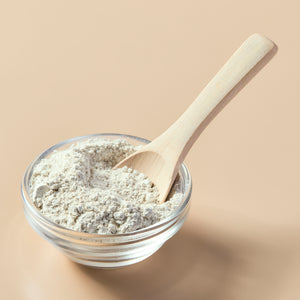
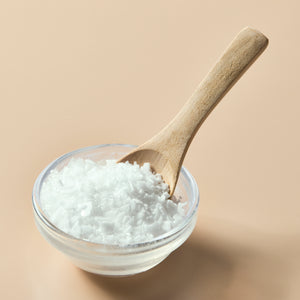
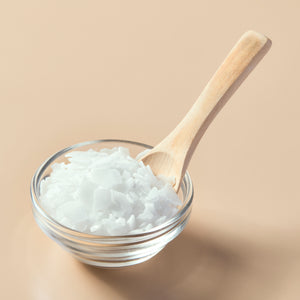
Diving into the world of homemade bath bombs is not just about creating a fizzing delight; it's about tailoring a spa-like experience right in your own bathroom. With the "Bath Bomb Recipe from Scratch" from Wholesale Supplies Plus, you embark on a simple yet gratifying journey. This easy bath bomb recipe serves as your gateway to customizing your relaxation ritual. To enhance your experience and ensure success, we've compiled additional information, tips, and guidelines, along with answers to some frequently asked questions about making bath bombs from scratch.Crafting bath bombs from scratch is a delightful way to personalize your relaxation time. This simple bath bomb recipe not only paves the way for creative expression but also ensures that your soaking experience is exactly as you envision it—tranquil, rejuvenating, and uniquely yours. Whether you're a seasoned DIY enthusiast or a first-timer, the process of how to make bath bombs from scratch is an enriching journey towards embracing self-care and the joys of homemade beauty products. INFORMATION Difficulty: Intermediate Yield: 9-10 Large (3″, about 8 oz each) Bath Bombs TIMING Prep Time / Clean Up: 15 Minutes Perform Time: 25 Minutes Drying Time: 2 Hours Total Time: 2 Hours 40 Minutes, 40 Minutes Active Time SUPPLIES Digital Scale Bath Bomb Mold of Your Choice 2 Large mixing bowls Spoon or spatula Microwaveable bowl, or 4-cup pyrex measuring cup Latex or nitrile gloves Muffin Pan Plastic Wrap INGREDIENTS 45 oz / 1276 g Baking Soda (available at grocery or bulk discount stores) 20 oz / 567 g Citric Acid 6 oz / 170.1 g Epsom Salts (available at pharmacies) 1 oz / 28.3 g White Kaolin Clay 1 oz / 28.3 g Cream of Tartar (available from the grocery store. Try the bulk aisle for the best price.) 0.5 oz Sodium Lauryl Sulfoacetate (SLSA) (Optional) 1 oz / 28.3 g Cocoa Butter 2 oz / 56.7 g Shea Butter OR Mango Butter 1 oz / 28.3 g Apricot Kernel Oil, or other light carrier oil of your choice 1 oz / 28.3 g Polysorbate 80 2 oz / 56.7 g Fragrance Oil or Essential Oil 2 oz / 56.7 g 91% Isopropyl Alcohol (available from pharmacies) * 1 tsp / 5 mL Water-Soluble Liquid Colorant or tap water. *Note: if using 99% Isopropyl Alcohol, add ½ tsp additional water or liquid colorant to your recipe. This product is sometimes available at pharmacies and is available online from Amazon.DIRECTIONSBefore starting this tutorial please make sure to read all instructions. Use caution when handling melted oils. Do not weigh fragrance oils into plastic containers; use glass or stainless steel. Use gloves when mixing to keep your manicure from getting scratched. Also, be sure to prep your muffin pan in advance. To do this, simply cover the muffin pan in plastic wrap. Don’t pull too tightly – you want the plastic wrap to be a little hammock for your bath bombs as they dry.Step 1 – Melt ButtersMelt the cocoa butter and shea butter or mango butter in a microwaveable bowl or 4-cup Pyrex measuring cup for about 3 minutes on high power, or until melted, stirring midway through. Alternatively, melt the butter mixture in a double boiler on the stovetop. Set aside to cool briefly.Step 2 – Combine Dry IngredientsWhile your oils cool, combine the dry ingredients in a large mixing bowl. Break up any clumps using your fingers.Step 3 – Combine LiquidsAdd the sunflower oil, polysorbate 80, isopropyl alcohol, liquid colorant (or tap water), and the fragrance oil to the melted butter. Stir to combine.Step 4 – Combine All IngredientsPour the oil mixture over the dry ingredients. Mix with your hands to combine, breaking up any clumps.Step 5 – MoldClick the links below for instructions on using the corresponding Bath Bomb Mold type of your choice: Stainless Steel Perfector Plastic Step 6 – DryingPlace the finished bath bombs on a lined muffin pan as you complete them to prevent them from losing their perfect circular shape.Allow to dry for two hours before moving. Allow to dry for 24 hours before using. Let's go over some extra tips and guidelines you can follow to ensure this easy bath bomb recipe yields even more successful batches for your next creation! A superior homemade bath bomb recipe begins with the foundation of top-notch ingredients. It's crucial that the baking soda and citric acid, which are the core components of bath bombs, are fresh and devoid of any lumps. Fresh ingredients ensure a reactive fizz and a smooth texture in your final product. If you encounter any clumps, sift them out before starting. This step ensures that your bath bombs will be uniform and dissolve evenly when dropped into water. One of the joys of learning how to make bath bombs from scratch is the ability to customize them to your personal preferences. When adding colors and fragrances, start with a conservative amount and adjust according to your taste. Essential oils are potent, so a few drops are often enough to create a pleasing aroma without being overwhelming. Similarly, use colorants formulated for use in bath bombs to achieve vibrant hues without staining your bathtub. Experimenting with different combinations can be fun, but always remember to mix thoroughly to avoid any pockets of concentrated color or fragrance. The choice of mold is essential in determining the shape and solidity of your bath bombs. Specialized bath bomb molds are designed to perfectly pack the mixture, but kitchen items like muffin tins or ice cube trays can also serve as effective alternatives. The key to preventing your bath bombs from crumbling is to pack the mixture tightly into the mold. This compactness ensures that the bath bomb holds its shape and doesn't fall apart when handled. After crafting your bath bombs, patience in allowing them to dry is vital. Rushing this process can lead to bath bombs that crumble or crack. Ideally, let them sit undisturbed overnight or even longer in a dry environment to ensure they harden properly. Humidity is the enemy of bath bombs in the drying stage, so choose a dry, warm spot for the best results. The longer they dry, the more robust and fizzier they'll be when it's time to use them. Proper storage is the final step in ensuring your bath bombs remain fresh, fragrant, and fizzy until you're ready to use them. Moisture can activate the fizzing reaction prematurely, so keeping them in a cool, dry place is crucial. Airtight containers are ideal for prolonging the shelf life of your bath bombs, protecting them from humidity and preserving their essential oil fragrances. Why is my bath bomb mixture crumbling?Crumbling can occur if the mixture is too dry. To remedy this, lightly spritz your mixture with witch hazel or water using a spray bottle. Be cautious; too much liquid can trigger the fizzing reaction prematurely.How can I make my bath bombs more colorful?Incorporate mica powders into your mixture for a vibrant touch. Integrate the color slowly and evenly to achieve a consistent hue throughout the bath bomb.Can I add extras to my bath bombs, like petals or glitter?Absolutely! Adding dried flower petals, cosmetic-grade glitter, or even oatmeal can elevate the visual appeal and add benefits to your bath experience. Ensure these additions are skin-friendly and soluble in water to avoid bathtub residue.Why aren’t my bath bombs fizzing as much as I expected?A lackluster fizz could be due to an imbalance in the ratio of baking soda to citric acid, which should ideally be 2:1. Also, ensure your bath bombs are completely dry before use, as moisture can dampen the reaction.How long do homemade bath bombs last?When stored properly in an airtight container and kept in a cool, dry place, your bath bombs can last up to six months. However, for best performance, consider using them within the first three months.
How to Make Two-Tone Layer & Chunk Tarts

Article

How to Make Two-Tone Layer & Chunk Tarts
Creating two-tone layer and chunk wax tarts is a fun and creative way to blend colors and fragrances, resulting in unique and beautiful homemade tarts. While they take a bit more time than single-color, single-scent tarts, the process is still straightforward and rewarding. Let your imagination run wild as you mix and match candle wax colors with fragrance oils, and add a touch of glitter for a sparkly finish that will make your tarts stand out. Before you begin, make sure you have all your supplies ready: Melter for candle wax: A Presto Pot or double boiler works well for melting your wax. Digital scale: Essential for accurate measurements. Thermometer: Use this to monitor the wax temperature instead of relying solely on the melter’s thermostat. Candle wax: Ky 133 Versatile Paraffin Wax Blend is recommended for best results. Fragrance oil: Choose scents that complement your chosen candle dyes. Candle dye: Pick colors that will create a striking contrast in your two-tone tarts. Ladle: For dipping out the melted candle wax. Pour pot or pitcher: To pour the wax into your molds. Dixie cups: Useful for measuring fragrance oil. Tart molds: You can use portion cups, clamshells, metal tart molds, or other creative molds. Cookie sheet: Necessary if you’re making wax chunks. Step 1:Add the candle wax to your melter and heat it to approximately 175°F. Use a thermometer to check the temperature, as the Presto Pot’s thermostat may not be completely accurate.Step 2:Place your pouring pot on the digital scale and tare it to zero, ensuring accurate measurements.Step 3:Ladle the desired amount of melted candle wax into the pour pitcher.Step 4:Add the candle dye to the melted wax until you achieve the desired color. Remember, the color intensity can vary depending on the type and amount of dye used, so adjust as needed.Step 5:Measure the candle fragrance oil in a disposable Dixie Cup, then add it to the melted wax. Stir for about 2 minutes to ensure the fragrance is evenly distributed throughout the wax.Step 6:Check the temperature of the wax; it should be between 150°F and 155°F before you pour.Step 7:For the first color, pour the wax into the mold or clamshells until they are about half full. Let it sit until the wax is set but still warm and slightly soft to the touch.Step 8:Now, it’s time to add your second color. Make sure this layer is at least as hot as the first. Since the first layer is still warm, you don’t need to pour the second layer at a higher temperature. However, if the first layer has completely cooled, you should pour the second layer 10°F hotter than the first to ensure proper adhesion.Tip: If you want to add a little sparkle, sprinkle a small amount of iridescent Diamond Dust Glitter on top of the second layer while it’s still warm. This will add a touch of bling to your homemade tarts.Step 9:Let the wax cool completely. Congratulations! You now have beautiful two-tone tarts. All that’s left is to package them for use or gifting. To create chunk wax melts, follow the steps above, and then:Step 1:Spray a sheet pan with non-stick spray (like Pam) and wipe it out thoroughly.Step 2:Pour the first layer of candle wax onto the sheet pan. Let it set until it’s firm but still slightly warm and soft.Step 3:Pour the second color over the first layer, ensuring the second layer is at least as hot as the first. Let it set up until it’s still warm but slightly soft.Step 4:Using a butter knife, cut the wax into small cubes without removing them from the pan. Once both layers are completely set and cool, turn the pan over and break the wax into chunks. You now have vibrant, two-tone wax chunks!Step 5:Return to the initial steps of the process. Fill your tart molds with these colorful wax chunks, then overpour with the scented, colored wax you prepared earlier.Tip: For an extra touch, sprinkle iridescent Diamond Dust Glitter on the top layer while it’s still warm. This will add a delightful sparkle to your chunk wax melts.Step 6:Allow the tarts to set and cool completely. If you’re using Ky 133 Versatile Paraffin Wax Blend, your homemade tarts should pop right out of the molds, ready for packaging or use. Making two-tone layer and chunk tarts is a creative and enjoyable way to craft beautiful, homemade wax tarts that are as unique as you are. By experimenting with different colors, scents, and even a touch of glitter, you can design DIY wax tarts that are perfect for any occasion. The process might take a little more time than single-color tarts, but the results are truly worth it. Whether you're making these chunk wax melts for yourself or as thoughtful gifts, the possibilities are endless. So, gather your supplies, follow these steps, and have fun making your own homemade tarts that are sure to impress!
How to Make Sugar Scrub at Home

Article

How to Make Sugar Scrub at Home
Creating your own sugar scrub is a delightful way to pamper your skin, offering both exfoliation and moisturization. This comprehensive guide will help you understand how to make sugar scrubs, their benefits, and how to scale your homemade creations for business purposes.
Suspending Additives in Melt and Pour Soap Video

Article

Suspending Additives in Melt and Pour Soap Video
Learn how to keep cosmetic additives suspended in your melt and pour soap designs with the tips and tricks in this short video. We share three techniques we have found useful for suspending additives. Glitter, botanical powders, oatmeal, clays, and herbs are popular cosmetic additives that add an extra layer of excitement to your soap designs. As well as beautify your soap design, many of these additives provide other beneficial properties to soaps. Watch this video to learn more.
DIY Incense: How to Make Incense

Article

DIY Incense: How to Make Incense
Introduction to DIY IncenseCreating your own incense sticks is an excellent way to test new fragrance oils or make a variety of scents without using a large amount of oil mix and sticks. With a 12ml Refresher Oil Base and 6ml fragrance oil blend, you can make up to 23 sticks, but working with 20 sticks is more practical. This method is especially useful if you have a wide range of scents, as it allows for small batch testing. Supplies for a 20 Stick Batch: 20 – 11" incense sticks 12 ml Refresher Oil Base or Dipropylene Glycol (DPG) 6 ml high-quality fragrance oil 1 Glass test tube (25 x 250 mm, 10" tall) 2 Disposable pipettes A permanent marker (optional, for marking test tubes) Holder to keep the test tube upright Drying rack Step One: Prepare the Test TubeStart with a clean, dry test tube. Use a pipette to add 12ml of Refresher Oil Base to the test tube. Mark the test tube with a permanent marker to avoid measuring again in the future.Step Two: Add Fragrance OilMeasure and add 6ml of fragrance oil to the Refresher Oil Base. A 50/50 blend is an excellent starting point for testing. Adjust the blend as needed for different scents.Step Three: Mix the OilsMix the oils together by placing your thumb over the top of the test tube and gently shaking it. It’s normal for some fragrance oils to float or sink due to density differences.Step Four: Dip the Incense SticksPlace the incense sticks into the test tube so they are covered up to the first quarter. Leave them to soak for three days.Step Five: Store the TubesStore the test tubes upright in a stable holder, such as broom holders mounted to the wall, test tube racks, or a sturdy box or basket that won’t be disturbed.Step Six: Dry the Incense SticksAfter three days, check if the incense sticks are fully soaked. If not, allow more time. Once soaked, remove the sticks and place them on a drying rack. Ensure the drying rack is covered in a material like window screen, which is also suitable for incense cones. Leave the sticks to dry completely, which can take some time. Test dryness by running a stick over a paper towel; there should be no residue.Step Seven: Package the IncenseOnce dry, bag the incense sticks and label them with the scent name, your business information, and a warning and instruction label. Experiment with Blends: Small batches are ideal for testing various fragrance blends to find the perfect combination. Adjust Ratios: Some scents may require a different ratio than the standard 50/50 blend. Adjust accordingly. Label Accurately: Use a permanent marker to label your test tubes with measurements and scent information for easy reference in future batches. How Long Should Incense Sticks Soak in the Oil Mixture?Incense sticks should soak in the oil mixture for at least three days to ensure they are thoroughly saturated and absorb the fragrance evenly.Can I Use Any Type of Fragrance Oil?It is recommended to use high-quality fragrance oils specifically designed for incense or candle making. These oils blend well with the Refresher Oil Base and ensure a consistent and safe burn.How Can I Store the Soaking Incense Sticks?Store the soaking incense sticks in an upright position using holders such as broom holders, test tube racks, or a sturdy box. This prevents spills and ensures the sticks remain submerged in the oil mixture.Why Is It Important to Mix the Oils Properly?Properly mixing the Refresher Oil Base and fragrance oil ensures an even distribution of scent on the incense sticks, preventing uneven burning and scent throw.How Should I Package and Label My Incense?Package the dried incense sticks in airtight bags to preserve their scent. Label each package with the scent name, your business information, and a warning and instruction label to ensure proper use.What Are Some Common Mistakes to Avoid When Making Incense?Common mistakes include not allowing enough soaking time, using low-quality fragrance oils, and improper mixing of the oil base and fragrance. Additionally, not properly drying the sticks can result in poor performance.
How to Make Green Tea Lotion: A Simple DIY Recipe for Soothing Skin

Article

How to Make Green Tea Lotion: A Simple DIY Recipe for Soothing Skin
Green tea has long been recognized for its incredible health benefits, but did you know it can also work wonders for your skin? Packed with antioxidants and anti-inflammatory properties, green tea lotion is a natural way to soothe irritated skin, combat signs of aging, and provide deep hydration. Whether you’re dealing with redness, dryness, or just want to maintain a healthy glow, a homemade green tea lotion can be the perfect addition to your skincare routine. Making your green tea lotion is easy. With just a few ingredients, you can create a moisturizing, skin-soothing lotion at home. Follow this simple guide to get started:Ingredients: 1 cup of distilled water 2 green tea bags (or 2 tablespoons of loose-leaf green tea) ½ cup of shea butter or cocoa butter ½ cup of coconut oil (or olive oil) 1 tablespoon of beeswax (for thickness) 5-10 drops of essential oil (optional for fragrance) Instructions: Brew the green tea: Boil the distilled water, then add the green tea bags or loose-leaf tea. Let the tea steep for about 10 minutes, then remove the tea bags and allow the tea to cool. Melt the oils and beeswax: In a double boiler, gently melt the coconut oil, shea butter, and beeswax until fully combined. Stir the mixture occasionally to ensure an even consistency. Combine the ingredients: Once the oils and beeswax are melted and the green tea has cooled, slowly pour the brewed tea into the oil mixture. Whisk vigorously to ensure everything blends well. Add essential oils: If desired, add a few drops of your favorite essential oil for fragrance. Lavender, chamomile, or tea tree oil all complement the green tea lotion nicely. Whip the mixture: Use an electric hand mixer to whip the lotion until it reaches a creamy consistency. This helps blend the oils and water-based green tea for a smooth texture. Store the lotion: Pour the finished green tea lotion into a clean, airtight jar and store it in a cool, dry place. When stored properly, your homemade green tea lotion can last for up to two months. This DIY green tea lotion recipe is ideal for those with sensitive or dry skin. The combination of green tea and moisturizing oils helps to hydrate the skin, reduce inflammation, and soothe any irritation. It’s perfect for everyday use and can be applied after a shower or before bed for maximum absorption.The green tea lotion is lightweight and non-greasy, making it an excellent choice for both the face and body. You can customize the recipe by adding more beeswax for a thicker consistency or more essential oils for a stronger fragrance. However you choose to personalize your lotion, this homemade green tea lotion will leave your skin feeling soft and nourished. Using green tea lotion regularly offers a wide range of benefits for your skin. Here’s why it’s such a great addition to your skincare routine: Rich in antioxidants: Green tea is full of powerful antioxidants that help neutralize free radicals, which can cause premature aging and skin damage. These antioxidants work to keep your skin looking youthful and healthy. Anti-inflammatory: If you suffer from redness, irritation, or inflamed skin, green tea’s natural anti-inflammatory properties can help calm and soothe the skin, making it perfect for sensitive skin types. Hydrates and moisturizes: Thanks to ingredients like shea butter and coconut oil, this green tea lotion is deeply moisturizing, helping to keep your skin hydrated throughout the day. Natural protection: Green tea also provides mild protection against harmful UV rays and environmental damage, making it a great lotion to use before stepping outside. Non-greasy and fast-absorbing: Unlike some heavier lotions, green tea lotion absorbs quickly into the skin without leaving a greasy residue, making it ideal for daily use. Whether you're dealing with dryness, or irritation, or just want to keep your skin feeling soft and smooth, this green tea lotion recipe provides everything your skin needs for all-day comfort. 1. How often should I use green tea lotion?Green tea lotion is gentle enough to be used daily. You can apply it morning and night for maximum hydration and skin protection.2. Can I store homemade green tea lotion?Yes, you can store your green tea lotion in an airtight container for up to two months. Be sure to keep it in a cool, dry place, and if possible, refrigerate it to extend its shelf life.3. Can I substitute the coconut oil in this green tea lotion recipe?Absolutely! If you prefer a different oil, such as olive oil or jojoba oil, feel free to substitute it in the recipe. These oils also offer excellent moisturizing benefits.4. What skin types can benefit from green tea lotion?Green tea lotion is great for all skin types, especially those with sensitive, dry, or inflamed skin. The gentle, soothing properties make it an ideal choice for anyone looking to nourish and protect their skin naturally.
How To Use Soap Color Blocks Video

Article

How To Use Soap Color Blocks Video
Learn how to color melt and pour soap with soap color blocks! Soap color blocks (formerly known as soap color bars) are soap bars with concentrated amount of color in them. Use a piece of the bar to color your next batch of soap by following one of three different methods that we cover in this short 'Simple Secrets' video.
Whip it up! Making Whipped Foam Topping

Article

Whip it up! Making Whipped Foam Topping
We love a foamy, whipped top on many of our melt & pour soap designs. It can dress up a design and it’s the perfect accent for so many food and drink themes, making it perfect for New Year’s Eve soaps! It’s a fairly simple technique with only a few steps. Follow along to create the perfect whipped topping for melt & pour soaps. 
Making Pinwheel Body Bombs

Article

Making Pinwheel Body Bombs
Bath bombs are no longer just for the bath! Now you can take a shower and use a bath bomb too! Learn to make this "body bomb" that fizzes when adding water allowing a creamy foam to emerge. Use this creamy foam to wash with leaving a silky, soft feel to the skin.
Making Butterfly Duck MP Soap Cupcakes

Article

Making Butterfly Duck MP Soap Cupcakes
Watch and learn how these Butterfly Duck MP Soap Cupcakes are made. These soap cupcakes are screaming "here comes spring!" The cute butterfly ducks look adorable atop these soap cupcakes and will also make a fun toy to play with later.
How to Make Dog Paw Balm: A DIY Guide

Article

How to Make Dog Paw Balm: A DIY Guide
Welcome to Wholesale Supplies Plus, your go-to source for wholesale soap and candle supplies, where today we're diving into a heartwarming project: creating a DIY Dog Paw Balm. Whether you're a seasoned DIY enthusiast or a newcomer to the world of homemade pet care, this guide will walk you through crafting a soothing balm that will keep your furry friend's paws protected and pampered. Let's get started on this journey to enhance the well-being of our beloved pets with a homemade dog paw balm. Our pets are more than just animals; they're cherished members of our family who deserve the utmost care and attention. That's why it's crucial to protect their sensitive paw pads from the harsh elements they encounter daily. Whether it's the scorching heat of summer asphalt or the icy conditions of winter sidewalks, these extremes can lead to cracked or dry paw pads, causing discomfort to our canine companions.This dog balm for paws recipe is crafted with a selection of pet-safe emollients, including Mango Butter, Sweet Almond Oil, and Sunflower Oil. These ingredients are renowned for their nourishing properties, ideal for healing and protecting damaged paws. We'll also be using unscented White Beeswax Pastilles to create a thick, protective barrier that's resistant to licking and prevents moisture loss. To round off the formula, Natural Vitamin E is added as an antioxidant, boasting anti-inflammatory benefits and extending the product's shelf life.It's important to stick to the recipe without making substitutions. The chosen oils and butters are not only effective in soothing paws but are also safe for ingestion, should your pup decide to lick their paws. Avoid adding fragrance oils or essential oils, as their scents may be overwhelming for dogs and could encourage licking, which we want to minimize.Interestingly, this versatile recipe isn't just for dogs; it's a fantastic multi-purpose balm for humans too! Save a tin for yourself and use it on your lips, cuticles, elbows, and heels for an extra touch of care. Difficulty: Beginner Yield: Five 0.25 oz Slide Tins Prep Time / Clean Up: 5 Minutes Performance Time: 15 Minutes Cooling Time: 10 Minutes Total Time: 30 Minutes For this DIY paw balm project, you'll need: Digital Scale 1-2 qt Saucepan or Skillet Wire Rack or Mason Jar Lid Spatula or Spoon Pipettes Spray Bottle with 70% Isopropyl Alcohol Small Bowl Paper Towels Freezer Stovetop or Portable Burner Five 0.25 oz Slide Tins Gather the following ingredients: 0.35 oz Rice Bran Oil (20%) 0.34 oz Sweet Almond Oil (20%) 0.53 oz Mango Butter (30%) 0.53 oz Beeswax (White) (30%) 0.5 g Natural Vitamin E (1%) Preparation: Begin by sanitizing your work area, utensils, and mixing bowl with 70% isopropyl alcohol. Wipe everything down with paper towels to ensure a clean environment. Heating: Fill a saucepan with 1-2 inches of water. Bring the water to a simmer on your stovetop. Combine all ingredients, except for the Natural Vitamin E, in a small, heatproof cup or bowl, and place it in the simmering water. Stir occasionally until everything is fully melted, which should take about 15 minutes. Final Touches: Remove the mixture from heat and stir in the Natural Vitamin E. Using a disposable pipette, carefully fill the tins with the melted balm. Cooling: Place the filled tins in the freezer for about 10 minutes, or until the balm is set. Slide the tops onto the tins, and voilà, your DIY balm for dog paws is ready for your pup to enjoy! Throughout this process, remember to follow safety precautions when handling heated ingredients and to measure your ingredients accurately for the best results. By creating this homemade dog paw balm, not only are you providing a safer option for your pet, but you're also engaging in a rewarding DIY project that benefits both you and your furry friend.
Learn to Make: Lotion from Scratch

Article

Learn to Make: Lotion from Scratch
This lesson is an introduction to the ingredients, basic process and concepts of making lotion from scratch. There are many high-quality lotion bases on the market, but if you want something more hands-on that offers complete control of the formulation, then making lotion from scratch is for you!