Help & How Tos

Making Watermelon Luffa MP Soaps

Article

Making Watermelon Luffa MP Soaps
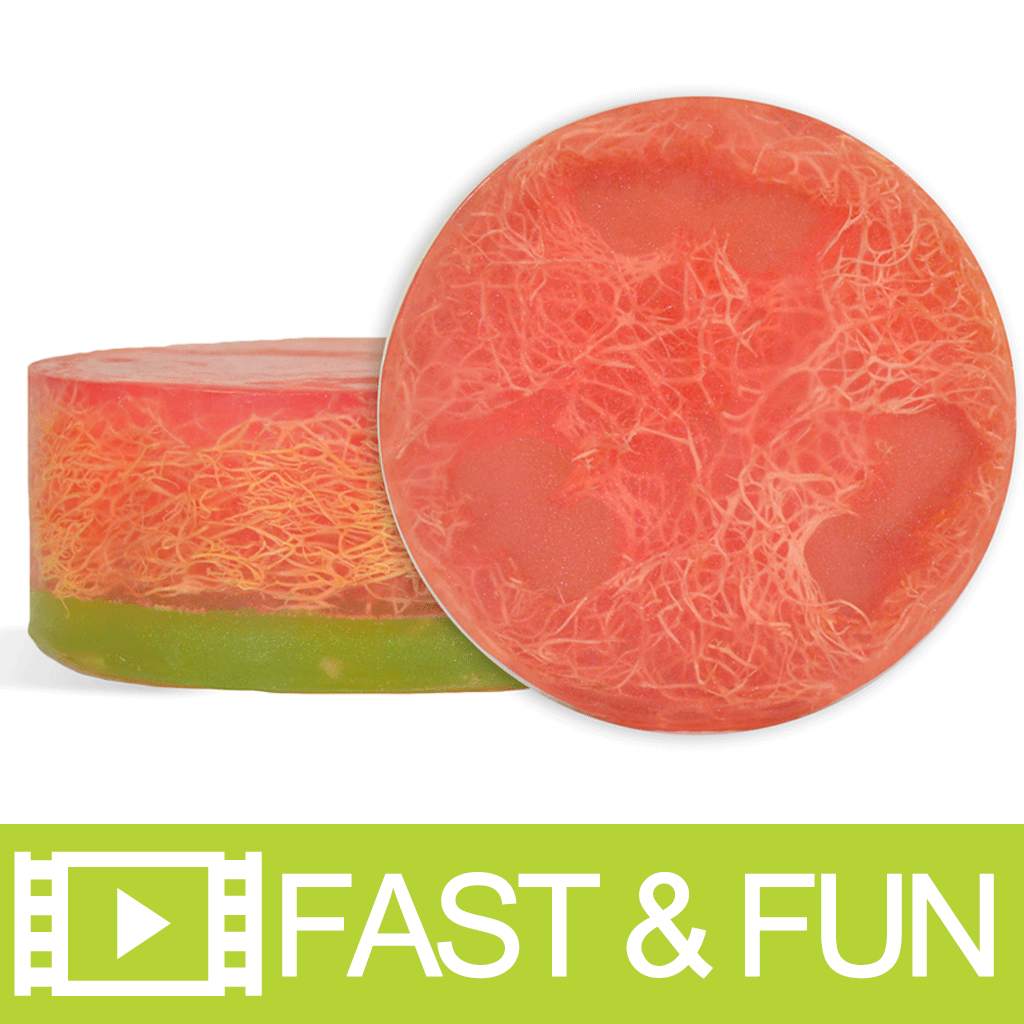
Watch as we make Watermelon Luffa MP Soaps! These adorable luffa soaps are always a hit, and with this summer twist they are sure to be loved amongst family, friends and customers. 
Making Cotton Candy Emulsified Sugar Scrub
Article

Making Cotton Candy Emulsified Sugar Scrub
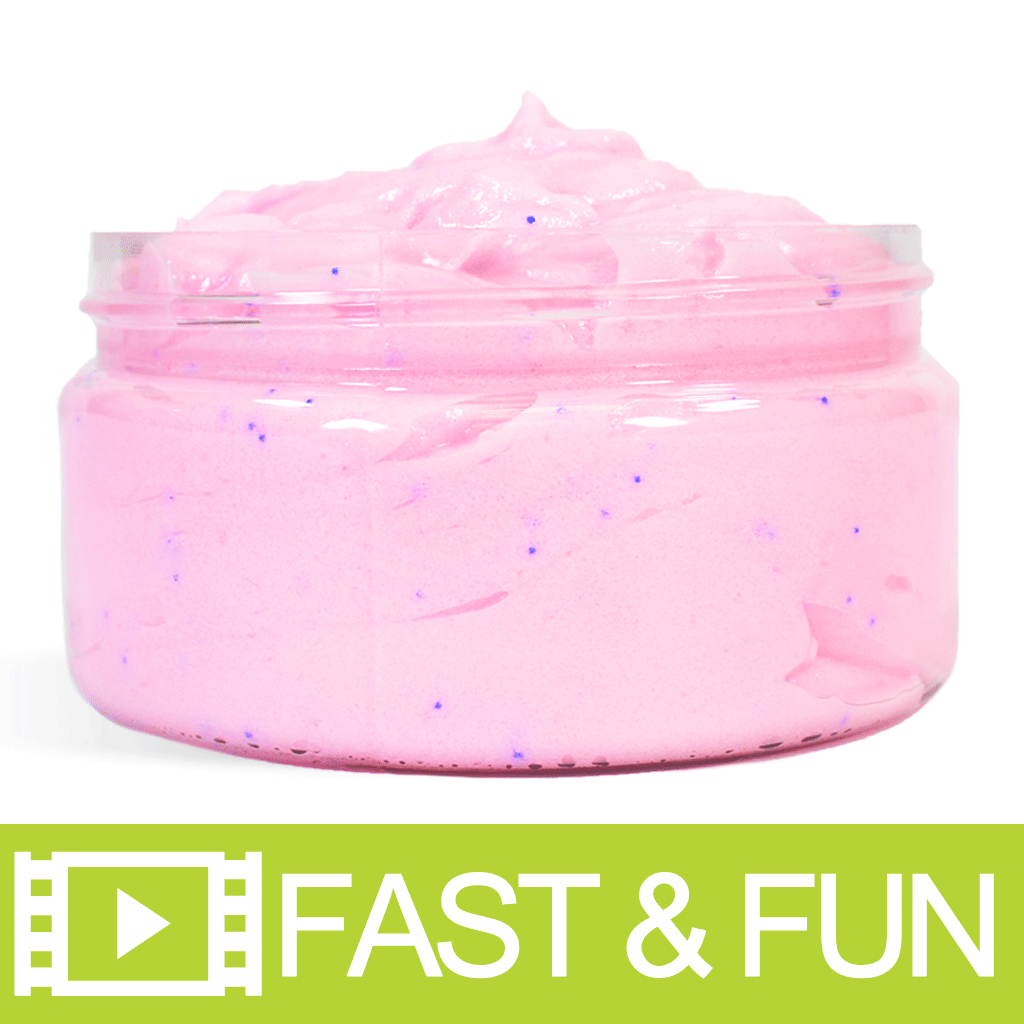
Watch and learn how to create a super sweet sugar scrub from scratch! This emulsified sugar scrub smells like sweet cotton candy, and is loved by kids and adults alike!
Layering Melt & Pour Soap Video

Article

Layering Melt & Pour Soap Video
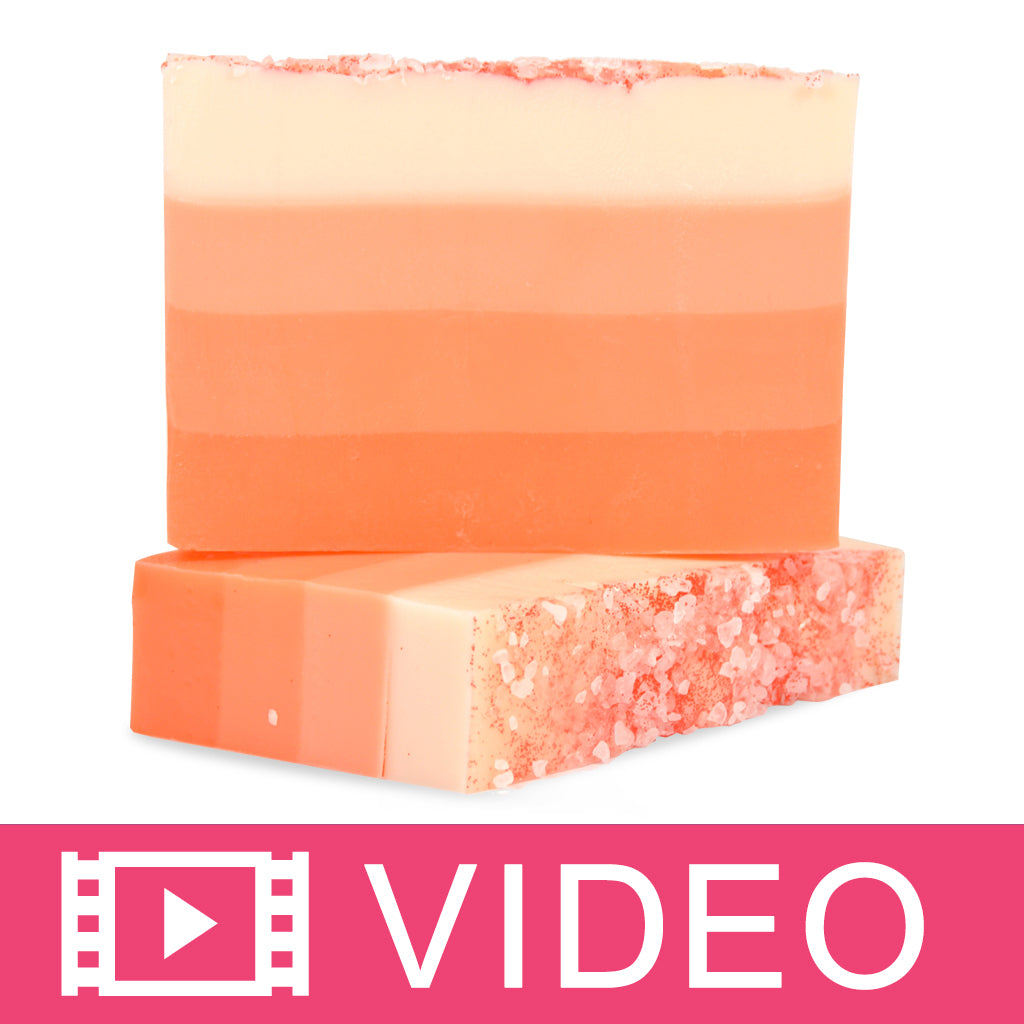
Layering melt & pour soap is an easy way to make beautiful bars of soap. In this video, we make our Citrus Sunset Loaf Soap, and provide tips and tricks for adhering the soap layers together. Use of rubbing alcohol and proper soap temperature are crucial steps for attractive soap
How to Create a Pencil Line in CP Soap with Activated Charcoal

Article

How to Create a Pencil Line in CP Soap with Activated Charcoal
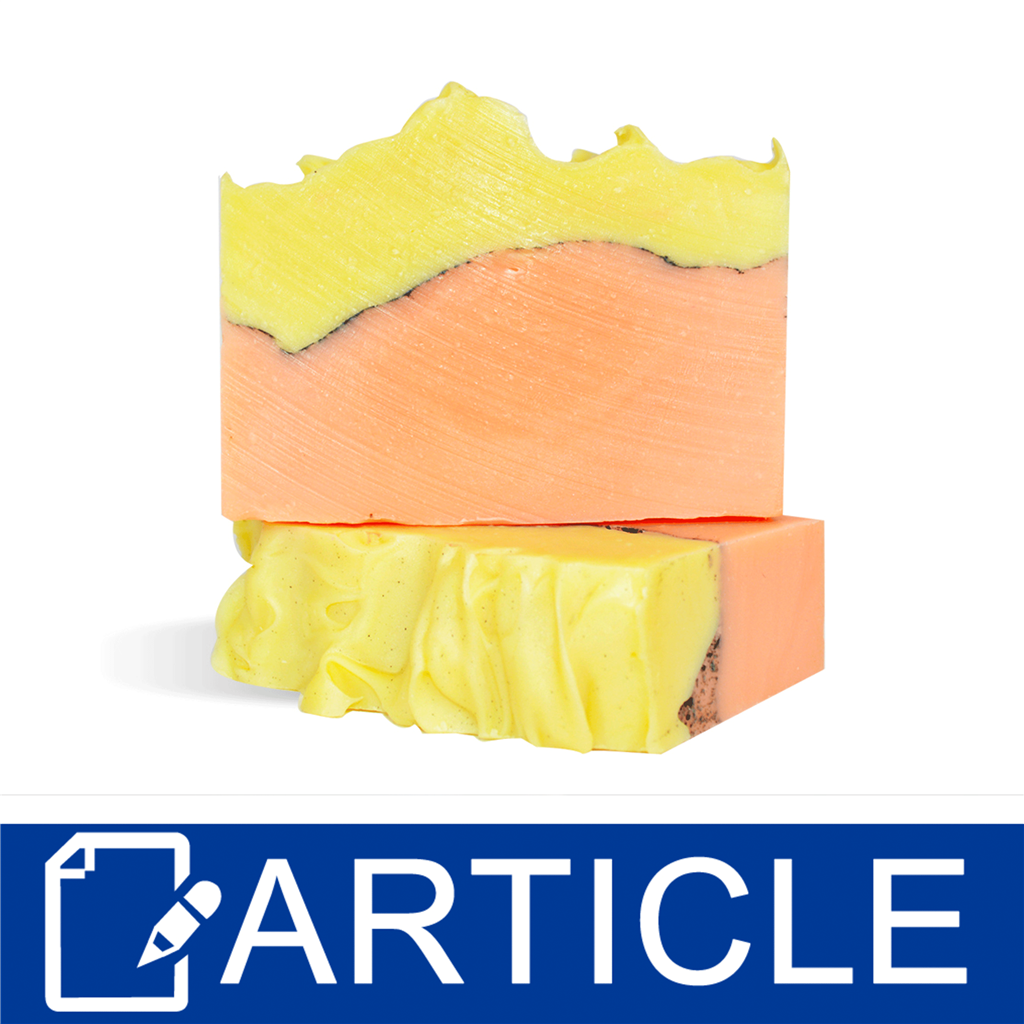
Activated Charcoal is thought to detoxify the body, and has become popular for use in soaps and cosmetics. Solid black soap bars are how you typically see the powder being used, but what about a pencil line! Pencil lines are commonly seen between two layers of different colored soap. The line gives a nice separation between the colors and creates a natural and appealing look to soap bars. Let's get started with learning how to create this look!
Scoopable Tart Wax Tutorial

Article

Scoopable Tart Wax Tutorial
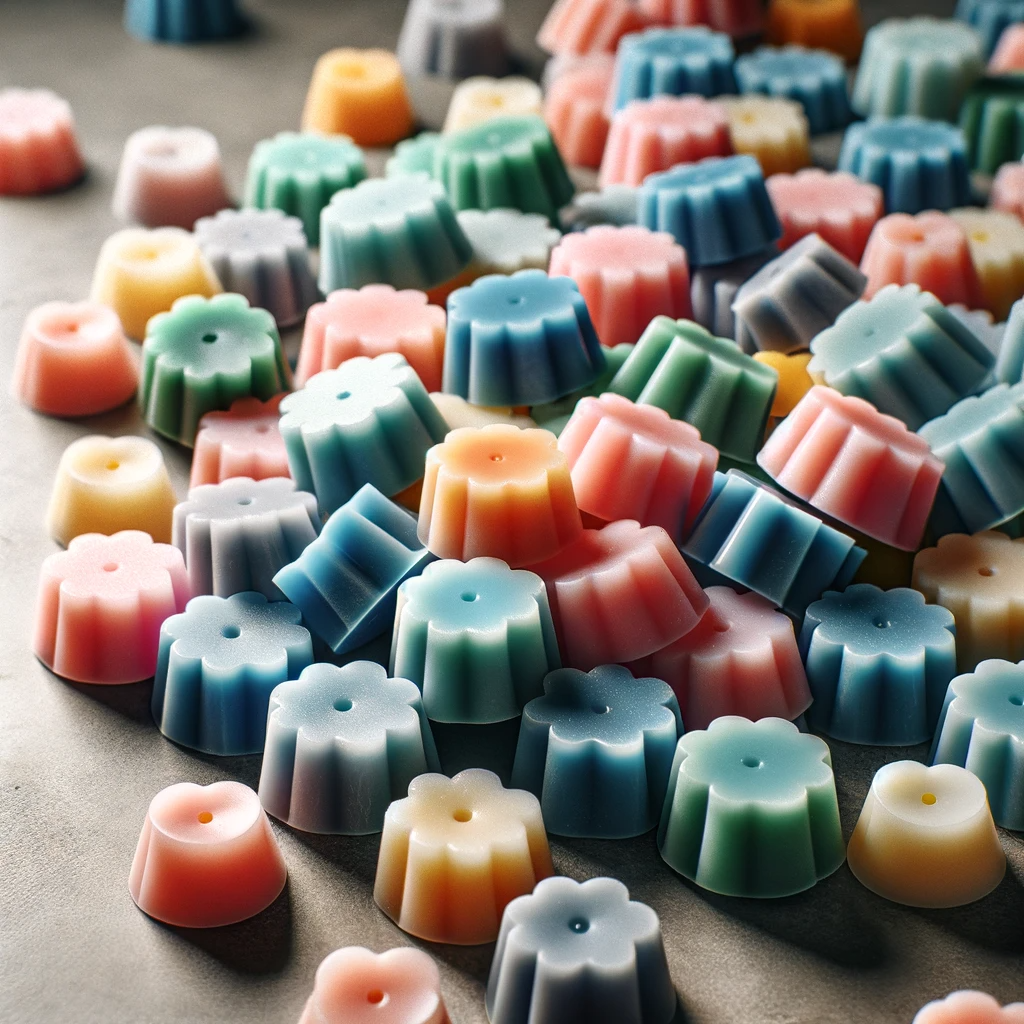
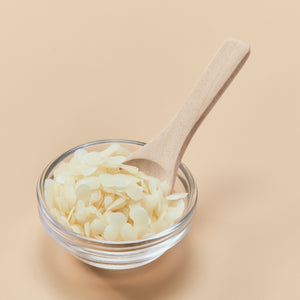
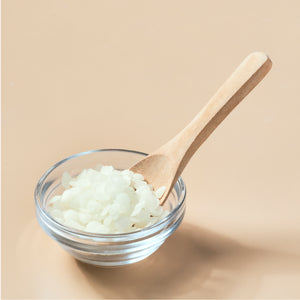
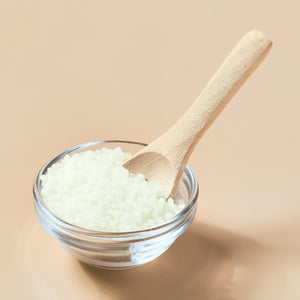
By changing the manner in which you offer tart wax, you open up limitless ideas. We use the traditional ingredients to make tarts: wax and candle fragrance oil. However, no melting is required. This technique allows you to offer a scented, scoopable wax. Because it’s in scoopable form, you can use as much or as little as you like in a tart melter. You also have the option of mixing scents to create endless combinations in the tart melter. It couldn’t be easier! Materials neededKY PureSoy wax OR Golden Brands 464 waxLarge Heavy-Duty Ziploc BaggieLarge Glass Jar with lidFragrance OilRolling pinStep 1Transfer 2 cups of Soy Wax into a Ziploc baggie. Seal the baggie letting out most of the air. Use the rolling pin to break the wax up into smaller pieces. Roll over the baggie several times. The wax will flatten so break up with your hands. Continue this process until the wax is in smaller pieces. Once the wax is broken into smaller pieces, transfer to your glass jar.Step 2Add an appropriate amount of fragrance oil, approximately .8oz to the jar & wax. Stir well to incorporate the fragrance oil into the wax. Cover the jar. Shake the jar every day until all the oil is absorbed into the wax. The absorption process will take a few days – however, once all the fragrance oil is absorbed, the tart wax is ready to use! Scoop out and put in a warmer. Creating scoopable tart wax is a fun and rewarding process that can enhance your candle-making experience. Scoopable tart wax offers a versatile alternative to traditional wax melts, providing a unique texture that is easy to use and measure. Here are some tips to help you achieve the best results when making scoopable tart wax:Additives for Texture: To achieve the desired scoopable consistency, consider adding additives like coconut oil or mineral oil. These oils help soften the wax, making it easier to scoop. Start with small amounts and adjust as needed until you achieve the perfect texture.Fragrance and Color: Use high-quality fragrance oils and dye specifically designed for wax. Ensure the fragrance oil is well mixed into the wax to prevent separation.Storage and Use: Store your scoopable tart wax in airtight containers to preserve its fragrance and texture. Label each container with the scent and date made. When using, simply scoop the desired amount into your wax warmer and enjoy the delightful aroma. What is the best type of wax for making scoopable tart wax?Soy wax provides a natural, clean burn, while paraffin wax helps achieve a smooth, scoopable texture. Experimenting with different ratios can help you find the perfect consistency.How do I achieve the right consistency for scoopable tart wax?To achieve the right consistency, start by adding small amounts of coconut oil or mineral oil to your melted wax. These additives help soften the wax, making it easier to scoop. Adjust the amount of oil until you reach the desired texture.Can I use essential oils instead of fragrance oils in scoopable tart wax?Yes, you can use essential oils, but be aware that they might not be as potent as fragrance oils specifically designed for wax. Essential oils can also be more expensive and may require more experimentation to achieve a strong scent throw.
How to Make Wax Melts

Article

How to Make Wax Melts
Perfect for both beginners and experienced crafters, this article will introduce you to the basics of wax melt creation, from selecting the right type of wax and fragrance oils to mastering the melting and molding techniques. Whether you're looking to create a cozy atmosphere at home or seeking personalized gifts for loved ones, our step-by-step guide is designed to inspire and assist you in making beautifully scented wax melts that reflect your personal style and fragrance preferences. So, let's dive in and start the journey of transforming simple ingredients into captivating aroma experiences!
Bath Bomb Recipe: The Ultimate Fizzy Base Guide

Article

Bath Bomb Recipe: The Ultimate Fizzy Base Guide
Crafting the perfect bath bomb is now easier than ever with our premixed Bath Bomb & Fizzy Base. This guide walks you through the straightforward process of making your fizzy bath bombs. Whether for personal use, at a craft market, or as thoughtful gifts, follow these simple steps for guaranteed success every time. Adding more butter than usual aids in unmolding and enhances the hardness of your bath bombs, with cocoa butter yielding the firmest results. However, shea and mango butter are also excellent choices. This recipe is designed to make seven 2.6” bath bombs. The number of bath bombs you can make will vary based on the mold size. Understanding the science behind the fizz is essential. Combining citric acid and baking soda and adding the mixture to water creates a reaction where carbon dioxide bubbles are produced. Our Bath Bomb & Fizzy Base is formulated to react with water, creating that satisfying sizzle. The perfect blend of ingredients ensures a delightful effervescence with every use. To get started, you’ll need a few basic supplies and ingredients: Digital Scale Bath Bomb Mold of Your Choice Large Mixing Bowl Small Microwaveable Bowl Gloves (Latex or Nitrile) 2 lbs Bath Bomb & Fizzy Base 2 oz Preferred Butter 10 ml Water-Soluble Liquid Colorant or Tap Water 0.66 oz Fragrance Oil or Essential Oil 2 oz 91% Isopropyl Alcohol* *Note: Adjust the recipe slightly if using 99% Isopropyl Alcohol. Melt Butter: Begin by melting your chosen butter in the microwave or a double boiler and set it aside to cool. Prep Your Liquids: Combine the liquid colorant (or tap water) with isopropyl alcohol. Combine: Mix the melted butter and isopropyl alcohol with the fizzy base. Ensure the mixture forms clumps when squeezed; if too dry, add a few drops of alcohol. Mold: Press the mixture into your chosen molds. Drying: Allow the bath bombs to set on a lined muffin pan for 24 hours. Personalize your bath bombs with unique scents, vibrant colors, and additional ingredients for an extra touch of luxury. Experiment with essential oils, colorants, and butter to create a bath bomb that’s uniquely yours. A premixed fizzy base simplifies the bath bomb-making process, ensuring consistent results. It’s perfect for beginners and seasoned crafters, providing a reliable foundation for endless customization. Enjoy the process of creating and the luxurious baths that follow.
How to Make Beeswax Candles

Article

How to Make Beeswax Candles
Beeswax candles have been cherished for centuries, offering a natural, eco-friendly alternative to traditional paraffin wax. Known for their clean burn and pleasant honey scent, beeswax candles are a perfect choice for those who enjoy crafting and using natural products. This beeswax candle recipe will walk you through the benefits of beeswax, the supplies needed, and the steps to create your own beeswax candles at home. When considering beeswax for candle making, many crafters prefer it due to its numerous benefits: Natural and Toxin-Free: Beeswax is an all-natural substance derived from bees, making it free from harmful chemicals or toxins found in some commercial candles. Longer Burn Time: Beeswax candles burn longer than most other types, making them a cost-effective choice in the long run. Air Purification: Beeswax emits negative ions that help purify the air by neutralizing pollutants and allergens. Pleasant Aroma: Without the need for added fragrances, beeswax naturally gives off a light, honey-like scent when burned, creating a cozy ambiance. Before diving into the process of making beeswax candles, gather the necessary supplies. Here’s what you’ll need: Beeswax: Choose high-quality beeswax, available in blocks or pellets. Organic or filtered beeswax is ideal for candle making. Wicks: Cotton or hemp wicks are the best choice, and the wick size should correspond to the diameter of the candle. Candle Mold or Container: You can use silicone molds for pillar candles or heat-resistant glass containers for jar candles. Double Boiler or Heatproof Bowl: This is essential for safely melting the beeswax. Thermometer: To monitor the temperature of the beeswax while melting. Fragrance Oils (Optional): If you'd like to enhance your candle's scent, choose natural essential oils that blend well with beeswax. Now that you have your supplies ready, follow these step-by-step instructions for making beeswax candles: Prepare Your Workspace: Lay down newspaper or a protective cloth on your work surface to catch any wax drips. Melt the Beeswax: Using a double boiler or heatproof bowl over a pot of simmering water, melt your beeswax to around 150–160°F. Stir occasionally to ensure even melting. Prepare the Wick: While the beeswax melts, place your wick in the center of your mold or container. If using a mold, secure the wick with a pencil or stick laid across the top. Add Essential Oils (Optional): Once the beeswax is fully melted, you can stir in 1-2 tablespoons of essential oils for fragrance. Make sure the temperature remains stable so the oils blend evenly. Pour the Wax: Slowly pour the melted beeswax into your mold or container, ensuring the wick stays centered. Cool and Set: Allow the candle to cool and harden at room temperature for several hours or overnight. Avoid placing it in the fridge as this may cause cracking. Trim the Wick: Once fully set, trim the wick to about ¼ inch to ensure a steady burn. Even with a simple beeswax candle recipe, some common problems can arise. Here are a few tips to troubleshoot: Cracking: If your candles crack as they cool, try allowing them to cool more slowly at room temperature. Tunneling: This happens when the wax burns down the center, leaving wax along the sides. Make sure your wick is properly sized for your container or mold to ensure even burning. Fragrance Throw: If your candle doesn't emit enough scent, consider using more essential oil, or check the quality of your wax. Beeswax has a subtle aroma, so the fragrance throw will naturally be lighter than paraffin candles. Once you’ve mastered the basics of making beeswax candles, you can get creative with customization: Coloring: Add natural dye or pigment to your melted wax to create colorful candles. Mica powders or vegetable-based dyes work well with beeswax. Layering: Create a layered effect by pouring different colored beeswax in intervals, allowing each layer to cool slightly before adding the next. Decorations: Embed dried flowers, herbs, or small crystals around the wick before pouring the wax to give your candles a unique look. Shaped Molds: Explore different silicone molds to make novelty-shaped Q: How long does it take to make a beeswax candle?A: The actual process of melting and pouring beeswax takes about 30-60 minutes, depending on the size of your candles. Cooling and hardening typically take several hours or overnight.Q: Can I add fragrance to beeswax candles?A: Yes, you can add essential oils to beeswax, though the scent will be subtle. Choose oils that complement the natural honey scent of beeswax.Q: What wick size should I use for my beeswax candles?A: Wick size depends on the candle's diameter. A general rule is to use a thicker wick for larger candles to ensure an even burn.
Tonka Bean and Saffron Hand Lotion Recipe Video
Article

Tonka Bean and Saffron Hand Lotion Recipe Video
Learn how to make men's lotion from scratch in this short video! In this video, we follow a simple lotion recipe that combines the moisturizing properties of Jojoba Oil, Safflower Oil, Kokum Butter, Coconut Oil and Avocado Butter. We emulsify these wonderful cosmetic butters and oils with water to create our lotion and top it off with the scent of Tonka Bean and Saffron.
Color Additives

Article

Color Additives
Color additive is dye, pigment or substance that can be added or applied to food, drug, cosmetics, and many other substances. Here is a brief description of the different color additives that can be applied to your soaps.
Learn to Make: Shower Gel from Base

Article

Learn to Make: Shower Gel from Base
Many consumers prefer shower gel to solid body soap while in the shower. Shower gel base is easy to fragrance, color and bottle. Paired with a loofah or body sponge, shower gel is the perfect bath treat.
Peppermint Bark MP Soap Recipe Video

Article

Peppermint Bark MP Soap Recipe Video
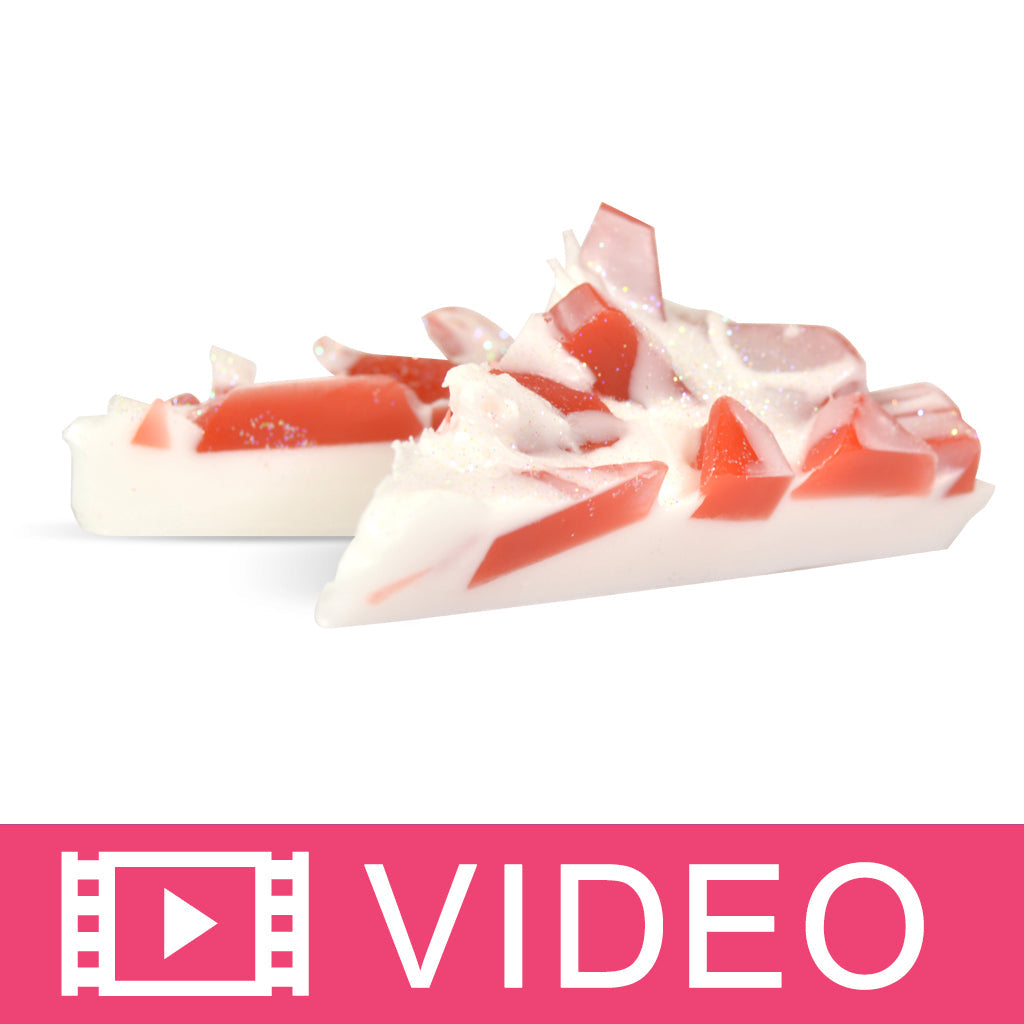
This video demonstrates how to make Peppermint Bark Soap. An easy melt and pour recipe that makes any bath or kitchen smell festive for the holidays! Bring it as a hostess present for your next holiday get together, or sell it at your November or December craft show.