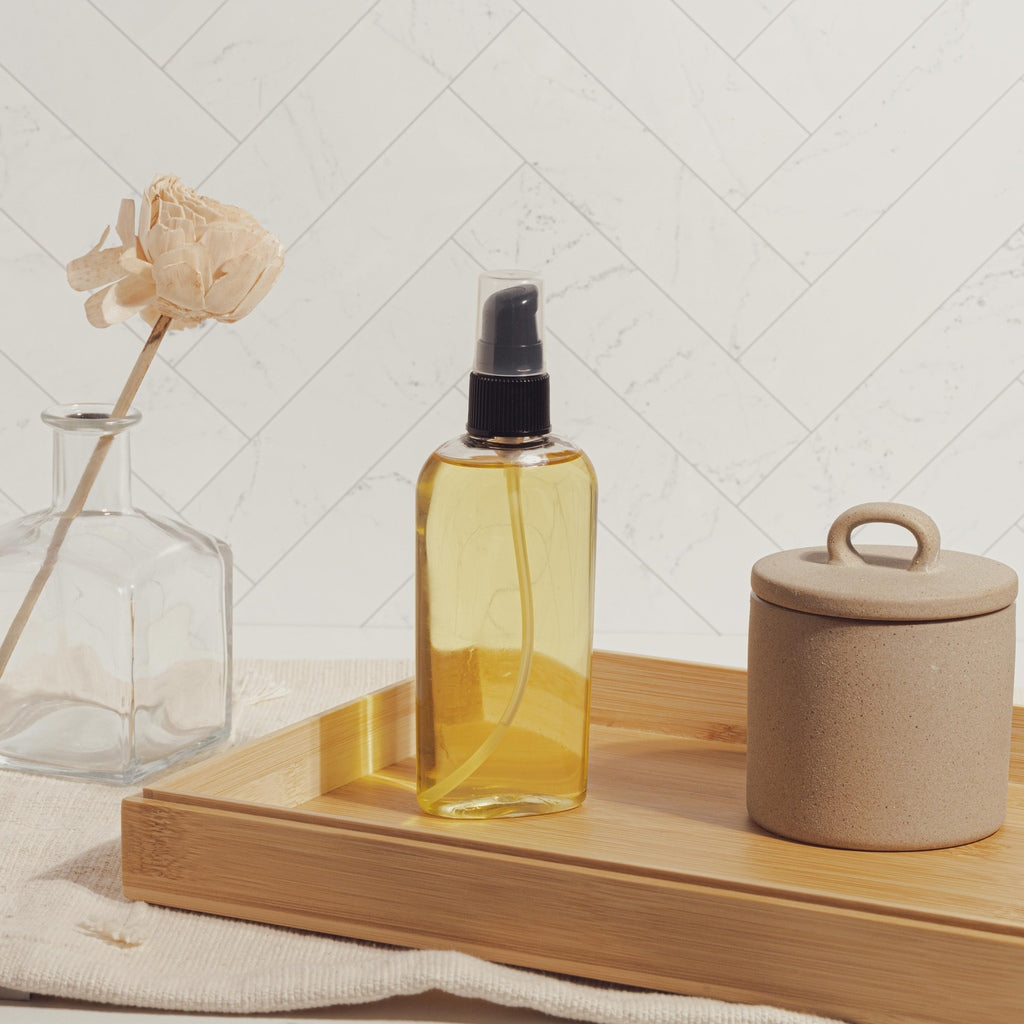
DIY Cleaning Spray Recipe
Making your DIY cleaning spray offers a range of benefits, from reducing exposure to harsh chemicals to cutting down on costs. Commercial cleaning products often contain ingredients that can cause skin irritation, respiratory issues, and harm the environment. By switching to a homemade cleaning spray, you can control what goes into the formula, ensuring it's both effective and safer for your home. Plus, the process is surprisingly easy and affordable!
If you are interested in other eco-friendly alternatives, check out our DIY Soap-Making Supplies for ideas on creating a cleaner, more sustainable home. The great thing about a cleaning spray recipe is that it doesn't require many ingredients. Here are the essentials you'll need to create a powerful, all-natural spray:
Looking for more sustainable ways to keep your home clean? Check out our DIY Candle Making Supplies for another hands-on project to help reduce waste.
Switching to a DIY cleaning spray comes with numerous benefits. Not only are you reducing harmful chemical exposure, but you're also saving money. A homemade cleaning spray can be made with inexpensive, everyday ingredients, cutting down on household cleaning expenses. Furthermore, natural cleaners are gentle on surfaces, reducing the risk of damaging furniture or counters over time.
If you're looking for more ways to go green at home, browse our Fragrance Oils for ideas to freshen up your space without harsh chemicals. One of the perks of creating a DIY cleaning spray is that you can customize it to suit your needs. Here are a few ideas:
Looking for more storage solutions? Check out our collection of Reusable Containers to keep your DIY products organized and eco-friendly. How long does homemade cleaning spray last?
A well-mixed DIY cleaning spray can last up to a month. However, if you notice any separation or change in scent, it's best to whip up a new batch.
Can I use my cleaning spray on all surfaces?
Yes! This cleaning spray recipe is safe for most surfaces, including countertops, floors, and appliances. However, the vinegar may be too harsh for natural stone.
Do I need to add preservatives to my cleaning spray?
Since this homemade cleaning spray doesn't contain preservatives, it's best to make small batches and use them within a few weeks.
If you are interested in other eco-friendly alternatives, check out our DIY Soap-Making Supplies for ideas on creating a cleaner, more sustainable home. The great thing about a cleaning spray recipe is that it doesn't require many ingredients. Here are the essentials you'll need to create a powerful, all-natural spray:
- White vinegar: Known for its antibacterial properties.
- Water: The base for diluting the solution.
- Essential oils: These are for fragrance and added cleaning power. Lemon, tea tree, or lavender oils work best.
- Rubbing alcohol: Optional but valuable for disinfecting surfaces.
- Gather Your Ingredients: Measure out 1 cup of water, 1 cup of white vinegar, and 10-20 drops of essential oil.
- Mix: In a spray bottle, combine the vinegar and water.
- Add Essential Oils: Drop in your choice of essential oils for a pleasant scent and extra antibacterial properties.
- Shake Well: Give the bottle a good shake before each use to make sure all the ingredients are well-mixed.
Looking for more sustainable ways to keep your home clean? Check out our DIY Candle Making Supplies for another hands-on project to help reduce waste.
Switching to a DIY cleaning spray comes with numerous benefits. Not only are you reducing harmful chemical exposure, but you're also saving money. A homemade cleaning spray can be made with inexpensive, everyday ingredients, cutting down on household cleaning expenses. Furthermore, natural cleaners are gentle on surfaces, reducing the risk of damaging furniture or counters over time.
If you're looking for more ways to go green at home, browse our Fragrance Oils for ideas to freshen up your space without harsh chemicals. One of the perks of creating a DIY cleaning spray is that you can customize it to suit your needs. Here are a few ideas:
- For tougher stains, Add a tablespoon of baking soda to your recipe for extra scrubbing power.
- For a disinfectant spray: Increase the amount of rubbing alcohol to around 1/2 cup.
- For glass surfaces: Swap out the vinegar for lemon juice to leave the glass streak-free and shiny.
Looking for more storage solutions? Check out our collection of Reusable Containers to keep your DIY products organized and eco-friendly. How long does homemade cleaning spray last?
A well-mixed DIY cleaning spray can last up to a month. However, if you notice any separation or change in scent, it's best to whip up a new batch.
Can I use my cleaning spray on all surfaces?
Yes! This cleaning spray recipe is safe for most surfaces, including countertops, floors, and appliances. However, the vinegar may be too harsh for natural stone.
Do I need to add preservatives to my cleaning spray?
Since this homemade cleaning spray doesn't contain preservatives, it's best to make small batches and use them within a few weeks.