Kokum Butter in Soap: Benefits and How to Use It
Kokum butter is the hardest of the common soaping butters, roughly 40 to 45% stearic acid, so a small amount adds real firmness and extends the life of a bar. It is also non-comedogenic, making it a strong choice for formulas built for acne-prone and oily skin. This guide covers what kokum butter does in soap, how to use it, how much to add, and how it compares to cocoa and shea butter.
What Is Kokum Butter?
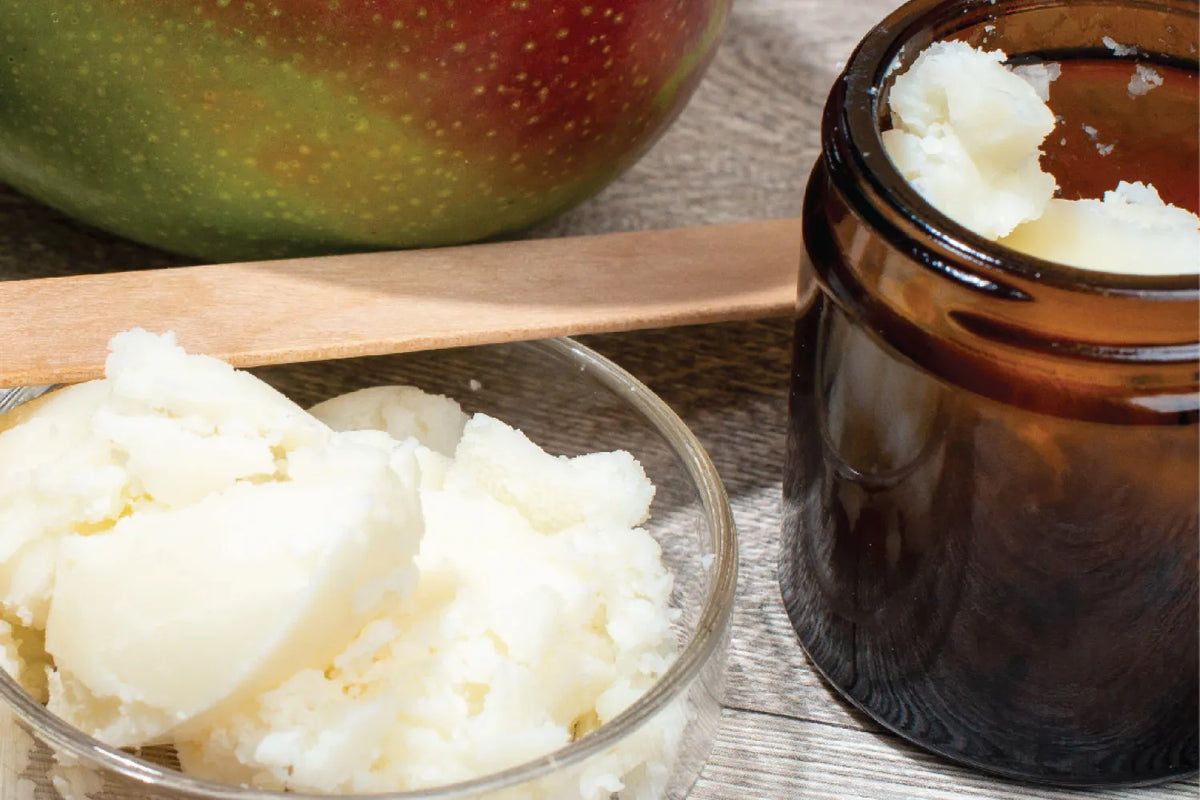
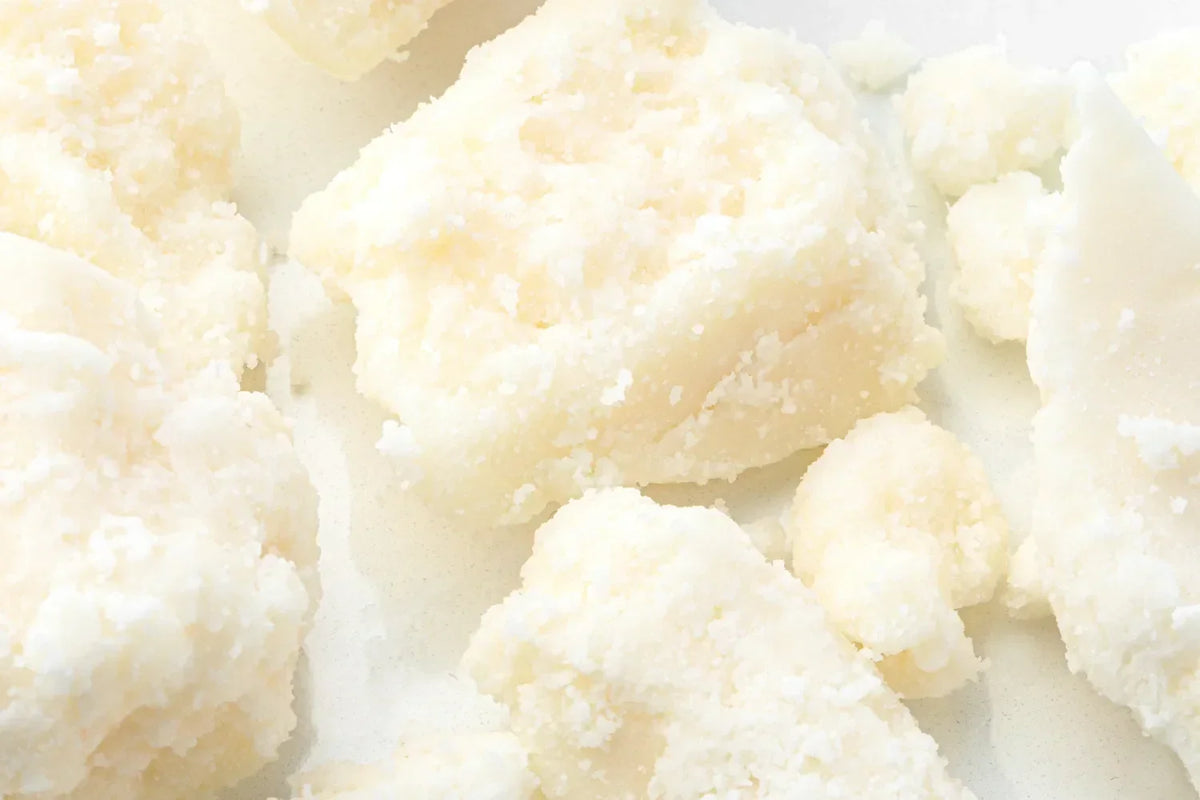
Kokum butter is pressed from the seeds of Garcinia indica, a tree native to India's western coast. Traditional processing crushes and boils the seeds, then skims and cools the fat that rises, though most soap-grade kokum sold today is refined for a consistent melting point and a clean, near-odorless finish. At room temperature it is notably firm, more brittle than shea butter and harder than cocoa butter, with a melting point around 100 to 104°F. That firmness traces back to a high concentration of stearic acid, roughly 40 to 45%, with oleic acid making up most of the balance. Refined kokum butter is pale white and virtually scent-free, so it will not compete with fragrance or shift the finished color of a bar. Its INCI name is Garcinia Indica Seed Butter, worth knowing for accurate ingredient labels on finished products. Stored in a cool, dry space away from direct heat and light, kokum holds its quality for one to two years, in line with other soap-grade butters, so it fits easily into a normal inventory cycle.
Kokum Butter Benefits for Skin
Kokum butter delivers deep moisture without clogging pores. It is non-comedogenic, meaning it absorbs into skin rather than sitting on the surface, a property that suits bars formulated for acne-prone and oily skin. Its fatty acid profile also supports the skin's barrier, helping bars rinse clean while still leaving skin conditioned, without the greasy residue heavier butters can leave behind. For Makers building a skin-focused line, kokum butter delivers moisture and lather quality without the tradeoffs some richer butters require, an ingredient story that resonates with customers who read labels closely. Its natural antioxidant content also supports the finished bar itself, helping protect the fats in a formula from turning rancid and extending shelf appeal alongside the skin benefits it brings.
What Kokum Butter Does in Soap
In a soap recipe, kokum butter works as a hardener and thickener. Its high stearic acid content firms the bar, tightens its internal structure, and helps the finished soap hold up through repeated use instead of turning to mush in a wet dish. It also builds a creamy, stable lather, adding body without heaviness. Because it is so concentrated, kokum performs best as a supporting ingredient rather than a base oil. Pair it with oils like olive, coconut, or sunflower, and balance it with other butters such as shea butter to round out hardness with conditioning. For a full breakdown of how oils and butters perform together, see WSP's best oils & butters guide and properties chart.
How to Use Kokum Butter in Soap
Kokum butter melts higher than many soaping oils, so give it a head start. Chop or grate it, then melt it gently with your other hard oils before adding softer liquid oils, which keeps the batch heating evenly and prevents scorching. In cold process, add melted kokum with the rest of your oils before combining with lye solution; its firmness can speed trace slightly, so have your mold ready. In melt and pour, blend a small percentage of kokum butter into a melted base once temperatures are compatible, stirring until fully incorporated before pouring. Either way, weigh kokum by percentage of total oils rather than estimating. Precision here protects bar performance and batch cost, since kokum is a premium input best used with intent. If a finished bar turns out harder than expected or shows a dry, crumbly edge, that is a signal to dial the percentage back on the next batch rather than push through the same formula. If a bar feels soft or the lather runs thin, a small increase in kokum, tested in one batch before a full production run, is a more reliable fix than adding more of a softer butter.
How Much Kokum Butter to Use
Kokum's firmness means a little goes a long way. Most soap makers use kokum butter at 5% to 15% of total oils, tuning the percentage to the bar's target hardness and lather. Push much higher and a bar can turn brittle or crack rather than wear evenly. Start on the lower end of that range, especially in recipes that already include another hard butter or oil and adjust from there based on the finished bar. Compared to cocoa butter, which needs a higher percentage to reach similar hardness, kokum hits that same firmness at a lower usage rate, leaving more room in the formula for conditioning oils. That efficiency also makes kokum a practical hardener for Makers reducing their reliance on palm oil: swap a portion of palm for kokum, and the bar keeps its structure without losing firmness, a straightforward substitution for palm-free lines.
Why Kokum Butter Pays Off in a Finished Line
Kokum carries a premium price per pound, but its low usage rate keeps the cost per bar in check. A formula built at 10% kokum uses far less of it than the 25% to 30% some recipes call for with cocoa butter to hit similar hardness, so the ingredient cost gap narrows fast once you run the math per batch. A firmer bar also means less warping in transit and less softening on a shower shelf, which supports consistent quality across a production run and fewer customer complaints about a bar that will not hold up. For a line built on repeat purchases, that consistency is the real return.
Kokum vs Cocoa vs Shea
Kokum, cocoa, and shea each bring something different to a soap recipe. Kokum is the hardest of the three, delivering maximum firmness at the lowest usage rate, the efficient choice when bar longevity is the priority. Cocoa butter is also hard and occlusive, forming a protective layer on skin, but it needs a higher percentage to match kokum's firmness and carries a mild chocolate note some formulas need to mask. Shea butter is the most conditioning of the three, valued for its softness and skin benefits, though it adds less structural hardness and yields a softer bar overall. Many formulators combine two or all three: kokum for firmness, shea for conditioning, cocoa for stability, building a bar that performs from first use to last while keeping the ingredient list clean and purposeful. For a closer look at how cocoa and shea perform side by side, see WSP's cocoa butter vs shea butter guide .
FAQ
What does kokum butter do in soap?
Kokum butter hardens and thickens a soap bar. Its high stearic acid content tightens the bar's structure, extends its use through repeated washes, and supports a creamy, stable lather without adding heaviness to the finished formula. Used at a modest percentage, it works as a supporting ingredient rather than a base oil.
Is kokum butter harder than cocoa butter?
Yes. Kokum butter is the hardest of the common soaping butters, roughly 40 to 45% stearic acid. It reaches cocoa butter's firmness at a lower usage rate, giving formulators more flexibility to include conditioning oils elsewhere in the recipe.
Is kokum butter good for acne-prone skin?
Yes. Kokum butter is non-comedogenic, so it moisturizes without clogging pores. That makes it a strong option for bars formulated for acne-prone or oily skin, where richer, heavier butters can be a poor fit and often leave a residue that breakout-prone skin does not need.
How much kokum butter should I use in soap?
Most recipes use kokum butter at 5% to 15% of total oils. Start on the lower end, especially alongside other hard butters, and adjust based on the finished bar's hardness and lather. Going much higher risks a brittle bar that cracks rather than wears down evenly.
Ready to add kokum butter's firming power to your next batch? Shop WSP's kokum butter and browse the full collection of soap-making butters to build a formula that performs from the first bar to the last.