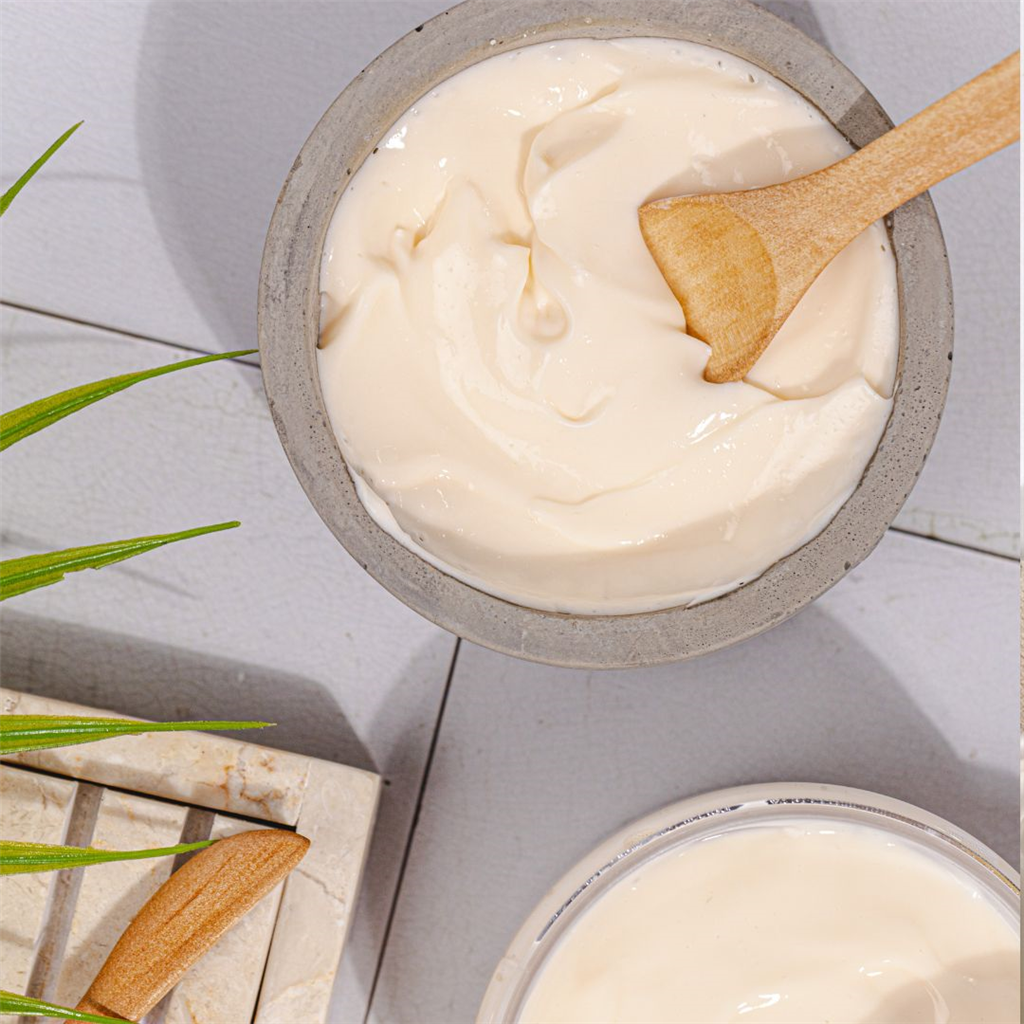
Sodium Lactate in Soap: Harder, Longer-Lasting Bars
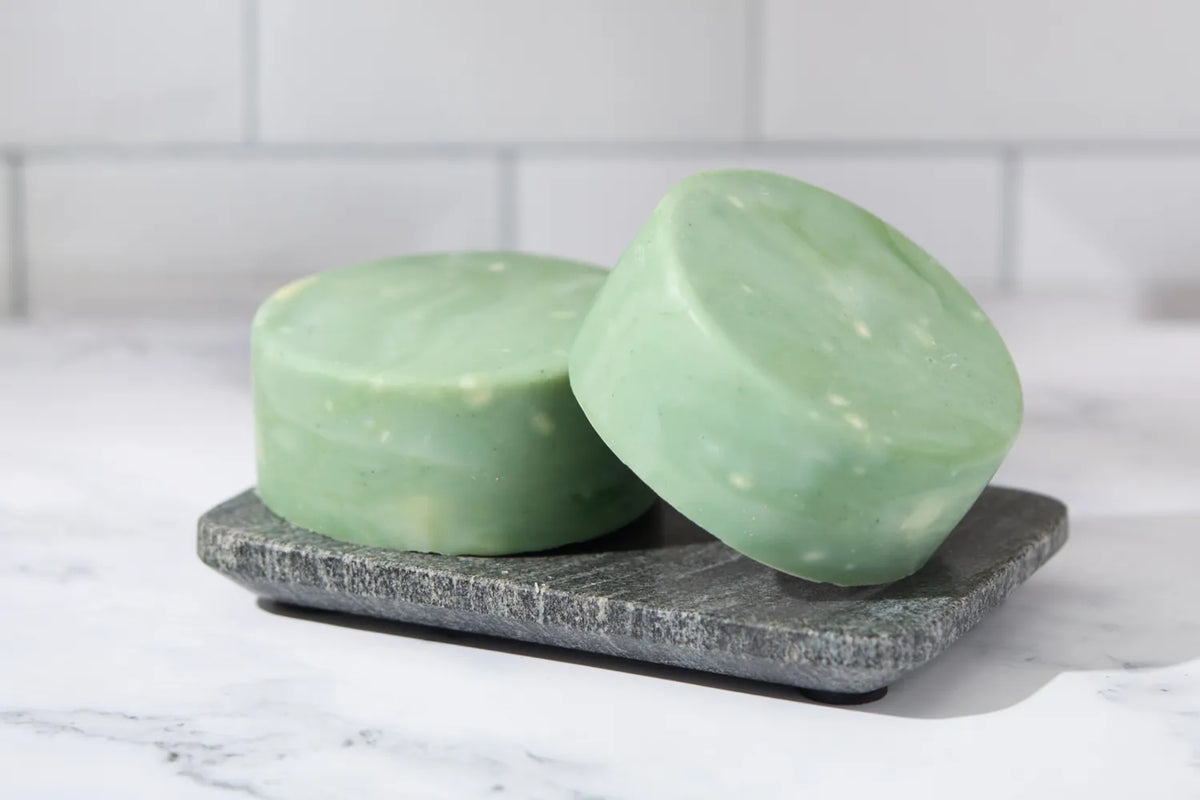
Sodium lactate is a liquid salt made from fermented sugar that makes cold process bars harder, faster to unmold, and longer lasting in the shower. Use it at 1 to 3% of your oil weight, dissolved into cooled lye water. A harder bar unmolds sooner, holds its shape through shipping, and lasts longer in a customer's shower.
Add sodium lactate to your lye water and your bars firm up faster, cut cleaner, and stand up to daily use without turning soft in a wet soap dish. For makers selling finished bars, that difference affects turnaround time, packaging schedules, and repeat purchases. A harder, longer-lasting bar can also build trust and keep customers coming back for the same recipe.
What Is Sodium Lactate?
Sodium lactate is the sodium salt of lactic acid, typically derived from fermented sugar. In cosmetic and soap formulation, it works as a natural humectant, a mild moisturizer, and a pH regulator. In cold process soap specifically, it earns its place for what it does to the bar itself. It speeds up crystallization in the soap batter, producing a firmer, more durable finished bar without changing how the recipe feels on skin.
It's sold as a liquid concentrate, commonly 60%, and measured as a percentage of your recipe's oil weight, not the full batch. Because it works during saponification rather than after, it needs to go in at the lye water stage. Adding it later, once trace has started, won't give you the same hardening effect.
What Sodium Lactate Does in Soap
Added at the right rate, sodium lactate delivers four practical benefits.
Harder bars. The soap sets up firmer in the mold, which means less handling damage during unmolding and cutting.
Faster unmolding and cutting. Batches that once needed 48 hours in the mold can often come out in 24, depending on your recipe and mold material.
Longer-lasting bars. A harder bar wears down more slowly in daily use, which matters to customer satisfaction and repeat orders.
A cleaner, creamier finish. Many makers report smoother bar tops and cleaner cuts, especially in recipes that run soft on their own, such as high olive oil or high liquid oil formulas.
Sodium lactate works without touching lather or moisture. Unlike table salt, another common hardening additive, it won't suppress your lather when used within recommended rates. That makes it a low-risk addition to a recipe you already trust.
If your bars are coming out soft no matter how long you cure them, the fix may be in your oil blend rather than your additive rate. Our guide to troubleshooting cold process soap covers the most common causes of a soft bar and how to correct them.
How Much Sodium Lactate to Use (and When to Add It)
Usage rate: 1 to 3% of your total oil weight is standard, calculated the same way you'd calculate any additive rate against your recipe. Most makers get strong results in the 1 to 2% range and reserve the higher end for recipes that run especially soft, such as high liquid oil content, low hard fat, or a mold that needs extra help releasing cleanly. Our guide to choosing a soap mold can help you match mold material to your recipe if unmolding is still slow.
As a rough reference point, 1% works out to approximately 1 teaspoon per pound of oils. Weighing your additive on a scale is always more accurate than measuring by volume, especially once you move past small test batches.
When to add it: Dissolve sodium lactate into your lye water once the lye is fully dissolved and the solution has cooled to your working temperature. Adding it earlier, while the solution is still hot, doesn't damage the sodium lactate, but cooling first keeps your workflow consistent and avoids extra heat during mixing.
Liquid versus powder: sodium lactate is available as a liquid concentrate or, less commonly, as a powder. The two aren't interchangeable at the same rate. A 60% liquid solution contains less active sodium lactate by weight than the powder form, so a recipe built around powder dosing will underperform if you swap in liquid at the same percentage, and the reverse is also true. Confirm which form your rate was calculated for before you switch products.
If you're still building out your process, our guide to cold process soap making covers the full method from lye safety to trace, and is a solid place to confirm your baseline recipe before adding sodium lactate to the mix.
Too Much Sodium Lactate: What Happens
Sodium lactate has a ceiling. Past roughly 3% of oil weight, bars tend to turn brittle and crumbly instead of firm. Corners break off during unmolding, cutting becomes messier, and the bar can flake in use instead of wearing down evenly. The same crystallization that hardens the bar at the right dose works against you at too high a dose, leaving less structure to hold the bar together.
If you're seeing a crumbly bar, dial your rate back toward 1%, and confirm your measurement was by weight, not volume. A too-strong lye solution, an old or overly concentrated batch of sodium lactate, or a scale error are the most common culprits behind an unexpectedly brittle result. If you recently switched suppliers or concentrations, that's the first thing to check.
Sodium lactate performs best as a supporting ingredient in a recipe already built for a firm bar. Reliable hard oils and butters give you a stronger foundation before sodium lactate does its part. Our guide to the best oils and butters for soap making breaks down which fats contribute the most hardness and cure speed, so your recipe carries more of the load on its own.
Why Batch Consistency Matters
Selling finished bars means every batch must perform like the last one. A recipe that unmolds reliably at 1.5% sodium lactate should unmold the same way whether it's batch three or batch three hundred. Weigh your sodium lactate the same way each time, keep your lye water temperature consistent, and record your working rate alongside the rest of your recipe. That small amount of documentation is what turns a good batch into a repeatable one, and repeatable results are what let you scale production without second-guessing every cure.
FAQ
What does sodium lactate do in soap?
Sodium lactate is a humectant and pH regulator that speeds crystallization in cold process soap batter. The result is a harder bar that unmolds and cuts sooner, holds its shape better, and lasts longer in daily use, all without changing your recipe's oils, scent, or lather.
How much sodium lactate per pound of oils?
Use about 1 to 3% of your recipe's total oil weight, roughly 1 teaspoon per pound as a rough reference for a 60% liquid concentrate. Most makers start at 1% and increase toward 2 to 3% only for recipes that run soft or use a slow-release mold.
When do you add sodium lactate?
Add sodium lactate to your lye water once the lye is fully dissolved and the solution has cooled to your working temperature. Stir until fully incorporated before combining with your oils, the same way you'd add any other water-phase additive, never after trace.
Can you use too much sodium lactate?
Yes. Rates above 3% of oil weight commonly produce brittle, crumbly bars that break during unmolding or flake during use. If that happens, reduce your rate toward 1%, confirm you measured by weight, and check that you haven't switched sodium lactate concentrations.
Get Consistent Results Every Batch
A harder, longer-lasting bar starts with the right additive at the right rate. Shop sodium lactate for your next batch, stock up on lye, and browse our full collection of soap additives to build a recipe that performs the way your customers expect, batch after batch.