Shea Butter in Soap: Benefits and How to Use It
Shea butter is a rich, conditioning butter that adds creaminess and skin loving emollience to soap. It is roughly 85 to 90 percent fatty acids, plus vitamins A and E. Used as a superfat at 5 to 15 percent of oils in cold process, a little goes a long way.
Shea butter is one of the most requested additions in soap formulating, and this guide covers what shea butter is, what it does for skin and for a finished bar, how much to use in cold process and melt and pour, and how to choose between raw and refined.
What Is Shea Butter?
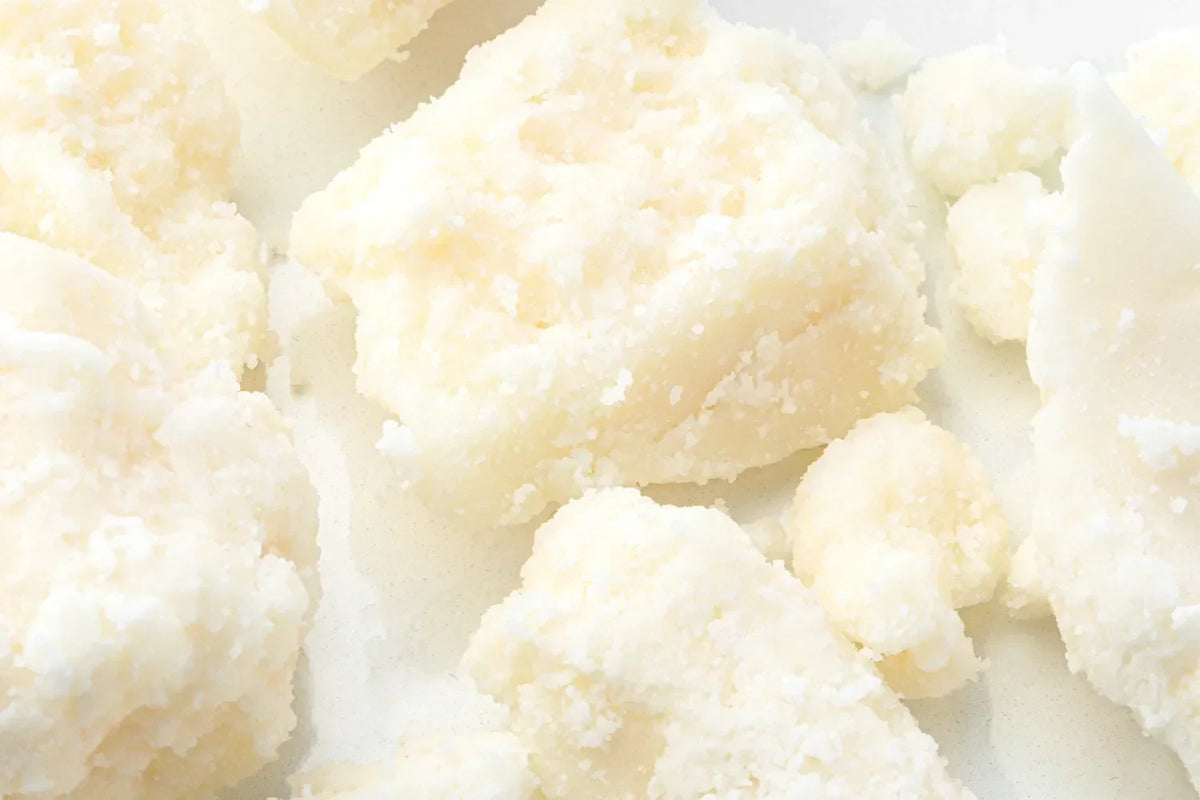
Shea butter comes from the nut of the African shea tree, harvested and processed largely by cooperatives across West Africa. The nuts are cracked, roasted, ground, and worked by hand or machine to separate the fat, which is then either left raw or refined further.
That process is what determines scent, color, and grade, but it does not meaningfully change the fatty acid profile Makers rely on. Shea butter is naturally high in oleic and stearic acids, with meaningful vitamin A and E content carried through from the nut. That composition is why shea butter reads as thick and slow to fully absorb on skin, and why it performs as a conditioning butter rather than a hardening one in a soap recipe.
Grade matters as much as sourcing. Grade A shea butter is minimally processed, whether left raw or gently refined, and keeps more of its natural vitamin content intact. Lower commercial grades are processed harder for a longer shelf life and a lower price, often at the cost of scent, color consistency, and some of the nutrient content Makers are formulating for in the first place. WSP sources Grade A shea butter for this reason, so the performance in your recipe matches what the fatty acid profile promises.
Shea Butter Benefits for Skin
Shea butter is roughly 85 to 90% fatty acids, mainly oleic and stearic, plus vitamins A and E. That profile is why it reads as conditioning and emollient on skin, and why it shows up across skin care formulations, not just soap.
As a skin emollient, shea butter supports the moisture barrier and is well tolerated by sensitive skin. That combination, rich fatty acid content plus a gentle profile, is exactly why Makers select shea butter as a luxury or superfat butter rather than a specialty ingredient reserved for a few recipes. It works for everyday bars as easily as it does for a premium line built around dry or reactive skin types.
Vitamins A and E are both recognized for supporting skin health, and both contribute a measure of natural antioxidant activity to the fats they are carried in, which can help protect the oils in your recipe from going rancid as quickly. That is a formulation benefit as much as a skin benefit, and it is one more reason Makers work with shea butter.
Compared to lighter oils, shea butter sits at the richer end of the spectrum. It will not outperform a targeted treatment product, but it will reliably deliver a noticeably softer, less tight feeling on skin immediately after rinsing.
What Shea Butter Does in Soap
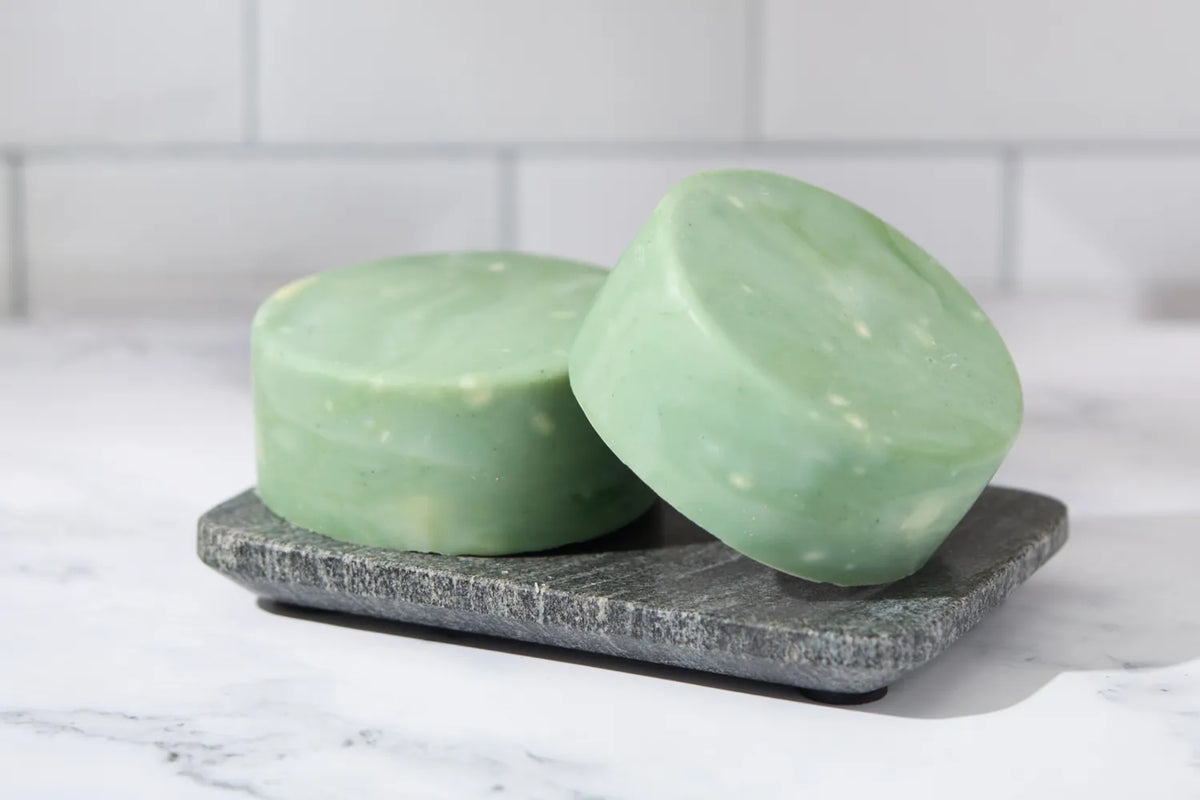
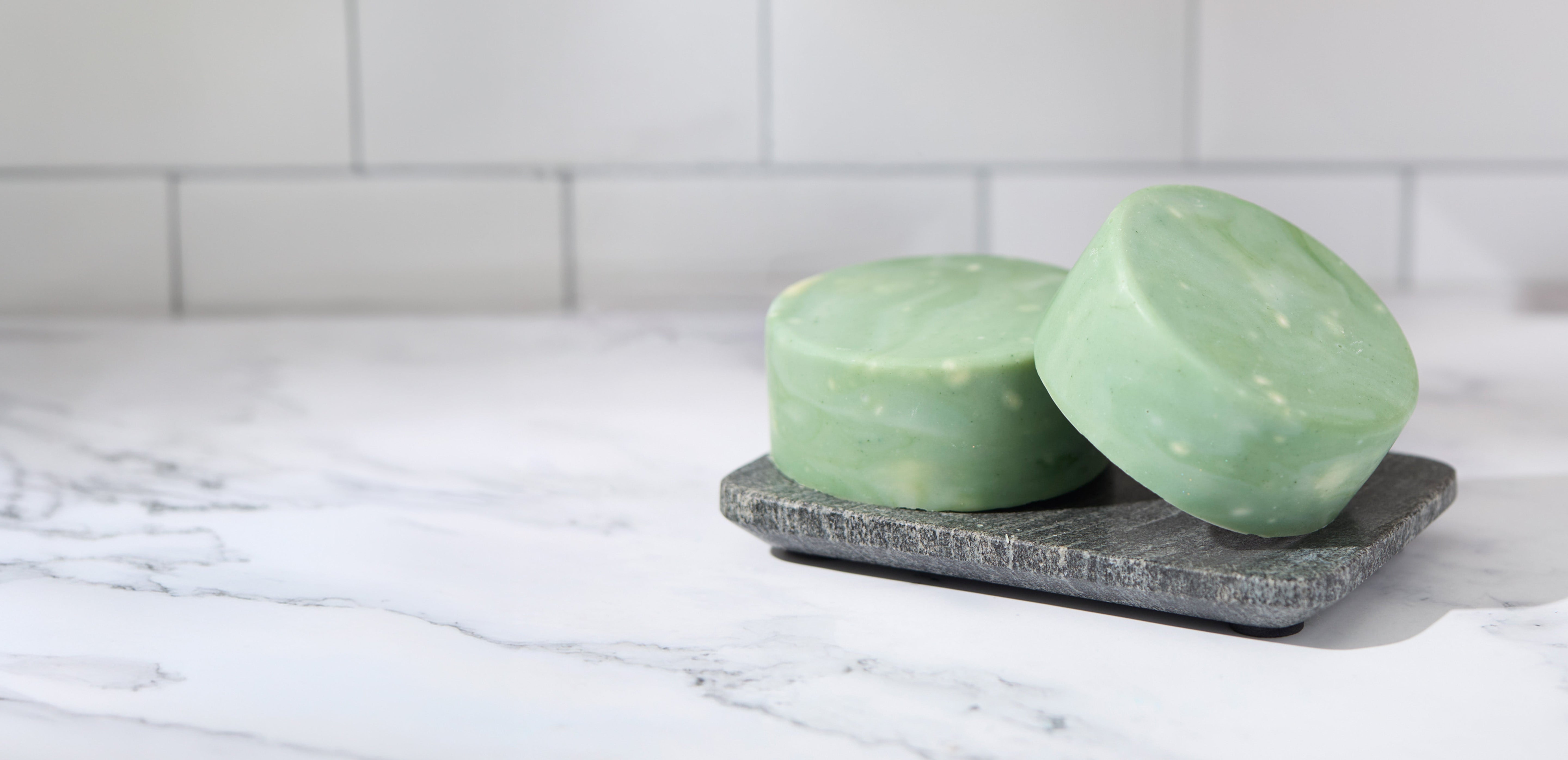
Shea butter is a favorite in soapmaking for the creamy, conditioning quality it brings to a bar. Its fatty acid profile, including stearic acid, helps create a smooth, stable lather and a softer feel on skin.
Because shea butter isn’t typically used as the primary hardening ingredient in a recipe, it works best as part of a balanced blend of oils and butters. Pairing it with ingredients that contribute more hardness helps create a bar that feels great and holds up well in use.
How much you use matters, too. At moderate amounts, shea butter can add creaminess and conditioning without compromising the finished bar. Using too much may contribute to a softer bar or longer cure time, depending on the rest of your formula. Our guides to the best oils and butters for soap and oil and butter properties can help you choose ingredients that work well together.
Shea butter is also a great fit for whipped soaps, scrub bars, shaving bars, and other formulas where its creamy texture and conditioning properties can really shine.
How Much Shea Butter to Use (Cold Process and Melt and Pour)
Cold process. Shea butter is typically used as a superfat addition at 5 to 15 percent of total oils. Many Makers add it at trace, or hold part of it back and stir it in as a superfat boost near the end so its conditioning benefits reach the finished bar intact rather than being fully saponified. Because shea butter is a butter, not a base oil, it is formulated to complement your hardening oils, not to replace them. A recipe built entirely around shea butter will not cure to a firm, long lasting bar.
Where you land in that 5 to 15 percent range depends on the bar. A daily body bar built around coconut, palm, or a palm alternative for hardness can carry shea toward the higher end without turning soft. A facial or delicate skin bar, formulated with a lighter oil profile to begin with, often performs better closer to the lower end, so the finished bar still firms up and holds its shape through regular use. Run any new percentage through your lye calculator before you commit a full batch, so your superfat and hardness numbers land where you expect.
The most common mistake is treating shea butter like a base oil and using it at 30 percent or more of total oils. At that level, the bar will likely stay soft, sweat during cure, and wear down faster in the shower, regardless of how carefully the rest of the recipe is built. Keep shea in its lane as a superfat butter, and let your hard oils and butters do the structural work.
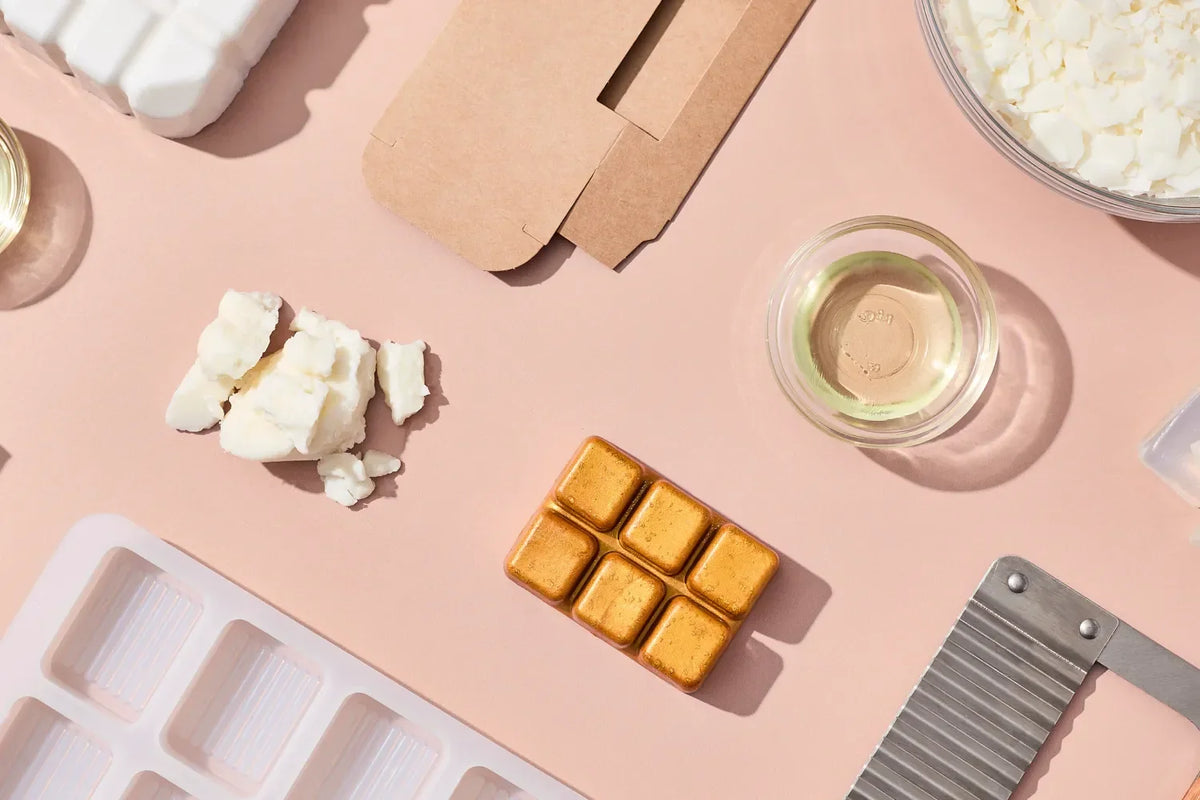
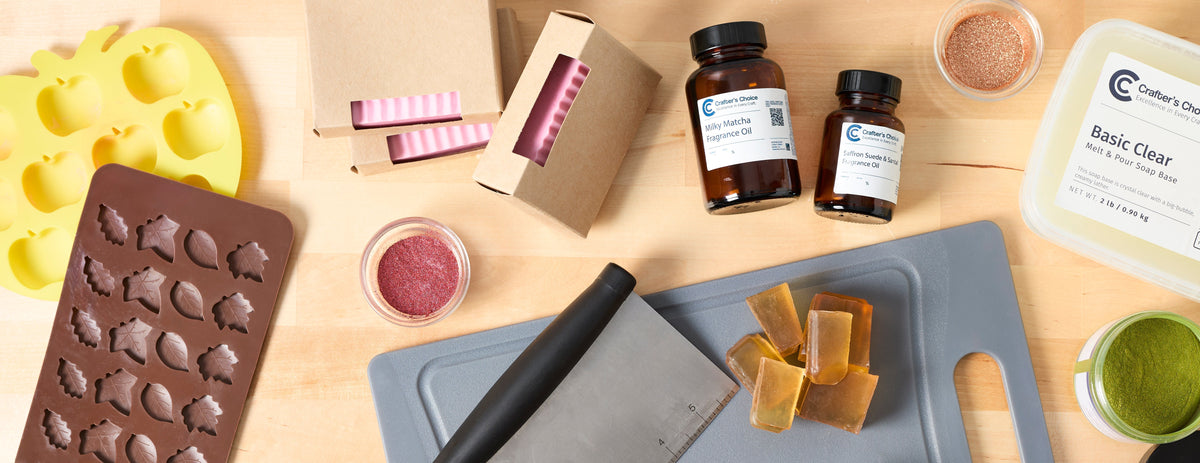
Melt and pour. Shea butter is stirred into the premade base after melting. Melt your base fully, then add shea butter, generally 1 to 2 tablespoons per pound of base. Stir until it is fully incorporated and the mixture is smooth, then pour before the base begins to set. Adding shea butter too early or at too high a heat can cause it to separate once the bar cools, so keep additions modest and stir well. For a full walkthrough on selecting and working with a base, see WSP's guide to choosing a melt and pour soap base.
Raw vs Refined Shea Butter
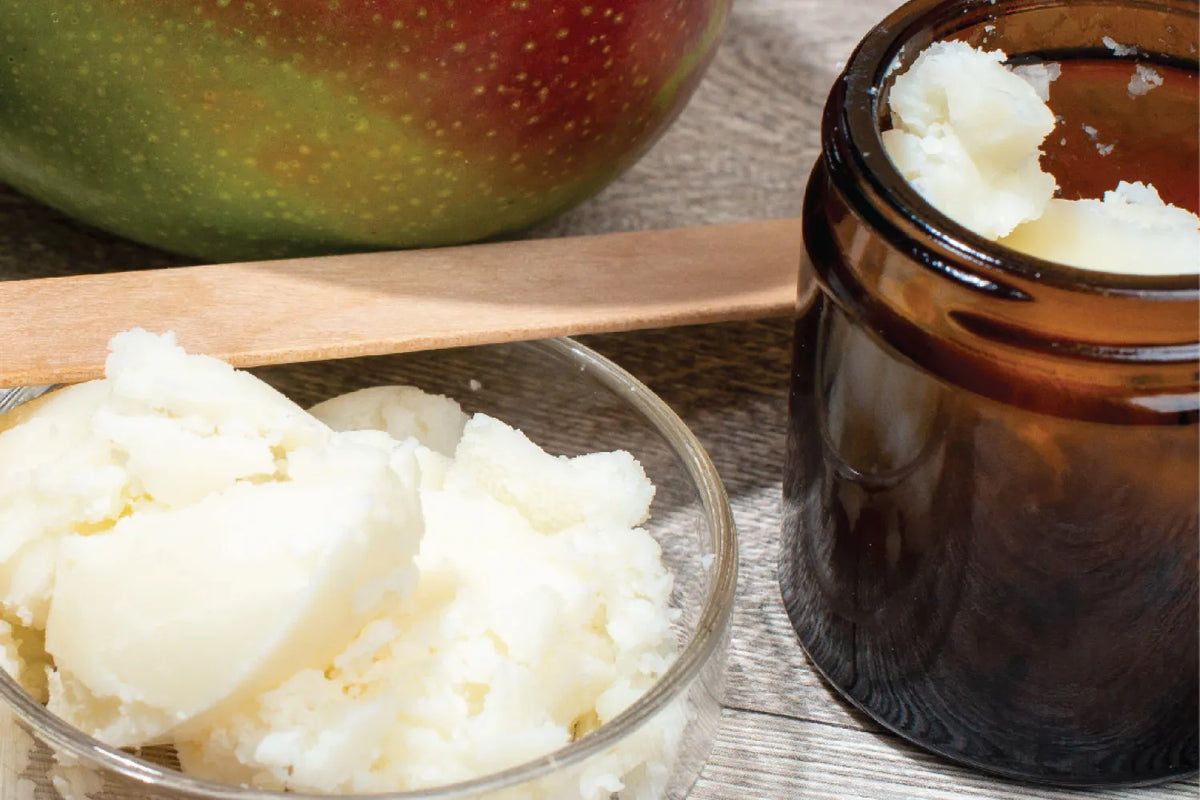
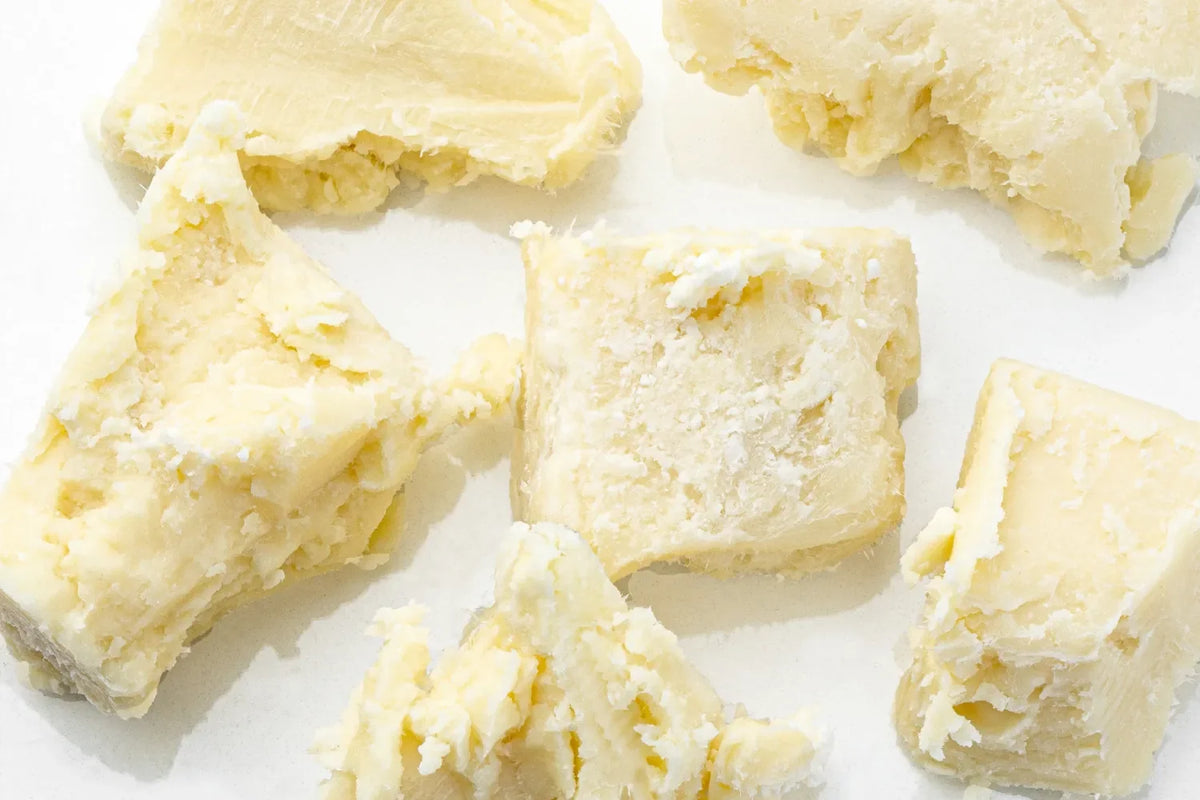
Raw shea butter, sometimes labeled unrefined, keeps its natural nutty scent and a pale yellow to ivory color. Refined shea butter is deodorized and bleached to a clean, consistent white, with little to no scent of its own. Both versions carry the same fatty acid profile and the same skin benefits. The difference is entirely in scent, color, and how each behaves in a finished bar.
Choose raw shea butter when its natural scent supports your recipe, such as in unscented or lightly fragranced bars where a warm, nutty note is welcome, or when a slightly deeper, more rustic color fits the finished product. Choose refined shea butter when you are building a bar around a specific fragrance or essential oil blend and do not want the butter's natural scent competing with it, or when a consistent white base matters for color work, layering, or swirls.
A quick sourcing note: color and scent intensity can vary batch to batch even within raw shea butter, since it is a natural, minimally processed ingredient. If consistency across batches matters more than a rustic look, refined is the more predictable choice. If character and a natural sourcing story matter to your brand, raw is worth the batch-to-batch variation.
If you sell both scented and unscented lines, it is worth stocking both versions rather than picking one. Refined shea butter gives your fragranced bars a clean canvas and predictable color, while raw shea butter gives an unscented or naturally positioned line a genuine ingredient story to put on the label. The two are not competing choices so much as tools for different parts of a product line.
FAQ
Is shea butter good for soap?
Yes. Shea butter is a conditioning, skin loving butter that adds creaminess to a finished bar. Used as a superfat at a modest percentage of oils, it supports the skin's moisture barrier and creates a smoother, softer bar, without compromising lather when it is balanced against harder oils and butters.
How much shea butter should I put in soap?
In cold process, use shea butter at roughly 5 to 15 percent of total oils, most often added as a superfat near the end of the cook. In melt and pour, stir in about 1 to 2 tablespoons per pound of base after melting fully, then pour before the base sets.
Raw or refined shea butter for soap?
Both offer the same fatty acid profile and skin benefits. Raw shea butter has a natural nutty scent and ivory color, better suited to unscented or lightly fragranced bars. Refined shea butter is neutral in scent and color, making it the more consistent choice when fragrance or precise color work matters most.
Does shea butter make soap moisturizing?
Yes. Shea butter's fatty acid profile, mainly oleic and stearic acids plus vitamins A and E, supports the skin's moisture barrier. Used as a superfat, it produces a bar that feels conditioning on skin rather than purely cleansing, a difference customers notice right away.
Shop Shea Butter at WSP
Shea butter is a proven way to build a bar customers come back for. Shop raw shea butter and refined shea butter to start your next batch, or browse WSP's full range of soap butters for more formulating options. To see how shea butter compares to another popular soap butter, read Cocoa Butter vs Shea Butter for Soap.